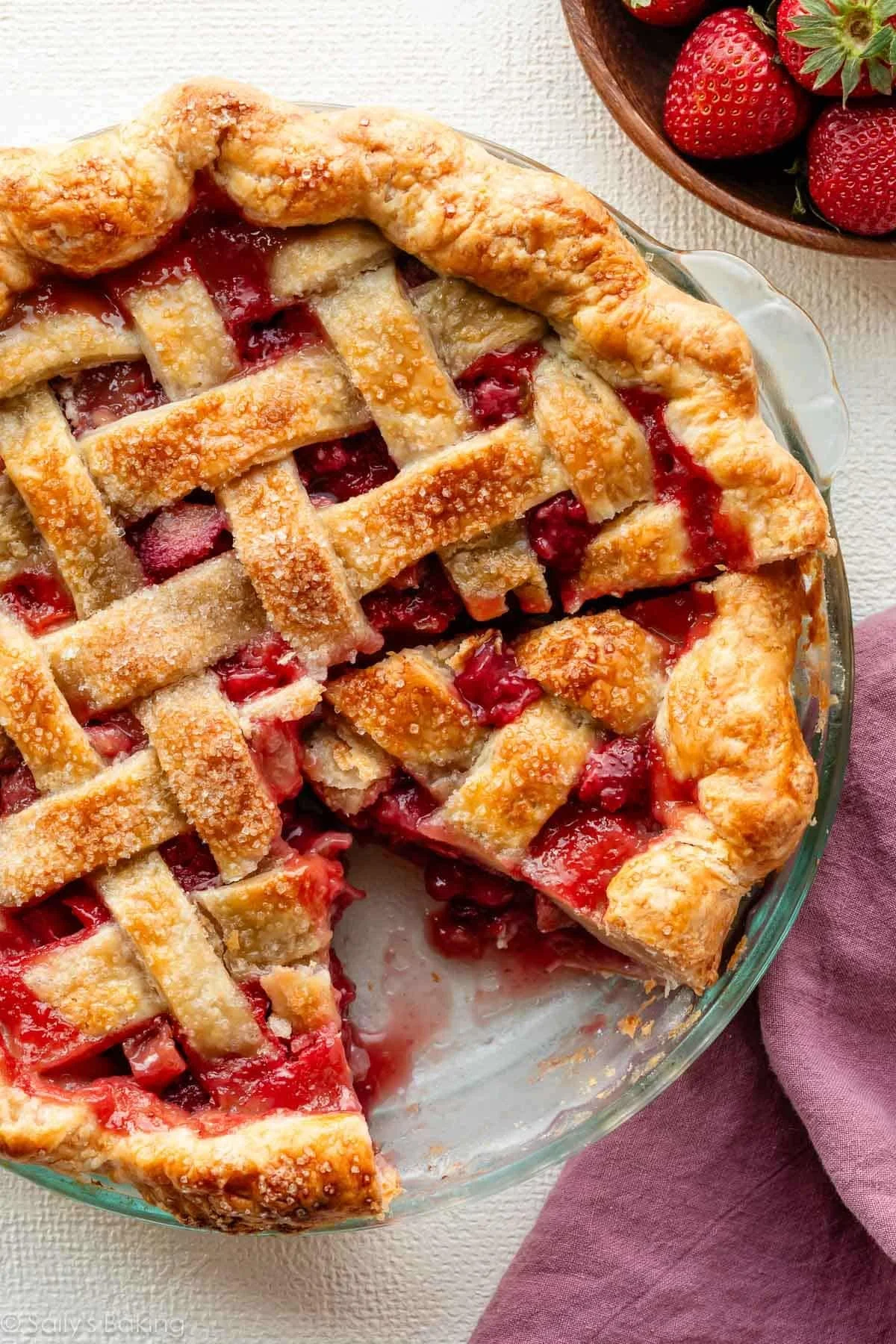

The quintessential spring and summer dessert, strawberry rhubarb pie, has received a notable update, reaffirming its status as a beloved seasonal staple in home kitchens across the globe. This refined recipe, originating from the widely popular baking platform Sally’s Baking Addiction, promises to deliver the ideal balance of juicy strawberries, tart rhubarb, and a meticulously crafted flaky all-butter pie crust, addressing common challenges faced by home bakers, particularly the elusive quest for a thick, jammy filling that maintains its structural integrity upon slicing. The commitment to perfecting this classic highlights a broader trend in culinary circles: the elevation of traditional recipes through precise technique and comprehensive guidance, ensuring accessibility for bakers of all skill levels.
The updated iteration of this iconic pie, originally published in 2016, showcases a dedication to continuous improvement within the digital culinary landscape. Beyond fresh photography and an instructional video tutorial, the most significant enhancements lie in the inclusion of advanced success tips, notably an optional stovetop pre-cooking step designed to guarantee a consistently thick pie filling. This methodical approach reflects a growing demand among home bakers for foolproof recipes that demystify complex techniques, empowering them to achieve professional-quality results in their own kitchens. The journey of this recipe, from its initial publication to its current refined form, serves as a micro-chronology of the evolving expectations within the online baking community, where clarity, reliability, and visual aids are paramount.
The Culinary Heritage of Strawberry Rhubarb Pie
Strawberry rhubarb pie holds a cherished place in North American culinary tradition, symbolizing the transition from spring to summer. The pairing of sweet, succulent strawberries with the vibrant, tart stalks of rhubarb creates a unique flavor profile that has captivated palates for generations. Rhubarb, often mistakenly classified as a fruit, is botanically a vegetable, prized for its intensely sour taste that mellows beautifully when cooked with sugar. Its season, typically from April to June, coincides perfectly with the peak ripeness of early summer strawberries, making their combination a natural and celebrated partnership.
Historically, fruit pies served as a practical and delicious way to preserve seasonal produce. The abundance of strawberries and rhubarb during their harvest period made them ideal candidates for baking into pies, allowing families to enjoy their flavors beyond their immediate availability. Early recipes often varied widely, relying on bakers’ intuition and the quality of their ingredients. However, as culinary science advanced and home baking became a more widespread hobby, the focus shifted towards standardization and optimization, leading to the development of detailed recipes like the one in question.
According to data from the U.S. Department of Agriculture (USDA), strawberry production in the United States alone accounts for billions of pounds annually, with significant peaks during the spring and early summer months. California, for instance, produces over 80% of the nation’s strawberries, with peak harvests influencing market availability and pricing across the country. Rhubarb, while a smaller crop with a more localized production, sees a significant surge in demand during its short season, often fetching premium prices at farmers’ markets. The popularity of recipes featuring these ingredients directly impacts local agricultural economies, supporting farmers who cultivate these seasonal delights. A well-received and widely shared recipe can, in essence, drive consumer demand for fresh produce, fostering a symbiotic relationship between digital content creators and agricultural producers.
Addressing the Baker’s Dilemma: The Runny Pie Filling
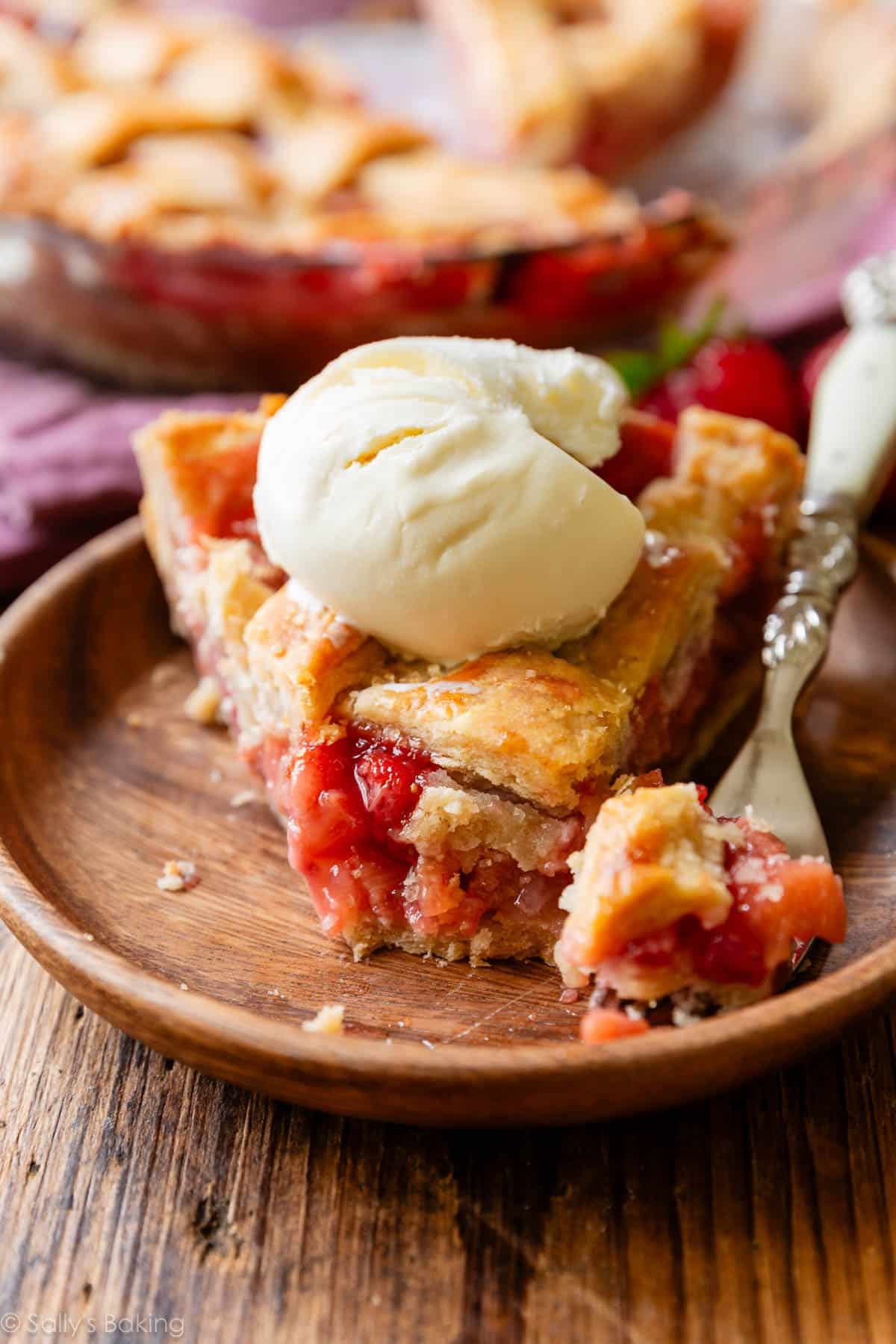
One of the most persistent challenges in baking fruit pies, particularly those featuring high-moisture fruits like strawberries, is preventing a runny filling. As strawberries bake, they release a substantial amount of juice, which, if not properly managed, can result in a soupy, unsliceable mess. This issue has long been a source of frustration for even experienced bakers. The updated strawberry rhubarb pie recipe directly confronts this common pitfall by strategically employing cornstarch as a thickening agent, alongside an innovative optional stovetop pre-cooking method.
Cornstarch, a natural carbohydrate derived from corn, functions as a highly effective thickener. When heated in the presence of liquid, its starch molecules absorb water, swell, and gelatinize, creating a viscous, jam-like consistency. The recipe’s emphasis on using "just enough" cornstarch underscores the delicate balance required to achieve a thick filling without it becoming overly pasty or gummy. This precise measurement, often refined through extensive testing, is a hallmark of high-quality recipe development. The optimal ratio of cornstarch to fruit juice is critical; too little, and the filling remains watery; too much, and it can become rubbery. Culinary scientists often point to a 2-3% concentration of starch by weight of liquid as ideal for achieving a firm gel.
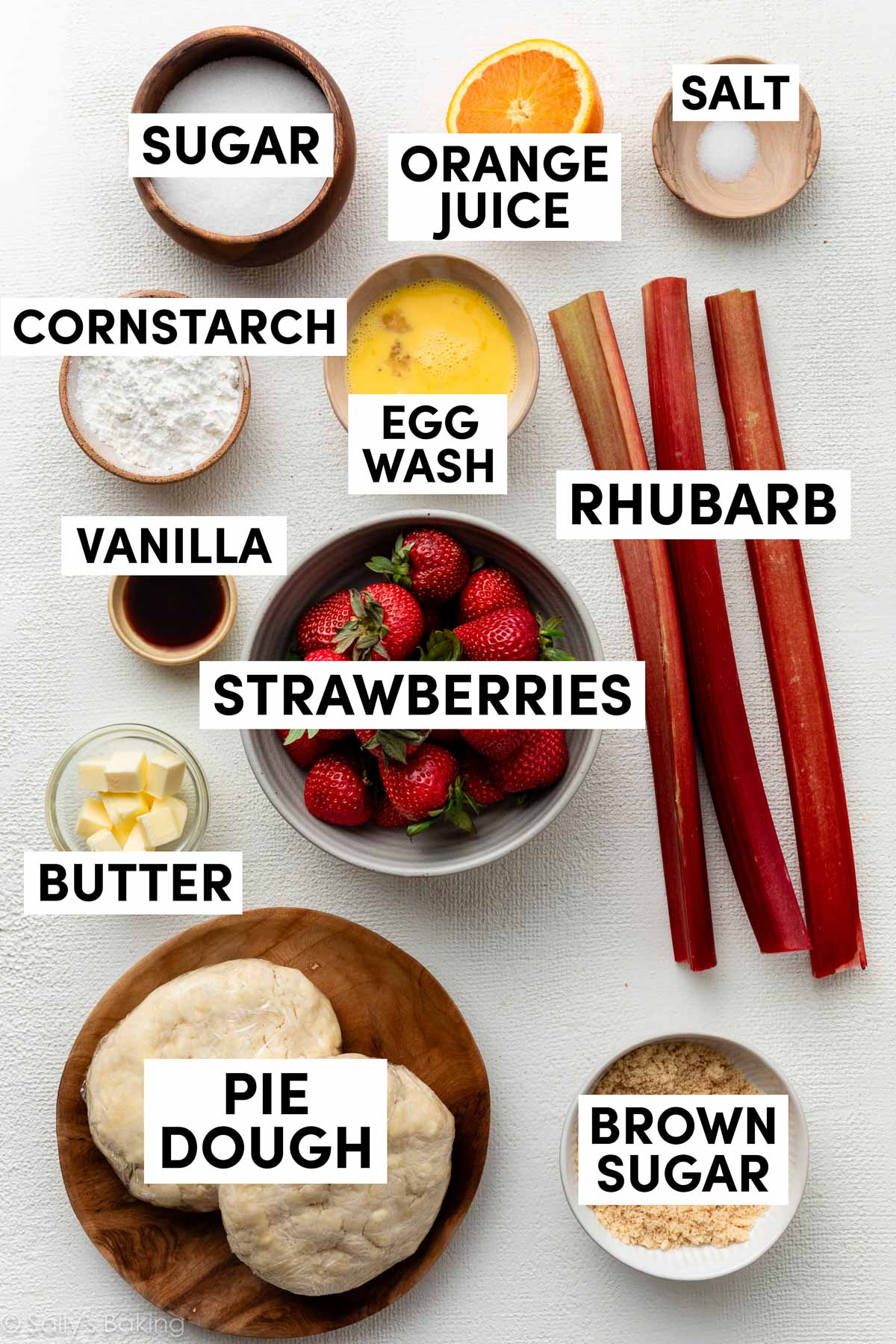
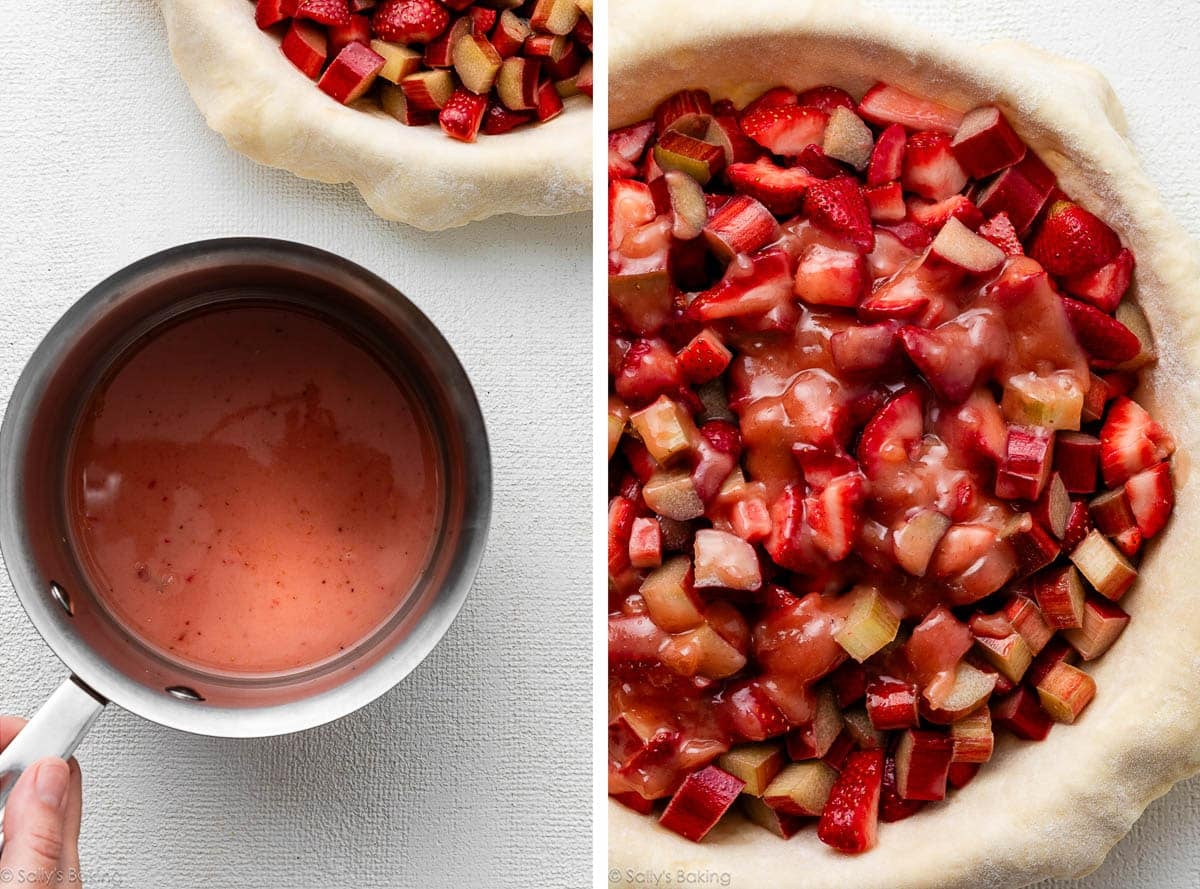
The inclusion of an optional stovetop pre-cooking step represents a significant advancement in preventing runny pie fillings. After combining the fruit with sugar, cornstarch, and a touch of orange juice, the mixture is allowed to rest. During this period, known as maceration, the sugar draws out moisture from the fruit via osmosis, creating a pool of flavorful juice at the bottom of the bowl. Instead of simply discarding this liquid or hoping the oven heat will sufficiently activate the cornstarch, the updated method advises transferring this juice to a small saucepan and reducing it over medium-low heat. This brief simmering process pre-activates the cornstarch, transforming the liquid into a syrupy concentrate before it’s reintroduced to the fruit and baked. This technique, also successfully applied in other fruit pie recipes such as cherry and blueberry peach pies, provides an extra layer of assurance, effectively eliminating the risk of a watery outcome.
"The art of pie making often lies in understanding the science behind the ingredients," remarks Dr. Eleanor Vance, a hypothetical food scientist specializing in baking dynamics at the Culinary Institute of America. "The stovetop reduction method is a brilliant application of starch gelatinization principles. It ensures the thickening process begins before the pie even enters the oven, compensating for variations in fruit ripeness and moisture content. This kind of detailed instruction is invaluable for consistent results, especially for home bakers who might not have access to professional ovens or specialized ingredients."
The Foundation: A Flaky, Buttery Crust
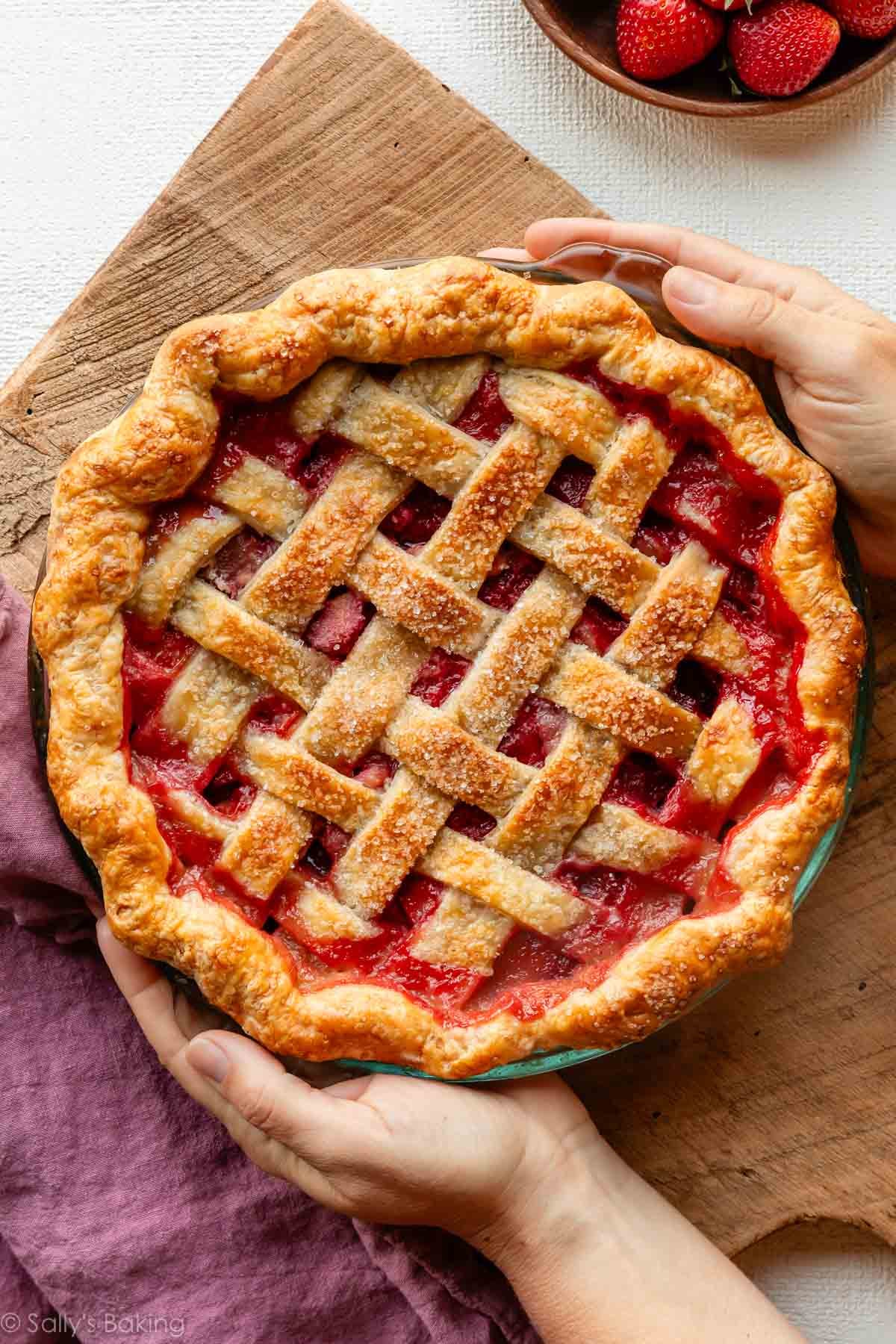
Beyond the filling, a pie’s crust is its structural and textural backbone. The updated recipe places significant emphasis on the quality of the pie crust, recommending an all-butter pie crust that yields both a sturdy base and a beautifully flaky top. The choice of an all-butter crust is a culinary statement, prioritizing flavor and delicate texture over the ease of working with shortening-based alternatives. While shortening can produce a very flaky crust due to its higher melting point and pure fat content, butter imparts a superior depth of flavor, a rich, golden hue, and a melt-in-your-mouth tenderness that many connoisseurs prefer. The market for premium butter, including European-style varieties with higher fat content, has seen consistent growth, indicating a consumer preference for quality ingredients in home baking.
The preparation of a successful pie crust is itself an art form, requiring attention to detail, particularly regarding temperature. Cold butter is paramount, as it creates pockets of steam during baking, which are responsible for the crust’s signature flakiness. The recipe’s recommendation to chill the dough for at least two hours before rolling out is a non-negotiable step, allowing the gluten to relax and the butter to firm up, making the dough easier to handle and contributing to its tender texture. For those seeking alternatives, a mixed butter and shortening crust is also suggested, offering a compromise between flavor and workability, leveraging shortening’s stability and butter’s flavor.
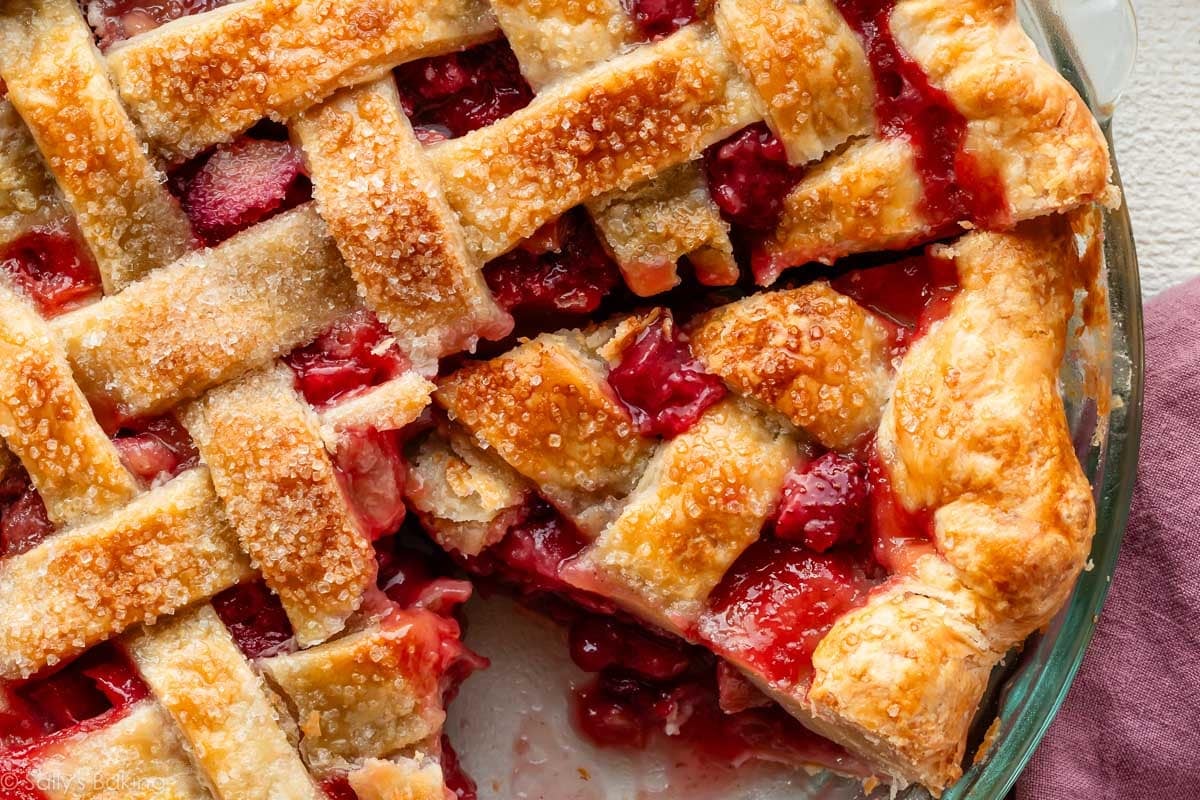
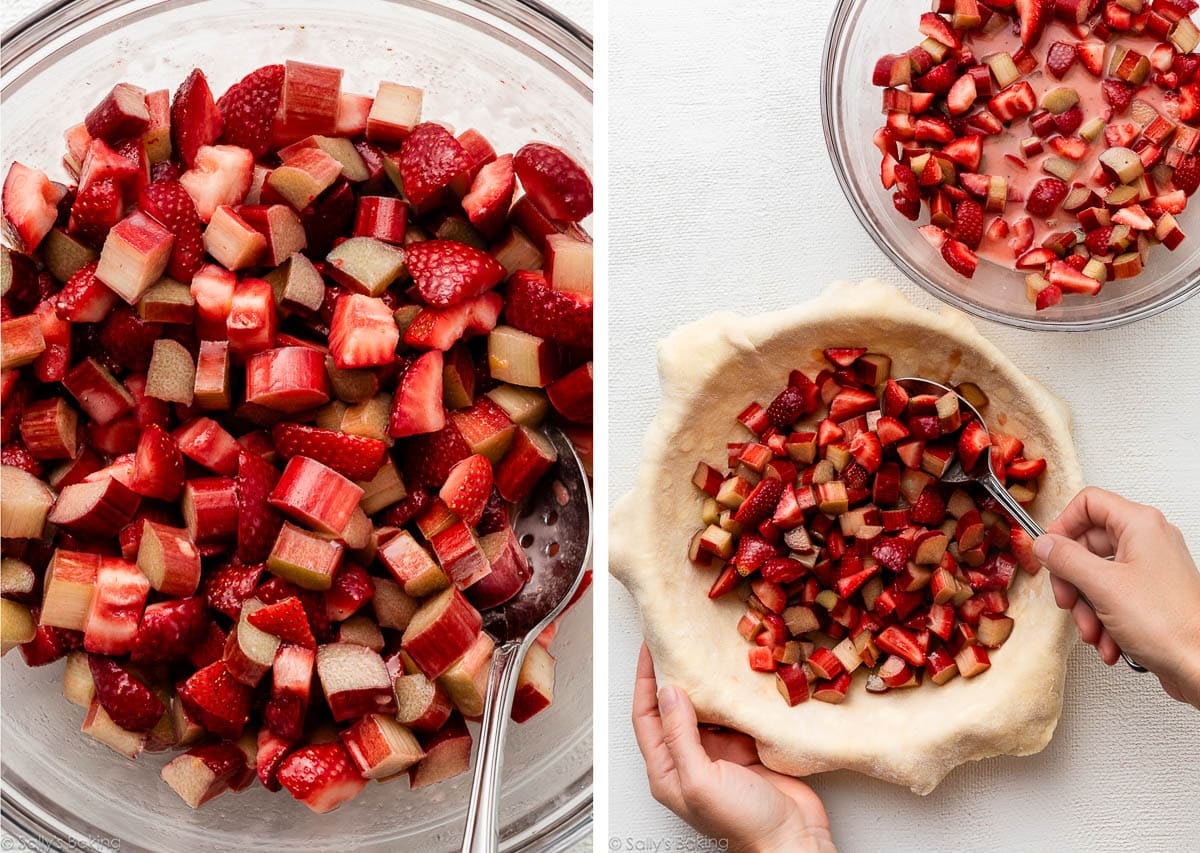
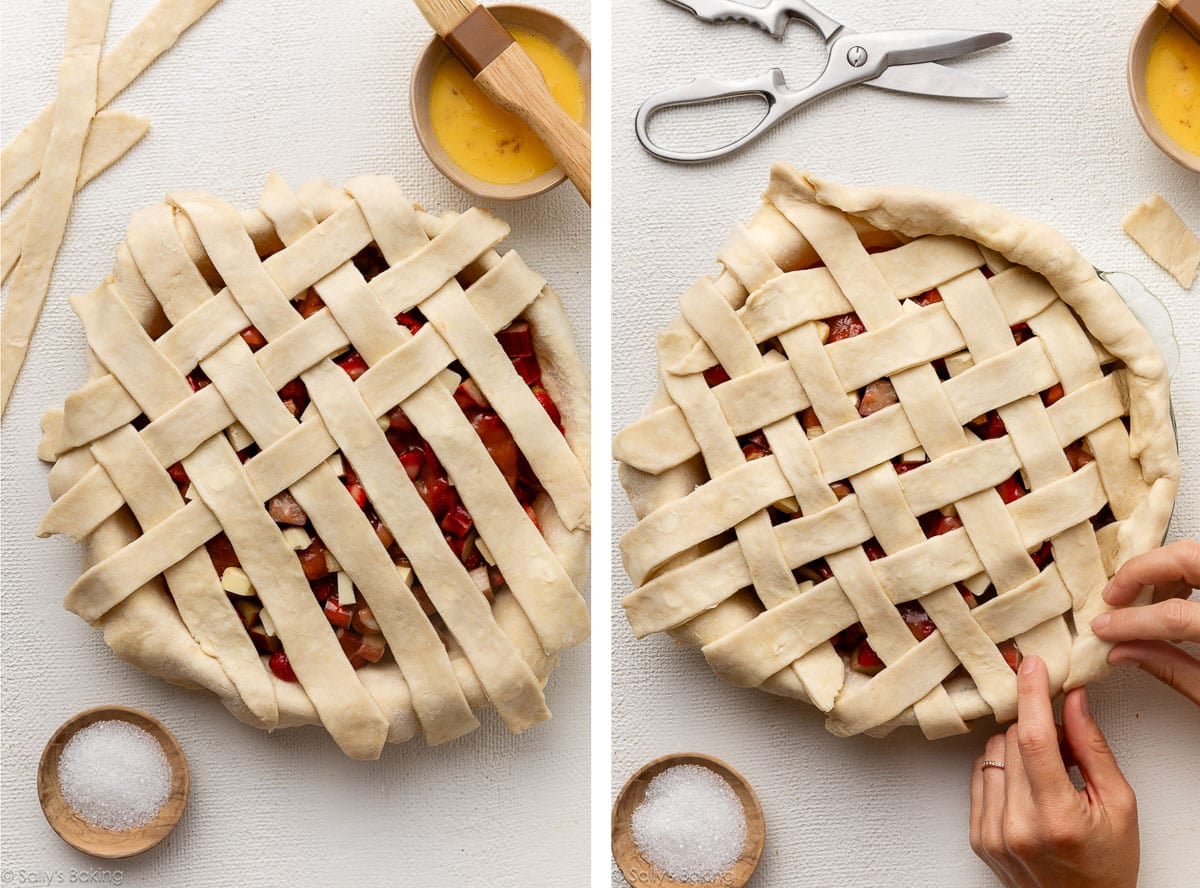
The visual appeal of the pie is further enhanced by the recommendation of a lattice top crust. Beyond its aesthetic charm, a lattice design serves a functional purpose: it allows steam to escape during baking, preventing the crust from becoming soggy and ensuring the filling thickens properly. For novice bakers, detailed tutorials on crafting a lattice crust are readily available on culinary blogs and video platforms, transforming a seemingly intricate technique into an achievable goal. The option to forgo a top crust in favor of a crumble topping also caters to varying preferences and skill levels, reflecting a flexible approach to classic baking, providing both textural contrast and ease of preparation.
Finishing Touches and Baking Precision
The journey to a perfect strawberry rhubarb pie culminates in the final preparation steps and precise baking parameters. An egg wash, a simple mixture of egg and water, is brushed over the top crust, contributing to a golden, glossy finish and aiding in browning. A sprinkle of coarse sugar not only adds a delightful textural crunch but also enhances the visual appeal, creating a sparkling, caramelized surface. These seemingly minor details significantly elevate the overall presentation and sensory experience of the pie, transforming it from a simple dessert into a culinary masterpiece.
The baking process itself is meticulously outlined, beginning with an initial high oven temperature of 400°F (204°C) for 20 minutes, followed by a reduction to 375°F (190°C) for the remainder of the baking time. This dual-temperature approach is a strategic move, serving multiple critical functions. The initial high heat rapidly sets the pie crust’s shape, preventing shrinkage, and crucially, kickstarts the activation of the cornstarch in the filling. As the pie bakes, the internal temperature of the filling must reach between 200–212°F (just about 100°C) for the starches to fully gelatinize and thicken. An instant-read thermometer is recommended for accuracy, eliminating guesswork and ensuring optimal results, a practice increasingly advocated by professional chefs and food safety experts.
Perhaps the most challenging, yet non-negotiable, final step is the cooling period. After emerging from the oven, the pie requires several hours, typically 3-4 hours at room temperature, to cool completely. During this critical time, the filling continues to thicken and set, transitioning from a bubbling, molten state to a firm, sliceable consistency. This process, known as retrogradation, involves the starch molecules re-aligning and forming a more stable gel structure. Cutting into the pie too soon, regardless of how perfectly it was baked, will inevitably lead to a runny filling. This patience, often tested by the alluring aroma of a freshly baked pie, is the ultimate secret to achieving a beautifully structured slice.
Broader Implications and the Future of Home Baking
The meticulous refinement of a classic recipe like strawberry rhubarb pie extends beyond individual kitchens; it reflects and influences broader culinary trends and societal shifts. The proliferation of detailed, user-friendly recipes on platforms like Sally’s Baking Addiction underscores the democratization of culinary expertise. No longer confined to expensive cookbooks or professional training, high-quality baking instruction is now readily accessible through blogs, videos, and social media, fostering a new generation of confident home bakers. This trend has been particularly evident in recent years, with a surge in interest in home cooking and baking, often fueled by global events that encouraged more time spent indoors. Market research firm NPD Group reported a significant increase in baking ingredient sales, with categories like flour and yeast seeing double-digit growth, reflecting this renewed enthusiasm.
This emphasis on seasonal ingredients also aligns with a growing movement towards sustainable and locally sourced food. By celebrating fruits like strawberries and rhubarb during their peak season, these recipes encourage consumers to engage with local farmers’ markets and support agricultural practices that prioritize freshness, minimize transportation footprints, and promote environmental stewardship. The cyclical nature of seasonal baking reinforces a connection to natural rhythms and the bounty of the earth, a practice lauded by environmental advocates and health-conscious consumers alike.
Furthermore, the act of baking itself offers significant psychological and social benefits. It provides a creative outlet, a sense of accomplishment, and a tangible way to express care for loved ones. In an increasingly digital world, the hands-on, sensory experience of baking serves as a grounding activity, fostering mindfulness and connection. Studies on the psychological benefits of cooking and baking have shown correlations with reduced stress and increased feelings of well-being. A well-executed pie becomes more than just a dessert; it transforms into a centerpiece for family gatherings, a gesture of hospitality, and a source of shared joy, strengthening community bonds one slice at a time.
The dedication to perfecting this strawberry rhubarb pie recipe, offering exhaustive tips and troubleshooting solutions, epitomizes the modern culinary blog’s role as both an educator and a community builder. It acknowledges the challenges home bakers face and provides the tools and knowledge to overcome them, ensuring that the timeless pleasure of a perfectly baked pie remains an accessible and rewarding experience for all. As rhubarb’s short season beckons, this updated recipe stands as a testament to the enduring magic of combining simple, seasonal ingredients with expert technique to create something truly extraordinary. It serves not just as a guide to baking a pie, but as an invitation to participate in a rich culinary tradition, one delicious slice at a time.