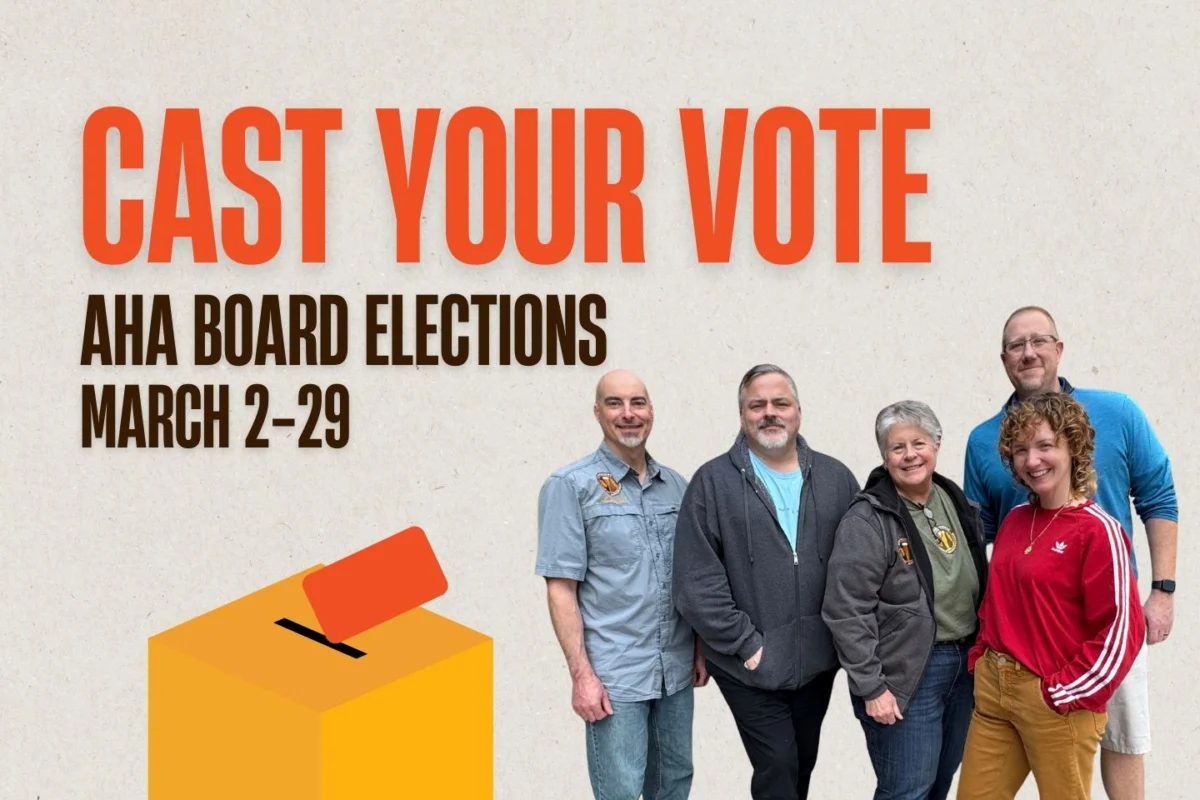

The American Homebrewers Association (AHA) has officially launched its 2026 Board of Directors election, marking a pivotal moment in the organization’s nearly fifty-year history. This election cycle is particularly significant as it coincides with the AHA’s comprehensive transition toward an independent governance model, a strategic move designed to ensure the long-term sustainability and autonomy of the world’s largest community of home fermentation enthusiasts. Active members of the association have been invited to cast their ballots between March 2 and March 29, 2026, to select the leaders who will navigate the organization through this transformative period.
The 2026 election features a slate of ten candidates, meticulously narrowed down from an initial pool of 28 applicants who responded to an open call for nominations earlier this year. These individuals represent a broad spectrum of the homebrewing community, including veteran hobbyists, industry professionals, and advocates for diversity and inclusion within the craft. The results of the popular vote are scheduled to be certified and announced on April 7, 2026, setting the stage for a new era of leadership within the association.
Strategic Transition and Board Composition
The backdrop of this election is the AHA’s multi-year shift toward organizational independence. Historically affiliated closely with the Brewers Association (BA), the trade group representing small and independent American craft brewers, the AHA is moving toward a self-governing structure. This transition, which began in earnest in 2025, necessitates a restructuring of the Board of Directors to provide both continuity and fresh perspectives.
To facilitate this evolution, the AHA has implemented a staggered term system. This ensures that the board does not experience a total turnover in a single year, which could jeopardize institutional knowledge during a sensitive period of administrative change. In the current 2026 cycle, four open board seats are up for election. These newly elected directors will join three existing founding directors who are continuing their terms. This expansion will increase the total board size from five to seven members, a move intended to provide a more robust deliberative body capable of handling the increased responsibilities of an independent non-profit entity.
The transition to independence is not merely administrative; it is a response to the changing landscape of the hobby. With homebrewing seeing shifts in demographics and a diversification of interests—ranging from traditional ales to mead, cider, and non-alcoholic fermentation—the AHA requires a governing body that can adapt to these trends while maintaining the financial health of the organization.
Chronology of the 2026 Election Cycle
The 2026 election process follows a strict timeline designed to ensure transparency and maximum member participation. The process began in late 2025 with the opening of nominations, during which any active member in good standing could submit their credentials for consideration.
- Late 2025 – January 2026: The open call for nominations saw 28 members apply for board positions. The nominating committee reviewed these applications based on a rubric of professional expertise, contribution to the homebrewing community, and alignment with the AHA’s strategic goals.
- February 2026: The Board of Directors finalized a slate of ten candidates. This "vetted slate" approach is common in professional associations to ensure that all individuals appearing on the ballot possess the necessary governance skills to manage a non-profit organization.
- March 2, 2026: Voting officially opened to the membership via a secure electronic balloting system.
- March 29, 2026: The voting window closes at 11:59 p.m. MT.
- March 30 – April 6, 2026: The AHA election committee and third-party auditors verify the results to ensure the integrity of the vote.
- April 7, 2026: The winners are announced to the public and the membership.
This timeline allows the incoming directors to be seated ahead of the primary summer events, including the National Homebrewers Conference, often referred to as "Homebrew Con," which serves as the association’s annual flagship gathering.
Candidate Selection and Governance Priorities
The selection of the ten-candidate slate was guided by the AHA Board Charter, which outlines the specific responsibilities and ethical standards required of directors. Unlike social clubs, the AHA Board functions as a fiduciary body. Candidates were evaluated on their ability to oversee multi-million dollar budgets, manage legal risks, and provide high-level strategic planning.
The 2026 priorities for the incoming board are centered on four pillars:
- Organizational Sustainability: Ensuring the AHA remains financially viable as it moves away from the shared resource model of the Brewers Association.
- Membership Growth and Retention: Reversing the industry-wide trend of plateauing membership by reaching younger and more diverse audiences.
- Event Excellence: Overseeing the continued success of the National Homebrew Competition (NHC), the world’s largest amateur brewing competition, and Homebrew Con.
- Legal and Legislative Advocacy: Continuing the AHA’s legacy of protecting the rights of homebrewers at both the federal and state levels, including issues related to the transport of homebrew and the legality of home distillation.
Supporting Data and the State of Homebrewing
The 2026 election arrives at a time when the homebrewing movement is undergoing a "maturation phase." According to historical data from the AHA, the number of homebrewers in the United States peaked during the mid-2010s, following the 2013 milestone when homebrewing became legal in all 50 states (with Alabama and Mississippi being the last to harmonize their laws).
Current estimates suggest there are roughly 1.1 million homebrewers in the U.S., who collectively produce more than 1.4 million barrels of beer annually. This community contributes significantly to the economy, supporting hundreds of dedicated homebrew supply shops and providing a talent pipeline for the professional craft brewing industry. Data indicates that approximately 90% of professional brewers began their careers as homebrewers.
However, the association has noted that the profile of the average homebrewer is changing. There is an increasing interest in "small-batch" brewing and specialized techniques like "all-grain" brewing versus extract brewing. The 2026 Board will be tasked with using this data to tailor membership benefits, such as Zymurgy magazine content and digital resources, to meet these evolving needs.
Official Perspectives and Community Impact
While the AHA maintains a neutral stance during the voting period to avoid influencing the outcome, leadership has emphasized the gravity of this particular election. In communications to the membership, the association stated that a "strong Board reflects diverse experience working together in the service of AHA’s future."
Inferred reactions from the broader homebrewing community suggest a mix of anticipation and scrutiny. Long-time members have expressed a desire for the board to remain focused on the grassroots "hobbyist" roots of the organization, while newer members often advocate for more modern digital platforms and inclusive community spaces.
The transition to independence is viewed by analysts as a "coming of age" for the AHA. By becoming a standalone entity, the association can more aggressively pursue partnerships and sponsorships that might have previously conflicted with the Brewers Association’s trade-group mission. This independence allows the AHA to prioritize the individual hobbyist over the commercial interests of small breweries, though the two remain naturally linked.
Analysis of Implications for the Future
The outcome of the 2026 election will likely dictate the AHA’s trajectory for the remainder of the decade. If the membership elects a board focused on fiscal conservatism, the organization may see a period of consolidation and cost-cutting to build a robust independent reserve fund. Conversely, a board focused on expansion may invest heavily in digital infrastructure and international outreach to grow the membership base.
One of the most critical challenges for the new board will be the management of the National Homebrew Competition. As the costs of logistics and venue rentals rise, the board must balance the prestige and scale of the competition with the need for it to be a revenue-neutral or revenue-positive endeavor. Furthermore, the board will need to address the "graying" of the hobby by creating pathways for younger enthusiasts to engage with the association beyond just digital content.
As the voting period progresses, the AHA continues to urge its members to review the candidate biographies and vision statements. The association’s bylaws, which govern the election procedure, ensure that every active member has an equal voice in determining the leadership.
The 2026 election is more than a routine administrative task; it is a referendum on the future of homebrewing in America. As the AHA celebrates its heritage and looks toward a future of independent governance, the involvement of its members remains the primary driver of its success. The results on April 7 will not only reveal the names of four new directors but will also signal the strategic direction of an organization that has been the heartbeat of the homebrewing community since 1978.