
The American Homebrewers Association (AHA) has officially released the January/February 2026 edition of Zymurgy, its flagship publication dedicated to the art and science of home fermentation. This latest installment serves as a comprehensive guide for the modern hobbyist, bridging the gap between amateur experimentation and professional excellence. The issue is anchored by the announcement of the annual Pro-Am Competition medal winners, an event that represents the pinnacle of collaboration within the craft beer community. Beyond the competition results, the magazine explores the historical trajectory of legacy breweries, the technical evolution of the West Coast IPA, and an intriguing look at the burgeoning brewing scene in Mongolia.
As the craft beer industry continues to navigate a landscape defined by both innovation and a return to tradition, the January/February 2026 issue of Zymurgy provides critical insights into how these trends are manifesting at the grassroots level. With eleven curated recipes and technical deep dives into brewing hardware, the publication remains a vital resource for the estimated 1.1 million homebrewers currently active in the United States.
The Pro-Am Competition: A Bridge Between Two Worlds
The centerpiece of the new issue is the detailed coverage of the Pro-Am Competition medal winners. Historically held in conjunction with the Great American Beer Festival (GABF), the Pro-Am Competition is unique in the brewing world. It requires a professional brewery to team up with an AHA member to scale up the amateur’s award-winning recipe for commercial production.
The 2026 results highlight a growing sophistication in homebrew recipes. According to competition data, the entries this year showed a marked increase in technical complexity, with a particular focus on traditional European lagers and experimental wood-aged hybrids. Winning a Pro-Am medal is often a career-defining moment for homebrewers; many past winners have used the accolade as a springboard to open their own commercial breweries.
Industry analysts note that the Pro-Am competition serves as an essential R&D pipeline for the craft beer industry. By allowing professional brewers to experiment with small-batch concepts proven by homebrewers, the competition minimizes the financial risk of innovation. The January/February issue provides the full list of gold, silver, and bronze recipients, offering readers a glimpse into the specific techniques and ingredient profiles that caught the judges’ palates this year.
The Evolution of the West Coast IPA: From 1990s Roots to Modern Refinement
A significant portion of the current issue is dedicated to the evolution of the West Coast IPA, a style that has defined American craft beer for over three decades. Zymurgy traces the lineage of this hop-forward category from its aggressive, bitter origins in the early 1990s to the more nuanced, "modern" West Coast IPAs of the mid-2020s.

The article provides a technical breakdown of how brewing methods have shifted. While the original West Coast IPAs relied heavily on high bitterness (IBUs) and a sturdy malt backbone, contemporary versions emphasize "biotransformation" and late-addition hopping to maximize aroma while maintaining a crisp, dry finish. The magazine highlights the shift from classic "C-hops" (Cascade, Centennial, Columbus) to modern cultivars that offer profiles of diesel, tropical fruit, and white wine.
This retrospective comes at a time when the "Clear Beer" movement is regaining momentum. After years of dominance by the Hazy or New England IPA, many brewers—both professional and amateur—are returning to the clarity and structural integrity of the West Coast style. The inclusion of recipes in this issue reflects this trend, providing homebrewers with the ratios and water chemistry profiles needed to achieve the "shatteringly crisp" finish characteristic of the modern iteration.
Global Frontiers: The Rise of Craft Brewing in Mongolia
In one of its most ambitious international features to date, Zymurgy takes readers to Mongolia to explore an emerging craft beer culture in Ulaanbaatar and beyond. While Mongolia is traditionally associated with airag (fermented mare’s milk), a small but dedicated group of brewers is adapting Western brewing techniques to the local climate and ingredient availability.
The feature examines the logistical hurdles of brewing in one of the world’s most landlocked and climatically extreme nations. Brewers in Mongolia often face significant challenges in sourcing high-quality malt and hops, leading to innovative uses of local grains and wild-foraged adjuncts. This global perspective reinforces the AHA’s mission to document the universal appeal of fermentation and the adaptability of the hobby across different cultures and geographies.
Technical Innovations and the "Gadgetry" of Modern Homebrewing
The January/February 2026 issue also addresses the rapid technological advancements in homebrewing hardware. The "brewing gadgets" segment focuses on the democratization of laboratory-grade equipment for the home user. This includes affordable digital refractometers, automated temperature control systems, and Wi-Fi-enabled hydrometers that allow for real-time fermentation tracking via smartphone.
The magazine’s analysis suggests that the "gadgetification" of the hobby has led to a measurable increase in beer quality among amateurs. By removing much of the guesswork associated with fermentation temperatures and gravity readings, these tools allow brewers to focus more on recipe development and artistic expression. However, the issue also includes a cautionary perspective, reminding readers that while technology can assist, it cannot replace the fundamental sensory skills and sanitation practices required for world-class beer.
Legacy Breweries and the Preservation of Craft History
As the American craft beer market matures, the concept of the "legacy brewery" has become increasingly relevant. Zymurgy explores the stories of breweries that have survived for twenty-five years or more, analyzing the factors that contribute to their longevity in a volatile market.
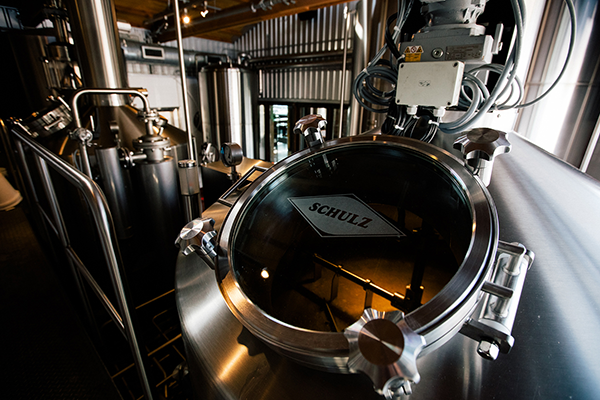
The article posits that legacy breweries—such as Sierra Nevada, Bell’s, and Deschutes—provide the foundational "mother recipes" that many homebrewers first attempt to clone. By interviewing veteran brewmasters, the issue uncovers the philosophies of consistency and quality control that have allowed these institutions to remain relevant despite shifting consumer preferences. This section serves as both a historical record and a masterclass in brewery management and brand endurance.
Editorial Leadership and the Vision of Dave Carpenter
Under the guidance of Editor-in-Chief Dave Carpenter, Zymurgy has continued to evolve its editorial voice. Carpenter, who began his brewing journey in 2009, brings a blend of technical expertise and a passion for the cultural narratives surrounding beer. His tenure has been marked by an effort to make the magazine more accessible to beginners while maintaining the high-level technical content that long-term AHA members expect.
In his communications regarding the 2026 issues, Carpenter emphasizes the importance of community. The magazine is not merely a collection of recipes but a hub for "homebrew activism," advocating for the legal rights of homebrewers and supporting the network of local homebrew clubs that form the backbone of the hobby.
Broader Impact and Implications for the Fermentation Industry
The release of this issue comes at a critical juncture for the homebrewing industry. After a period of explosive growth in the early 2010s, the hobby has seen a stabilization in recent years. Publications like Zymurgy are essential for maintaining engagement by highlighting the ongoing professionalization of the amateur sphere.
The Pro-Am results, in particular, serve as a barometer for the health of the industry. When homebrewers succeed on a commercial scale, it validates the educational resources provided by the AHA and reinforces the notion that the line between "amateur" and "professional" is increasingly blurred. Furthermore, the focus on international brewing in places like Mongolia suggests that the next wave of innovation in the craft sector may come from unexpected global sources.
For the American Homebrewers Association, the January/February 2026 issue of Zymurgy is a statement of intent. It reaffirms the organization’s commitment to scientific rigor, historical preservation, and the global expansion of brewing knowledge. As readers dive into the eleven new recipes and the wealth of technical data provided, they are participating in a tradition that has shaped the modern beer landscape for nearly half a century.
The magazine is available to AHA members in both print and digital formats, with a free online preview offered to the general public to encourage new memberships. As the hobby continues to adapt to new technologies and global influences, Zymurgy remains the definitive record of the homebrewer’s journey.