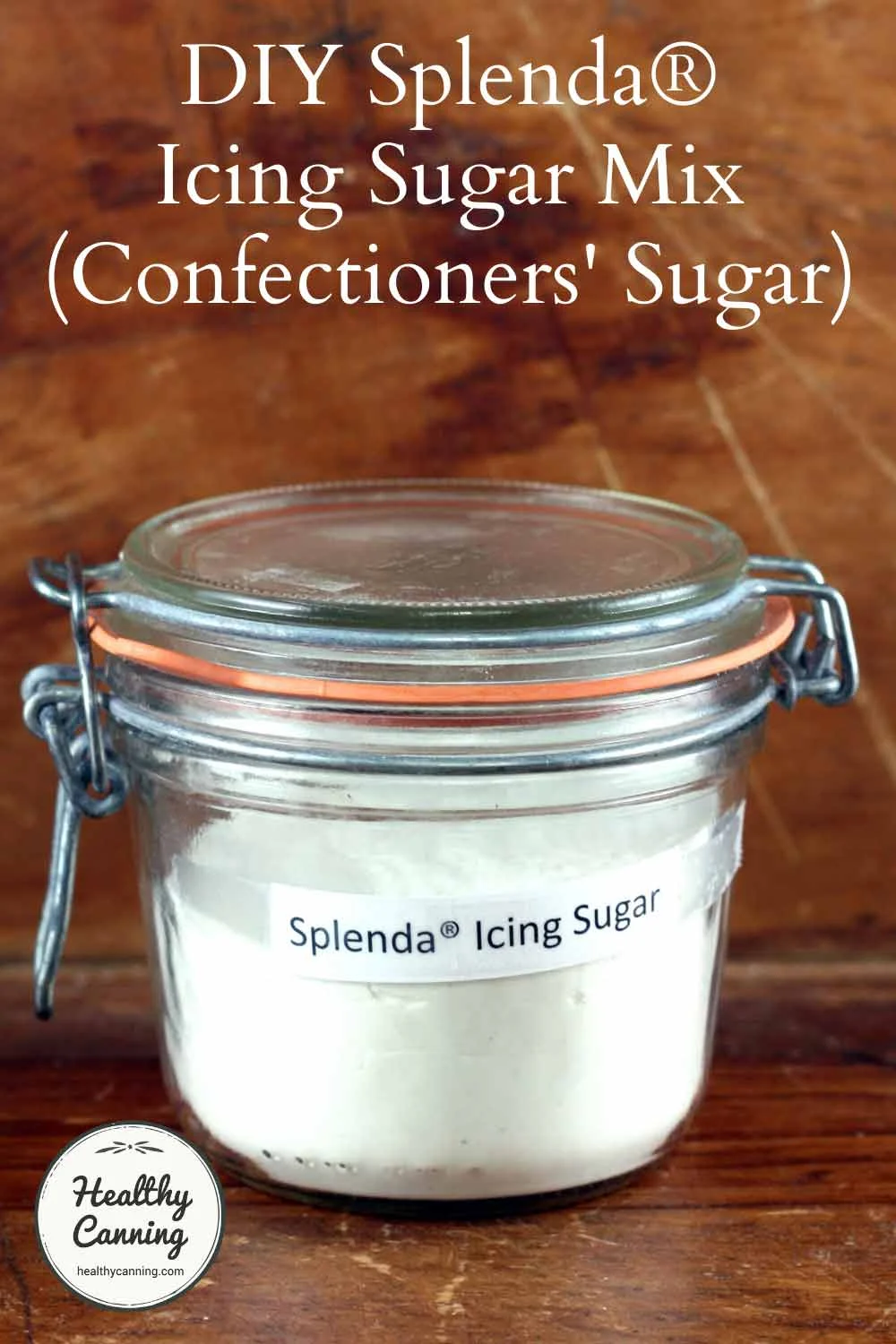

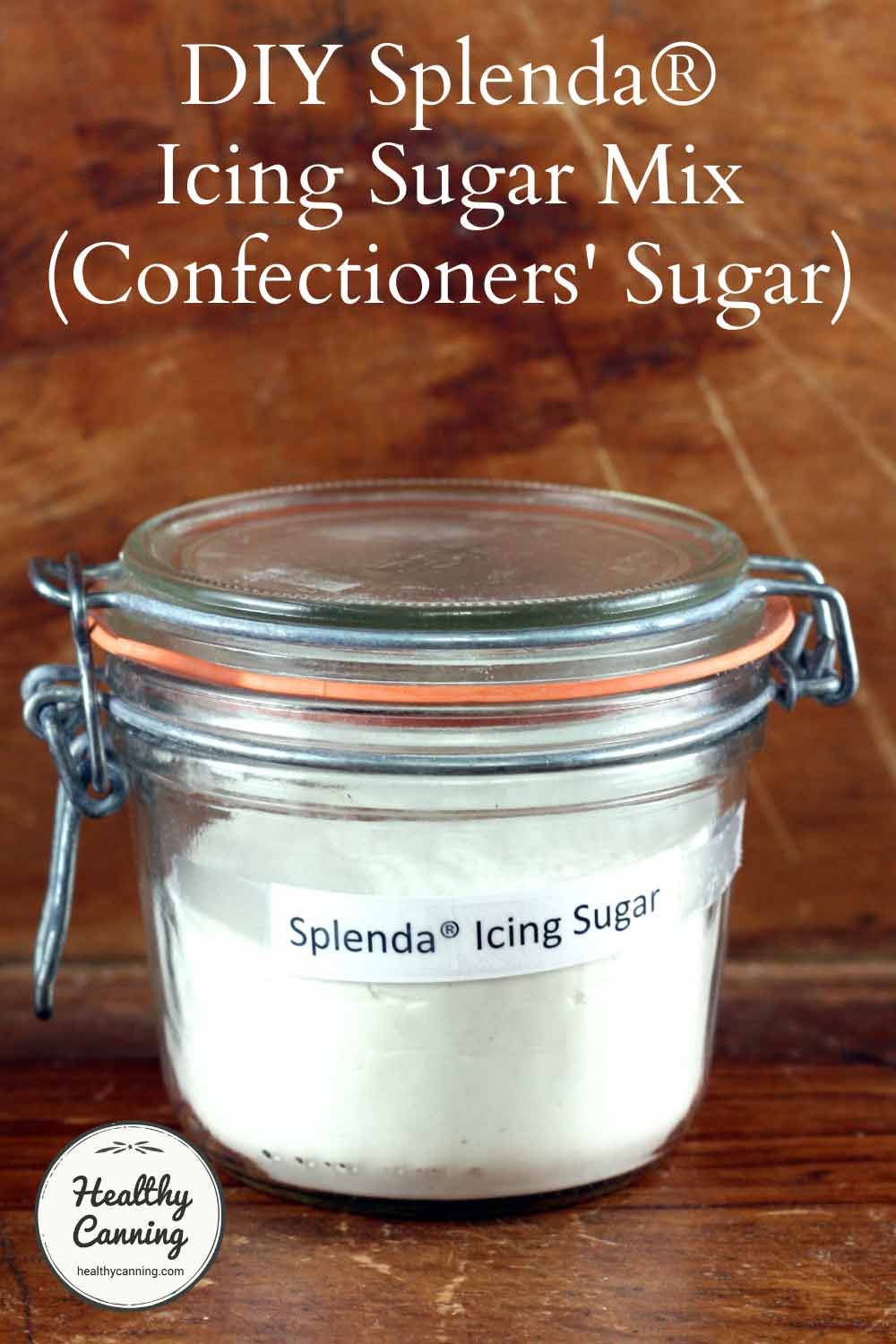
Baking enthusiasts looking to reduce their daily caloric intake or manage blood sugar levels now have an accessible kitchen technique to replicate commercial confectionery staples at home. By utilizing granulated sucralose or brand-name Splenda, home bakers can easily produce a powdered sugar alternative tailored for guilt-free glazes, sweet drizzles, and delicate dessert toppings. This culinary method addresses a long-standing challenge for individuals managing diabetes or adhering to calorie-restricted diets who frequently find traditional baking aisles lacking in specialized, low-sugar ingredients like powdered confectioner’s sweetener.
The Rise of Diabetic-Friendly Baking Alternatives
The commercial baking industry has undergone a significant transformation over the past two decades, driven by a growing public health focus on metabolic health, obesity reduction, and diabetes management. According to the International Diabetes Federation, hundreds of millions of individuals worldwide live with diabetes, a condition that requires strict carbohydrate and glycemic monitoring. While granulated sugar substitutes have flooded supermarket shelves, offering direct replacements for standard table sugar in coffee, tea, and basic recipes, specialized formats such as confectioner’s or icing sugar have historically remained scarce or prohibitively expensive in alternative formulations.
Traditional icing sugar—finely pulverized white cane sugar blended with a small amount of anti-caking starch—is essential for smooth, non-gritty icings, glazes, and frostings. Because standard artificial sweeteners do not naturally crystallize or mill into fine powders the same way sucrose does, manufacturers have struggled to produce reliable, cost-effective powdered alternatives on a mass scale. Consequently, home cooks have pioneered do-it-yourself techniques, utilizing household kitchen appliances to transform granulated sugar alternatives into the fine dust required for professional-looking baked goods.

Step-by-Step Methodology: Crafting the DIY Mix
Creating a consistent, fine powdered sweetener at home requires specific processing techniques to prevent clumping and ensure an even texture. The process centers on mechanical pulverization, transforming standard granulated sucralose into a powdery medium that dissolves instantly in liquid ingredients.
Culinary experts recommend preparing the base mix in manageable quantities. Processing one to two cups (approximately 25 to 50 grams) of granulated sweetener at a time in a high-powered blender or food processor yields the optimal texture. Overfilling the blending vessel often results in an uneven grind, leaving coarser granules that create a gritty mouthfeel in the final glaze.
While the dry mix can be easily doubled or tripled to accommodate larger baking projects, adhering to small-batch blending guarantees uniform results. Once processed, the resulting fine powder yields approximately two cups (150 grams) of plain icing sugar substitute, providing enough dry mix for four standard batches of dessert glaze.
Transforming the Mix into a Versatile Glaze
Unlike heavy buttercream frostings that rely on high fat and sugar volumes to achieve structural stability, the Splenda-based icing mix produces a fluid, glossy glaze suitable for cakes, cupcakes, brownies, and pastries.
To prepare a single batch of icing, home bakers combine the prepared powdered mix with minimal liquid components. Standard formulations incorporate a fat source—such as a low-fat or light margarine to keep caloric footprints exceptionally low—alongside water and a dash of vanilla extract. For those preferring a richer profile, traditional butter can be substituted, though this adjustments alters the overall energy density of the finished product.
Nutritional profiling indicates that a single batch of glaze prepared with light margarine contains approximately 35 calories, whereas a butter-based variant reaches roughly 102 calories. This stark contrast highlights the flexibility of the recipe for calorie-conscious consumers. Furthermore, the preparation method requires minimal equipment; culinary tests demonstrate that a standard kitchen fork achieves the same smooth incorporation as an electric hand mixer, eliminating the need for specialized appliances.
Customization options extend beyond basic vanilla glazes. Bakers can easily introduce one teaspoon of unsweetened cocoa powder during the liquid-mixing phase to produce a chocolate glaze. Alternative flavor extracts—such as almond, lemon, or butterscotch—alongside food colorings, allow for wide-ranging culinary creativity without compromising dietary restrictions.
Broader Nutritional Implications and Market Impact
The widespread adoption of DIY sugar-alternative techniques reflects a broader cultural shift toward kitchen resourcefulness and personalized nutrition. As food inflation and supply chain fluctuations continue to impact specialty grocery items, consumers increasingly rely on adaptable kitchen hacks to meet dietary needs without incurring premium costs.

Nutritionists and registered dietitians generally view homemade sweetener modifications favorably, provided consumers understand the functional differences between sugar and sugar substitutes. While traditional cane sugar contributes structural volume, moisture retention, and browning properties to baked goods, high-intensity sweeteners like sucralose do not caramelize or provide structural bulk. Consequently, recipes utilizing DIY icing sugar mixes are best reserved for top-coat glazes and surface drizzles rather than structural frostings.
Public health advocates note that empowering individuals to produce specialized dietary components at home removes significant barriers to adherence for chronic disease patients. By making celebratory foods and baked treats accessible to diabetics and those monitoring carbohydrate intake, such culinary adaptations support long-term dietary compliance without requiring individuals to completely abandon traditional eating habits.
As home economics and culinary science continue to intersect through digital platforms, recipes for alternative baking staples are expected to remain popular fixtures in modern domestic kitchens, bridging the gap between indulgence and nutritional health.