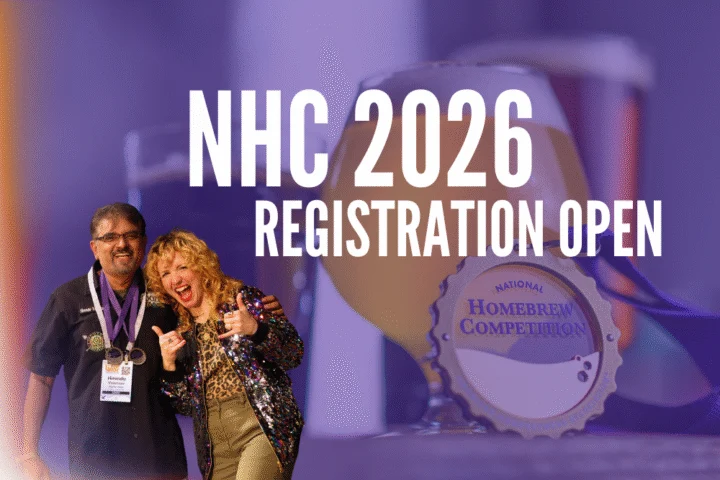

The American Homebrewers Association (AHA) has officially announced the opening of registration for the 2026 National Homebrew Competition (NHC), marking the 48th installment of what remains the world’s largest and most prestigious stage for amateur fermentation. Established in 1979, the competition has served as a cornerstone of the craft beer movement, providing a rigorous platform for hobbyists to have their beer, cider, and mead evaluated by some of the most qualified palates in the industry. As of early February 2026, the registration window is active, with a firm closing date set for February 25, 2026, at 8:00 AM Mountain Time.
This year’s competition arrives at a pivotal moment for the homebrewing community, which has seen a resurgence in technical interest following several years of shifting hobbyist trends. Since its inception nearly half a century ago, the NHC has processed and judged more than 170,000 entries, a staggering figure that underscores the enduring appeal of the craft. For the 2026 cycle, the competition continues its partnership with the Beer Judge Certification Program (BJCP), ensuring that every entry is evaluated against international style guidelines by certified experts.
The 2026 Competition Framework and Logistics
The National Homebrew Competition is structured as a two-tier event designed to manage the massive volume of entries while maintaining high standards of integrity. The 2026 iteration features nine First Round judging sites distributed across the United States. While the specific locations serve as regional hubs, the AHA allows brewers to select their preferred site regardless of geographical proximity, provided the location has not yet reached its capacity.
Each First Round location is capped at 750 entries. Historically, popular sites reach this limit well before the final registration deadline, prompting organizers to urge participants to secure their spots early. The First Round judging process is comprehensive, involving multiple panels of BJCP-certified judges, Cicerones, and experienced community evaluators. Every entrant receives a detailed scoresheet, providing professional feedback on the technical execution, aroma, appearance, flavor, and mouthfeel of their submission.
The path to the podium requires brewers to excel in the First Round to earn a spot in the Final Round. Only those entries awarded Bronze, Silver, or Gold in their respective categories advance to the finals. This secondary stage of the competition is held in conjunction with Homebrew Con, the AHA’s annual national conference. In 2026, the final judging and the subsequent awards ceremony will take place in Asheville, North Carolina, a city frequently cited as one of the premier "Beer Cities" in the United States.
A Chronology of the 2026 Competition Cycle
The timeline for the 2026 National Homebrew Competition is structured to accommodate the logistics of shipping, cold storage, and organized judging sessions across eleven total events (nine regional rounds, one final round, and the awards ceremony).
- Registration Period (February 3 – February 25, 2026): Brewers must register their entries and pay the required fees via the Brewing Application Portal (BAP). Membership in the American Homebrewers Association is a prerequisite for entry.
- First Round Receiving and Judging (March – April 2026): Entries are shipped to the nine designated regional sites. Judging dates vary by location, but the process is generally completed by mid-April.
- Advancement Notification (By May 1, 2026): Entrants who have successfully placed in the top three of their categories will be notified of their advancement to the Final Round.
- Final Round Shipping (May 2026): Finalists must ship fresh samples of their winning recipes to the central judging location in Asheville, NC.
- Homebrew Con and Awards Ceremony (June 2026): The culmination of the event occurs in Asheville, where the final judging determines the national champions. The awards ceremony is a highlight of the conference, often broadcast to a global audience of brewing enthusiasts.
Historical Significance and Data Analysis
The NHC is more than a contest; it is a historical record of the evolution of American taste. When the competition began in 1979, the American beer landscape was dominated by a handful of mass-produced light lagers. The inaugural NHC provided a rare space for the exploration of forgotten European styles and experimental American iterations.
Data from the past 47 years reveals significant shifts in brewing trends. In the 1980s and 1990s, the competition saw a dominance of traditional English Ales and German Lagers. By the 2000s, the American IPA category became the most entered and most competitive segment. Recent years have seen a surge in specialized categories, including Wood-Aged Beers, Sours, and alternative grain beverages like mead and cider.
The 170,000 entries judged since 1979 represent an immense body of data regarding ingredient usage, yeast performance, and fermentation techniques. The feedback provided by the BJCP has been credited by many commercial brewmasters as the primary catalyst for their professional success. Icons of the craft beer industry, including Ken Grossman of Sierra Nevada Brewing Co. and Sam Calagione of Dogfish Head Craft Brewery, have roots tied to the homebrewing culture fostered by the AHA.
Technical Standards and the Role of the BJCP
The integrity of the National Homebrew Competition rests on its judging standards. The Beer Judge Certification Program (BJCP) provides the framework for evaluation. Judges are required to pass rigorous examinations that test their ability to identify off-flavors, understand brewing chemistry, and distinguish between subtle stylistic nuances.
For the 2026 competition, the use of the Brewing Application Portal (BAP) will continue to streamline the feedback process. This digital transition allows brewers to receive their scoresheets more rapidly after the conclusion of First Round judging. The feedback is often cited as the most valuable aspect of the competition for hobbyists, as it offers an objective assessment of their technical skills and helps identify areas for improvement in their brewing process.
Official Responses and Community Impact
While official statements from the AHA leadership emphasize the "spirit of friendly competition," the underlying impact of the NHC is deeply economic and educational. "The National Homebrew Competition is the ultimate benchmark for brewers to see how their fermentations stack up against the best in the world," the organization noted in its call for entries. "It is a celebration of the creativity and technical proficiency that defines our community."
Industry analysts point out that the NHC serves as a vital pipeline for the commercial craft beer sector. Many of the Gold Medal winners in the amateur ranks eventually transition to professional brewing, bringing with them a high level of technical discipline. Furthermore, the competition drives significant consumer spending on brewing equipment, ingredients (such as specialized hops and malts), and laboratory services.
The selection of Asheville, North Carolina, as the host for the 2026 Final Round and Homebrew Con is seen as a strategic move to engage the vibrant brewing community of the American Southeast. Asheville’s high density of breweries and its reputation for beer tourism make it an ideal backdrop for the 48th anniversary of the event. Local officials expect the influx of homebrewers in June to provide a notable boost to the regional hospitality sector.
Broader Implications for the Fermentation Industry
The 2026 NHC also reflects broader cultural shifts toward DIY production and artisan craftsmanship. As consumers become more interested in the provenance of their food and beverages, homebrewing offers a direct way to engage with the science of fermentation. The inclusion of cider and mead categories highlights the diversifying interests of the AHA membership, moving beyond malt-based beverages to explore honey and fruit-based fermentations.
Moreover, the competition’s emphasis on "community judges" alongside certified professionals ensures that the event remains grounded in the grassroots culture of the hobby. By involving local brewing clubs and experienced hobbyists in the First Round, the AHA maintains a connection to the social fabric of the brewing world.
As registration continues through February 25, the brewing community looks toward Asheville with anticipation. The 48th National Homebrew Competition is not merely a search for the best beer in America; it is a testament to the resilience and innovation of a hobby that changed the global beverage landscape. With 11 events scheduled across the country and thousands of entries expected, the 2026 cycle is poised to add another significant chapter to the history of homebrewing.
For those interested in participating, the AHA reminds potential entrants that membership must be active at the time of registration. The organization also provides resources via its online forums, where the Competition Chair and Deputy Chair offer guidance on category selection and shipping logistics. As the deadline approaches, the focus for thousands of brewers shifts from the kettle to the bottle, as they prepare their best work for the world’s most rigorous evaluation.