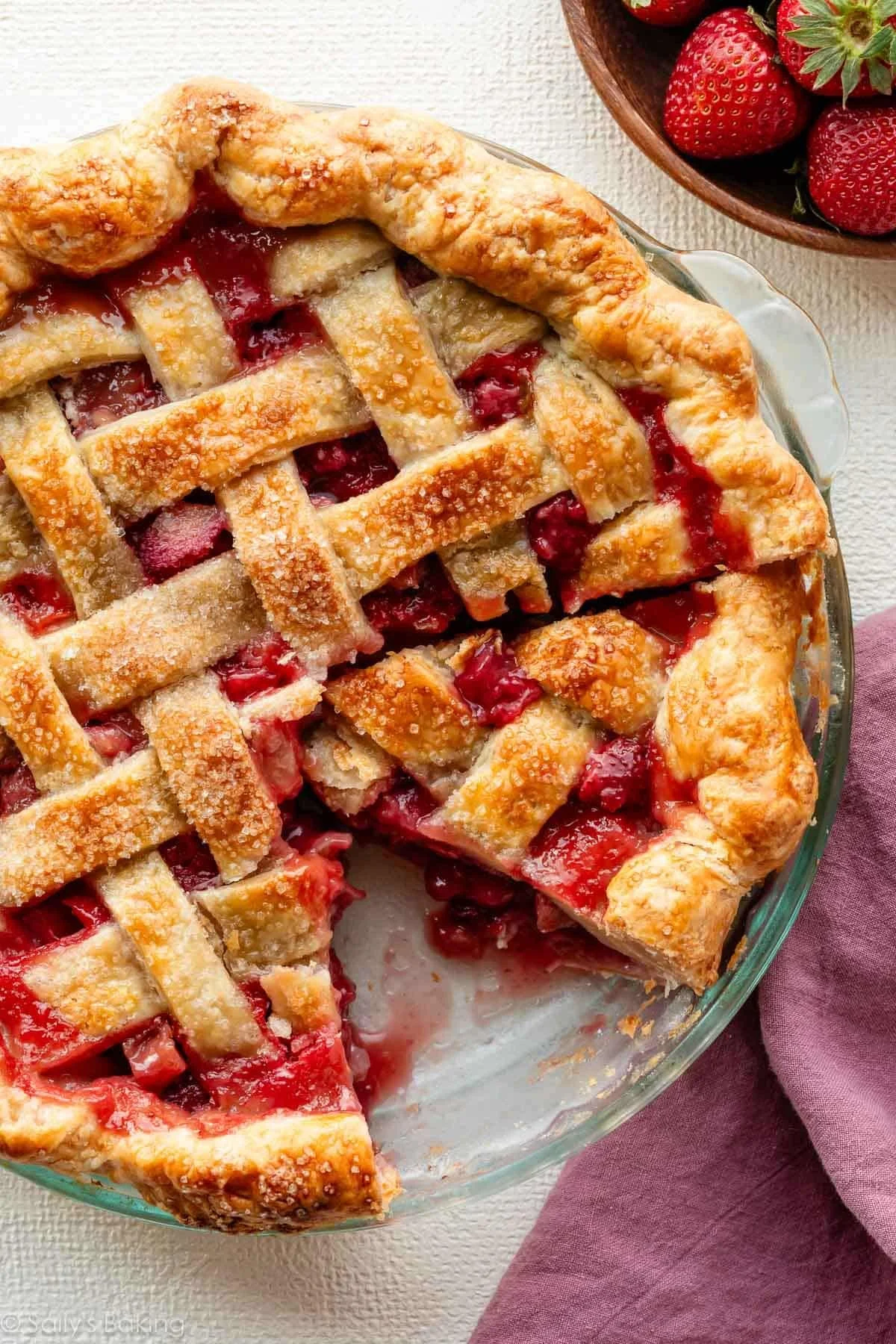

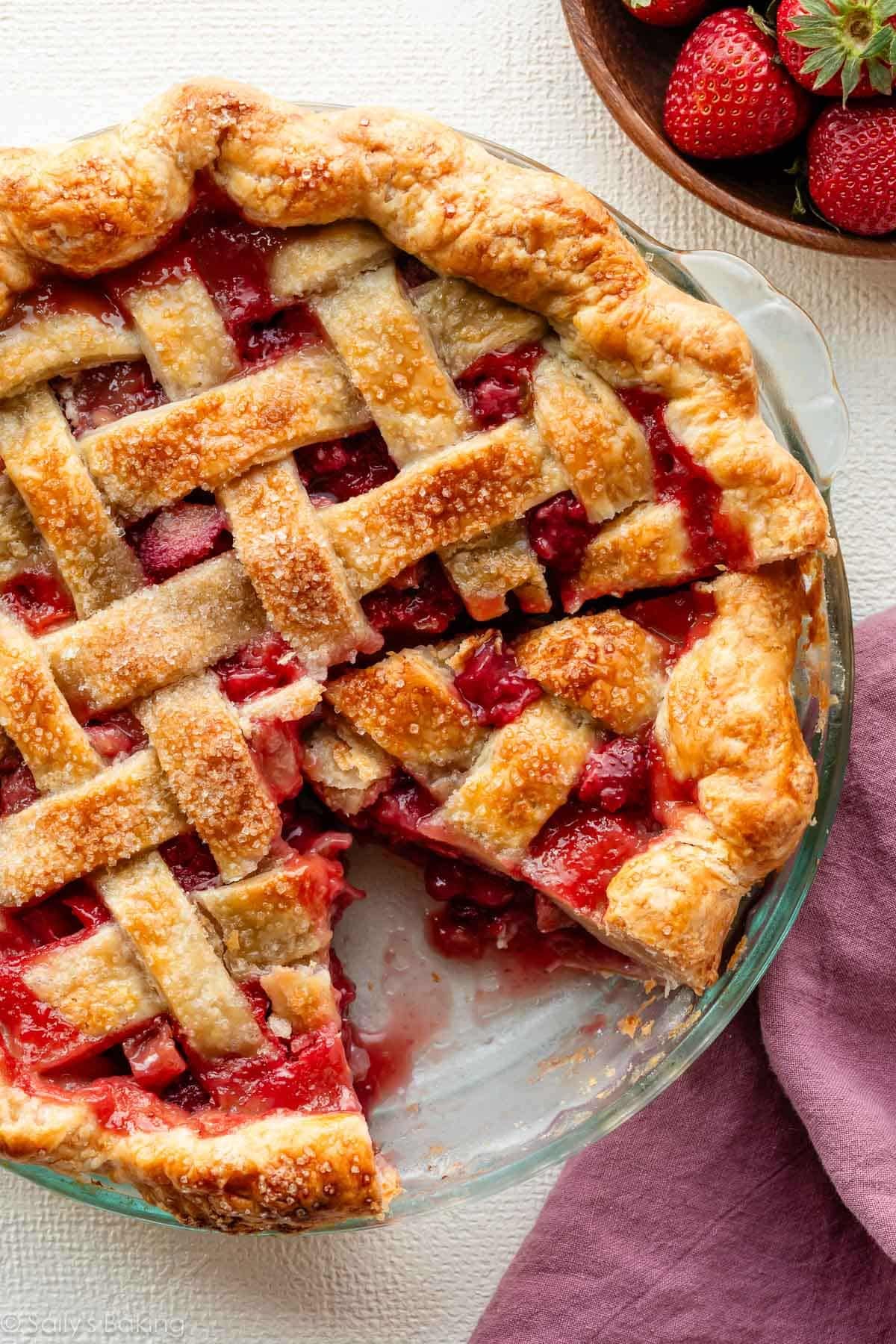
In a significant development for home bakers, Sally’s Baking Addiction, a leading online culinary resource, has released a comprehensively updated version of its highly popular Strawberry Rhubarb Pie recipe. First published in 2016, this quintessential spring and summer dessert has undergone a meticulous refinement process, introducing critical success tips, new visual aids, and an optional stovetop pre-cooking step designed to address the common challenge of a runny pie filling. The revised recipe promises a consistently thick, jammy interior encased in a perfectly flaky, all-butter crust, ensuring every slice holds its shape beautifully and delivers an optimal balance of sweet and tart flavors. This enhancement underscores the platform’s commitment to elevating the home baking experience, transforming a beloved classic into a virtually foolproof endeavor.
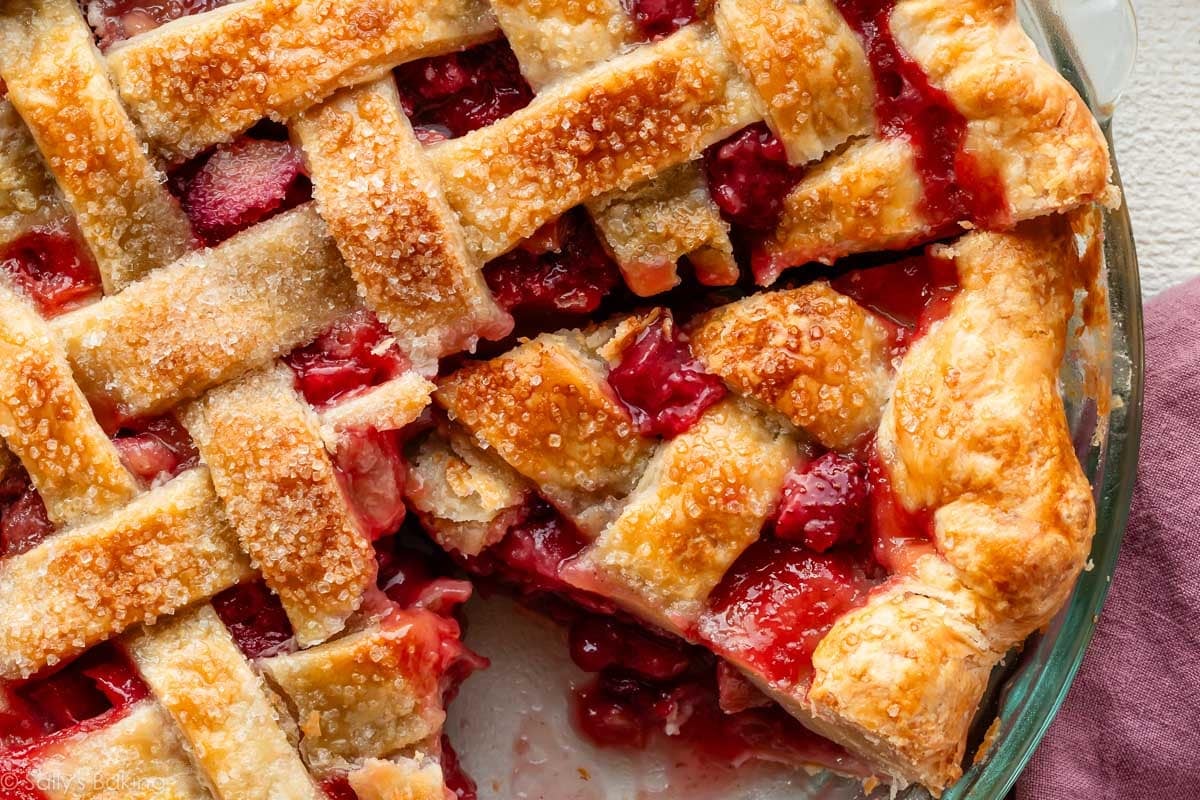
The Enduring Appeal and Culinary Context of Strawberry Rhubarb Pie
Strawberry rhubarb pie holds a cherished place in the pantheon of seasonal desserts, symbolizing the transition from spring to summer. The combination of succulent, sweet strawberries and the vibrant, tart stalks of rhubarb creates a unique flavor profile that is both nostalgic and refreshing. Rhubarb, a perennial vegetable often mistaken for a fruit, is typically in season from April to June, with its peak availability coinciding with that of early summer strawberries. This seasonal synchronicity has historically made the pairing a natural choice for bakers looking to utilize fresh, local produce. The dessert’s popularity is not merely anecdotal; surveys of classic American pies consistently rank fruit pies highly, with seasonal variations like strawberry rhubarb commanding significant attention during their brief window of ingredient freshness. The inherent challenge with many fruit pies, particularly those laden with juicy berries, lies in achieving a filling that sets firmly rather than remaining a watery, unmanageable mess upon slicing. This recurring issue has long been a point of frustration for aspiring bakers, making a reliable, "non-runny" recipe highly sought after.
Chronology of a Recipe’s Evolution: From 2016 to Perfection
The journey of Sally’s Baking Addiction’s Strawberry Rhubarb Pie recipe began in May 2016, quickly establishing itself as a go-to resource for many. However, recognizing the continuous quest for perfection and the evolving needs of its baking community, the platform embarked on an ambitious update. This revision was not a mere cosmetic refresh but a substantive overhaul. The process involved extensive testing and refinement, culminating in the recent re-launch. Key milestones in this evolution include:
- Initial Publication (2016): The original recipe was shared, quickly gaining traction for its foundational quality.
- Continuous Feedback Loop (2016-Present): Like all popular online recipes, it benefited from user comments and questions, highlighting common pain points, particularly around filling consistency.
- Development of Enhanced Techniques: Based on feedback and internal experimentation, new methods were explored, such as the pre-cooking of excess fruit juices. This technique had already proven successful in other fruit pie recipes from the platform, including cherry and blueberry peach pies, providing a robust precedent for its application here.
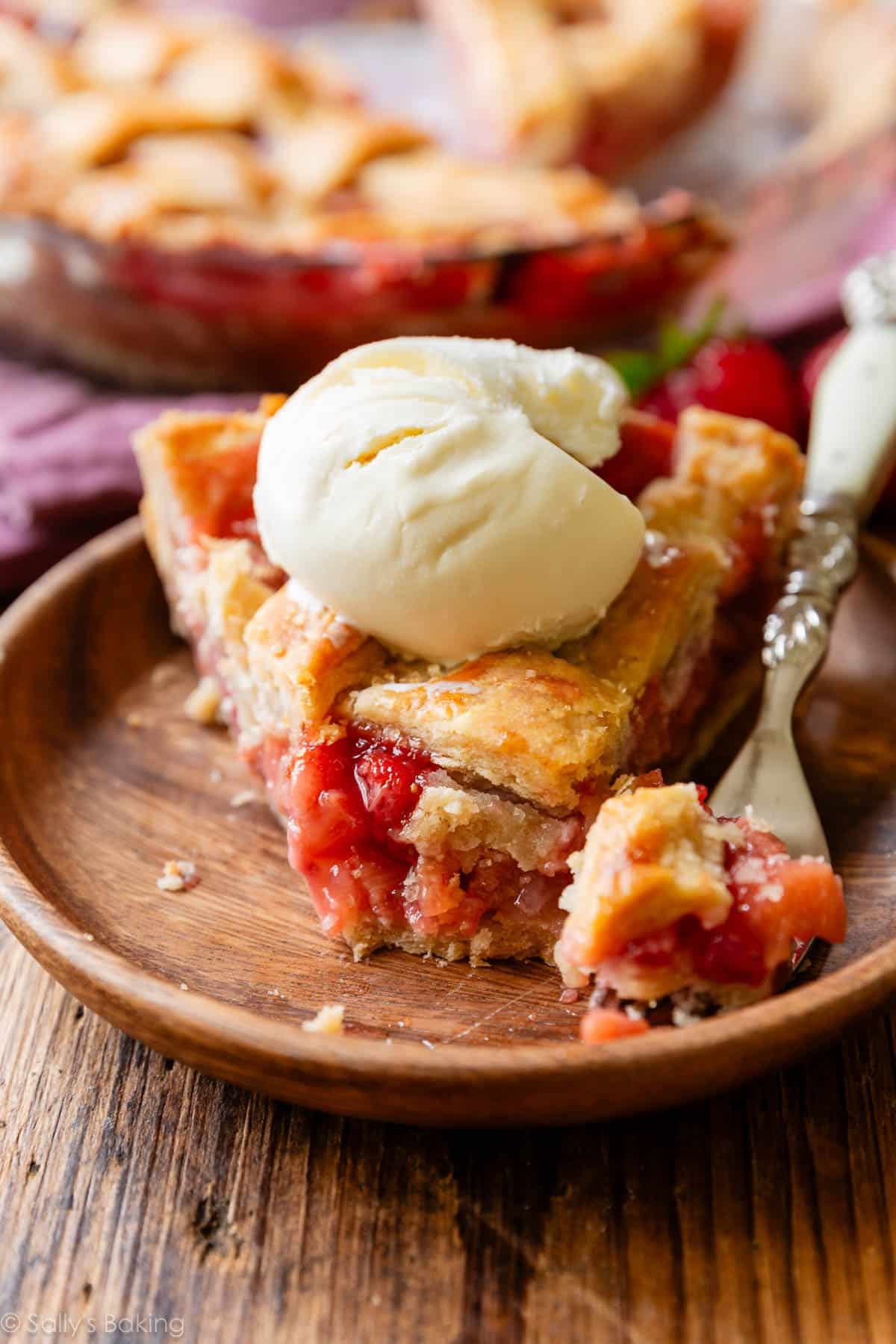
- Integration of Multimedia Resources: To further aid bakers, new, high-quality photographs were incorporated, alongside a comprehensive video tutorial. These visual guides are crucial for demystifying complex steps and offering clear benchmarks for dough consistency, filling appearance, and crust formation.
- Introduction of "Success Tips": A dedicated section detailing critical advice, from ingredient selection to precise cooling times, was added. This aims to proactively address potential pitfalls before they occur.
- Official Relaunch: The fully updated recipe, integrating all these improvements, was officially re-released, presented as the definitive guide to a flawless strawberry rhubarb pie.
This chronological development underscores a proactive approach to recipe management, wherein initial success is viewed as a starting point for continuous improvement, leveraging both culinary expertise and community engagement.
Key Innovations: Engineering a Flawless Pie Experience
The updated recipe introduces several critical innovations, each meticulously designed to counteract common baking challenges and ensure a superior final product. These focus primarily on the structural integrity of the pie, from its foundational crust to its jammy filling.
1. The Indispensable Pie Crust:
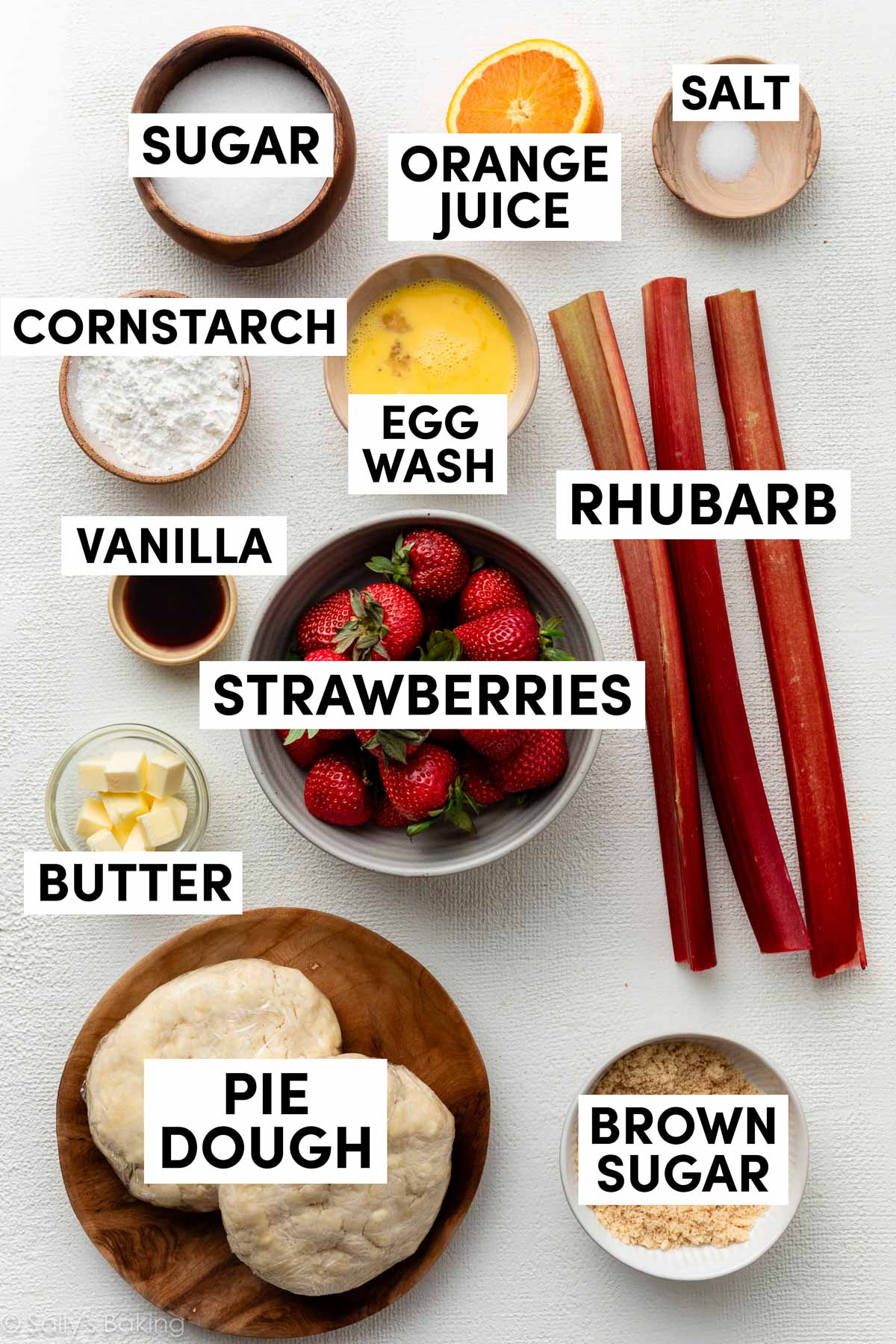
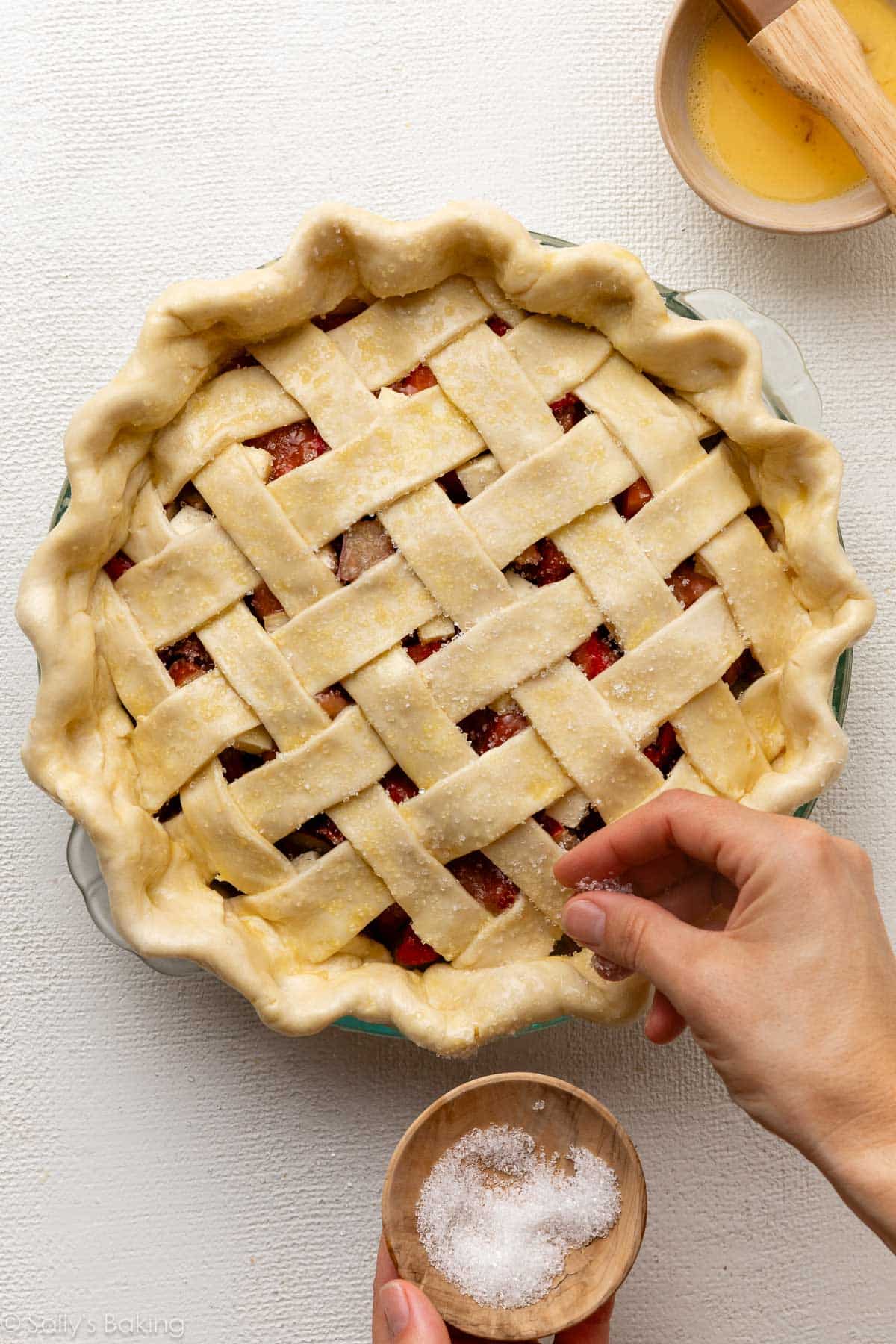
A pie is only as good as its crust, and this recipe places significant emphasis on a robust yet flaky base. The recommendation for an all-butter pie crust is not arbitrary; butter contributes unparalleled flavor and a superior flaky texture due to its fat content and melting properties during baking. Alternatively, a butter-shortening blend offers additional structural stability and tenderness. The directive to chill the dough for at least two hours before rolling is a non-negotiable step. This cooling period allows the gluten to relax, preventing shrinkage during baking, and solidifies the butter, which then creates steam pockets in the oven, resulting in distinct, flaky layers. For those seeking alternatives or simpler approaches, the recipe also acknowledges options like a crumble topping, as seen in the platform’s blueberry crumble pie, or directs readers to a simplified crumble recipe in "Sally’s Baking 101," demonstrating an understanding of varying skill levels and time constraints among bakers.
2. The Filling’s Ingenuity: Conquering Runniness:
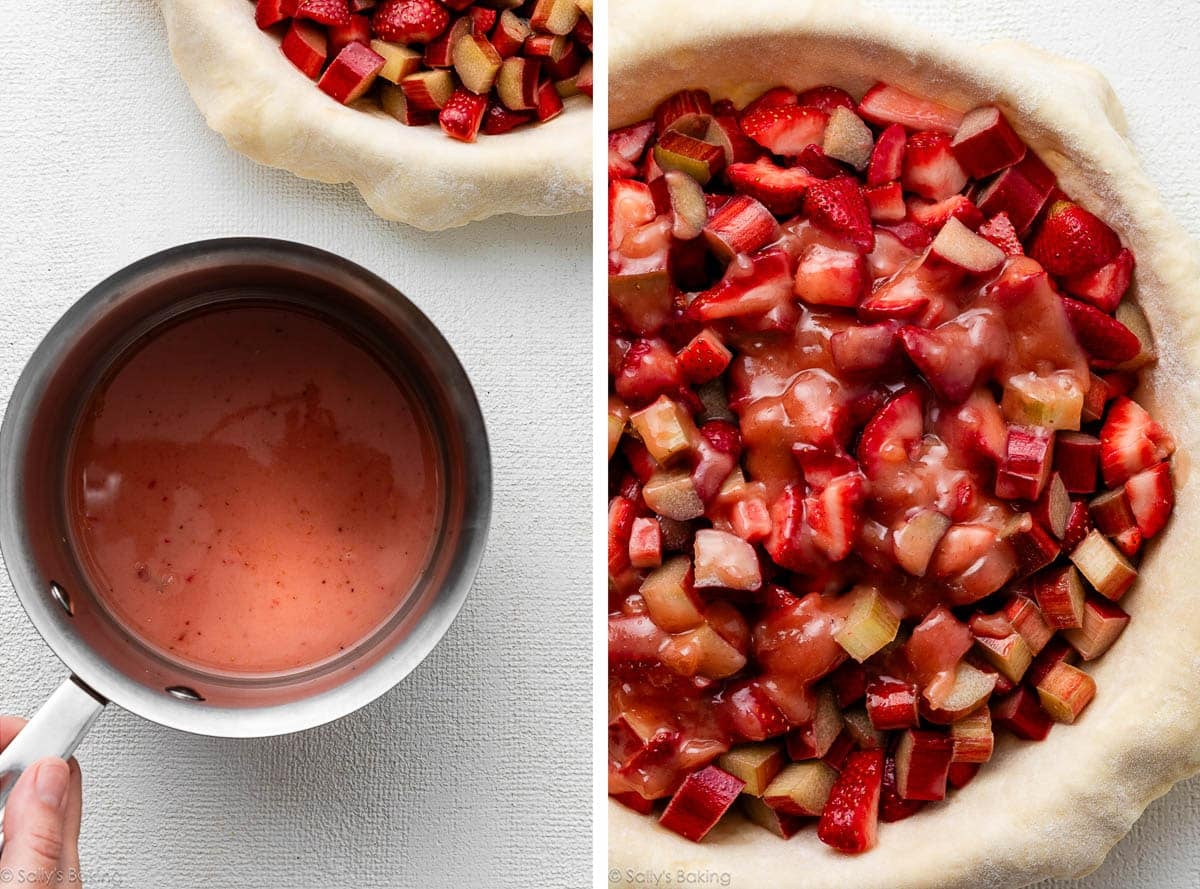
The most significant innovation addresses the pervasive issue of a runny fruit filling, a common lament among pie bakers. Strawberries, in particular, release a substantial amount of liquid when heated, which can dilute the filling and prevent it from setting. The recipe employs cornstarch as the primary thickening agent, known for its ability to create a clear, glossy, and stable gel when heated. However, the true breakthrough lies in an optional, pre-baking stovetop step. After combining the fruit, sugar, and cornstarch, juices naturally begin to pool. Instead of discarding this flavorful liquid, bakers are instructed to separate it, reduce it in a saucepan until it thickens into a syrupy consistency, and then reincorporate it into the fruit mixture. This pre-cooking step serves several vital functions:
- Activates Cornstarch: It ensures the cornstarch in the pooled juice begins to gelatinize and thicken before the pie enters the oven, providing an "insurance policy" against an under-thickened filling.
- Concentrates Flavor: Reducing the juices intensifies their flavor, preventing a watery taste in the final pie.
- Optimal Distribution: By thickening the most liquid-prone component separately, it allows for better, more even distribution of the thickening power throughout the fruit.
This method is a testament to applied culinary science, leveraging the properties of starches and heat to achieve a consistently jammy, sliceable filling.
3. Strategic Ingredient Selection:
Beyond the main fruits, the recipe subtly integrates ingredients that contribute significantly to the overall flavor and texture:
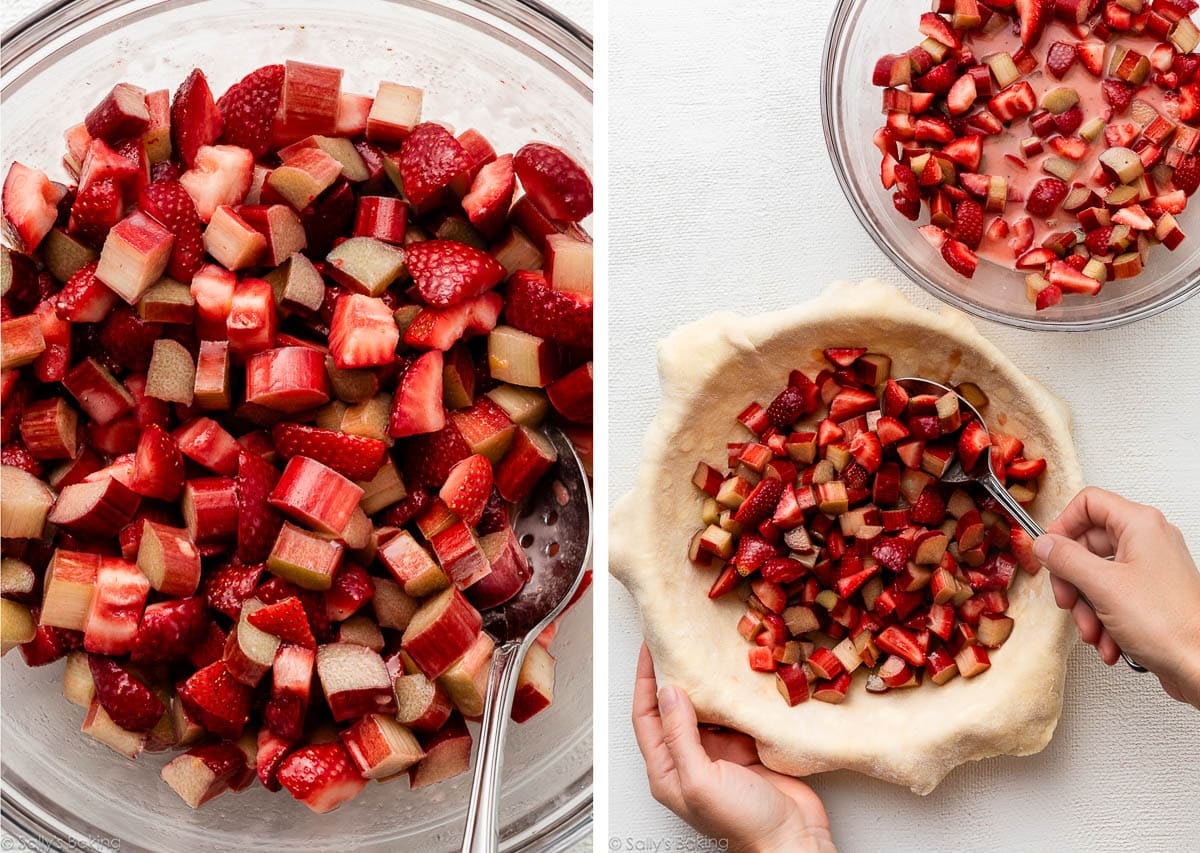
- Orange Juice: A touch of orange juice is added, not just for moisture, but to brighten the flavors of the strawberries and rhubarb, adding a subtle citrusy lift that complements their natural profiles without overpowering them.
- Granulated Sugar: Precisely measured, the sugar balances the rhubarb’s tartness and helps draw out the fruit’s natural juices, contributing to the jammy texture.
- Pinch of Salt: A small amount of salt is crucial for enhancing and balancing all the other flavors, preventing the pie from tasting flat or overly sweet. These seemingly minor additions play a crucial role in the pie’s overall success.
Technical Baking Insights: Precision from Oven to Plate
Achieving the perfect strawberry rhubarb pie extends beyond just ingredients; it involves precise baking techniques and a critical understanding of post-baking processes.
1. The High-Heat Initiation:
A distinctive feature of this recipe, echoed in other berry pie recipes from Sally’s Baking Addiction, is the initial high oven temperature. The pie is baked at 400°F (204°C) for the first 20 minutes before the temperature is reduced to 350°F (177°C) for the remainder of the baking time. This strategy is rooted in sound baking principles:
- Crust Setting: The intense initial heat rapidly sets the pie crust, helping it achieve its flaky structure and preventing a soggy bottom, especially important with a juicy fruit filling.
- Cornstarch Activation: The high temperature ensures a quick and efficient activation of the cornstarch in the filling, accelerating the thickening process from the outset.
- Controlled Baking: Reducing the temperature later prevents the crust from over-browning while allowing the filling to cook through evenly and bubble vigorously, indicating proper thickening. This two-stage baking process is a sophisticated technique often employed by professional bakers for optimal results.
2. Indicators of Doneness:
Determining when a pie is truly done can be a point of anxiety for many home bakers. The recipe provides clear, multi-faceted indicators:
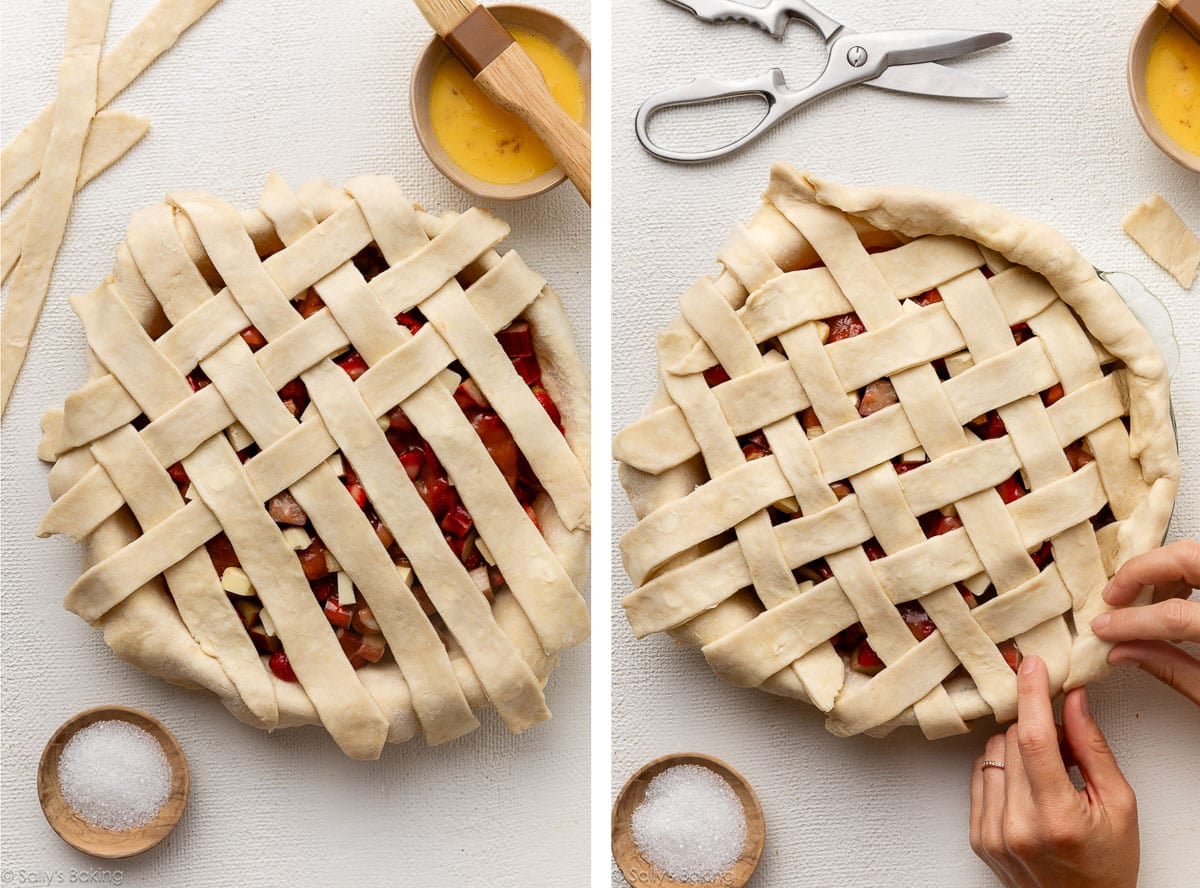
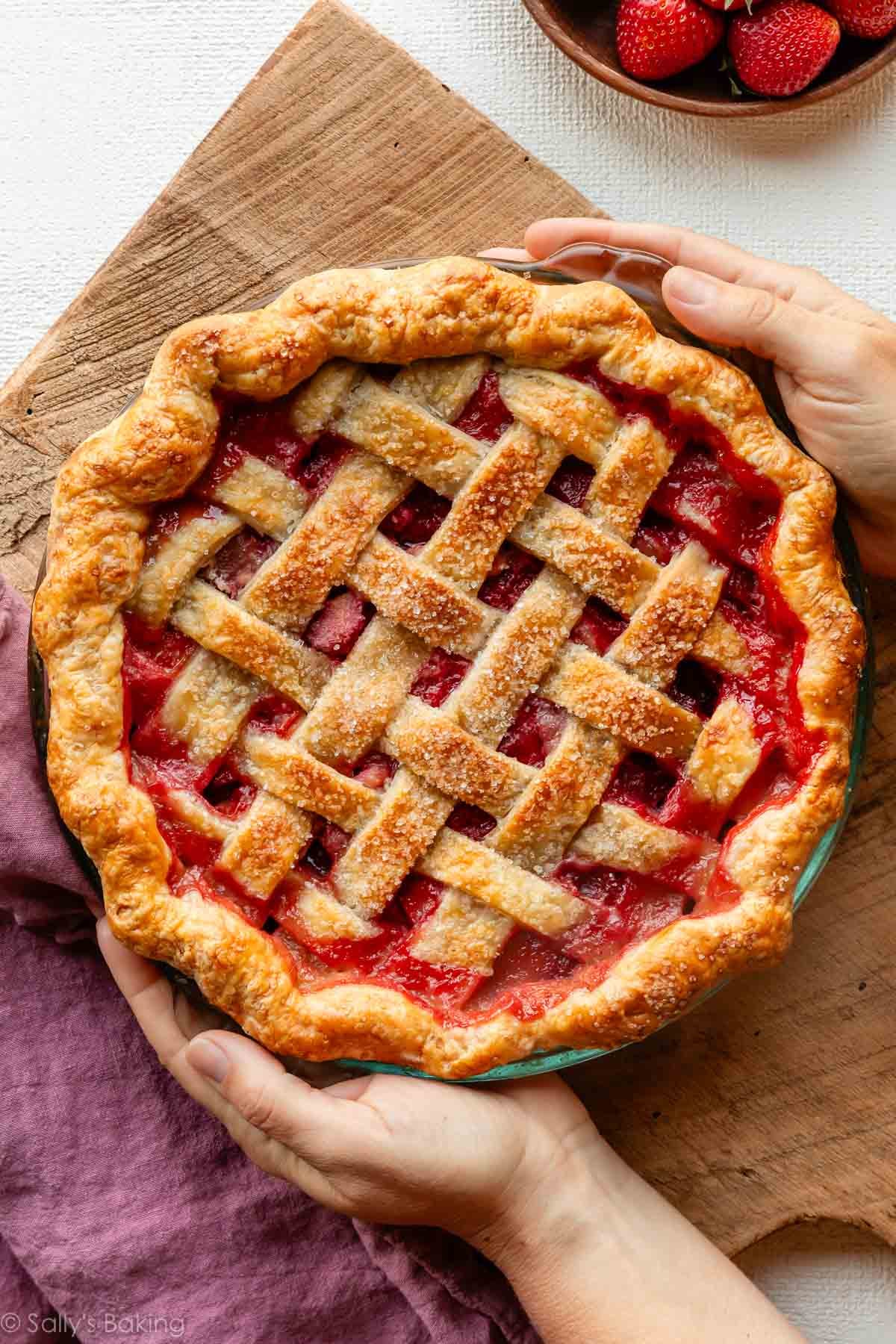
- Visual Cues: The most evident sign is when the filling is visibly bubbling thickly through the lattice crust and around the edges. This bubbling indicates that the internal temperature has reached the point where the cornstarch has fully gelatinized.
- Temperature Verification: For absolute certainty, the use of an instant-read thermometer is recommended. The internal temperature of the filling should register between 200–212°F (93–100°C). This temperature range confirms that the starches have completely activated and the fruit is tender. This objective measurement eliminates guesswork and ensures consistent results, a hallmark of reliable baking.
3. The Crucial Cooling Period: Patience Rewarded:
Perhaps the most challenging, yet non-negotiable, step is the extensive cooling period. After baking, the pie must cool completely for several hours, typically 4-6 hours, or even overnight. This extended cooling time is critical for the filling to fully set. During this phase, the starches in the cornstarch continue to gel and firm up as the pie cools. Cutting into the pie prematurely, while still warm, will inevitably result in a runny filling, regardless of how perfectly it was baked. This is a common pitfall that frustrates many bakers, but understanding the scientific principle behind starch gelatinization reinforces the necessity of patience. The reward for this waiting period is a clean, firm slice of pie, showcasing the beautifully set, jammy fruit.
Broader Culinary Impact and Expert Commentary
The detailed improvements to this strawberry rhubarb pie recipe by Sally’s Baking Addiction represent more than just an update; they signify a broader commitment to empowering home bakers with reliable, scientifically-backed techniques. Culinary experts often emphasize that consistency and predictability are paramount in baking. "Recipes that anticipate common challenges and provide clear, actionable solutions are invaluable," notes a prominent baking instructor, speaking generally about the trend towards highly detailed, instructive online content. "The inclusion of specific temperature guidelines, visual cues, and particularly the pre-cooking of juices for fruit pies, reflects a deep understanding of baking science and practical application. This kind of meticulous refinement elevates home baking standards, making professional-level results accessible to everyone."
The implications for the home baking community are significant. By demystifying complex processes and offering robust solutions to common frustrations, such enhanced recipes reduce the barrier to entry for novice bakers and provide advanced techniques for seasoned enthusiasts. This contributes to a more confident and successful baking public, fostering greater engagement with scratch baking. Furthermore, the emphasis on seasonal ingredients like rhubarb reinforces the broader culinary movement towards fresh, local produce, encouraging a connection between the kitchen and the garden.
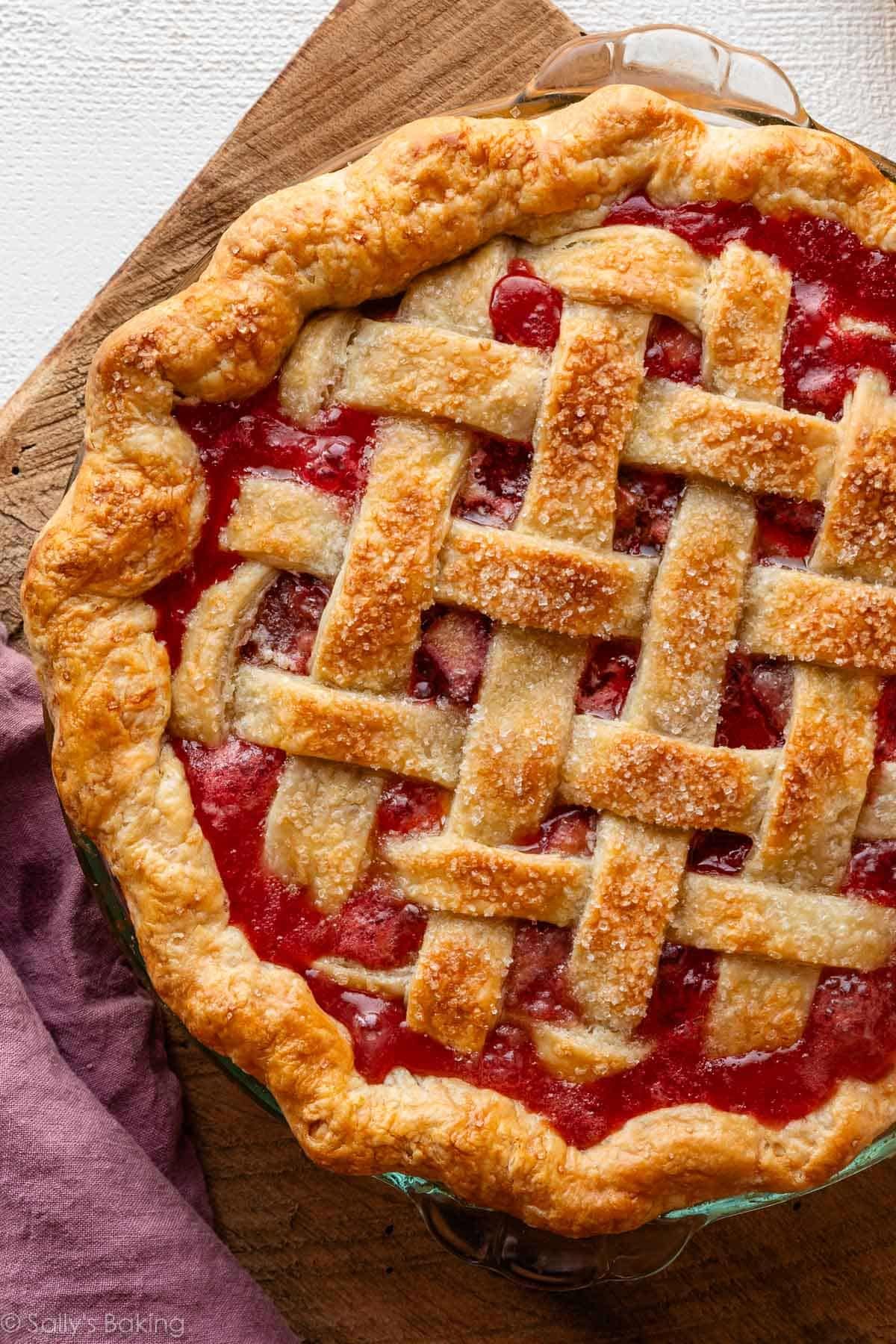
Seasonal Delights: A Call to Action for Bakers
Rhubarb’s season is notoriously fleeting, a relatively short window typically spanning from late spring into early summer. This brief availability transforms the act of baking a strawberry rhubarb pie into a seasonal celebration, a way to savor the ephemeral flavors of the garden. The urgency to "bake it while you can get it" is a common sentiment among culinary enthusiasts, highlighting the special nature of this dessert. As the first stalks of rhubarb appear in farmers’ markets and grocery stores, and plump strawberries ripen under the sun, the updated recipe from Sally’s Baking Addiction provides the perfect impetus and reliable guide to create this iconic dessert, ensuring that every effort yields a deliciously rewarding result before the season passes.