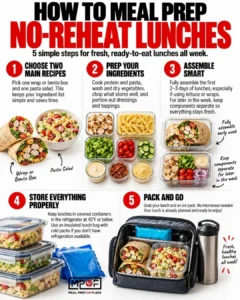

Navigating the complexities of nutrition labels can often feel like deciphering an intricate scientific document, leaving many consumers overwhelmed and disengaged. However, understanding these labels is a critical step toward making informed dietary choices, especially for individuals focused on meal preparation and healthier eating habits. This guide aims to demystify the process, transforming a daunting task into a practical, stress-free strategy for better grocery decisions. The ultimate goal is not unattainable perfection, but rather empowerment in selecting foods that contribute to desired meal prep outcomes without demanding excessive time or expertise.
Understanding the Foundation: What Constitutes a Nutrition Label?
At its core, a nutrition label is a standardized tool designed to provide consumers with essential information about the nutritional content of packaged foods. Mandated by regulatory bodies like the U.S. Food and Drug Administration (FDA), these labels offer a breakdown of key components per serving. This typically includes:
- Serving Size: The foundational unit for all other nutritional data.
- Calories: An indicator of the energy provided by a serving.
- Macronutrients: Total fat (including saturated and trans fats), carbohydrates (including fiber and total sugars, with added sugars specifically noted), and protein.
- Micronutrients: Key vitamins and minerals, such as Vitamin D, calcium, iron, and potassium.
- Other Components: Cholesterol and sodium.
While the comprehensive nature of this information can be intimidating, a strategic approach allows for efficient extraction of the most relevant data. The key lies in understanding what information truly matters for personal dietary goals and meal planning.
The Psychology of Confusion: Why Nutrition Labels Seem Opaque
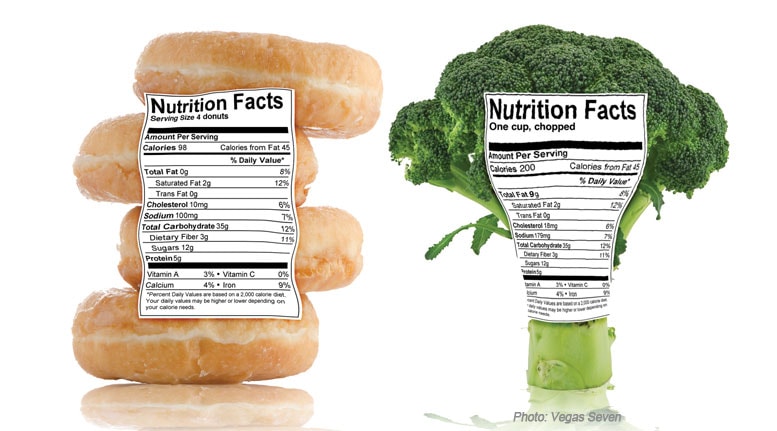
The perceived complexity of nutrition labels stems from several factors. The sheer volume of data, coupled with the presence of percentages, claims, and an often extensive ingredient list, can create cognitive overload. Furthermore, the front of the package frequently features marketing language – terms like "natural," "low-fat," "high-protein," "keto-friendly," or "made with whole grains" – which can be misleading or incomplete. These front-of-package claims are primarily marketing tools, designed to attract attention. The genuine nutritional insights are consistently found on the back of the package, where the standardized Nutrition Facts label resides.
It is crucial to recognize that packaged foods are not inherently detrimental. In fact, they are often indispensable for individuals striving for healthy eating amidst busy schedules. Packaged items can significantly save time, reduce the mental burden of constant decision-making, and make adherence to healthy eating plans more realistic. The objective is not to shun these conveniences but to approach them with awareness, understanding precisely what is being purchased.
A Pragmatic Approach: Key Nutrients to Prioritize
Instead of attempting to analyze every single line item on a nutrition label, a more effective strategy involves focusing on a curated set of key nutritional components that directly impact meal composition and satiety. This focused approach transforms the label from a source of anxiety into a practical decision-making tool.
Step 1: The Critical Starting Point – Serving Size
The serving size is the absolute first element to examine on any nutrition label. This figure dictates the context for all other numerical values presented. Regulatory bodies emphasize that the nutritional information listed is based on this defined serving, which may not represent the entire package contents. This distinction is critical, as many packages designed for single consumption may, in reality, contain multiple servings. For instance, a snack bar labeled as containing 200 calories might actually comprise two servings, meaning consuming the entire bar equates to 400 calories. Understanding this relationship is fundamental to accurately assessing the nutritional impact of a food item.
Quick Serving Size Rule: Before delving into any other nutritional data, ask:
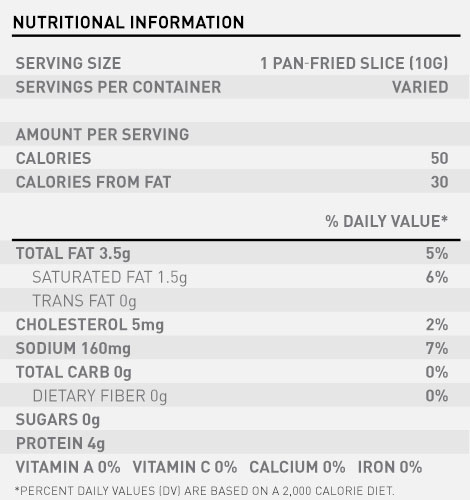
- Does this serving size align with how I typically consume this product?
- Is this serving size realistic for a single meal or snack?
This rule is particularly invaluable for items like granola, cereals, sauces, frozen meals, beverages, and single-serving snacks, where package sizes can often be deceptive.
Step 2: Contextualizing Calories
Calories are an important metric, representing the energy content of food. However, they should not be viewed in isolation. A 500-calorie meal composed of lean protein, fiber-rich carbohydrates, vegetables, and healthy fats can be a substantial and satisfying component of a meal prep plan. Conversely, a 500-calorie snack that fails to provide adequate protein or fiber might leave one feeling hungry shortly thereafter, diminishing its utility.
Mindset Shift for Calories: Instead of asking, "Is this low calorie?" inquire:
- Does this food provide sustained energy and fullness?
- Does the calorie count align with my overall daily energy needs and meal plan structure?
This perspective encourages a more holistic evaluation, prioritizing nutrient density and satiety over merely chasing the lowest calorie count.
Step 3: The Satiety Factor – Protein
Protein is a cornerstone of satisfying meals and plays a pivotal role in effective meal preparation. Adequate protein intake promotes a feeling of fullness, which is crucial for preventing mid-afternoon hunger pangs and reducing the likelihood of reaching for less healthy snacks. When meal prepping, ensuring sufficient protein in each meal is paramount for maintaining energy levels and adherence to dietary goals.
Sources of Protein:

- Lean meats (chicken, turkey, lean beef)
- Fish and seafood
- Eggs
- Dairy products (Greek yogurt, cottage cheese)
- Legumes (beans, lentils, chickpeas)
- Tofu and tempeh
- Nuts and seeds (in moderation)
- Protein powders
When comparing similar packaged products, such as yogurts, wraps, frozen meals, or snack bars, the protein content can serve as a significant differentiator, helping to select the option that best supports sustained energy and satiety throughout the week.
Step 4: The Digestive and Satiety Aid – Fiber
Dietary fiber is another critical component, contributing significantly to both digestive health and the feeling of fullness. Foods rich in fiber are typically derived from whole grains, beans, lentils, vegetables, fruits, nuts, and seeds. The FDA’s recommended Daily Value (DV) for dietary fiber is approximately 28 grams per day, based on a 2,000-calorie diet.
When Fiber Matters Most: Prioritizing higher fiber options is particularly beneficial for:
- Breakfast cereals and granolas: To ensure a sustained start to the day.
- Bread and wraps: To enhance satiety and nutrient intake.
- Snack bars and crackers: To provide a more filling and satisfying snack.
- Sauces and condiments: To add nutritional value beyond basic flavoring.
- Frozen meals: To boost the overall nutrient profile and make the meal more substantial.
A higher-fiber choice often translates to a more enduring meal, proving more effective for meal prep intended to provide lasting energy.
Step 5: Navigating Sweeteners – Added Sugars
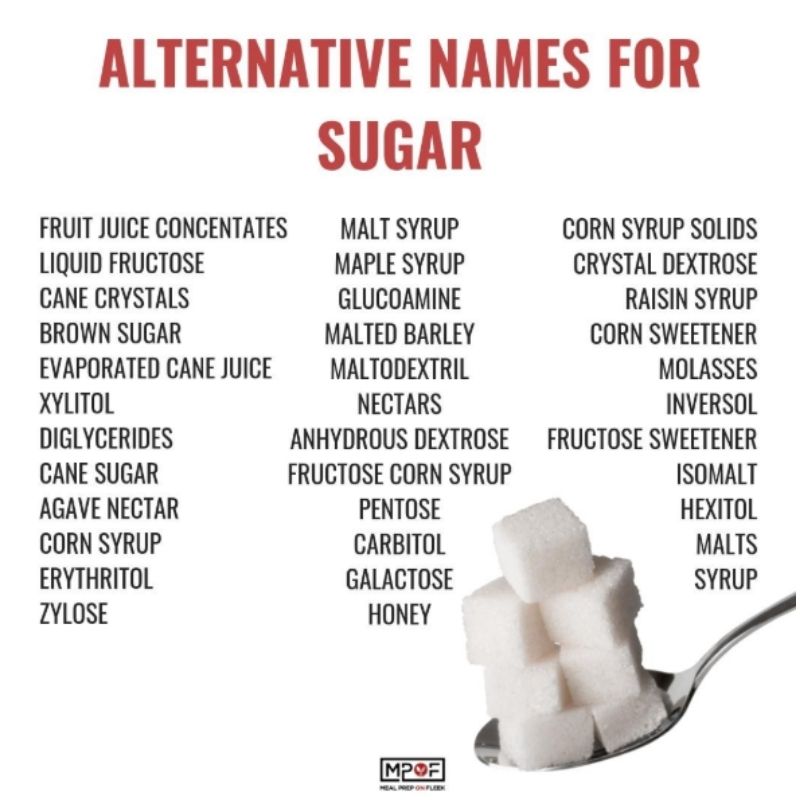
The updated Nutrition Facts label now clearly delineates "added sugars," distinguishing them from naturally occurring sugars found in fruits and dairy. This is a crucial distinction, as excessive intake of added sugars is linked to various health concerns. The FDA provides guidance: 5% Daily Value or less of added sugar per serving is considered low, while 20% DV or more is considered high.
Common Culprits for Added Sugars: Pay close attention to added sugars in:

- Yogurts (especially flavored varieties)
- Cereals and granolas
- Sauces (ketchup, barbecue sauce, salad dressings)
- Baked goods and pastries
- Beverages (sodas, sweetened teas, fruit juices)
- Frozen meals (especially those with sweet components)
Added Sugar Rule: The question to ask is: "Is the sugar worth it here?" Sometimes, a touch of sweetness enhances the enjoyment and palatability of a food, making it more likely to be consumed. However, when added sugars constitute a significant portion of the nutritional profile, it might be more prudent to reserve that sugar intake for desserts or other treats.
Step 6: The Balancing Act – Sodium
Sodium, while essential in small quantities, can accumulate rapidly, particularly in processed and packaged foods. High sodium intake is a well-established risk factor for hypertension and cardiovascular disease. The FDA’s DV for sodium is 2,300 milligrams per day.
Strategies for Sodium Management: When constructing meals, especially for meal prep, it’s beneficial to monitor the overall sodium content. If one component of a meal is inherently higher in sodium – such as certain deli meats, pre-made sauces, or seasoned frozen meals – it can be effectively balanced by incorporating lower-sodium alternatives.
Sodium Meal Prep Tip: If an ingredient is high in sodium, complement it with ingredients that are naturally lower in sodium, such as plain rice, roasted vegetables, fresh herbs, lemon juice, or homemade dressings. This approach focuses on overall meal balance rather than strict avoidance, making meal preparation more manageable and flavorful.
Step 7: Understanding Fats – Quality Over Quantity
Fat is not an adversary; it is a vital macronutrient that contributes to flavor, satiety, and the absorption of fat-soluble vitamins. The focus should be on the type of fat and the overall balance within the diet.
Key Fats to Monitor:

- Saturated Fats: Found in animal products and some plant oils. The FDA sets the DV at 20 grams per day for a 2,000-calorie diet. While moderate intake is acceptable, excessive consumption can be detrimental to heart health.
- Trans Fats: These are particularly unhealthy fats and should be avoided as much as possible. They are often found in partially hydrogenated oils, though their use has been significantly reduced due to regulatory action.
- Unsaturated Fats (Monounsaturated and Polyunsaturated): These are considered heart-healthy fats and are found in sources like avocados, nuts, seeds, and olive oil.
Beneficial Fat Sources: Prioritize fats from:
- Avocados
- Nuts and seeds (almonds, walnuts, chia seeds, flaxseeds)
- Olive oil and other vegetable oils
- Fatty fish (salmon, mackerel, sardines)
The goal is not to eliminate fat but to ensure the majority of fat intake comes from nutrient-dense, unsaturated sources.
Step 8: The Ingredient List – The Unvarnished Truth
Beyond the numerical data, the ingredient list provides a clear, sequential overview of what a product is made of. Ingredients are listed in descending order by weight, meaning the most abundant ingredient appears first. This is a straightforward method for discerning the primary components of a food. If sugar, unhealthy oils, or refined flour appear at the top of the list, it signals a product that is predominantly composed of these ingredients. While this doesn’t automatically disqualify a food, it serves as a valuable piece of information for making informed choices.
Questions to Ask About Ingredients:
- Are the primary ingredients whole, recognizable foods?
- Are there excessive amounts of added sugars, refined grains, or unhealthy fats listed early?
- Are there any ingredients I am unfamiliar with or wish to avoid?
A perfect ingredient list is not always necessary, but one that is understandable and aligns with personal dietary preferences is desirable.
Step 9: Disregarding Front-of-Package Hype
The visual appeal and marketing claims on the front of food packages are designed to capture attention. While some claims are regulated (e.g., "low-fat"), they rarely tell the complete nutritional story. "Low-fat" doesn’t automatically equate to "healthy," as the product might be high in sugar or sodium to compensate for flavor. Similarly, "high-protein" doesn’t guarantee a balanced meal. "Organic" or "gluten-free" are certifications related to production methods or the absence of specific components, not necessarily indicators of overall nutritional superiority. The rule remains: the front label sparks interest, but the back label dictates decisions.
Step 10: Meal Context is Key
The most empowering aspect of reading nutrition labels is shifting focus from individual foods to how they fit into the larger meal. This contextual approach significantly reduces the feeling of being overwhelmed.
Application in Meal Building:
- Pasta Sauce: Assess calories, sodium, and added sugars. If the sauce has slightly higher sodium, consider pairing it with lean protein (like ground turkey), whole-grain pasta, and abundant vegetables to create a balanced meal.
- Yogurt: Prioritize protein content for satiety, especially for meal prep snacks. Lower added sugar is also a key consideration.
- Frozen Meals: Examine the overall nutritional profile, paying attention to sodium, added sugars, and the balance of macronutrients. Determine if additions like extra vegetables, fruit, or a side salad are needed to make it a more complete meal.
Understanding Common Labeling Terms:
| Term | What It Means |
|---|---|
| Fat-free | < 0.5g fat per serving |
| Calorie-free | < 5 calories per serving |
| % Fat-Free | ≥ 3g total fat per reference amount |
| Saturated Fat-Free | < 0.5g saturated fat per serving |
| Low-Fat | ≤ 3g fat per serving |
| Low-Calorie | < 40 calories per serving |
| Low-Sodium | < 140mg sodium per serving |
| High-Fiber | ≥ 5g fiber per serving (or ≥ 20% DV) |
These terms offer a quick reference, but always refer to the full label for precise details.
In Summary: A Practical Nutrition Label Framework
The refined approach to nutrition labels involves:
- Serving Size: Always the first check.
- Calories: Evaluated in context of satiety and meal goals.
- Protein: A priority for fullness and sustained energy.
- Fiber: Essential for digestion and satiety.
- Added Sugars: Monitored for mindful consumption.
- Sodium: Managed for overall meal balance.
- Fats: Focus on quality and healthy sources.
- Ingredient List: Reviewed for primary components.
- Front-of-Package Claims: Treated as marketing, not definitive information.
- Meal Context: The ultimate decision-making factor.
Beyond the Label: Deeper Food Literacy
Understanding nutrition labels is a significant step, but it is part of a broader journey toward food literacy. Exploring factors like organic certifications, the origin of ingredients, and the overall impact of food production can further enhance dietary awareness.
1. The Significance of USDA Organic: For consumers prioritizing the avoidance of Genetically Modified Organisms (GMOs), the USDA Organic seal is a reliable indicator. It signifies that the product has been produced without the use of genetic engineering, synthetic pesticides, or artificial fertilizers. However, organic status does not automatically imply lower calorie, sugar, or sodium content, necessitating continued review of the Nutrition Facts label.
2. Interpreting Produce PLU Codes: Price Look-Up (PLU) codes on produce stickers offer some insight. A five-digit code beginning with "9" generally indicates organic produce, while a four-digit code typically denotes conventionally grown items. These codes are primarily for retail purposes and should not be the sole determinant of a product’s origin or genetic modification status.
3. Awareness of Common GMO Crops: Several crops are commonly available in genetically modified varieties, including alfalfa, apples, canola, corn, cotton, papaya, potatoes, soybeans, summer squash, and sugar beets. This awareness highlights the importance of labeling and sourcing for those wishing to avoid GMOs.
4. Prioritizing Fruit and Vegetable Consumption: Regardless of organic status, increasing the intake of fruits and vegetables is a universally beneficial dietary strategy. For budget-conscious individuals, opting for conventional produce is still a positive step towards improved nutrition.
5. Examining Packaged Food Ingredients for GMOs: GMO-derived ingredients, such as cornstarch, corn syrup, soybean oil, and sugar, are prevalent in many packaged foods. Seeking out USDA Organic or Non-GMO Project Verified labels can be helpful for consumers with these concerns.
6. Understanding Animal Product Sourcing: Meat, dairy, and eggs may originate from animals fed GMO feed, unless certified organic or otherwise verified. Consumers concerned about this can look for specific non-GMO certifications.
7. Informed Seafood Choices: Some farmed fish may be fed GMO-containing feed. Wild-caught seafood can be a preferred option for those seeking to avoid this.
8. Leveraging Frozen Fruits and Vegetables: Frozen produce is a convenient and nutritious meal prep staple. It offers extended shelf life and nutrient retention. Consumers concerned about GMOs should check labels, especially for higher-risk crops like corn and soy.
9. Stocking Simple Staples: Dry beans, lentils, rice, oats, nuts, and seeds are versatile, budget-friendly meal prep foundations. Careful label reading is still advised for seasoned mixes or flavored varieties, where added sugars, sodium, and unhealthy oils can be present.
10. Balanced Label Reading: The ultimate goal is not to imbue food with an aura of fear or complexity, but to foster confidence in purchasing decisions. This involves reading labels, understanding ingredients, and choosing foods that align with personal health objectives and culinary preferences. The objective is empowerment, not obsession.