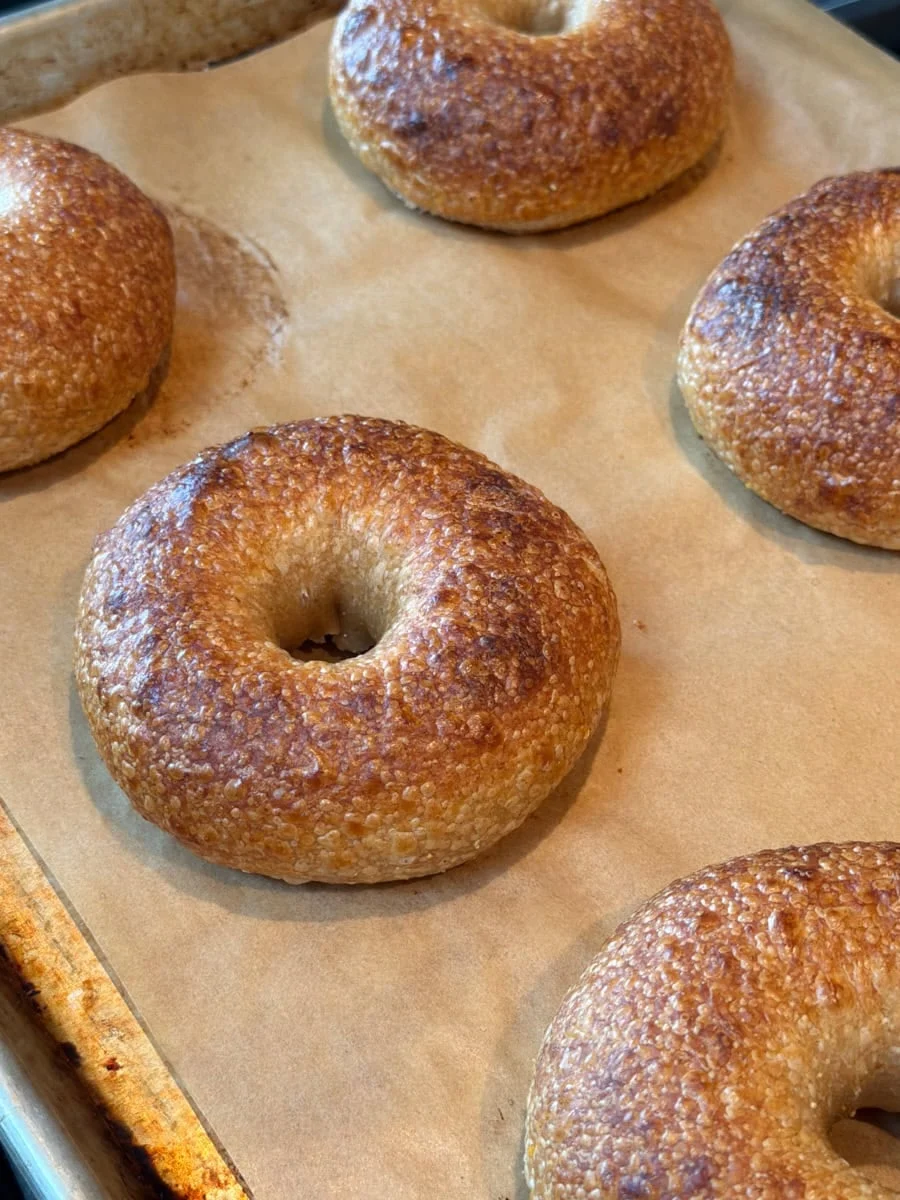

The quest for the perfect bagel, a seemingly simple yet profoundly complex baked good, has led to a significant evolution in artisan baking. This new wave of sourdough bagel represents a meticulous refinement of a beloved classic, transforming it into a lighter, more nuanced creation with a distinctively glossy, blistered crust and an open, tender crumb. This development is not merely a stylistic shift but a testament to the power of iterative recipe development, where subtle adjustments in ingredients and technique yield a remarkably different and, for many, superior result.
The journey to this refined sourdough bagel began with a series of persistent questions posed by the baker. What if the sweetness typically reserved for the final dough could be partially integrated into the sourdough starter (levain)? What if a more characterful flour blend, incorporating whole grains and a slightly lower protein content for enhanced tenderness and openness, replaced a single flour? And crucially, what if the traditional shaping and boiling methods were re-imagined, incorporating an overnight cold rest and a boiling liquid beyond plain water? This latest iteration of the sourdough bagel recipe is the culmination of answering these very inquiries, much like the author’s previous work on "My Best Sourdough Bread," where seemingly minor procedural tweaks, when viewed collectively, create a substantial impact on the final product.
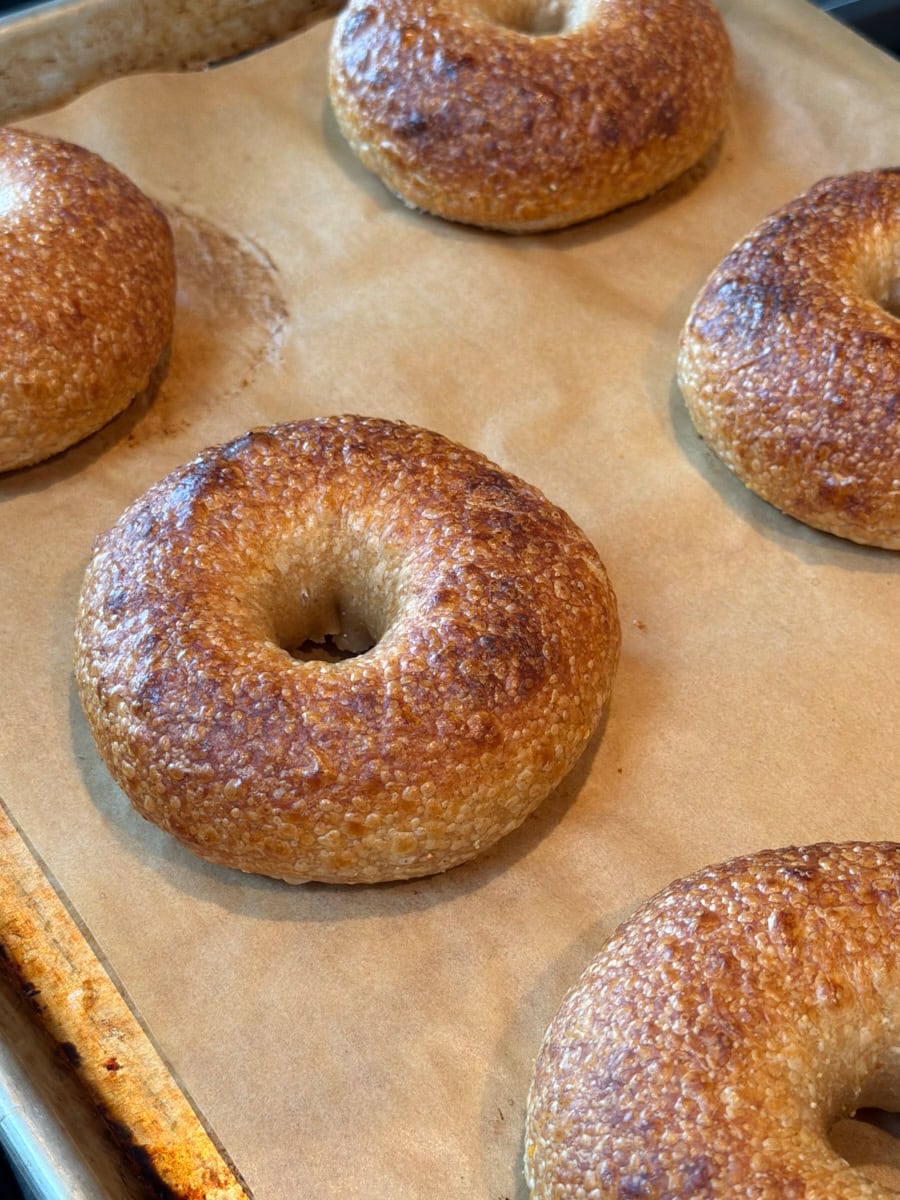
Over an extended period, this particular sourdough bagel formula underwent a systematic overhaul, with each variable being adjusted incrementally. The initial alteration involved the flour composition, moving towards a blend that included high- and medium-protein white flours, complemented by whole wheat and a touch of whole rye. Subsequently, the levain was modified by introducing a small quantity of sugar. This strategic addition aimed to shift the microbial balance towards a more yeast-dominant culture, thereby reducing the perceived sourness that often characterizes sourdough products. The shaping technique was also reimagined, transitioning to the "poke method," a more manageable approach for doughs with higher hydration levels. The most transformative change, however, was the implementation of an overnight cold retard. This extended resting period in the refrigerator significantly impacted both the crust and the flavor profile. The crumb became slightly more open, the crust developed more pronounced blisters, and the baked bagel exhibited a more complex aroma and a delightful crispness, aligning more closely with the baker’s ideal. While these changes are significant, the recipe is not a radical departure; it’s the same foundational bread, but meticulously sharpened.
Video: A Visual Guide to Crafting New Wave Sourdough Bagels
Accompanying this detailed recipe is a visual demonstration, allowing enthusiasts to observe the process firsthand. This video content offers an invaluable resource for understanding the nuances of the shaping, boiling, and baking stages, providing a practical complement to the written instructions.
Distinguishing the "New Wave" from Traditional Sourdough Bagels
A key point of clarification is how these "new wave" sourdough bagels differentiate themselves from more traditional preparations, particularly those found in the author’s first sourdough cookbook. The cookbook’s recipe leans towards a classic New York-style bagel, characterized by its dense chewiness, a slightly thicker crust, and a more tightly knit crumb.
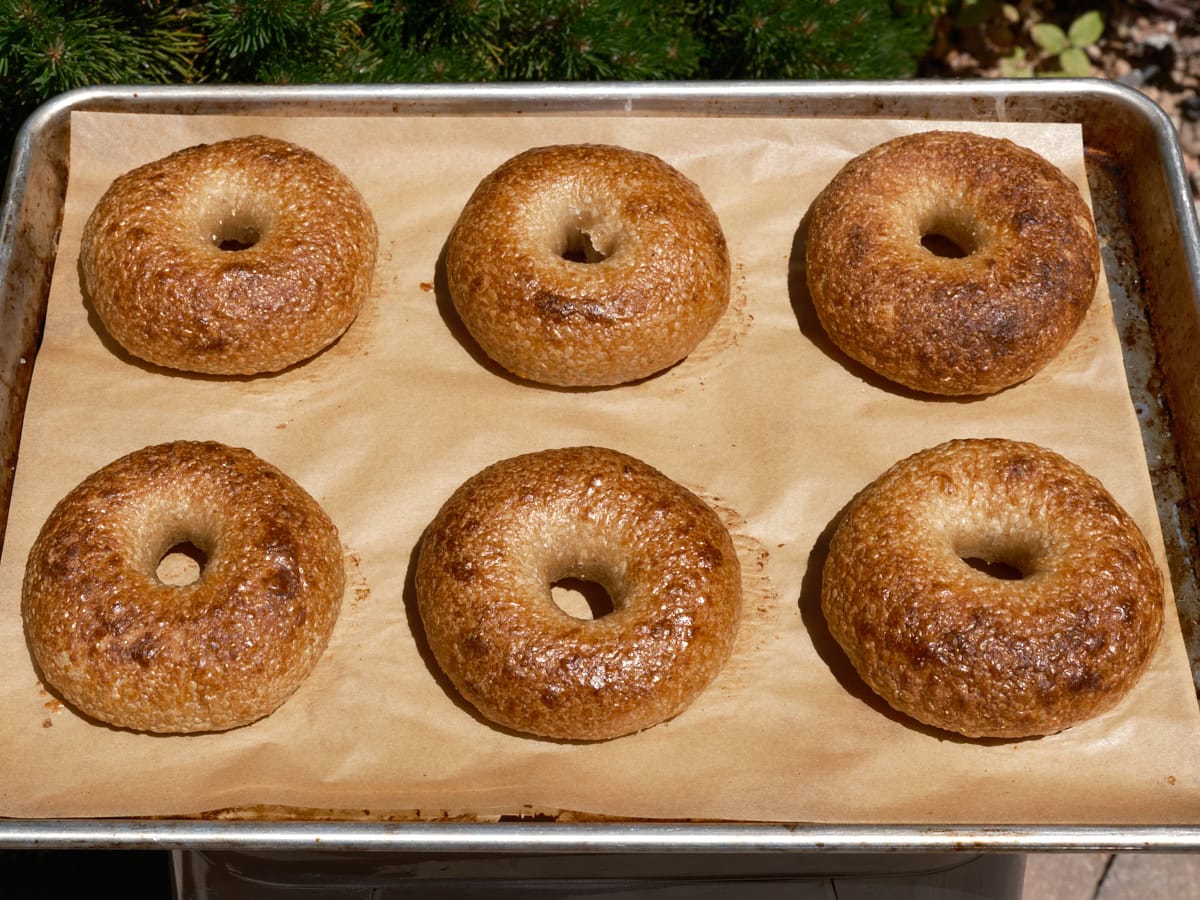
In contrast, this "new wave" sourdough bagel draws inspiration from contemporary, highly sought-after bagel establishments, such as the celebrated Courage Bagels in Los Angeles. These modern bagels are designed to be lighter in texture, featuring a glossy, blistered crust that possesses a delicate crispness. Their shape and internal structure tend to be less uniform, contributing to their artisanal appeal, and they boast a more open crumb. This distinction highlights a broader trend in artisanal baking, where tradition is reinterpreted with a focus on lighter textures and visually striking crust development.
Mastering the Art: Tips for Shaping, Boiling, and Baking Sourdough Bagels
Years of experimentation and countless batches have yielded several key insights crucial for achieving the perfect new wave sourdough bagel.
-
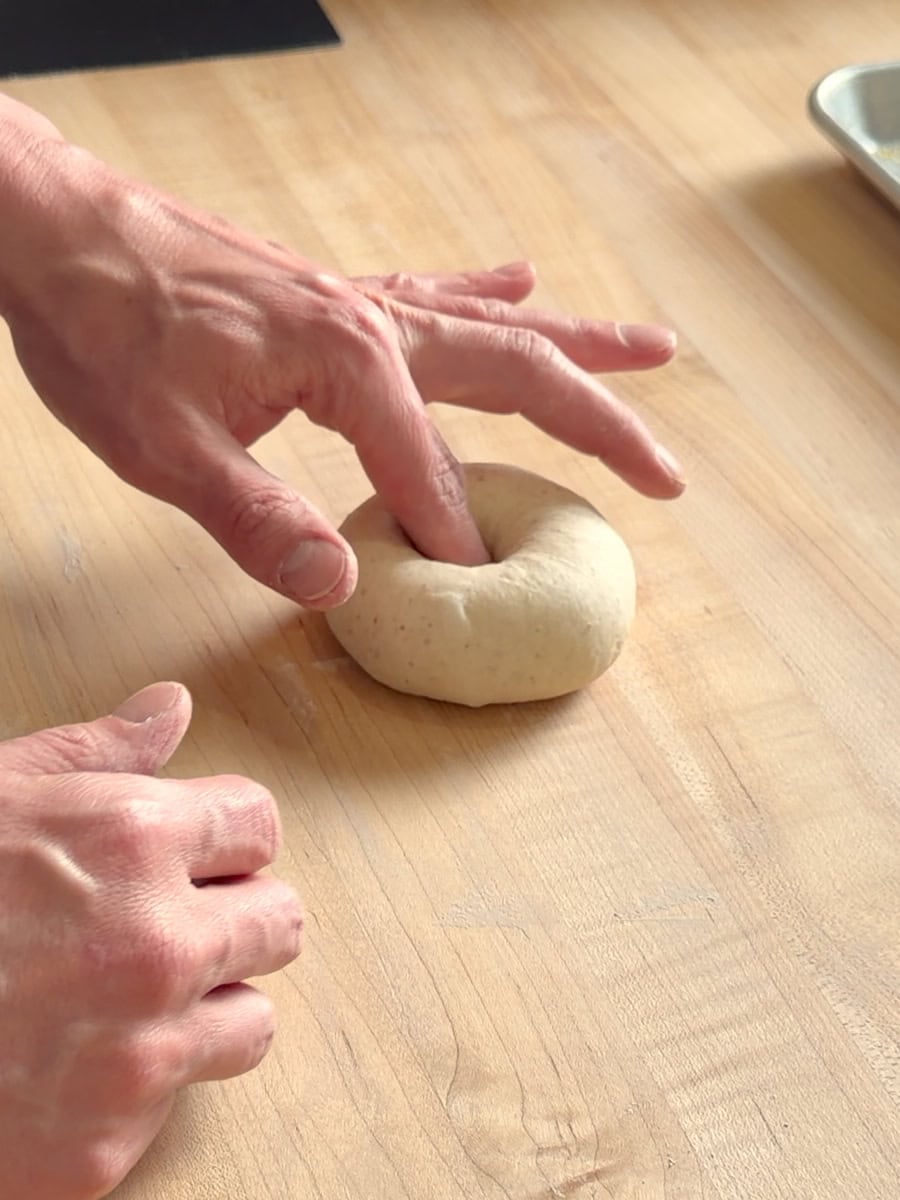
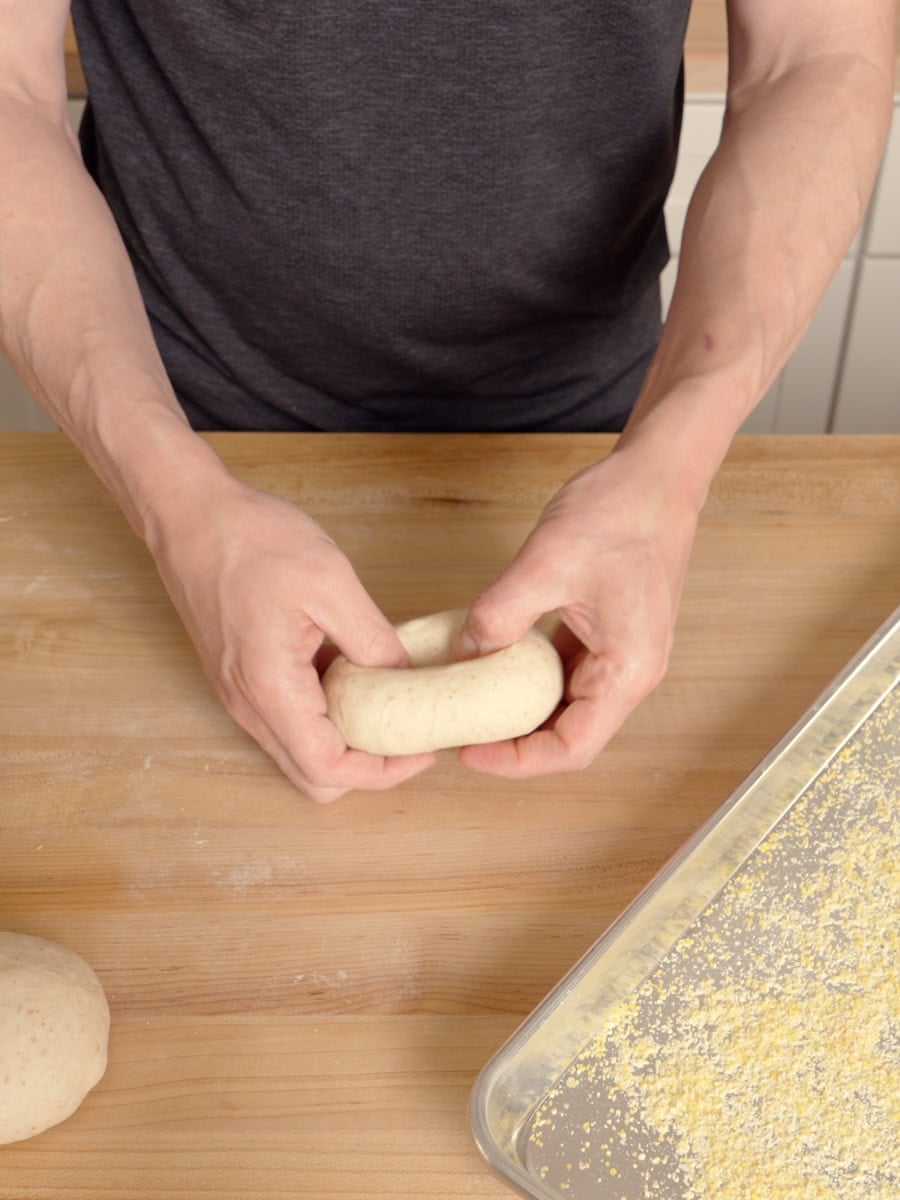
Embrace the Poke Method for Shaping: Traditional methods of rolling dough into ropes and joining the ends can lead to separation during boiling and are particularly challenging with higher-hydration doughs. The poke method, where a hole is created in the center of a dough ball and gently stretched, offers a simpler, more forgiving, and ultimately more consistent way to achieve the classic bagel ring. This technique is detailed extensively in the accompanying method.
-
The Indispensable Overnight Retard: While a same-day bake is feasible for those pressed for time, the overnight cold proof is a critical factor in developing the bagel’s characteristic flavor and texture. This extended chilling period deepens the flavor profile and provides a more manageable baking schedule, allowing for shaping one evening and boiling and baking the following morning.
-
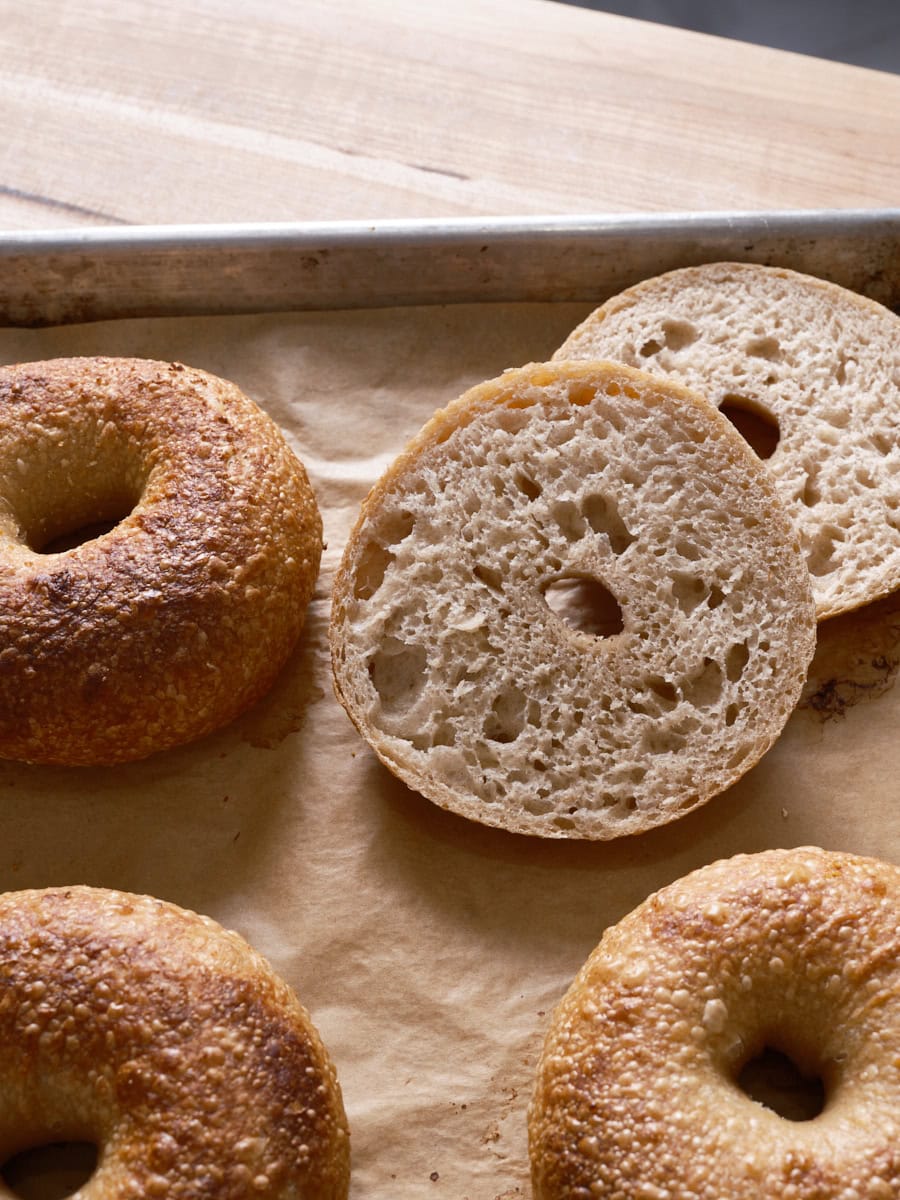
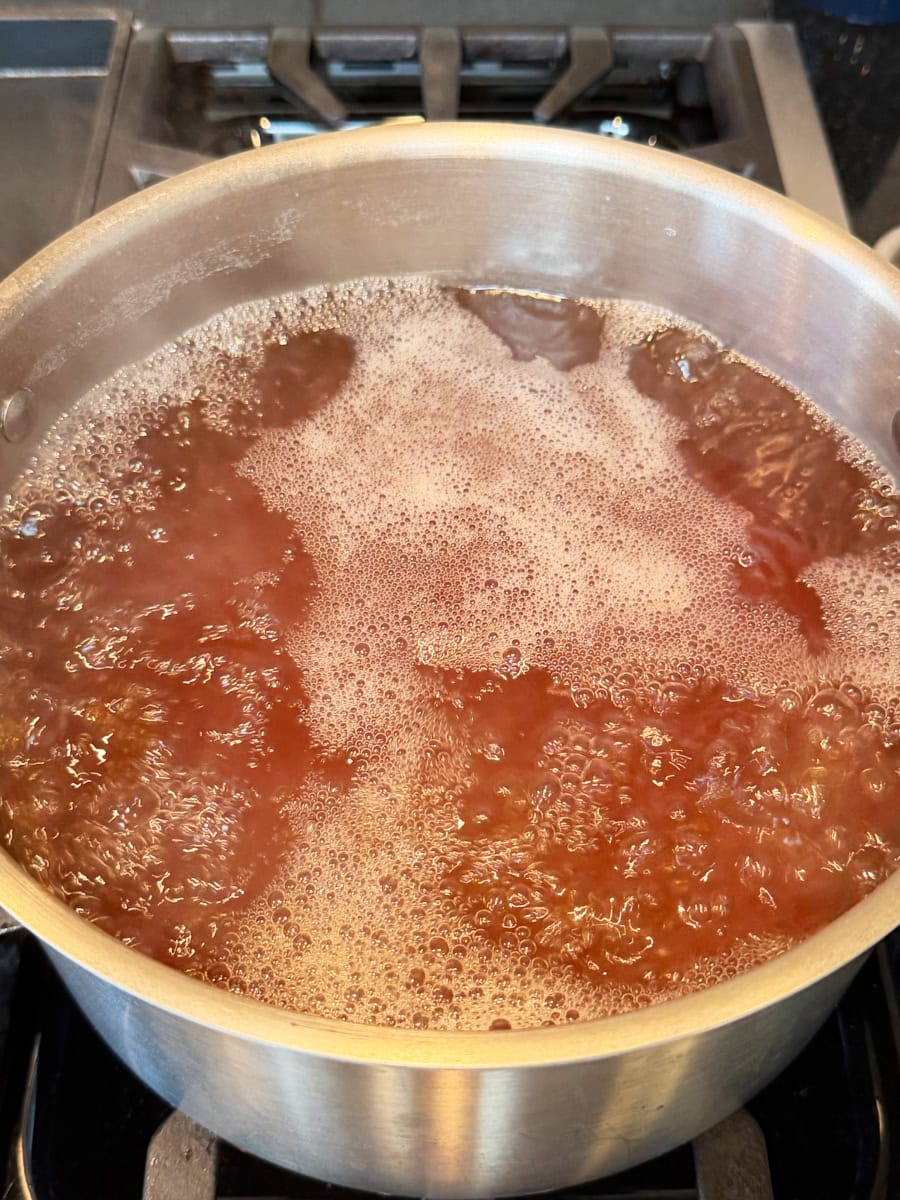
The Alchemy of the Boil Water: The composition of the boiling liquid is paramount. Incorporating a generous amount of barley malt syrup is a time-honored technique that profoundly influences the crust’s color and imparts a unique layer of flavor that is difficult to replicate. The addition of a teaspoon of baking soda further enhances alkalinity, aiding in crust browning. The resulting water should appear noticeably dark.
-
Boil Time and Intensity are Key: The duration of the boil directly affects the crust. A shorter boil, approximately 20 to 30 seconds per side, results in a thinner, crisper crust. Conversely, a longer boil promotes more chewiness and a denser skin. For this specific dough, the shorter end of the spectrum is preferred, providing ample bite without becoming leathery. Crucially, the malt syrup water must be at a vigorous, rolling boil to achieve the desired effect.
-
The Power of a Preheated Surface: Similar to artisan bread and pizza, bagels benefit immensely from intense direct heat from below. Baking on a preheated baking steel or a thick baking stone is essential for achieving an explosive rise and a well-developed bottom crust. A minimum preheating time of one hour is recommended.
-
The Role of Oven Steam: Introducing steam into the oven immediately after loading the bagels encourages the formation of microblisters on the crust. This technique, commonly used in hearth bread baking, further enhances the visual appeal and textural complexity of the finished bagel.
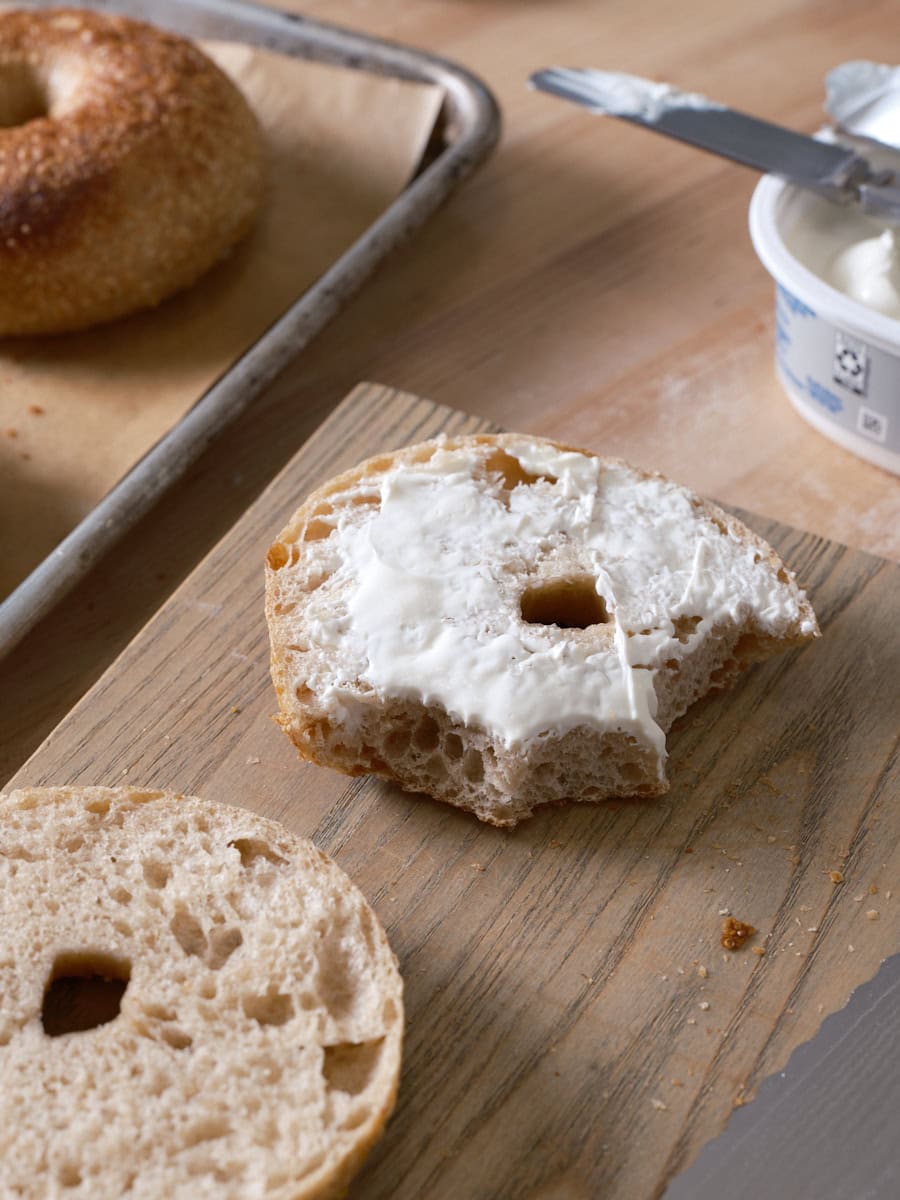
The ultimate goal in developing this new wave sourdough bagel was to create a deliberate and refined product. The aim was a bagel that is simultaneously light yet satisfyingly chewy, crisp on the exterior, subtly malty, and enriched with enough whole grain to provide depth and character. The result is a bagel so perfectly balanced that it requires minimal adornment, shining with just a simple smear of cream cheese.
A Detailed Baking Schedule
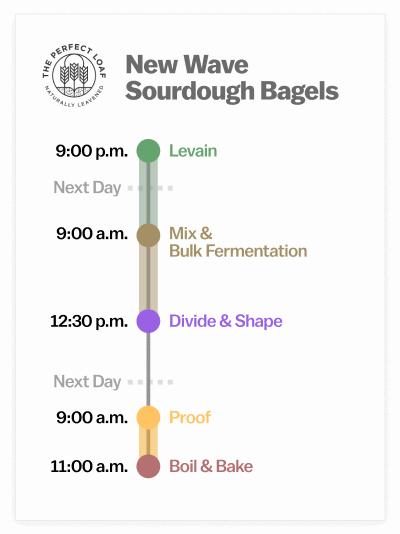
The production of these sourdough bagels unfolds over a three-day period, though the schedule offers flexibility.
-
Day One (Evening): The process begins with the preparation of a "sweet levain." This preferment, incorporating a small amount of sugar, is allowed to ferment overnight, establishing a robust microbial base with a reduced tendency towards sourness.
-
Day Two (Morning): The main dough is mixed, followed by a bulk fermentation period. Subsequently, the dough undergoes a cold proof (retard) in the refrigerator, typically overnight.
-
Day Three (Morning/Afternoon): Bagels can be shaped, boiled, and baked at any point during the day. This flexible schedule allows for integration into various household routines.
For those who prefer a same-day approach, the overnight cold proof can be omitted. After shaping, the bagel dough can proof on the counter for approximately two to three hours, or until it passes the "poke test" – a visual and tactile indicator of readiness.
The Art of Flour Selection
The carefully chosen flour blend plays a pivotal role in defining the character of these bagels. A high-protein white flour, typically in the 12-14% protein range (such as King Arthur Bread Flour or Central Milling Great Northern), forms just under half of the total flour content, providing the essential chew and structural integrity. Central Milling’s Artisan Bakers Craft, a finely milled, medium-strength bread flour, accounts for the next 40%. If this specific flour is unavailable, a quality medium-protein white flour with at least 11% protein can be substituted.
The remaining 15% of the blend comprises whole wheat and whole rye flours. These are not included for purely nutritional reasons but rather to impart depth of flavor. Whole wheat contributes a warm, nutty undertone, while whole rye adds a subtle earthiness and aids in fermentation and crust coloration. Together, these whole grains lend a complexity to the bagel that is unattainable with white flour alone, without making the final product feel heavy.
Sweeteners: A Trio of Flavor and Functionality
This recipe strategically employs three distinct sweeteners, each serving a unique purpose:
-
Barley Malt Syrup: This classic bagel ingredient is incorporated both into the final dough and the boiling liquid. It is the source of the signature malty flavor, offering a complex profile that is sweet, slightly bitter, and deeply savory. It also plays a crucial role in promoting oven browning.
-
Diastatic Malt Powder: Distinct from barley malt syrup, diastatic malt powder is an enzymatic agent. Its active enzymes break down starches into sugars during fermentation and baking, which contributes to enhanced crust color, improved oven spring, and a more open crumb. Even a small percentage, such as 1% of the total flour weight, has a significant impact.
-
Superfine (Caster) Sugar: This sweetener is reserved exclusively for the levain. The "sweet levain" or "sweet starter" technique encourages vigorous yeast activity, leading to a substantial rise with minimal transfer of sourness to the final dough.
The New Wave Sourdough Bagel Recipe: A Detailed Breakdown
This recipe yields approximately 12 bagels, each weighing around 130 grams, for a total dough weight of 1,620 grams. The formula is presented using baker’s percentages for scalability.
Vitals:
- Total Dough Weight: 1,620 grams
- Prefermented Flour: 10.0%
- Hydration: 68.0%
- Yield: Twelve 130-gram bagels
Total Formula:
The target final dough temperature for this recipe is between 76-78°F (24-26°C).
| Weight | Ingredient | Baker’s Percentage |
|---|---|---|
| 406g | High-protein white flour (12-14% protein) | 45.0% |
| 361g | Medium-protein white flour (Central Milling Artisan Bakers Craft or strong bread flour) | 40.0% |
| 90g | Whole wheat flour | 10.0% |
| 45g | Whole rye flour | 5.0% |
| 18g | Fine sea salt | 2.0% |
| 23g | Barley malt syrup (or honey) | 2.5% |
| 18g | Superfine (caster) sugar | 2.0% |
| 9g | Diastatic malt powder | 1.0% |
| 542g | Water 1 (levain and mix) | 60.0% |
| 72g | Water 2 (mix; bassinage) | 8.0% |
| 18g | Fine sea salt | 2.0% |
| 36g | Ripe sourdough starter (100% hydration) | 4.0% |
New Wave Sourdough Bagel Method:
1. Prepare the Levain – Day One, 9:00 p.m.
- Ingredients:
- 90g Medium-protein white flour
- 81g Water
- 18g Superfine (caster) sugar
- 36g Ripe sourdough starter (100% hydration)
Mix these ingredients in a tall jar, ensuring the sugar is fully dissolved. Cover and let it ferment at room temperature (74-76°F / 23-24°C) overnight for 12 to 14 hours. The levain is ready when it has significantly risen, is bubbly on top, and has a sweet aroma.
2. Mix – Day Two, 9:00 a.m.
-
Final Dough Ingredients:
- 406g High-protein white flour (12-14% protein)
- 271g Central Milling Artisan Bakers Craft (or bread flour)
- 90g Whole wheat flour
- 45g Whole rye flour
- 23g Barley malt syrup (or honey)
- 9g Diastatic malt powder
- 460g Water 1
- 72g Water 2
- 18g Fine sea salt
- 226g Ripe levain (from above)
-
By Mechanical Mixer: Combine flour, levain, barley malt syrup, diastatic malt powder, salt, and Water 1 in the mixer bowl. Mix on low for 1-2 minutes until a shaggy mass forms. Increase to medium speed (120-130 RPMs) and mix for 5 minutes. Allow to rest for 5 minutes. Gradually add Water 2 over 5 minutes while mixing, continuing until the dough is smooth, strong, and pulls cleanly from the bowl, feeling firm yet slightly tacky.
-
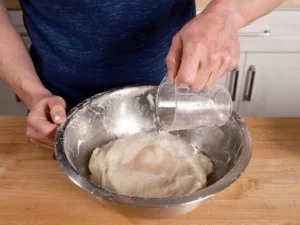
By Hand: Combine dry ingredients and flour in a large bowl. Add levain, barley malt syrup, diastatic malt powder, and Water 1. Mix thoroughly with wet hands or a dough whisk until no dry flour remains. Employ the slap-and-fold technique on a lightly floured surface for 5-6 minutes. Rest for 5 minutes. Gradually incorporate Water 2 and continue kneading for another 4-5 minutes until smooth and cohesive. A pasta-like kneading motion may be necessary. Transfer to a bulk fermentation container and cover.
Aim for a final dough temperature of 76-78°F (24-26°C).
3. Bulk Fermentation – 9:30 a.m. to 12:30 p.m. (3 hours)
Allow the dough to bulk ferment at a warm room temperature (74-76°F / 23-24°C) for approximately 3 hours. Due to the intensive mixing and stiff dough consistency, no stretches or folds are required during this stage.
4. Divide and Shape – 12:30 p.m.
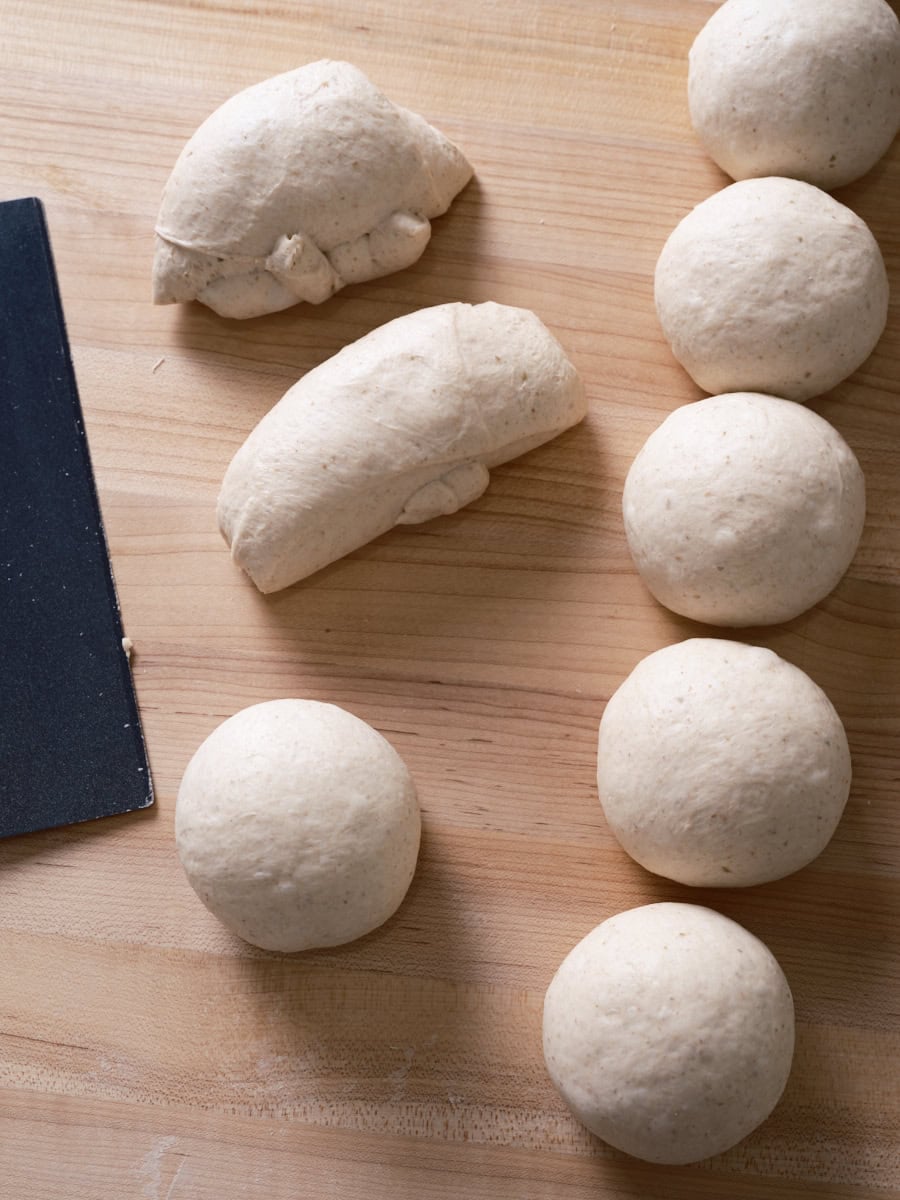
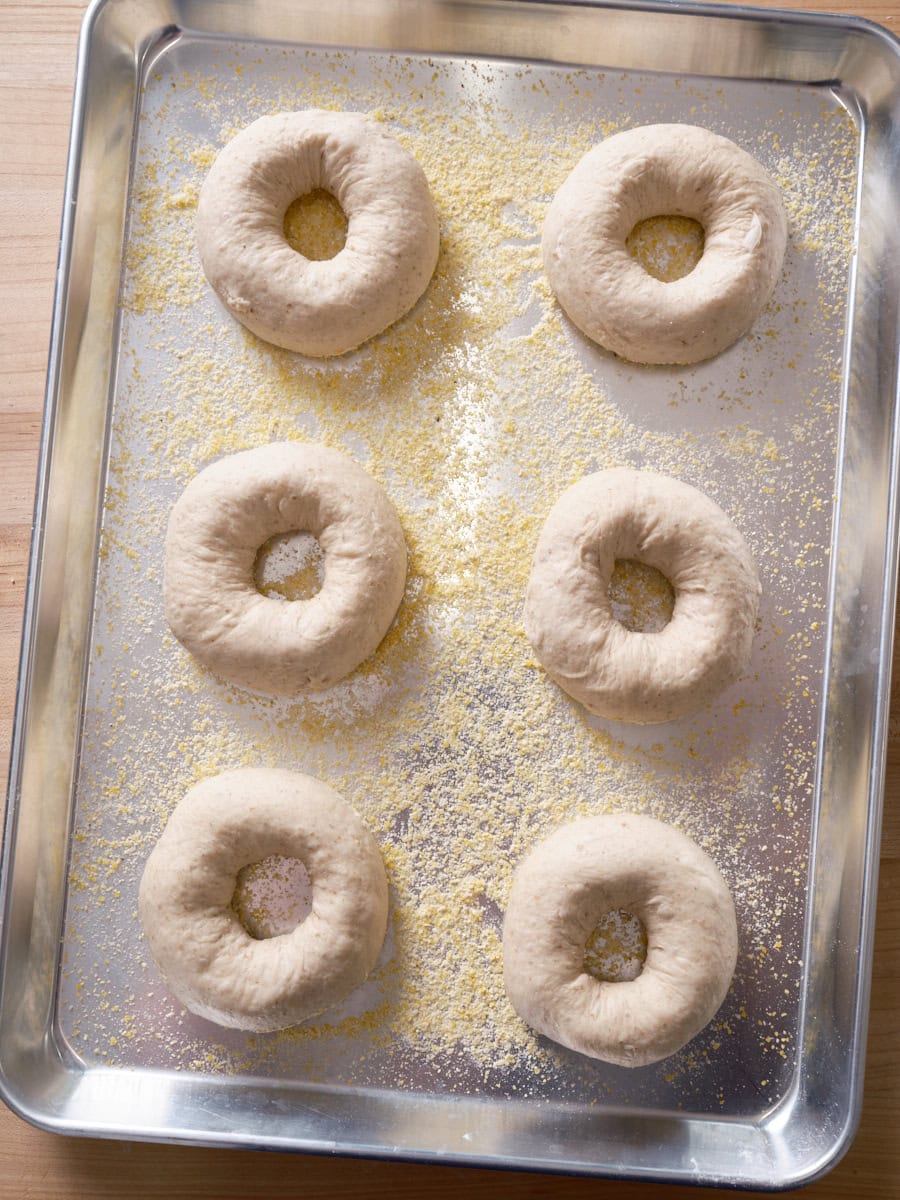
Prepare two 13×18-inch half sheet pans by sprinkling them generously with medium cornmeal (or white flour if cornmeal is unavailable). Gently turn the dough onto a lightly floured work surface. Divide the dough into twelve 130-gram portions.
-
Balling the Dough: For each portion, fold the edges into the center to form a tight ball. Roll it on the work surface with the side of your hand to create a smooth top surface. Flip and pinch the seam closed. Ensure each ball is perfectly round with a closed seam.
-
Poking and Ring Formation: Take a balled piece, flatten it slightly, and press your index finger through the center to create a hole. Gently pick up the dough and use both hands to stretch the hole open, rotating the dough to form a ring about 2 to 2.5 inches in diameter. This hole will shrink during proofing and baking, so err on the side of making it larger.
Place each shaped bagel on the prepared sheet pans, leaving about an inch or two between them, with six bagels per pan.
5. Overnight Retard – 1:00 p.m. to 9:00 a.m. (Day Three Morning)
Cover the sheet pans with lids and refrigerate them. This cold proof is flexible, allowing for baking slightly earlier or later the following day.
6. Proof – Day Three, 9:00 a.m.
Remove the dough trays from the refrigerator and allow them to proof at warm room temperature for two hours. Concurrently, place a baking steel on the middle oven rack and preheat the oven to 500°F (260°C) using convection (or 525°F / 270°C without convection). Ensure the oven has at least one hour to preheat thoroughly.
7. Boil – 11:00 a.m.
-
Boil Station Setup: In a large, wide pot, combine 1 gallon of water and 1 teaspoon of baking soda. Bring to a rolling boil. Add 5 tablespoons of barley malt syrup and stir until dissolved. The water should maintain a vigorous boil. Prepare a wire rack set over a sheet pan or a clean kitchen towel for the boiled bagels. Have desired toppings (sesame seeds, poppy seeds, everything seasoning, flaky salt) ready in shallow bowls.
-
Boiling Process: Working in batches of 2 to 3 (to avoid overcrowding), gently lower the bagels into the boiling malt water, smooth-side down first. They should float. Boil for 20 to 25 seconds per side, then flip and boil for another 20 to 25 seconds.
Remove each bagel with a slotted spatula, allowing excess water to drain. Immediately dip the top of the wet bagel into your chosen toppings. Place the topped bagels, topping-side up, on a parchment-lined sheet pan or directly onto a baking peel.
8. Bake – 11:15 a.m.
Transfer one sheet pan with 6 bagels to the preheated baking steel. Bake for 10 minutes. Rotate the pan and reduce the oven temperature to 450°F (230°C) for an additional 5 minutes. The bagels are ready when they achieve a deep golden-brown color. The barley malt syrup in the dough and boiling liquid will contribute significantly to their beautiful coloration; avoid underbaking.
Remove the bagels from the oven and place them on a wire rack to cool for at least 15 to 20 minutes before slicing. This cooling period is crucial for the internal structure to set properly.
The finished bagels can be stored in a sealed bag on the counter for up to a week. For longer storage, they can be frozen after cooling and reheated in a low oven after thawing overnight in the refrigerator.
Sourdough Bagel FAQs:
-
How to make sourdough bagels less sour? The use of a sweet levain in this recipe minimizes sourness. To further reduce it, ensure the sourdough starter is not overly ripe when making the levain, or consider omitting the whole rye flour.
-
Achieving an open crumb: For an even more open crumb, a slight increase in hydration (3-4% or more) can be beneficial, though this will increase the difficulty of handling during boiling.
-
Why are my bagels flat? Flat bagels can result from over-fermentation during bulk or cold proofing, insufficiently tight shaping, or a lukewarm boil water. A vigorous boil is essential.
-
Same-day baking without overnight retard: Yes, after shaping, proof at room temperature for 2-3 hours until the poke test indicates readiness. Flavor complexity may be slightly reduced compared to cold-proofed bagels.
-
Boiling time: A 20-25 second boil per side yields a thinner crust. A 30-60 second boil per side develops a thicker, chewier skin. Experiment to find your preference.
-
Necessity of diastatic malt powder: While not strictly essential, diastatic malt powder significantly improves oven spring, crust color, and crumb texture. It is a valuable ingredient for regular bakers.
-
Best toppings: Classic toppings include sesame seeds, poppy seeds, everything seasoning, or coarse salt. Dip bagels immediately after boiling while the surface is still tacky.
Looking Ahead: The Enduring Appeal of the Artisanal Bagel
The creation of such sophisticated sourdough bagels at home represents a significant achievement in home baking. Their thin, crispy, blistered crust and open, tender interior offer a delightful textural contrast. These bagels are perfectly suited for simple enjoyment with cream cheese or as a base for more elaborate toppings like lox and capers.
For those seeking a more traditional, chewy New York-style bagel with a thicker crust, the author’s original sourdough bagel recipe remains an excellent option.
This refined recipe is a product of collaborative effort, with particular thanks to baking friend Josh Fairbanks for his invaluable contributions to honing the formula. His expertise, particularly evident in the Portland, Oregon baking scene, underscores the growing community and shared passion within artisanal baking.