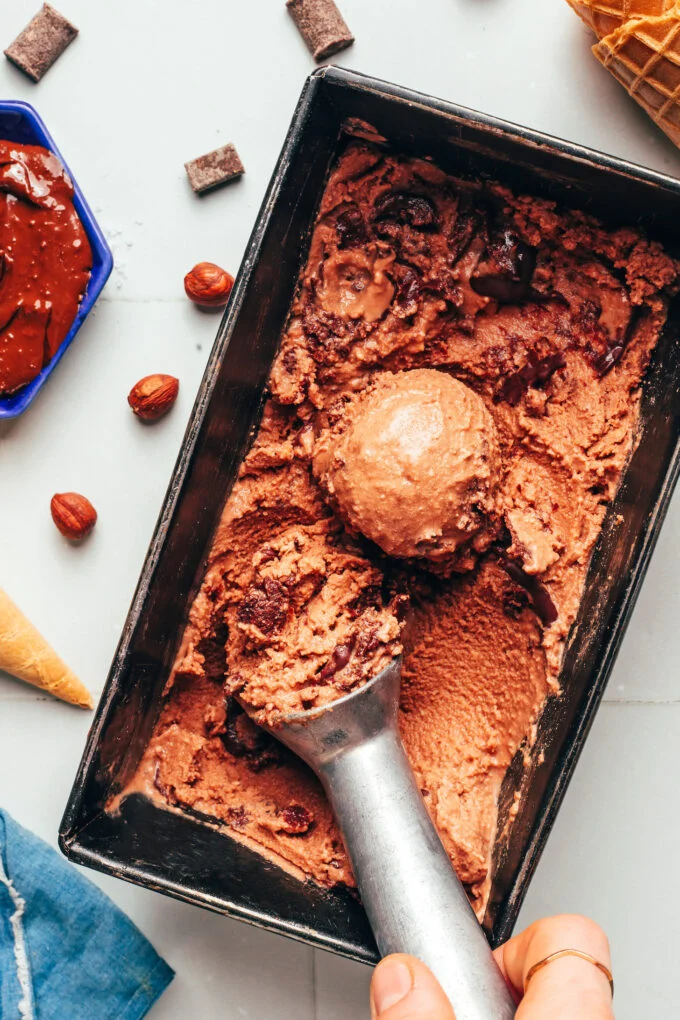

Vegan Nutella Ice Cream (6 Ingredients!) | Minimalist Baker represents a significant development in the plant-based dessert sector, offering a streamlined, six-ingredient alternative to traditional dairy-heavy frozen confections. This culinary release by the Minimalist Baker platform addresses a growing consumer demand for "clean label" treats that replicate the complex flavor profiles of popular commercial spreads, specifically the chocolate-hazelnut combination known globally as Gianduja. By utilizing a base of roasted hazelnuts, melted dairy-free chocolate, and coconut milk, the recipe achieves a professional-grade texture and flavor profile without the use of stabilizers, artificial flavorings, or high-fructose corn syrups commonly found in industrial ice cream production.
The Evolution of the Chocolate-Hazelnut Profile in Plant-Based Gastronomy
The combination of chocolate and hazelnut has a storied history, tracing its origins back to 19th-century Piedmont, Italy, during the Napoleonic regency. At the time, cocoa was scarce due to the Continental System blockade, leading chocolatiers to stretch their limited supplies by incorporating ground hazelnuts, which were abundant in the region. This mixture, dubbed Gianduja, eventually evolved into the modern Nutella spread. In the contemporary market, the transition of this flavor profile into the vegan and gluten-free space has been driven by a shift in consumer dietary preferences toward allergen-friendly and ethically sourced ingredients.
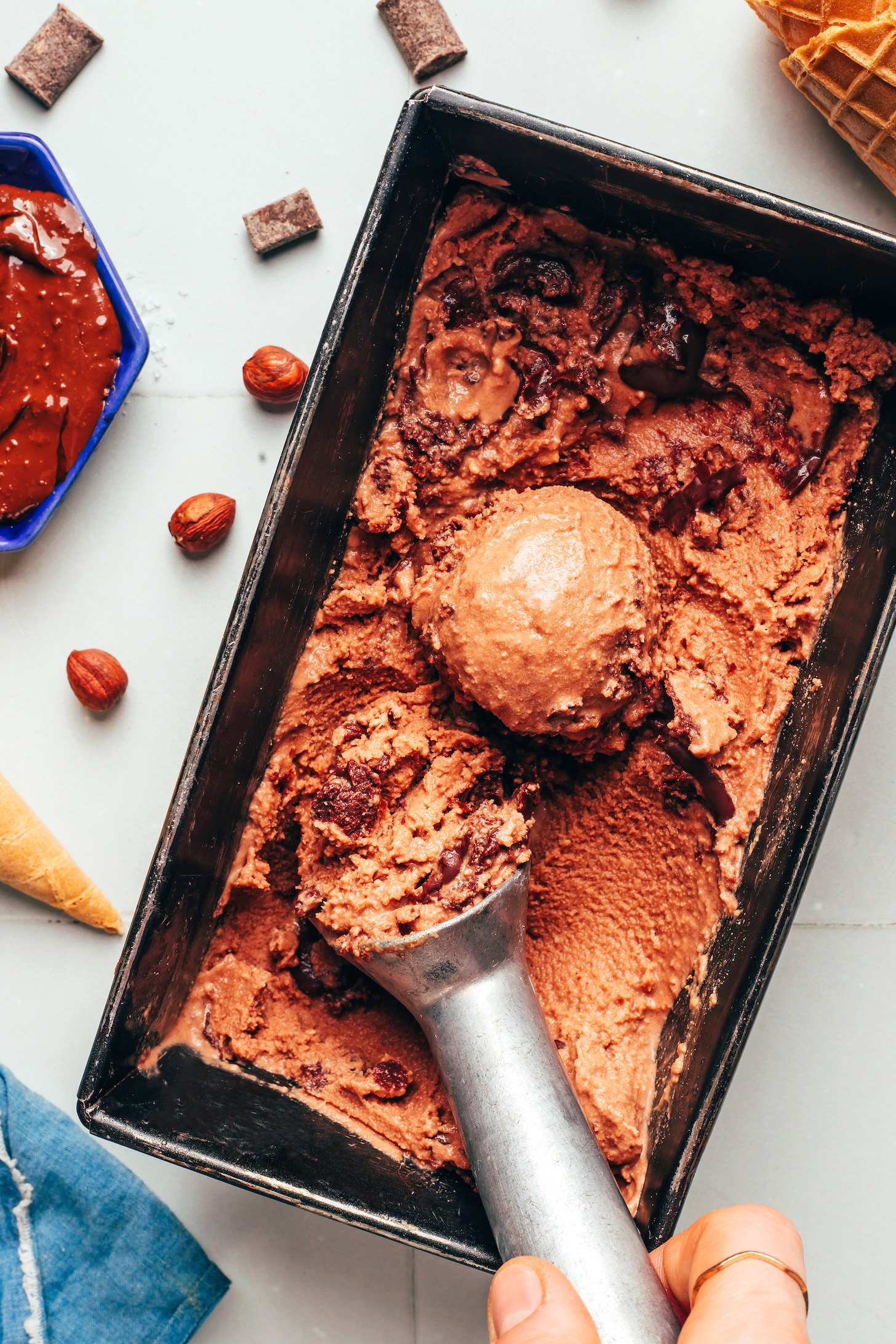
The Minimalist Baker’s iteration of this classic flavor profile focuses on a "from-scratch" methodology. Unlike many commercial vegan ice creams that rely on pre-processed hazelnut flavorings or oils, this formulation requires the physical roasting and processing of whole hazelnuts. This approach not only enhances the depth of flavor through the Maillard reaction—a chemical reaction between amino acids and reducing sugars that gives browned food its distinctive flavor—but also ensures that the natural oils of the nut serve as the primary fat source for the dessert.
Technical Specifications and Ingredient Analysis
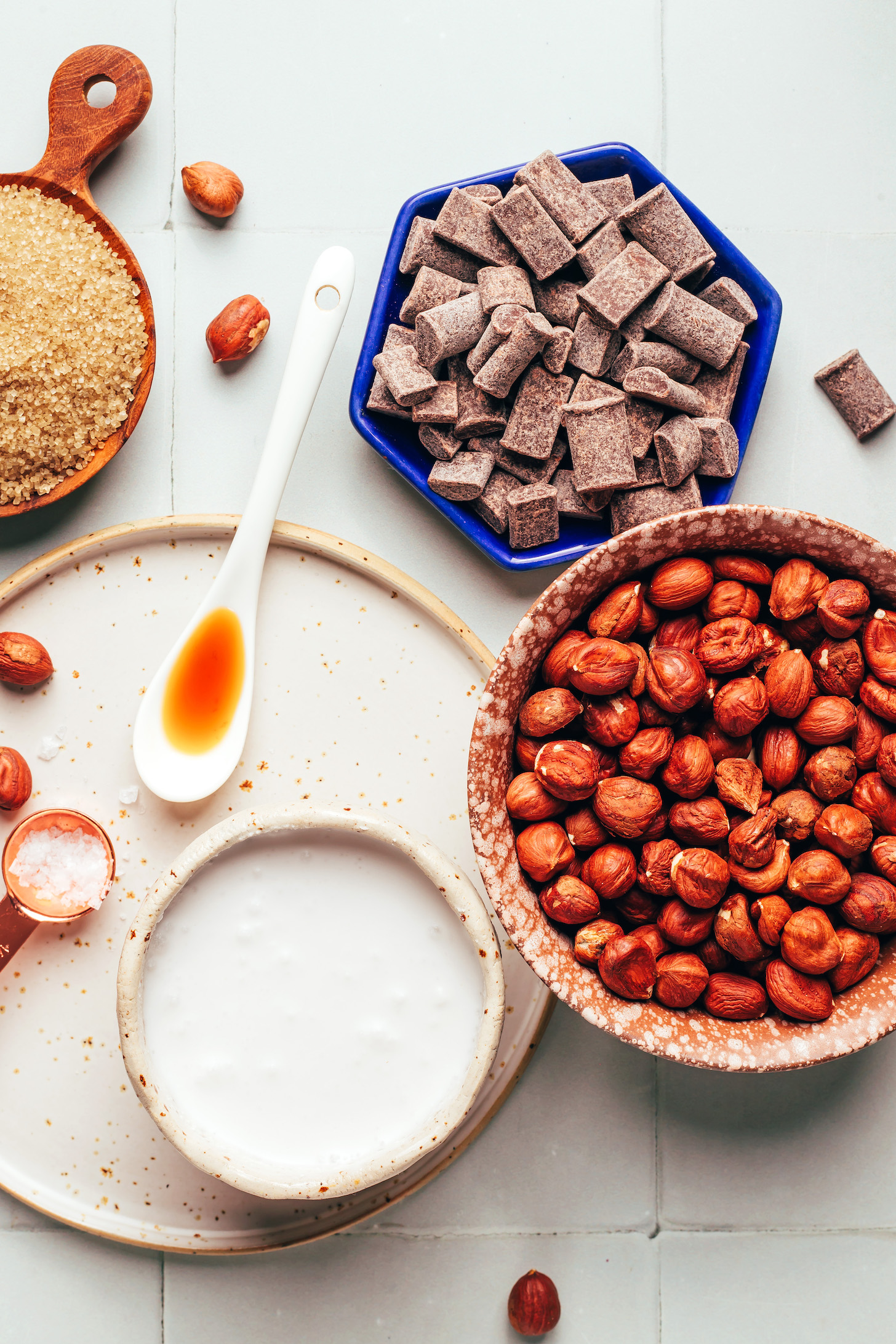
The recipe’s structural integrity is maintained through a carefully balanced ratio of six core ingredients: hazelnuts, dairy-free chocolate chunks, canned light coconut milk, cane sugar, vanilla extract, and sea salt. Each component serves a specific functional role in the final product’s "mouthfeel" and stability.
- Hazelnuts: These serve as the foundational flavor and provide monounsaturated fats, which contribute to the creaminess of the ice cream base. Roasting the nuts is a critical preparatory step, as it loosens the skins (allowing for a smoother texture) and develops the aromatic compounds.
- Dairy-Free Chocolate: By melting chocolate chunks into the hazelnut butter, the recipe creates a stabilized emulsion. The cocoa solids provide structure, while the cocoa butter contributes to the "melt-away" quality of the ice cream.
- Light Coconut Milk: This acts as the liquid vehicle. The recipe notes the importance of using brands containing emulsifiers like guar gum. In ice cream science, emulsifiers are essential for binding water and fat, preventing the formation of large ice crystals that would otherwise result in a "gritty" or "icy" texture.
- Cane Sugar: Beyond sweetness, sugar lowers the freezing point of the mixture. This ensures that the ice cream remains scoopable at standard freezer temperatures.
- Vanilla and Salt: These act as flavor enhancers. Salt, in particular, balances the bitterness of the dark chocolate and the richness of the hazelnut fats.
Chronology of Production: From Raw Material to Frozen Dessert
The production timeline for the Vegan Nutella Ice Cream spans approximately three hours, including preparation and active churning. The process is divided into distinct phases that ensure the proper development of flavors and textures.
Phase I: Nut Butter Synthesis
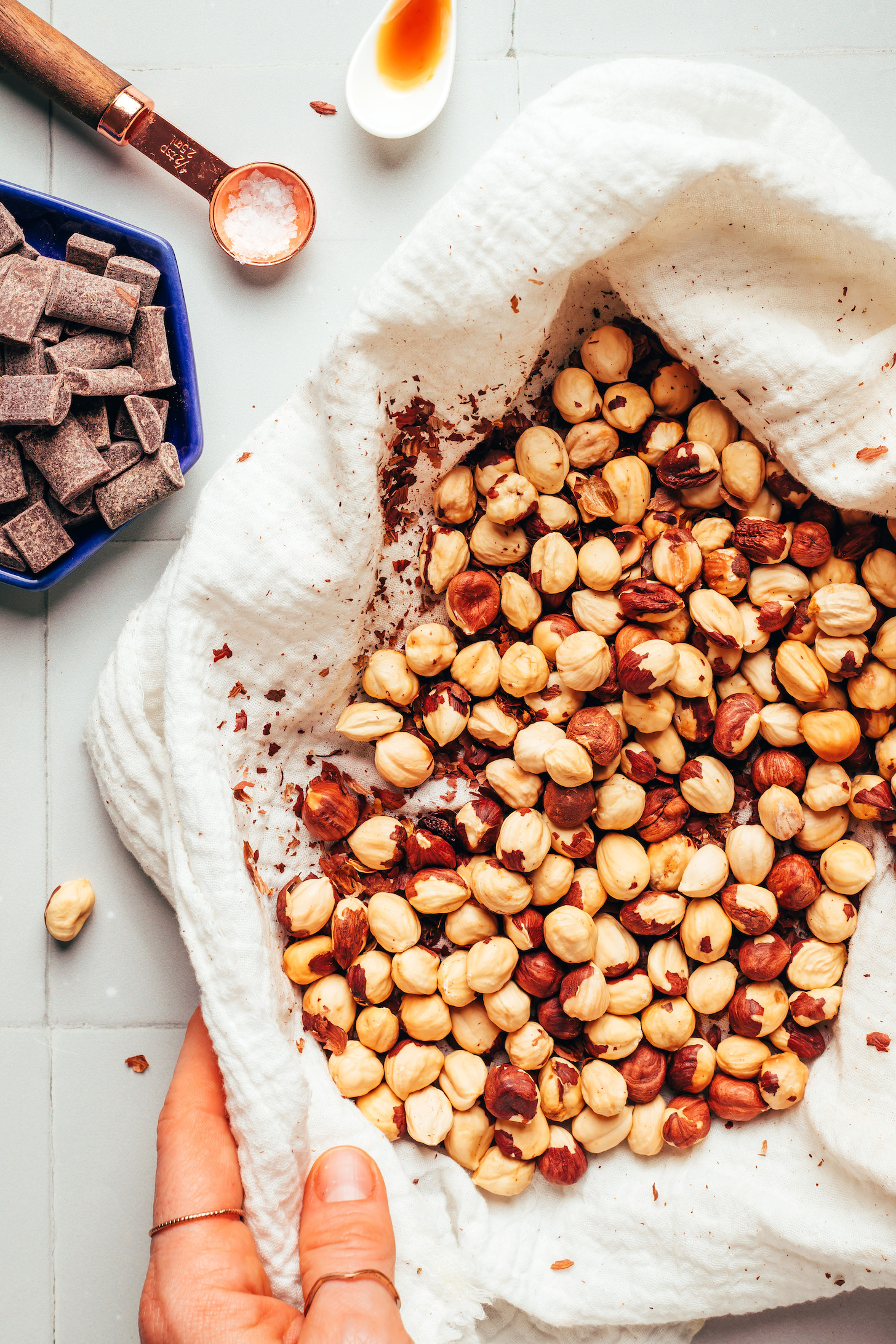
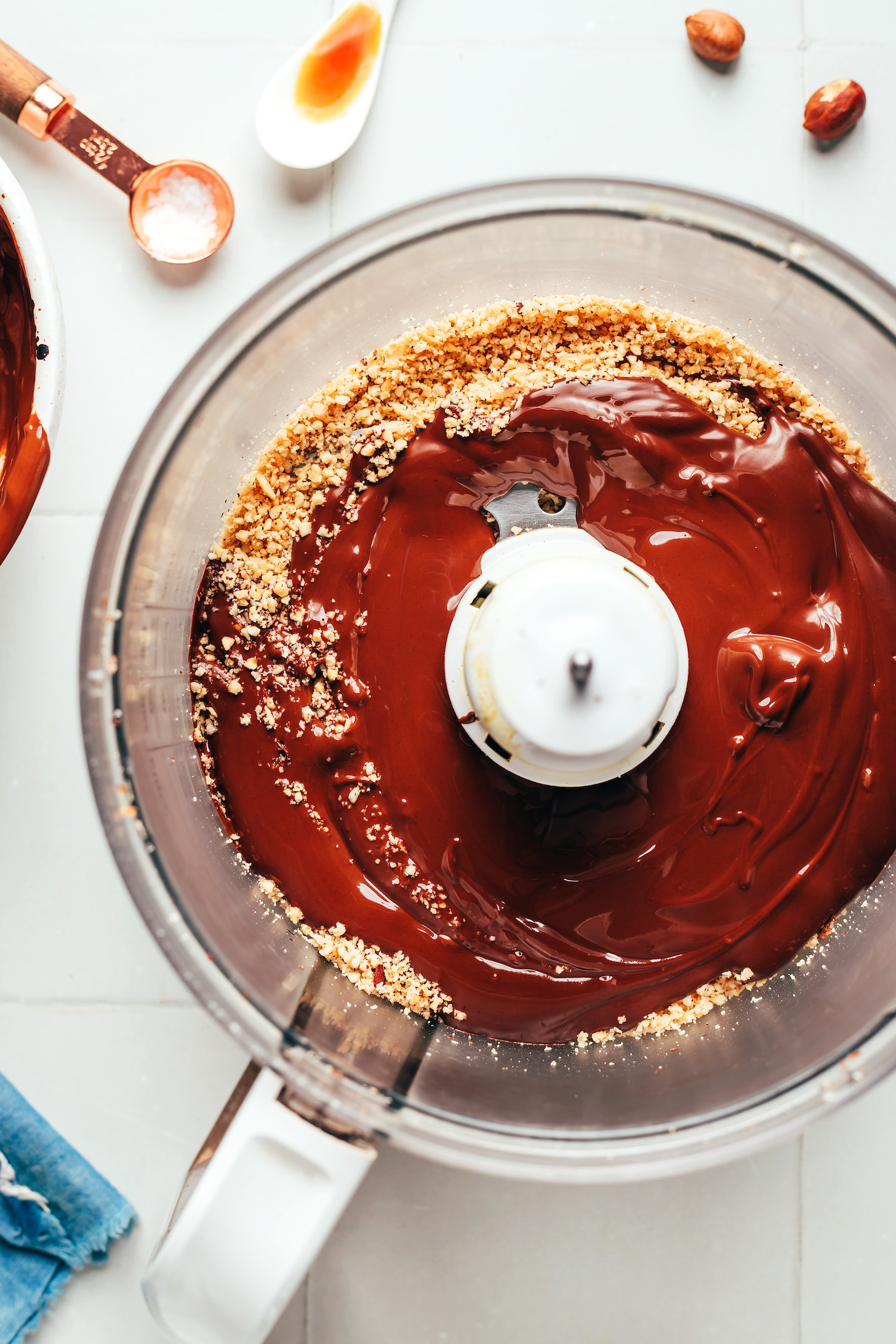
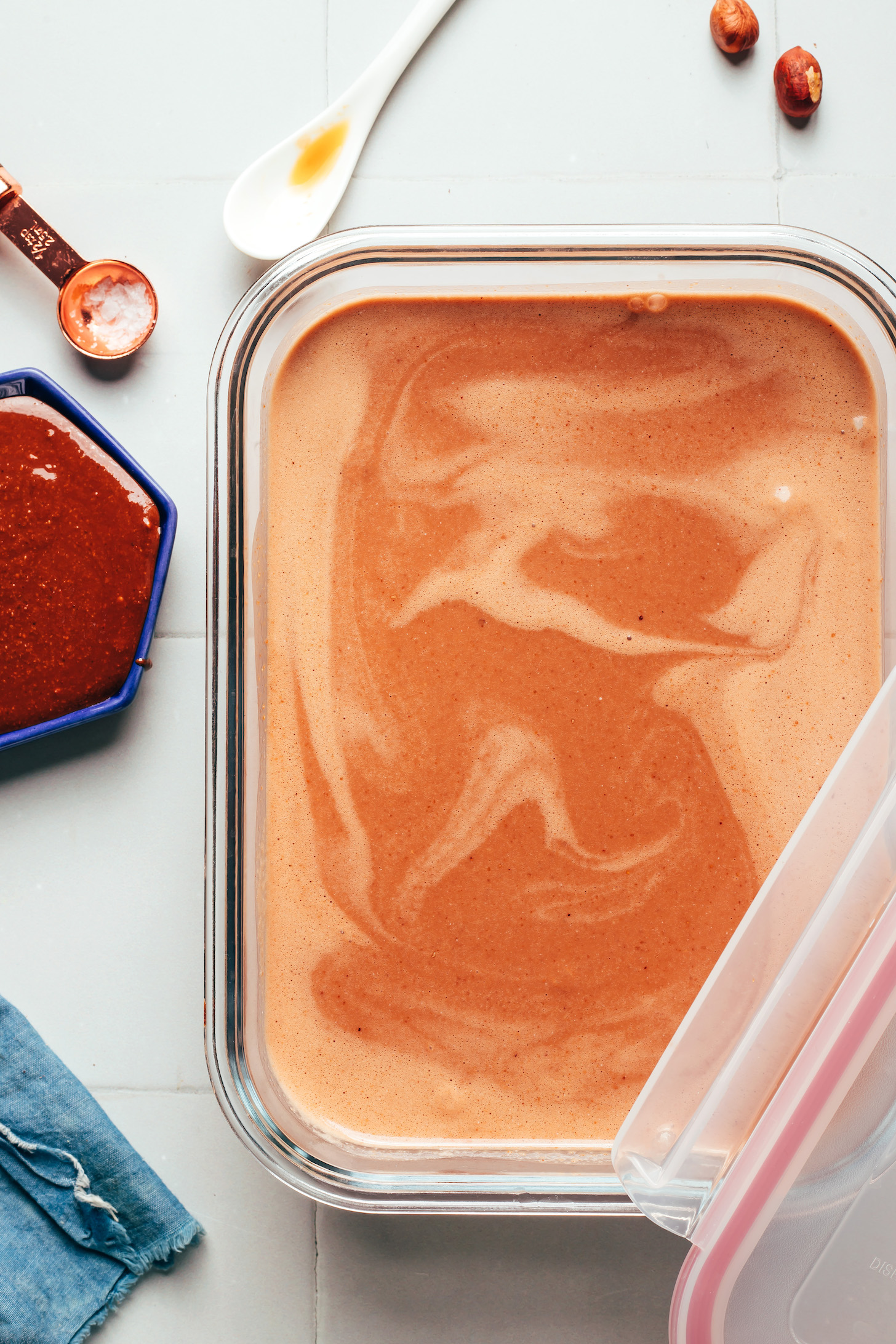
The process begins with the roasting of raw hazelnuts. Once heated, the nuts are placed in a clean towel and rubbed to remove the skins. This step is vital for ensuring the ice cream does not have a bitter aftertaste or a fibrous texture. The warm nuts are then processed in a high-speed blender with melted chocolate to create a "homemade Nutella" base. A portion of this mixture is set aside to be used as a "swirl" or "variegate" in the final product.
Phase II: Base Emulsification and Chilling
The remaining chocolate-hazelnut mixture is blended with coconut milk, sugar, vanilla, and salt. This creates the "custard" or base. Journalistic analysis of the recipe suggests that a chilling period of at least one hour is mandatory. This "aging" of the base allows the fat droplets to partially crystallize and the proteins to stabilize, which significantly improves the aeration (overrun) during the churning process.
Phase III: Churning and Incorporation
The chilled base is transferred to an ice cream maker for approximately 30 minutes. During this time, the machine incorporates air into the mixture while simultaneously freezing it. In the final minutes of churning, the reserved hazelnut-chocolate spread is folded in. This technique creates distinct layers of flavor, providing a sensory contrast between the light, aerated ice cream and the dense, fudgy ribbons of the nut butter.
Nutritional Data and Dietary Implications
A comprehensive nutritional analysis reveals that a standard 1/2-cup serving of this Vegan Nutella Ice Cream contains approximately 277 calories. The macronutrient breakdown is as follows:
- Total Fat: 21.2 grams (with 9.4 grams of saturated fat, primarily from coconut and cocoa).
- Carbohydrates: 21.5 grams (including 17 grams of sugar and 2.8 grams of dietary fiber).
- Protein: 3.6 grams (sourced primarily from the hazelnuts).
- Sodium: 31 milligrams.
Compared to traditional dairy-based premium ice creams, which often exceed 300 calories and 20 grams of sugar per serving, this vegan alternative offers a slightly lower caloric density while providing higher fiber content and zero cholesterol. The absence of dairy makes it suitable for the approximately 68% of the global population that experiences some form of lactose malabsorption.
Market Context: The Rise of Minimalist Vegan Confections
The release of this recipe coincides with a broader trend in the food industry toward "minimalism" in ingredient lists. Market research indicates that modern consumers are increasingly wary of long lists of additives and preservatives. The Minimalist Baker’s focus on a six-ingredient limit aligns with the "Clean Label" movement, which emphasizes transparency and the use of recognizable, whole-food ingredients.
Furthermore, the plant-based ice cream market is projected to grow significantly over the next decade. According to industry reports, the global vegan ice cream market was valued at approximately $600 million in 2021 and is expected to reach over $1.2 billion by 2030. Recipes that allow consumers to replicate high-end, artisanal flavors at home are a key driver of this growth, as they offer a cost-effective alternative to expensive pint-sized retail options.
Expert Analysis and Culinary Impact
Culinary experts note that the success of this specific recipe lies in its use of whole hazelnuts rather than hazelnut extract. The inclusion of the fiber and natural proteins found in the nut helps to stabilize the frozen foam of the ice cream. From a chemical perspective, the fats in the hazelnuts and the coconut milk work in tandem to coat the tongue, providing a "lingering" flavor profile that mimics the richness of heavy cream.
The broader implications of this recipe extend to the democratization of specialized diets. By providing a clear, step-by-step framework for creating a complex dessert with standard kitchen equipment, the recipe lowers the barrier to entry for individuals adhering to vegan, gluten-free, or dairy-free lifestyles. It also highlights the versatility of the hazelnut, a crop that is increasingly being viewed as a sustainable alternative to almonds, which require significantly more water to produce.
Conclusion and Future Outlook
The Vegan Nutella Ice Cream (6 Ingredients!) | Minimalist Baker serves as a benchmark for the intersection of simplicity and gourmet quality in home cooking. By stripping away the complexities of traditional ice cream making—such as tempering egg yolks or managing synthetic stabilizers—it empowers the home cook to produce a sophisticated, allergen-friendly dessert.
As the food industry continues to evolve toward more sustainable and health-conscious models, recipes like this are likely to become staples of the modern kitchen. They represent a shift away from processed convenience toward a more intentional, ingredient-focused approach to gastronomy. The recipe’s success on social media and digital platforms further underscores the power of accessible, high-quality food content in shaping contemporary eating habits. For those seeking a balance between indulgence and dietary mindfulness, this six-ingredient masterpiece offers a compelling solution that does not compromise on the "dreamy" texture or "perfectly sweet" flavor expected of a premium summer treat.