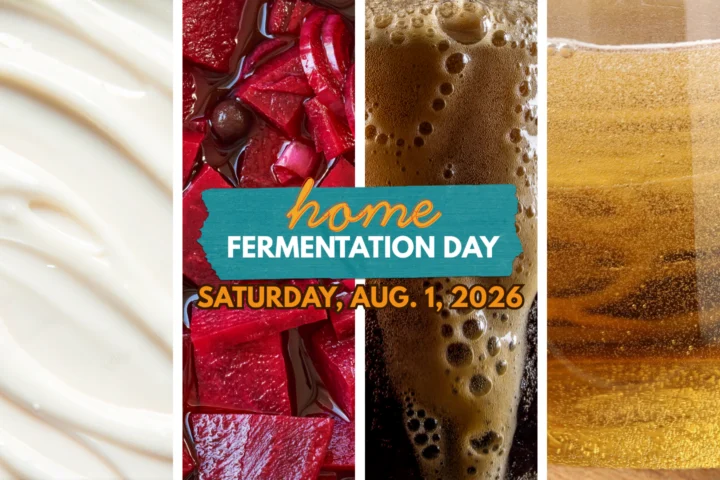

The American Homebrewers Association (AHA) has officially designated August 1, 2026, as Home Fermentation Day, an annual observance dedicated to the ancient craft and modern hobby of biological food and beverage transformation. While the organization has historically focused on the production of beer, this upcoming celebration signals a continued and deliberate expansion into the broader world of fermented foods and non-beer beverages. The event aims to unite a diverse community of hobbyists ranging from traditional beer brewers to enthusiasts of kombucha, kimchi, sourdough, and mead.
As the primary hub for fermentation education in the United States, the AHA intends to use the 2026 event to highlight the intersection of microbiology, culinary art, and sustainable living. The day will serve as both a recruitment milestone for the association and a public educational campaign designed to demystify the process of controlled spoilage—the scientific essence of all fermentation.
The Evolution of the Fermentation Movement
The designation of a specific day for home fermentation reflects a significant shift in consumer behavior and hobbyist interests over the last decade. Historically, the American Homebrewers Association, founded in 1978 by Charlie Papazian, was the vanguard of the craft beer revolution. Following the federal legalization of homebrewing in the United States in 1978, the hobby exploded, eventually giving rise to the modern craft brewery industry, which now accounts for a substantial portion of the American beer market.
However, in recent years, the boundaries of the hobby have blurred. The "DIY" food movement, spurred by a growing interest in gut health and artisanal craftsmanship, has brought fermented foods into the mainstream. Probiotics, once a niche health-food concern, are now a primary driver for home fermenters. The AHA has responded to this trend by integrating content regarding "the great beyond" of fermentation—beverages like cider and mead, and foods like sauerkraut and kefir—into its core mission.
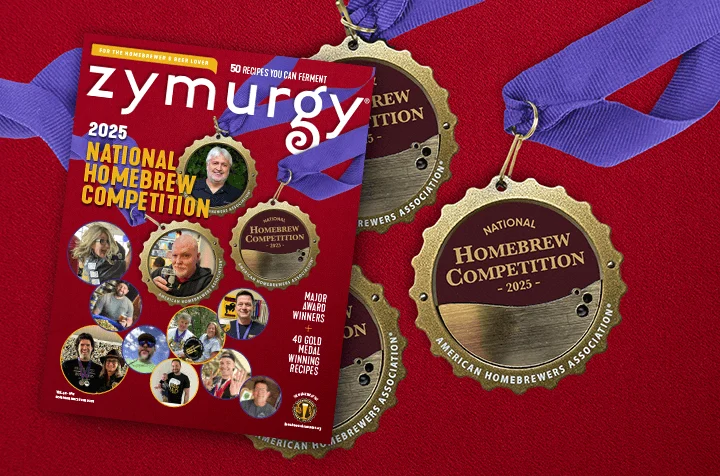
By 2026, the AHA anticipates that the home fermentation community will be more integrated than ever. The organization’s flagship publication, Zymurgy magazine, has already paved the way for this transition with its "You Can Ferment That" column, which provides technical guidance on non-malt-based projects.
Market Data and the Economic Impact of Fermentation
The decision to elevate Home Fermentation Day comes amid robust growth in the global fermented food and beverage market. According to industry analysts, the global fermented foods market was valued at approximately $575 billion in 2022 and is projected to exceed $900 billion by 2030, growing at a compound annual growth rate (CAGR) of roughly 6%.
This commercial growth is mirrored in the hobbyist sector. While the traditional homebrewing market saw a period of stabilization following the COVID-19 pandemic, interest in specialized fermentation—specifically small-batch vegetable fermentation and sourdough baking—has remained at historic highs. Market research suggests that the "probiotic revolution" has created a secondary market for fermentation hardware, such as airlocks, weights, and specialized crocks, which were previously the sole domain of beer and wine makers.
Furthermore, the AHA reports that diversifying its educational content has helped sustain membership levels. By appealing to "fermentation generalists" rather than "beer purists," the association has tapped into a demographic that is younger and more gender-diverse than the traditional homebrewing community of the late 20th century.
A Chronology of Fermentation and Its Modern Resurgence
To understand the significance of Home Fermentation Day 2026, one must look at the timeline of the craft’s development:
- 7000–6600 BCE: Early evidence of fermented beverages in Jiahu, China, using honey, rice, and fruit.
- 1857: Louis Pasteur identifies yeast as the micro-organism responsible for fermentation, moving the practice from mystery to science.
- 1978: President Jimmy Carter signs H.R. 1337, legalizing homebrewing at the federal level in the United States. The AHA is founded shortly thereafter.
- 2010–2020: The "Sourdough and Kimchi Boom" begins, driven by culinary television and a renewed focus on microbiome health.
- 2020: The global pandemic leads to a massive spike in home-based hobbies, particularly fermentation, as supply chain issues encourage self-sufficiency.
- 2026: Home Fermentation Day serves as the formalized recognition of the hobby’s expansion into a multi-disciplinary culinary field.
This timeline illustrates that while the AHA is a relatively modern institution, the practices it promotes are foundational to human civilization. The 2026 event is designed to bridge this gap between ancient tradition and modern scientific application.
Core Pillars of Home Fermentation Day: Beverages and Beyond
The 2026 celebration will be structured around two primary categories: Fermented Beverages and Fermented Foods.
The Landscape of Fermented Beverages
While beer remains the cornerstone of the AHA, Home Fermentation Day will place equal emphasis on:
- Mead: Often called "honey wine," mead is seeing a resurgence as enthusiasts experiment with different honey varietals and fruit additions (melomels).
- Cider: The resurgence of heirloom apple varieties has transformed home cider making from a simple seasonal activity into a complex craft.
- Kombucha and Kefir: These "functional beverages" represent the fastest-growing segment of the fermentation hobby, appealing to health-conscious consumers who may not consume alcohol.
The Expansion into Fermented Foods
The AHA’s commitment to "all things fermentation" includes a robust library of resources for food-based projects. These include:
- Lacto-fermented Vegetables: Projects such as traditional pickles, sauerkraut, and kimchi which utilize naturally occurring Lactobacillus bacteria.
- Dairy Fermentation: The production of yogurt, cheeses, and cultured butter at home.
- Fungal Fermentation: The use of Koji (Aspergillus oryzae) for making miso, soy sauce, and even aged meats, which represents the "advanced" tier of the hobby.
Official Responses and Educational Initiatives
Leaders within the American Homebrewers Association have emphasized that the 2026 event is about more than just celebration; it is about accessibility. In statements regarding the association’s long-term strategy, AHA representatives have noted that many potential hobbyists are intimidated by the perceived complexity of fermentation.
"Our goal for Home Fermentation Day 2026 is to provide a point of entry for everyone," an AHA educational coordinator noted in a recent briefing. "Whether you are interested in the chemistry of a double IPA or the biological succession of a sourdough starter, the fundamental principles are the same. We are providing the hub for that knowledge."
To support this, the AHA is offering exclusive resources to its members, including digital archives of Zymurgy magazine and specialized tutorials. The "You Can Ferment That" column has been cited as a primary resource for members looking to transition from liquid to solid fermentation projects. The association’s website will also serve as a clearinghouse for local events, allowing regional clubs to host workshops and tasting sessions on August 1.
Broader Impact: Sustainability and Food Security
Beyond the culinary and social aspects, Home Fermentation Day 2026 touches upon broader societal issues, specifically sustainability and food security. Fermentation was originally developed as a method of preservation, allowing seasonal harvests to be consumed year-round without the need for refrigeration.
In the modern context, home fermentation contributes to a reduction in food waste. Overripe fruits can be turned into vinegars or wines; surplus garden vegetables can be preserved through brining. By teaching these skills, the AHA is participating in a larger movement toward "circular" home economies.
Additionally, the focus on home production reduces the carbon footprint associated with the packaging and transport of commercially fermented products. While the individual impact of one gallon of home-fermented sauerkraut is small, the cumulative effect of thousands of hobbyists participating in Home Fermentation Day signals a shift toward more conscious consumption.
Conclusion and Future Outlook
As August 1, 2026, approaches, the American Homebrewers Association is positioned to lead a diverse and growing community. Home Fermentation Day is not merely a date on the calendar but a reflection of a cultural return to artisanal roots. By providing a platform that encompasses beer, mead, cider, and food, the AHA is ensuring its relevance in a changing hobbyist landscape.
The success of the event will likely be measured by the participation of local homebrew and fermentation clubs and the continued growth of the AHA’s digital resource library. As the lines between different types of fermentation continue to blur, the 2026 celebration stands as a testament to the enduring human fascination with the microscopic world and the transformative power of yeast and bacteria. For the modern enthusiast, the message is clear: fermentation is a vast, interconnected world, and on August 1, 2026, that world will be on full display.