
The dynamic field of professional coaching, particularly in health and nutrition, is continuously evolving, demanding not only deep subject matter expertise but also nuanced interpersonal skills and robust business acumen. At the forefront of understanding these complexities is Kate Solovieva, a distinguished figure in the coaching world, known for her candid and insightful observation: “I work with coaches and other people who know too much.” This striking tagline encapsulates a core challenge many dedicated professionals face – the paradox of excessive knowledge potentially hindering practical application and business growth. Solovieva, a former professor of psychology, a PN master coach, and Precision Nutrition’s (PN) director of community engagement, offers a unique perspective derived from coaching thousands of clients, with a specialized focus on guiding other coaches. Her role as an instructor for PN’s Level 2 Master Health Coaching Certification and a facilitator for their private online communities provides her with an unparalleled vantage point into the myriad questions, triumphs, and common missteps made by both nascent and seasoned coaches.
Through her extensive work, Solovieva has observed the spectrum of coaching successes and blunders, identifying recurring patterns that can impede a coach’s effectiveness and business viability. Her insights, often shared through platforms like the Coaches Compass podcast, aim to empower coaches to transcend these common pitfalls and achieve remarkable success. This analysis delves into three primary mistakes she highlights, alongside practical, actionable solutions, offering a comprehensive guide for enhancing coaching practice and fostering sustainable professional growth.
The Foundational Role of Precision Nutrition and Expert Guidance
Precision Nutrition stands as a global leader in nutrition and health coaching education, renowned for its evidence-based approach and comprehensive certification programs. The organization’s commitment to advancing the profession is reflected in its rigorous Level 1 and Level 2 certifications, which equip coaches with the scientific knowledge and practical skills necessary to guide clients effectively. Solovieva’s integral role within PN, leveraging her background in psychology and extensive coaching experience, underscores the organization’s dedication to not just imparting knowledge but also cultivating competent and ethically sound practitioners. Her observations, therefore, carry significant weight, representing a distillation of challenges faced by a broad cross-section of professionals within a reputable and influential coaching ecosystem. The advice she imparts is not theoretical but grounded in real-world application, tested within a framework that prioritizes client success and coach development.
Coaching Mistake #1: Prioritizing Endless Learning Over Active Engagement and Sales
A prevalent challenge Solovieva identifies within the coaching community is an excessive focus on accumulating certifications and theoretical knowledge at the expense of actively building a client base and engaging in real-world coaching. She vividly illustrates a coaching business as a "three-legged stool" – encompassing coaching, business operations, and sales. The vast majority of aspiring coaches, driven by a commendable desire for excellence, tend to initially concentrate almost exclusively on the "coaching leg." They invest heavily in certifications, workshops, and continuous learning, striving to become the most knowledgeable expert possible.
This pursuit of comprehensive knowledge, while admirable, often becomes a barrier to entry. Solovieva argues that while foundational knowledge is crucial, "information and theory only get you so far." The misconception is that one must possess encyclopedic knowledge before being "ready" to coach. This leads to a detrimental cycle where coaches delay selling their services, believing they need one more certification, one more course, or a deeper understanding of a niche topic. This hesitation stems from a combination of perfectionism, imposter syndrome – the feeling of being inadequate despite evidence to the contrary – and a discomfort with the concept of "selling." Many coaches enter the profession out of a desire to help, viewing sales as a transactional, unaligned activity.
The implication of this delay is significant. Coaches who postpone selling also delay actual coaching experience. While they might amass impressive academic credentials, their practical application remains limited. In contrast, those who embrace selling earlier, even with less "complete" knowledge, gain invaluable hands-on experience. This practical engagement allows them to refine their coaching skills, understand client needs more intimately, and build their business simultaneously. Industry data consistently shows that a significant percentage of small businesses, including coaching practices, fail within the first few years, often due to a lack of effective sales and marketing strategies, rather than a deficit in technical expertise. The most successful coaches are often those who master the art of both effective coaching and proactive client acquisition.
Solution: Embrace the Role of a Coach, Not Solely an Expert
To counteract the tendency of over-preparation, Solovieva advises coaches to fundamentally shift their self-perception from being an "expert" with all the answers to a "coach" who facilitates client growth. This shift is critical because the role of an expert implies a didactic approach, where the coach dispenses information, while a coach guides and empowers.
It is natural for aspiring coaches to feel the pressure to be an authority figure, capable of fielding any question. The discomfort of not knowing an answer can be "mortifying," as Solovieva describes, feeding into the desire for endless certifications. However, this belief – that a coach must be an infallible fount of knowledge – is often erroneous. While a baseline of knowledge in fitness and nutrition principles is non-negotiable (e.g., being able to list protein sources), coaches are not expected to be walking encyclopedias of nutritional minutia or complex biochemical pathways.
The true power of a coach lies not just in what they know, but in how they guide discovery. Solovieva offers a potent example: if a client asks about seed oils, instead of launching into a detailed summary of the latest research, a coach can respond with, "That’s a great question. I can get you some information on that if you’d like, but I’m curious, why do you ask?" This simple yet profound redirection transforms a factual query into a coaching opportunity. It moves beyond information delivery to uncover the client’s underlying motivations, concerns, and goals. The client might reveal that a friend lost weight by cutting seed oils, indicating their true interest is weight loss, not the biochemistry of lipids. This approach allows the coach to address the client’s actual needs, which may have little to do with the initial question, leading to more effective and personalized strategies.
This method aligns with principles of motivational interviewing, where the coach elicits intrinsic motivation for change rather than imposing solutions. It fosters a collaborative relationship where the client feels heard and understood, rather than lectured. By focusing on why a client asks a question, coaches can pivot from providing mere information to facilitating actionable insights, thereby building stronger rapport and driving more meaningful progress. This approach not only alleviates the pressure on coaches to "know everything" but also empowers clients to take ownership of their journey, a cornerstone of sustainable behavior change.
Coaching Mistake #2: The Peril of Assuming Clients Are Reflections of Oneself
Another critical error coaches often make, despite its apparent obviousness, is unconsciously assuming their clients share similar values, preferences, and motivations. This tendency is particularly insidious when coaches develop a strong rapport or "vibe" with clients, leading them to overlook fundamental differences. For instance, a coach who deeply values morning workouts, meticulously plans meals, and prioritizes health above all else might inadvertently project these values onto a client who struggles with time management, has different dietary preferences, or views health as one of many competing priorities.
The underlying assumption is that clients, by seeking coaching, inherently share the coach’s dedication to health, fitness, and nutrition. However, as Solovieva points out, "There’s nothing inherently superior about valuing your health… Not everyone shares those values. That’s a tough one to swallow." Clients may be motivated by external factors (e.g., doctor’s orders, aesthetic goals, social pressure) or have a different hierarchy of values where health, while important, is not paramount.
When coaches fail to recognize and respect these individual differences, they risk prescribing strategies that are impractical, unsustainable, or simply unappealing to the client. This misalignment leads to frustration for both parties: clients feel misunderstood and unable to adhere to recommendations, while coaches may feel ineffective or blame the client for a lack of commitment. Over time, this erodes trust, diminishes client engagement, and often results in client attrition. The long-term implication is a failure to create lasting change and a tarnished professional reputation. Research in client psychology and adherence shows that individualized, client-centered approaches are significantly more effective than "one-size-fits-all" prescriptions, emphasizing the need for deep understanding of the client’s unique context.
Solution: Establish a Clear Client Baseline and Action Readiness
The antidote to making assumptions is to approach each client interaction with an open, curious mind, actively seeking to understand their unique baseline. This means checking personal biases and preconceived notions at the door and engaging in profound active listening.
Solovieva advocates for asking probing, open-ended questions that uncover the client’s authentic motivations, values, and current capabilities. Examples include:
- "What inspired you – or pushed you – to come in today?"
- "Why is that goal meaningful to you?"
- "What skills do you have today that might help you achieve your goal? What skills do you feel you might be missing?"
These questions move beyond superficial goal setting to delve into the client’s intrinsic drive and current resources. The challenge intensifies when clients share superficial similarities with the coach (e.g., both are single parents, training for a marathon, or cancer survivors). In such cases, the temptation to assume shared experiences is strong. Solovieva offers a powerful phrase to navigate this: "I know what [insert shared experience] has been like for me, but what has [insert shared experience] been like for you?" This acknowledges common ground while respectfully inviting the client to articulate their unique narrative, preventing the coach from projecting their own experiences.
Once a clear picture of the client’s values, priorities, and reasons for change emerges, the coach can then assess their readiness, willingness, and ability to take specific actions. This "Ready, Willing, and Able" framework, often utilized in coaching, ensures that proposed strategies are realistic and resonate with the client’s current life circumstances and capabilities. For instance, a coach who finds meal prep easy should not assume the same for a client juggling multiple jobs and family responsibilities. Tools like PN’s "Ready, Willing, and Able Worksheet" can facilitate this critical assessment, moving beyond assumptions to data-driven, client-specific planning. This systematic approach ensures that interventions are not just theoretically sound but also practically implementable and personally meaningful to the client, thereby maximizing adherence and long-term success.
Coaching Mistake #3: The Emotional Burden of Excessive Attachment to Client Outcomes
Coaching is inherently an empathetic profession. Coaches are drawn to it by a genuine desire to help and witness their clients succeed. This deep care, however, can become a "double-edged sword," as Solovieva describes. Coaches meticulously craft plans, set habits, and provide guidance, only for clients to sometimes falter or fail to execute. This can be "brutal" for coaches who have invested significant emotional energy.
It is natural for coaches to experience frustration, disappointment, or even heartbreak when clients do not achieve their desired outcomes, especially when the advice given seems foolproof. The emotional labor involved in coaching is substantial, and the line between caring about a client and caring more than the client can easily blur. Solovieva acknowledges that this emotional investment is a sign that the work is meaningful, and it should not be entirely avoided. However, the critical boundary is crossed when a coach begins to care more about the client’s results than the client themselves.
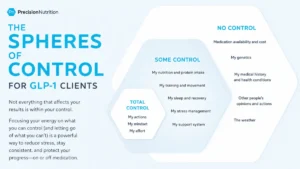
PN’s concept of "care units" elucidates this dynamic. Care units represent the amount of time, energy, attention, authenticity, and "heart" a coach invests in their clients. Clients also possess care units, which they can dedicate to their own change and growth projects. Often, clients, burdened by life’s complexities, have fewer care units to allocate than their dedicated coaches. When a coach over-invests, exceeding the client’s own commitment, it creates an imbalance that can lead to coach burnout, resentment, and an unhealthy dynamic where the coach feels overly responsible for outcomes outside their control. This over-attachment can also manifest as over-coaching, where the coach tries to "fix" the client rather than empowering them, ultimately undermining the client’s autonomy and self-efficacy.
Solution: Clearly Delineate Coach and Client Responsibilities
To maintain an appropriate level of emotional investment and prevent burnout, Solovieva emphasizes the critical importance of clearly defining the coach’s role and responsibilities. This clarity serves as a protective mechanism for the coach and a framework for the client.
By explicitly listing their accountabilities, coaches can objectively evaluate their performance: "Did I show up? Did I follow up? Did I coach this person to the best of my ability?" This allows coaches to separate their effort from the client’s outcome, recognizing that while they can influence, they cannot control.
Examples of clear coach responsibilities include:
- Providing evidence-based information and personalized strategies.
- Offering regular check-ins and support.
- Facilitating discovery and goal setting.
- Maintaining confidentiality and professional boundaries.
- Delivering agreed-upon resources or materials.
Conversely, client responsibilities must also be clearly articulated:
- Communicating openly and honestly.
- Actively participating in coaching sessions.
- Taking ownership of their goals and actions.
- Implementing agreed-upon strategies.
- Providing feedback on their progress and challenges.
This delineation should ideally occur early in the coaching relationship, often during an initial consultation or through a formal coaching agreement/contract. This early communication serves multiple purposes: it sets clear expectations, prevents future misunderstandings, and acts as a "vetting" process for coach-client fit. For instance, if a prospective client expresses expectations beyond the coach’s defined role (e.g., expecting daily texts, meal delivery, or constant monitoring), the coach can respectfully decline, recognizing a mismatch in expectations.
This proactive approach prevents "coach-client friction" and protects against burnout. It also provides a robust framework for handling challenging situations, such as client "ghosting." As Solovieva explains, when a client stops responding, a coach with clear boundaries understands it is not a personal slight but an indication of the client’s current capacity. The coach’s responsibility is to continue the agreed-upon check-ins until the contract concludes, offering support and leaving the door open, but without taking personal offense or excessive responsibility for the client’s disengagement. This professional detachment allows the coach to maintain their energy and effectiveness for other clients who are ready and willing to engage.
Bonus Insight: Acknowledging and Celebrating Coach Effort
Beyond the three primary pitfalls, Solovieva and the PN team introduce a crucial "bonus mistake" that often goes unaddressed: the failure of coaches to acknowledge and celebrate their own efforts and dedication. The nature of coaching, with its constant focus on client growth and problem-solving, can lead coaches to overlook their own journey and achievements.
The "mistakes" discussed – over-learning, projecting, and over-caring – are not indicative of incompetence but rather stem from a place of genuine care and commitment. They are normal parts of the professional learning curve. Recognizing this nuance is vital for a coach’s long-term sustainability and mental well-being. The act of giving oneself a "pat on the back" is not merely a feel-good gesture; it’s a fundamental aspect of self-care and resilience in a demanding profession. Coaches, like their clients, benefit from positive reinforcement and an appreciation for their journey.
While these pitfalls can limit potential, understanding and addressing them transforms them into opportunities for profound growth. The underlying care and passion that drive coaches to make these mistakes are, in fact, their greatest strengths. By refining their approach, coaches can channel this passion more effectively, leading to greater client success and more fulfilling careers.
Broader Implications and the Future of Coaching
The insights provided by Kate Solovieva resonate deeply within the broader coaching industry. As the demand for health and wellness coaching continues to surge – driven by increasing awareness of preventative health, chronic disease management, and the desire for personalized support – the professionalism and efficacy of coaches become paramount. Industry reports from organizations like the International Coaching Federation (ICF) consistently highlight the importance of strong ethical guidelines, continuous professional development, and robust business practices for sustained success.
By addressing issues like sales apprehension, client assumption, and emotional over-attachment, coaches not only improve their individual practices but also elevate the entire profession. A coach who understands the nuances of client motivation, respects boundaries, and effectively manages their business is more likely to achieve sustainable success, retain clients, and contribute positively to the industry’s reputation. These principles foster a coaching environment that is truly client-centered, results-oriented, and professionally sustainable.
For those aspiring to enter the coaching field or veteran coaches seeking to refine their craft, these lessons serve as invaluable guidance. The journey to becoming an exceptional coach involves continuous learning, not just of subject matter, but of self-awareness, professional boundaries, and effective business strategies. Resources like the PN Level 1 Nutrition Coaching Certification offer comprehensive training that integrates these essential components, empowering coaches to build sustainable nutrition and lifestyle habits with their clients, while simultaneously building a thriving and meaningful career. Embracing Solovieva’s wisdom is not just about avoiding errors; it’s about unlocking the full potential of coaching to create lasting positive change in the world.