
Located in the heart of Chicago’s Andersonville neighborhood, Minyoli has emerged as a singular culinary destination, serving as the city’s only restaurant dedicated to Taiwanese juancun cuisine. Founded by chef and owner Rich Wang, the establishment is more than a dining venue; it is a living archive of a specific, post-war historical period that reshaped the cultural and gastronomic landscape of Taiwan. By blending the rugged, home-style traditions of military villages with the bold, immigrant-driven food culture of Chicago, Minyoli offers a sophisticated exploration of identity, memory, and the evolution of fusion cooking. The restaurant, recently recognized in the national Top 50 Independent Restaurants of 2026, represents a significant shift in how regional Asian cuisines are presented and preserved in the American Midwest.
The Historical Genesis of Juancun Cuisine
To understand the menu at Minyoli, one must first understand the historical weight of the term "juancun." These were military dependents’ villages established in Taiwan starting in 1949. Following the conclusion of the Chinese Civil War, approximately 1.2 million Kuomintang (KMT) soldiers and their families fled mainland China for Taiwan. To house this massive influx of people, the government constructed hundreds of temporary villages across the island. These communities were melting pots of different regional backgrounds, bringing together individuals from the spicy Sichuan Basin, the wheat-growing regions of Northern China, and the coastal provinces of the Shanghai River Delta.
Chef Rich Wang’s restaurant is named after the specific juancun neighborhood in Taipei where he spent his childhood. In these villages, the necessity of survival and the proximity of diverse neighbors led to a unique style of "fusion" long before the term became a culinary buzzword. Because resources were often scarce in these urban settlements, families shared recipes and adapted mainland techniques to local Taiwanese ingredients. The resulting cuisine is characterized by its heartiness and its ability to bridge disparate regional palates.
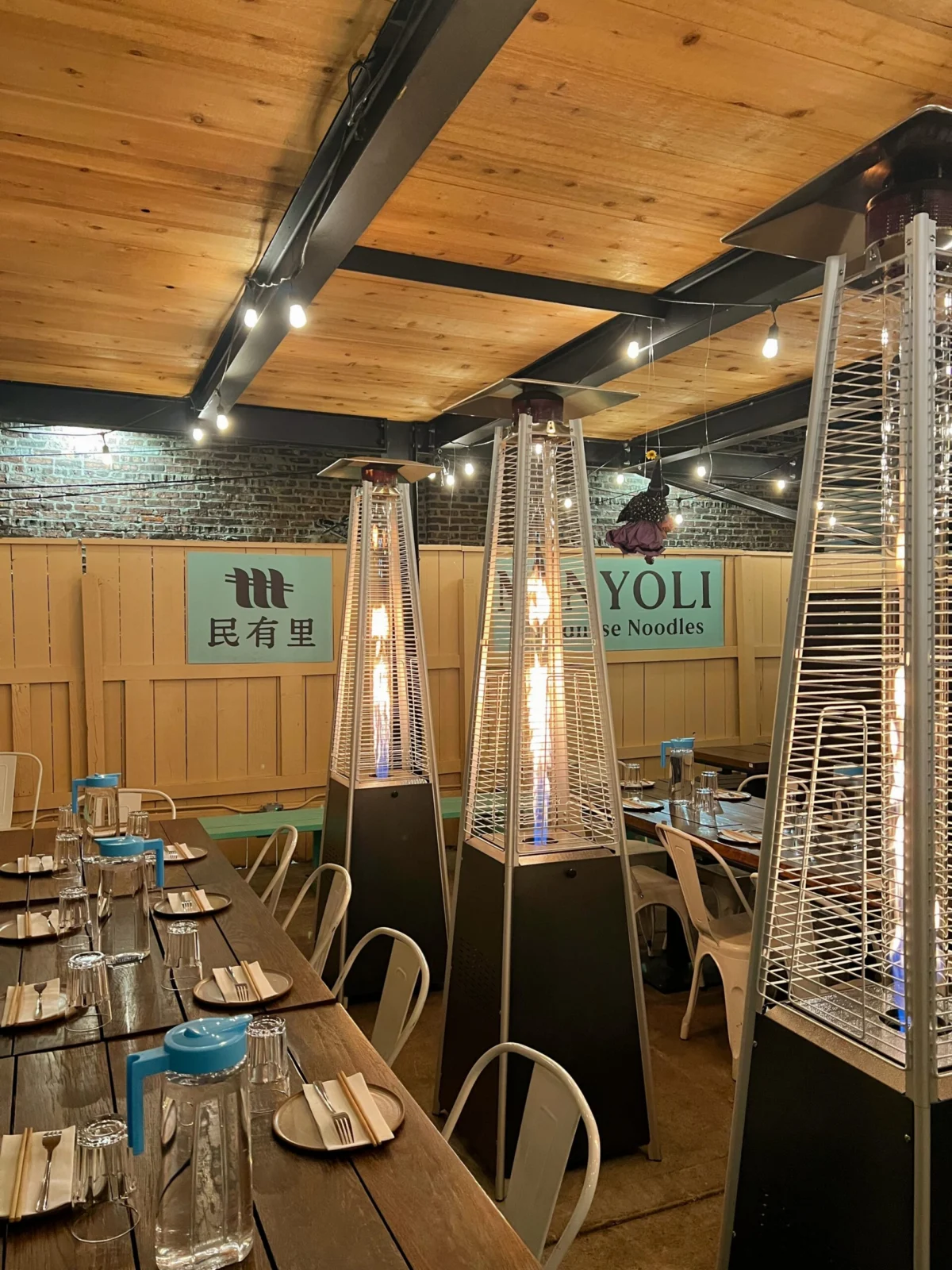
The physical design of Minyoli pays direct homage to this era. The storefront and interior are draped in "juancun green," a specific shade ranging from aquamarine to seafoam. This color was ubiquitous in the villages, used to paint doors and window trims. Wang notes that while the villages were often considered "urban slums" by outsiders, the vibrant greens provided a sense of liveliness and community. At Minyoli, this aesthetic choice serves as a visual bridge for diners, signaling a space that is rooted in nostalgia but revitalized for a modern Chicago audience.
Technical Precision in the Kitchen: The Art of the Noodle
At the core of Minyoli’s culinary program is a commitment to the "handmade" ethos that defined the mom-and-pop shops of Wang’s youth. The kitchen staff produces fresh noodles daily, a process that requires a high degree of technical skill and environmental awareness. Unlike mass-produced pasta, the dough at Minyoli is adjusted based on the day’s humidity levels. By manipulating the hydration of the flour, the team ensures a consistent "q-texture"—a Taiwanese term used to describe the ideal bounce and chewiness of a noodle.
This dedication to consistency is not merely for show; it has a tangible impact on the diner’s experience. In the context of juancun cuisine, noodles represent the influence of Northern Chinese refugees who relied on wheat as a staple. At Minyoli, these noodles serve as the vehicle for complex broths and sauces that highlight the "red-braising" (hong shao) method common in the Shanghai region. This technique involves slow-cooking meats in a mixture of soy sauce, sugar, and aromatics until they achieve a deep, mahogany hue and a melt-in-the-mouth tenderness.

A Synthesis of Two Cities: The Chicago-Taiwanese Connection
While Minyoli is deeply rooted in Taiwanese history, it is equally a product of Chicago. Chef Wang, who moved to the city as a teenager, views the culinary identities of both locations as surprisingly compatible. Chicago’s food scene is famously built on the backs of immigrant traditions—specifically those involving preserved vegetables, beef culture, and robust, "street-style" flavors.
This synthesis is best exemplified in Minyoli’s Sunday special: the Luwei Beef Shaobing. Luwei refers to a master stock flavored with soy and a proprietary blend of Taiwanese herbs used to braise beef shank. Traditionally, this beef is served as a cold or room-temperature appetizer. However, Wang reimagines it as a sandwich, placing the sliced shank inside a flaky, layered Taiwanese sesame flatbread (shaobing).
In a nod to Chicago’s iconic Italian Beef tradition, the sandwich is topped with house-made giardiniera and served with a side of the braised beef jus for dipping. This dish represents a "shared food language," where the fermented tang of the giardiniera mimics the "effervescent pickling" techniques found in Northern Chinese cuisine. By finding these emotional and cultural overlaps, Wang creates a menu that feels authentic to his dual identity as a Taiwanese immigrant and a Chicagoan.
Narrative Mixology and the Bespoke Bar Program
The storytelling at Minyoli extends beyond the plate and into the glass. Lead bartender Robert Donaldson has developed a beverage program that mirrors the kitchen’s philosophy of blending traditional Asian ingredients with Western classics. The "bespoke" nature of the program allows for a rotating menu that responds to the seasons and the specific atmosphere of the dining room.
Key highlights of the cocktail menu include:
- The Cordia Seed Martini: Utilizing the brine of cordia seeds—often referred to as "Taiwanese capers"—this drink provides a savory, umami-rich twist on the classic dirty martini.
- The Sichuan Gin and Tonic: Infused with Sichuan peppercorns, this drink introduces the "ma" (numbing) sensation characteristic of Southwestern Chinese cooking to a refreshing highball.
- The Chicago-Taipei Old Fashioned: This signature drink combines high-end Taiwanese whisky with Jeppson’s Malört, a bitter wormwood liqueur that is a polarizing staple of Chicago bar culture. The addition of five-spice syrup and mandarin peel creates a bridge between the two spirits, resulting in a complex, herbal profile.
Wang describes the bar program as a "living menu," designed to foster participation and engagement. It is an unexpected element that elevates the restaurant from a traditional noodle shop to a contemporary hospitality experience.
Community and Identity in Andersonville
The choice of Andersonville as Minyoli’s home was a deliberate one. Historically a Swedish enclave, the neighborhood has evolved into one of Chicago’s most diverse areas, known for its strong LGBTQ+ presence and its support of independent businesses. For Rich Wang and his cousin X. Wang, who manages the front of house, the neighborhood’s history of "chosen family" resonates with their own identities as queer API (Asian and Pacific Islander) entrepreneurs.

Minyoli actively integrates itself into the social fabric of the neighborhood through various community-focused initiatives. The restaurant hosts Asian movie nights and drag performances featuring API artists, providing a platform for visibility that is often lacking in traditional ethnic dining spaces.
"As an API restaurant, it felt important not to exist separately from that culture, but to actively participate in and contribute to it," Rich Wang explained. By featuring menu items that celebrate Pride and hosting events that cater to the queer Asian American community, Minyoli serves as a sanctuary where multiple identities can coexist. This commitment to inclusivity has become a cornerstone of the restaurant’s brand, fostering a loyal local following.
Accolades and Industry Impact
Since its opening, Minyoli has rapidly ascended the ranks of Chicago’s competitive dining scene. Its trajectory of success is marked by several key milestones:
- Spring 2024: Named one of the "Most Anticipated Openings" by Bon Appétit.
- 2025: Established a reputation for noodle consistency and "bespoke" hospitality.
- 2026: Nominated for a Jean Banchet Award for Outstanding Hospitality, an honor often cited as the "Chicago Oscars" of the culinary world.
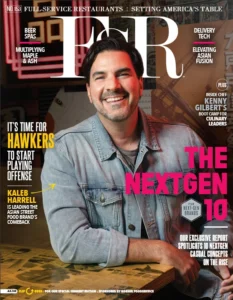
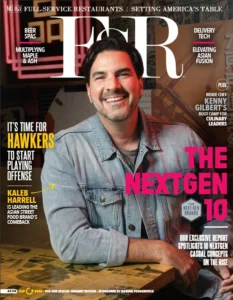
- 2026: Included in FSR Magazine’s Top 50 Independent Restaurants, highlighting its national relevance.
Industry analysts suggest that Minyoli’s success reflects a broader trend in the American restaurant industry: the move toward hyper-regionality. Diners are increasingly seeking out specific cultural narratives—such as juancun cuisine—rather than broad, generalized "Asian fusion." By focusing on a niche historical context and executing it with high-level technical skill, Minyoli has set a new standard for immigrant-led restaurants in the Midwest.
Conclusion: A Living Story
The story of Minyoli is ultimately one of resilience and adaptation. The juancun villages of Taiwan were born out of the necessity to create a home in a foreign land using whatever resources were available. Rich Wang has taken that spirit of "making home" and applied it to the Chicago landscape.
The restaurant serves as a reminder that culture is not a static artifact to be preserved in a museum, but a living, breathing entity that changes as it touches new places. As guests finish their meals of hand-pulled noodles and Sichuan-infused cocktails, they leave with a deeper understanding of the complex history of Taiwan and the vibrant, inclusive future of Chicago’s culinary scene. Minyoli proves that when the emotional and cultural connections are natural, food becomes a powerful medium for storytelling, bridging the gap between the military villages of the 1940s and the bustling streets of 21st-century Chicago.