
When the holiday season approaches, the allure of effortless, crowd-pleasing baked goods becomes paramount. Slice-and-bake cookies stand out as a champion in this regard, offering a simplified path to producing a generous quantity of treats with minimal fuss. The preparation is typically straightforward, often requiring just a single bowl, and the process can be conveniently segmented into manageable stages, alleviating the need to dedicate extensive blocks of time. Eliminating the need for scooping or rolling, a single batch yields an abundance of cookies. Exemplifying this efficiency are these uncomplicated vanilla slice-and-bake sourdough discard cookies, perfectly suited for festive gatherings.
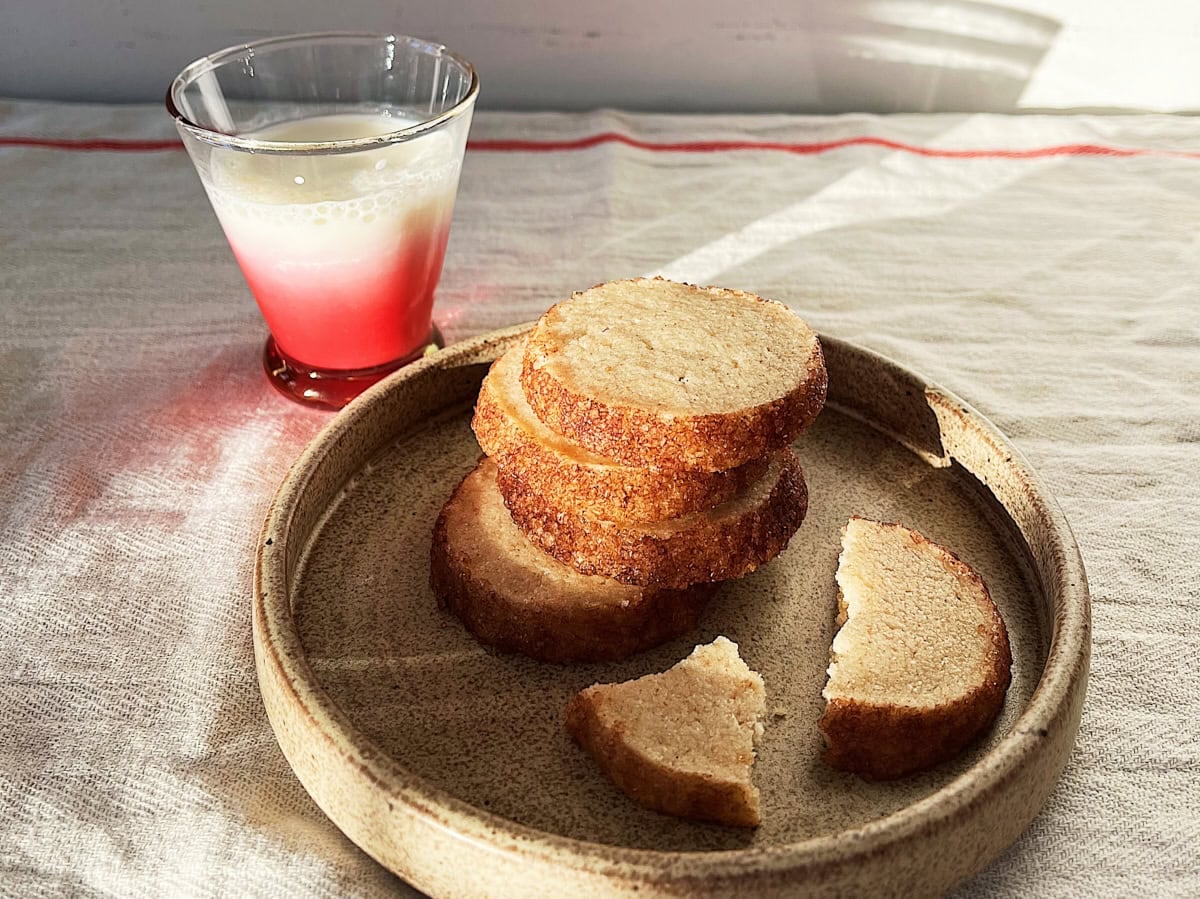
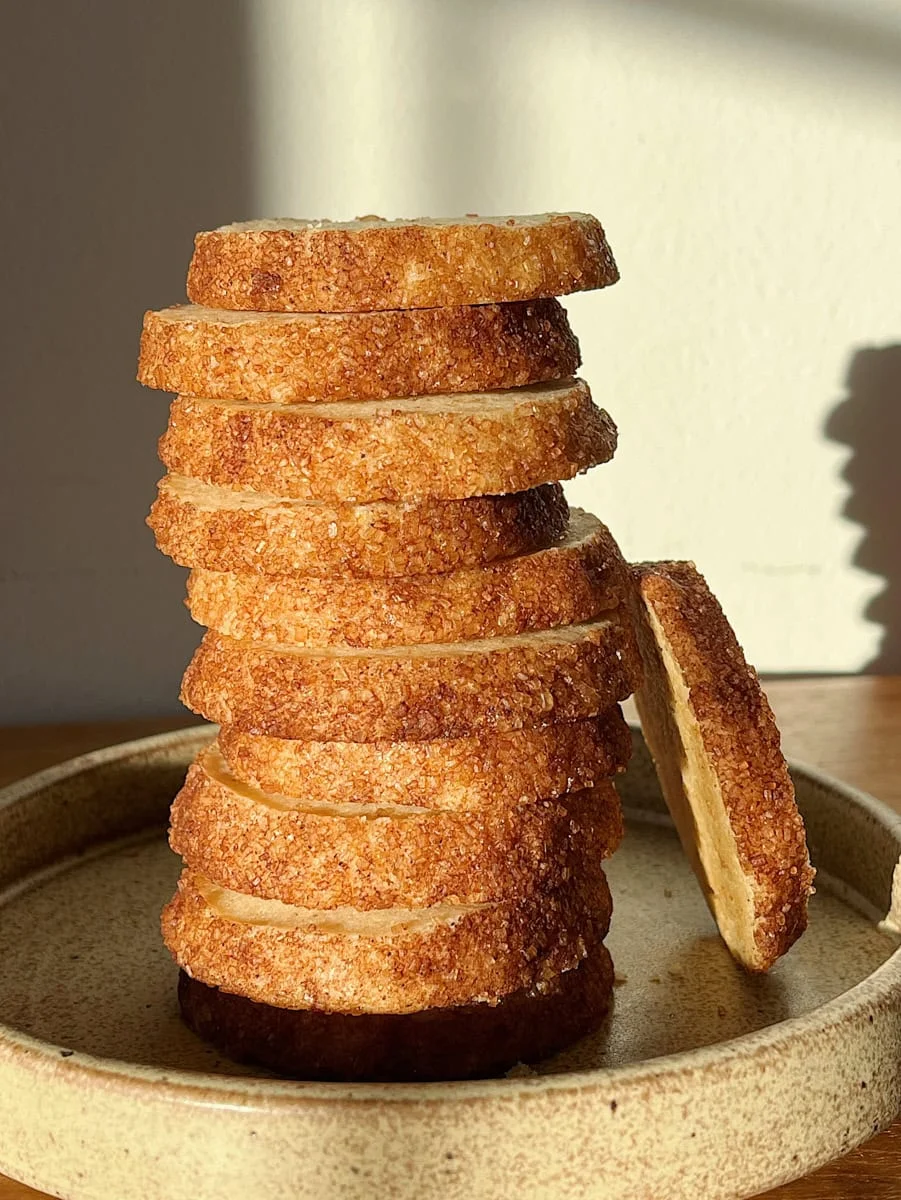
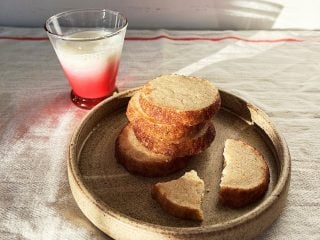
The distinctive "cinnamon toast" character of these cookies is derived from a generous coating of Demerara sugar and cinnamon. This sweet, slightly spicy exterior harmonizes beautifully with the buttery, subtly tangy dough, evoking the comforting nostalgia of a beloved childhood treat. While they may not possess the flamboyant visual appeal of other cookies adorning a festive spread, their irresistible flavor ensures that the absence of colorful sanding sugar or crushed candy canes will be quickly forgotten as they are enthusiastically devoured.
Optimizing the Cookie Ratio for Superior Texture
Traditional cookie ratios often adhere to a 1:2:3 proportion of sugar, butter, and flour by weight, respectively. However, this standard can result in a rather firm and floury slice-and-bake cookie, particularly when the recipe incorporates a modest amount of sugar and lacks the chewiness or aeration provided by eggs. This particular recipe deviates from that norm, utilizing 250 grams (approximately 2 cups) of all-purpose flour, augmented by an additional 35 grams from sourdough starter discard. This adjustment results in a more favorable ratio of approximately 1 part sugar (150 grams) to 1.5 parts butter (226 grams) to just under 2 parts flour. This refined ratio contributes to a more tender and palatable cookie texture.
The Undeniable Impact of High-Quality Butter
The simplicity of the dough means that the inherent flavor of each ingredient plays a crucial role in the final outcome. For these cookies, the quality of the butter is particularly impactful. Opting for a high-quality butter, such as a European-style butter with its higher fat content, is strongly recommended to elevate the overall taste profile. The nuanced flavors of premium butter will be readily apparent, transforming a simple cookie into a more sophisticated indulgence.
The Subtle Enhancement of Sourdough Starter Discard
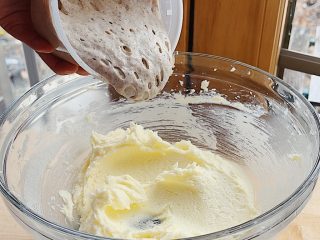
While traditional shortbread-style cookies typically eschew water, the inclusion of sourdough starter discard introduces a subtle tang and a desirable moisture content. This fermentation byproduct, when used judiciously, adds a layer of complexity without overpowering the other flavors. For those accustomed to recipes that call for browning butter to reduce moisture, it is worth noting that this recipe’s hydration is managed through the starter. While browning the butter could be explored as a variation, potentially altering the bake time, the current formulation leverages the natural moisture of the discard effectively. This approach not only simplifies the process but also harnesses the unique characteristics of sourdough.
Embracing Flavor Variations for Personalization
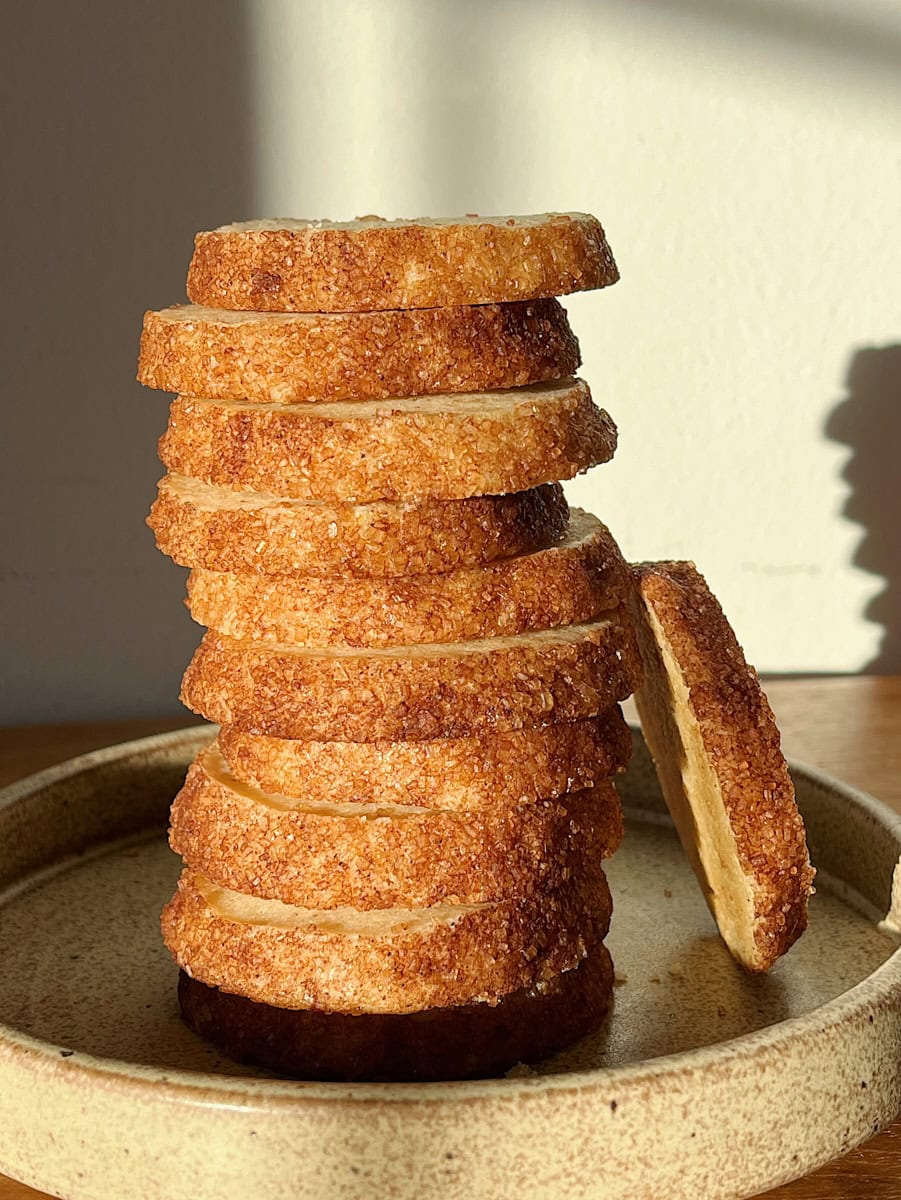
While the classic vanilla and cinnamon combination is undeniably delightful, these cookies offer a versatile canvas for creative flavor exploration. Infusing the dough with citrus zest, such as lemon, grapefruit, or orange, can introduce a bright, zesty counterpoint. Alternative extracts like rose water, orange flower water, or almond extract can be used in place of or in addition to vanilla, offering distinct aromatic profiles. A touch of toasted sesame oil can impart a delightful roasty-toasty undertone. For added texture and complexity, finely chopped chocolate or toasted nuts can be incorporated. Even instant coffee or espresso, powdered teas like matcha and hojicha, or finely ground tea leaves such as Earl Grey can be skillfully integrated into the dough, creating unique flavor dimensions. Detailed measurements and further tips for these variations can be found in the frequently asked questions section.
Leveraging Electric Mixers for Effortless Dough Preparation
While the dough can certainly be prepared by hand with sufficient arm strength, utilizing an electric mixer—either a hand mixer or a stand mixer—significantly streamlines the creaming of butter and sugar. This efficiency is particularly beneficial when preparing larger batches, ensuring a well-emulsified and consistently textured dough. The Breville Handy Mixer, a favored tool for many bakers, is often cited for its power and ergonomic design, making it a valuable asset in any kitchen.
The Crucial Step of Chilling the Dough
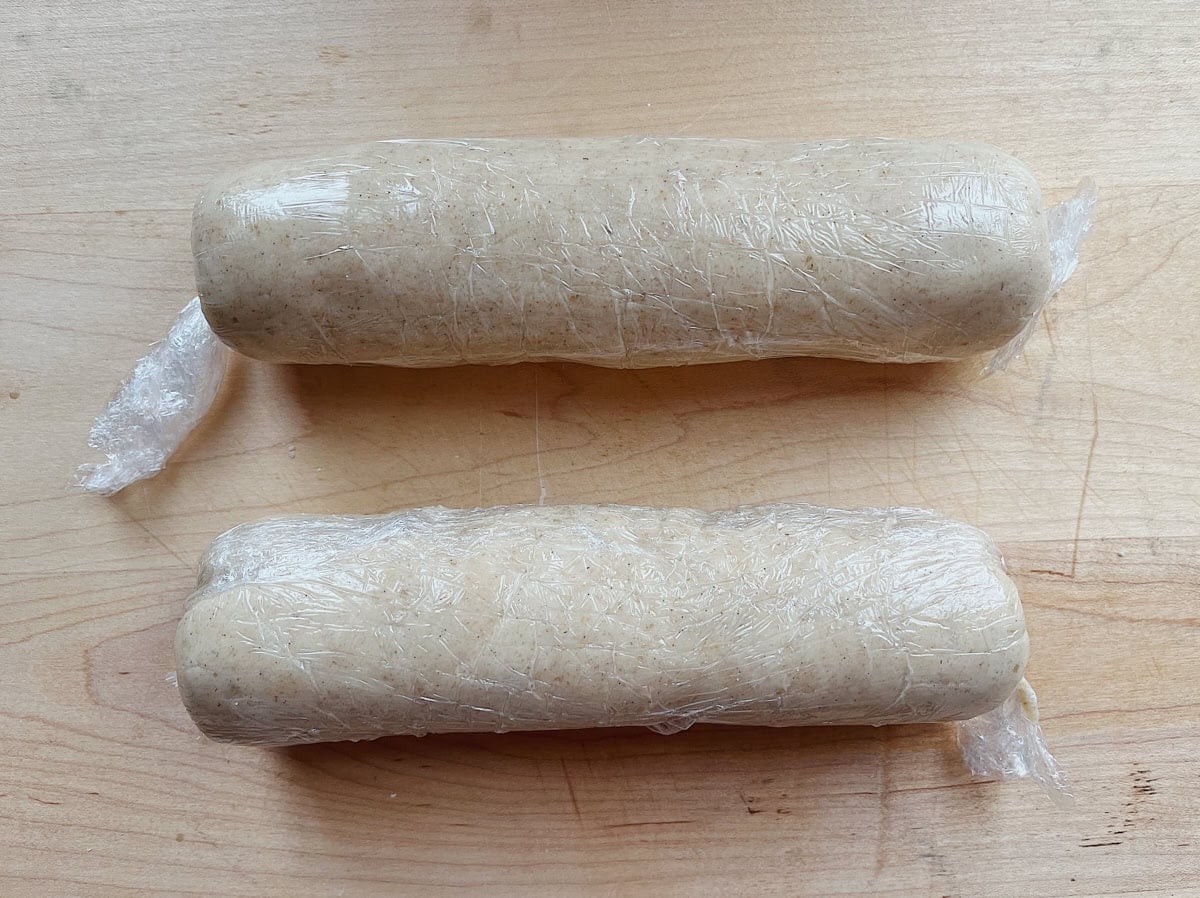
Due to the relatively higher ratio of butter to flour in this recipe, the dough exhibits a soft and pliable consistency. This can, in turn, lead to excessive spreading when the cookies are exposed to oven heat. To counteract this and ensure beautifully formed, neat cookie rounds, a substantial chilling period is essential. Allowing the dough to rest in the refrigerator for a minimum of two hours solidifies the butter, preventing unwanted spread and promoting a more controlled bake. This chilling step is critical for achieving the desired shape and texture.
The Irresistible Appeal of a Cinnamon Sugar Rim
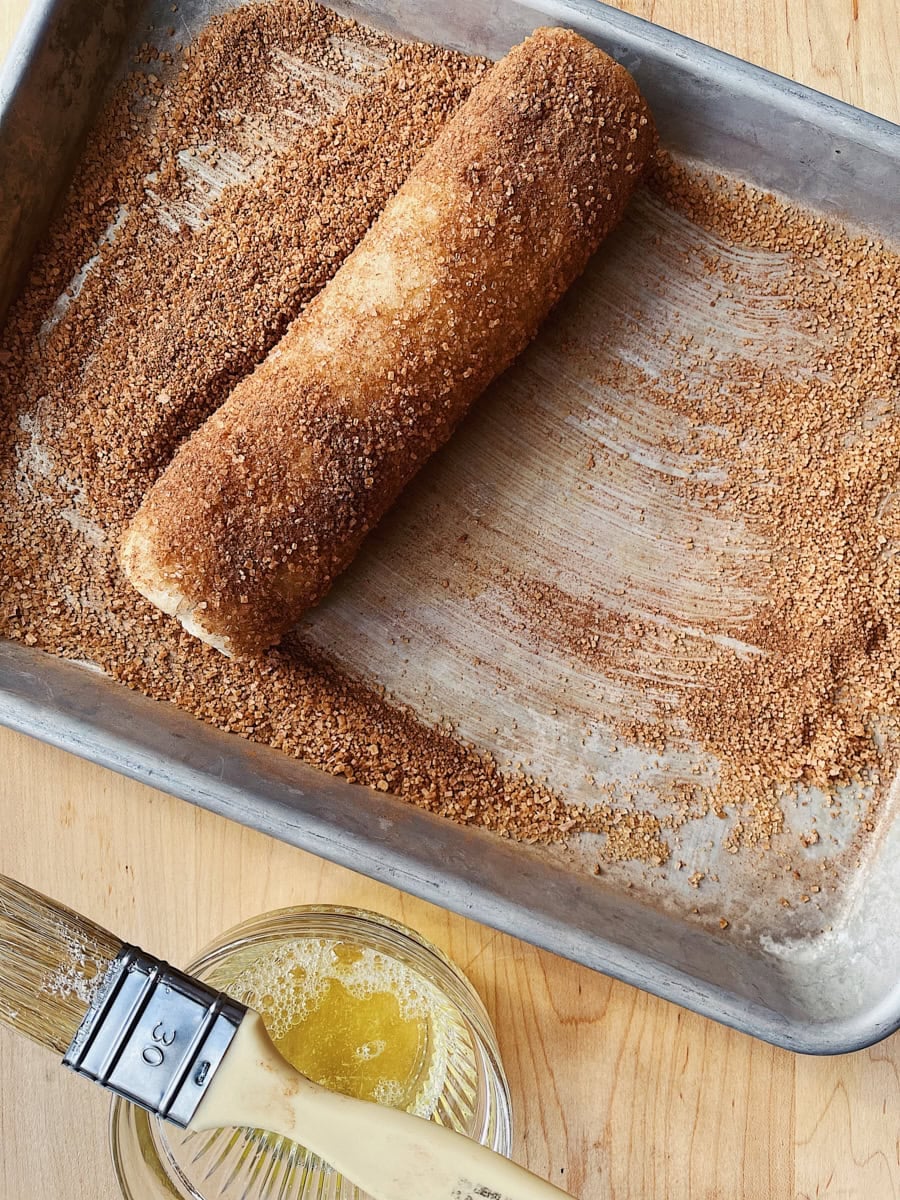
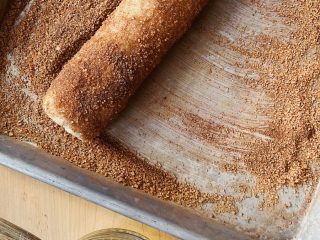
The characteristic "cinnamon toast" essence of these cookies is amplified by the signature coating of Demerara sugar and cinnamon applied to their edges. This crunchy, sweet exterior provides a delightful textural contrast to the tender cookie. For those seeking alternative flavor profiles, ground cardamom or sumac can serve as excellent substitutes for cinnamon in the sugar coating, offering distinct yet equally appealing taste experiences. Toasted white or black sesame seeds also present an intriguing and visually appealing coating option, adding a nutty depth.
Mastering the Bake Time for Optimal Results
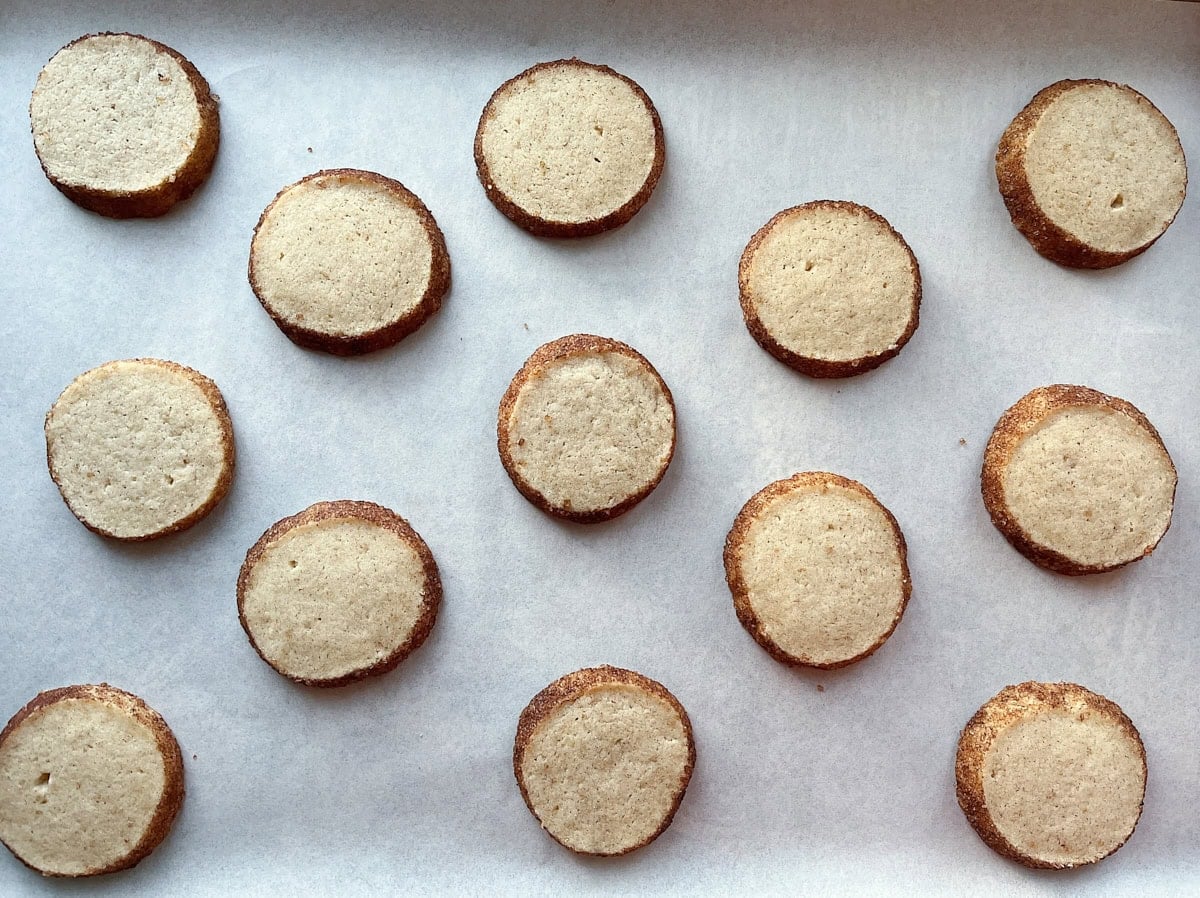
The presence of water from the sourdough starter means that this dough is more hydrated than that of many other cookie varieties. Consequently, the cookie tops may not develop a deep golden-brown hue during baking, making it somewhat challenging to ascertain doneness solely by visual cues. A slightly underbaked slice-and-bake cookie can be less satisfying than a perfectly baked chocolate chip cookie, for instance. Therefore, it is advisable to bake these cookies for a slightly longer duration, ensuring they are thoroughly cooked through. A minimum of 14 minutes is recommended, with a careful check of the bottoms for a light golden color providing a reliable indicator of readiness.
Frequently Asked Questions and Advanced Customizations
Can I use other flavorings in the dough or sugar coating?
Absolutely. For the dough, consider incorporating up to two tablespoons of citrus zest (lemon, grapefruit, or orange) rubbed into the sugar before creaming with the butter. Experiment with alternative extracts such as rose water, orange flower water, or almond extract, using caution as they are potent. A teaspoon of toasted sesame oil adds a unique nutty dimension. For added texture, up to 130 grams (approximately 3/4 cup) of chopped chocolate or toasted nuts can be folded in. Instant coffee or espresso, powdered teas like matcha and hojicha, or even finely ground tea leaves such as Earl Grey offer exciting flavor possibilities. For the sugar coating, ground cardamom or sumac are delightful alternatives to cinnamon, and toasted white or black sesame seeds provide a savory crunch.
Can I add other flours to the dough?
Yes. You can substitute up to 60 grams (about 1/2 cup) of the all-purpose flour with heartier wheat flours like whole wheat, rye, or spelt, or even a pseudocereal like buckwheat flour for an earthy note. For a touch of crunch, incorporating 15 grams (about 2 tablespoons) of medium-grind cornmeal is also an excellent option.
Can I use my favorite beeswax-based reusable wrap for the dough?
It is not recommended to use beeswax-based wraps for extended dough chilling. The waxy coating can potentially leach into the dough over time. Instead, wrap the dough securely in parchment paper, which can then be reused for baking. Alternatively, consider using a washable stretch wrap designed for food storage.
Can I freeze the sliced cookies and bake them later?
Indeed. The sliced cookies can be coated in the cinnamon-sugar mixture and frozen for future baking. Arrange them on a parchment-lined baking sheet, ensuring they do not touch initially. Once frozen solid (approximately 2 hours), they can be transferred to an airtight container, with parchment paper layers to prevent sticking, and stored for up to three months. Bake directly from frozen, adding an additional 2-4 minutes to the baking time.
How do I achieve perfectly round cookies?
While the dough can be somewhat challenging to form into a perfectly cylindrical log, minor imperfections in shape are part of the charm of homemade cookies. If perfectly round cookies are a priority, a simple trick is to use a glass or round biscuit cutter to gently reshape the cookies immediately after they have baked and slightly cooled, while they are still pliable. This will ensure a uniform, aesthetically pleasing appearance.

The development and popularity of sourdough starter discard recipes have surged in recent years, driven by a growing interest in reducing food waste and exploring the unique flavor profiles that fermented ingredients offer. Sourdough starter discard, the portion of starter removed before feeding, is a rich source of flavor and can be a valuable ingredient in a wide array of baked goods, from breads and pancakes to the cookies featured here. The "cinnamon toast" flavor profile itself is a universally beloved combination, evoking comfort and warmth, making these cookies a perennial favorite, especially during the holiday season when nostalgic flavors are highly sought after.
The culinary trend towards utilizing "discard" ingredients reflects a broader societal shift towards sustainability and mindful consumption. Bakers are increasingly recognizing the potential of what might have once been considered waste, transforming it into delicious and satisfying treats. This recipe exemplifies this trend by ingeniously incorporating sourdough discard into a classic cookie format, offering both a practical solution for managing starter and a delightful new flavor experience. The ease of the slice-and-bake method further enhances its appeal, making it an accessible option for bakers of all skill levels.
The implications of such recipes extend beyond the kitchen. They contribute to a more resourceful approach to cooking and baking, encouraging individuals to think creatively about ingredient utilization. Furthermore, the popularity of sourdough baking itself has fostered a vibrant online community where bakers share tips, recipes, and experiences, further democratizing the art of bread and pastry making. These "cinnamon toast" sourdough discard cookies are a testament to this ongoing culinary evolution, offering a delicious intersection of tradition, innovation, and sustainability.
For those seeking further inspiration, a comprehensive collection of sourdough starter discard recipes, encompassing cookies, brownies, cakes, and more, is readily available. Happy baking!