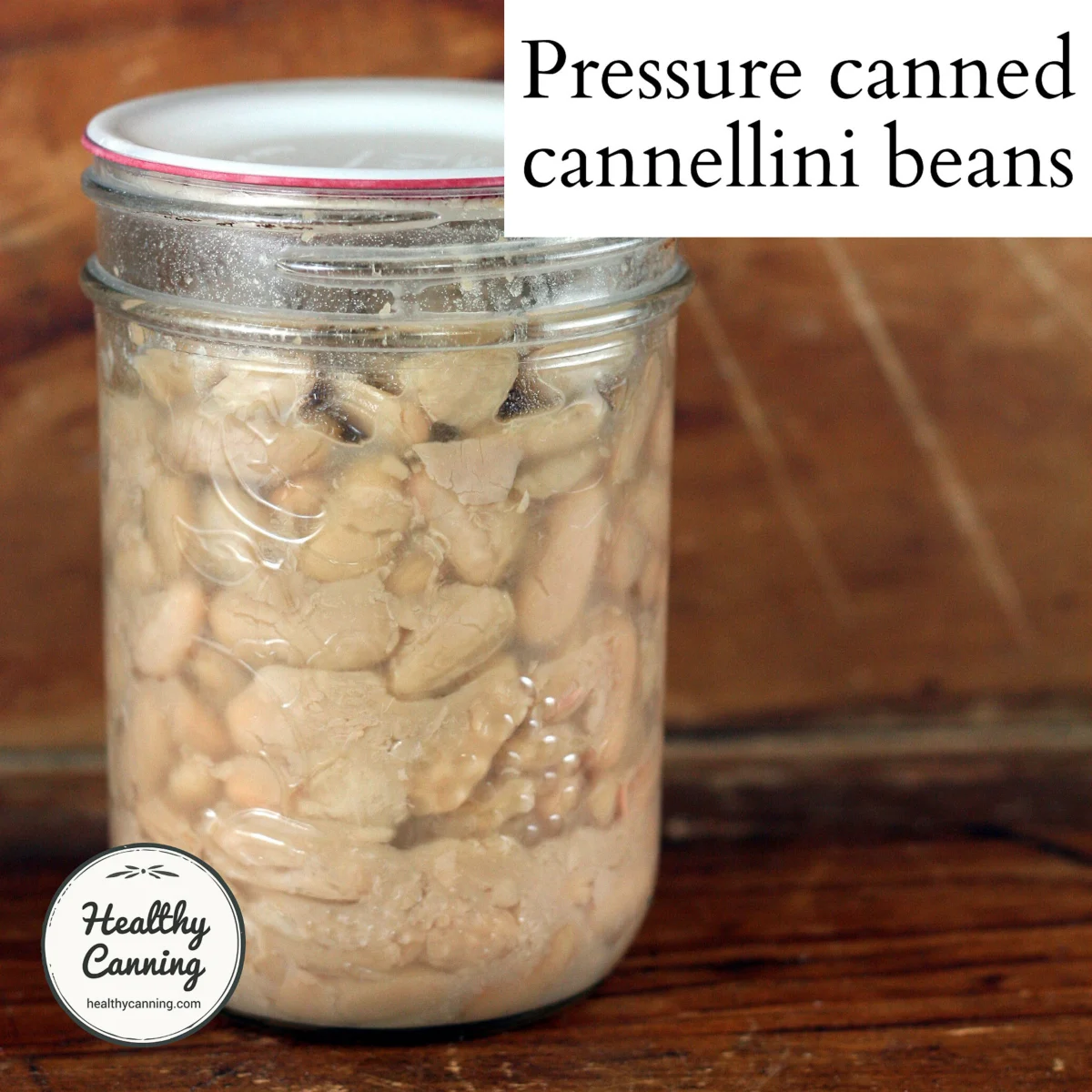

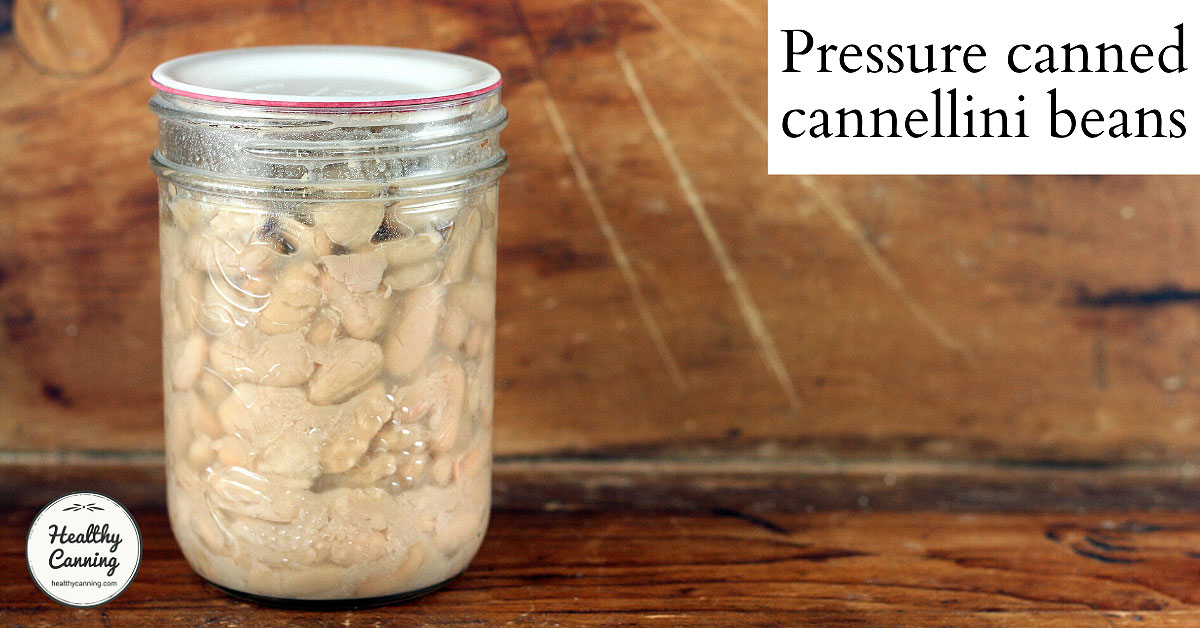
The practice of home food preservation has seen a significant resurgence in recent years, driven by a growing consumer interest in food security, the reduction of chemical additives, and the economic benefits of bulk processing. Among the most versatile staples for the home pantry is the cannellini bean, also known as the white kidney bean. While commercially canned beans are a supermarket mainstay, the ability to process these legumes at home allows for greater control over sodium content and texture. However, the preservation of low-acid foods such as beans requires a rigorous adherence to scientific protocols to ensure safety and shelf stability. According to the United States Department of Agriculture (USDA) and the National Center for Home Food Preservation (NCHFP), the only safe method for canning dried beans is through the use of a pressure canner, a device capable of reaching temperatures necessary to neutralize heat-resistant pathogens.
The Botanical and Culinary Profile of Cannellini Beans
Cannellini beans, a variety of Phaseolus vulgaris, are native to South America but became a cornerstone of Italian cuisine, particularly in Tuscany. They are characterized by their creamy white color, kidney shape, and a nutty, earthy flavor. Nutritionally, they are a powerhouse of plant-based protein, dietary fiber, and essential minerals such as iron and magnesium. A standard 130-gram serving of cooked cannellini beans provides approximately 100 calories, 6 grams of protein, and 5 grams of fiber, with negligible fat content.
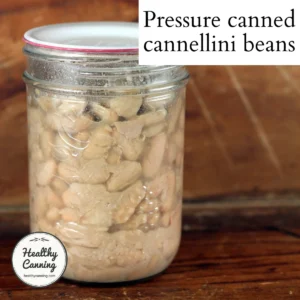
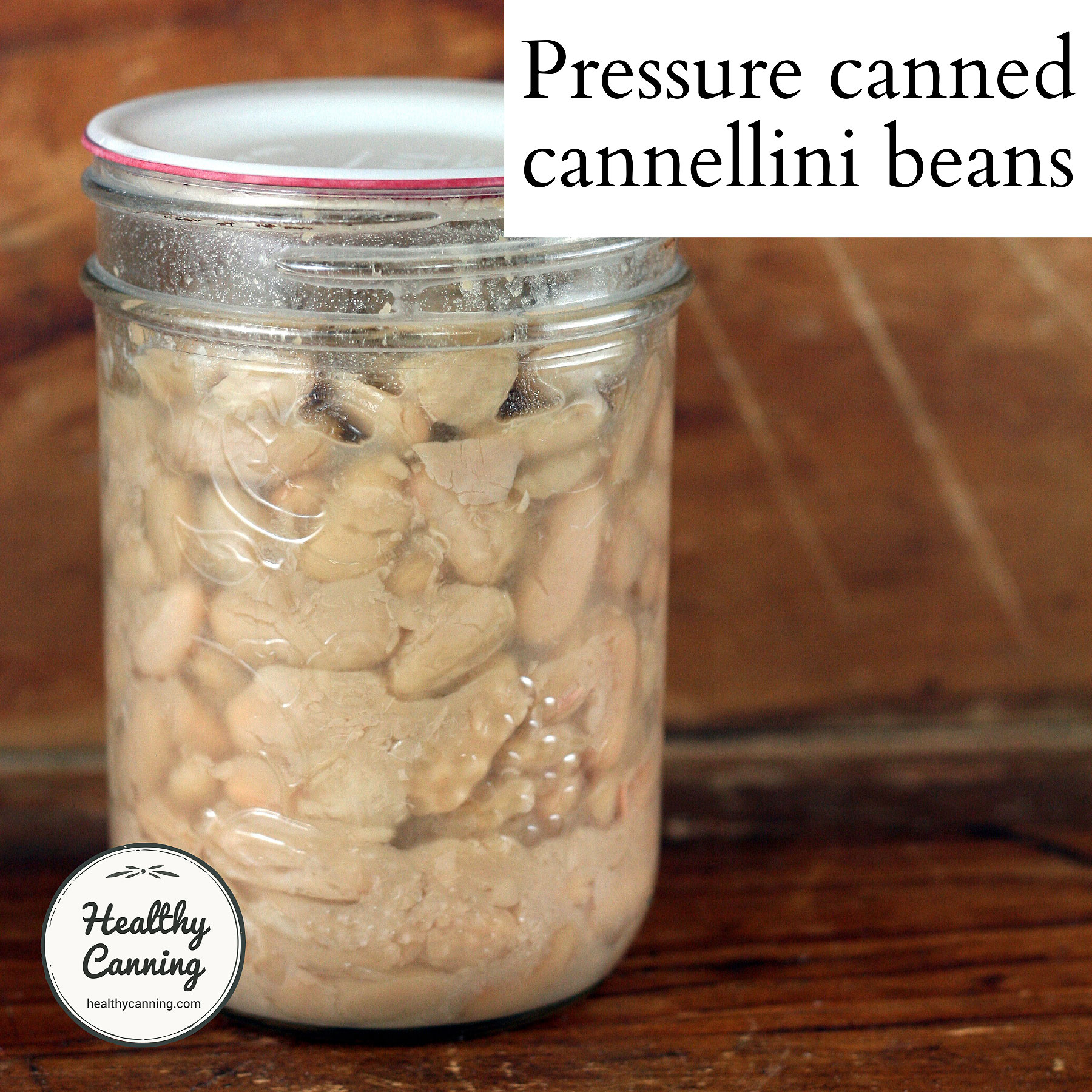
When processed in a home environment, cannellini beans undergo a significant textural transformation. Due to the high heat and extended processing times required for safety, home-canned cannellini beans tend to be much softer than their commercial counterparts. Culinary experts note that while these beans may lose the structural integrity required for cold bean salads, they are ideal for applications where a creamy consistency is desired. They excel in soups like minestrone, pasta e fagioli, and as a base for purées, pâtés, and dips.
The Technical Necessity of Pressure Canning
The fundamental challenge in canning legumes lies in their pH level. Cannellini beans are a low-acid food, meaning they have a pH value higher than 4.6. This environment is conducive to the growth of Clostridium botulinum, the bacterium responsible for botulism, a rare but potentially fatal form of food poisoning. The spores of C. botulinum are highly heat-resistant and can survive in boiling water (212°F or 100°C).
To eliminate these spores, the internal temperature of the food must reach at least 240°F (116°C). This temperature can only be achieved under pressure. Therefore, water-bath canning—a method suitable for high-acid foods like pickles and jams—is strictly prohibited for beans. Modern pressure canners utilize either a weighted gauge or a dial gauge to monitor internal pressure, ensuring that the necessary thermal death time for bacteria is maintained throughout the processing cycle.
Chronology of the Canning Process: From Dry Bean to Sealed Jar
The transformation of dried cannellini beans into a shelf-stable product is a multi-step process that requires careful timing and preparation. The timeline begins with the hydration of the beans, a critical step to ensure even heat penetration during the canning cycle.
Phase 1: Hydration and Sorting
Before any heat is applied, the dried beans must be sorted to remove stones, debris, or shriveled specimens. Once cleaned, the beans must be hydrated. There are two primary methods for this:
- The Traditional Soak: Beans are submerged in water for 12 to 24 hours in a cool environment.
- The Quick Soak: Beans are placed in a pot of water, brought to a boil for two minutes, and then allowed to sit, covered, for one hour.
Regardless of the method, the soaking water is discarded after the beans have doubled in volume. This helps reduce the complex sugars that contribute to digestive discomfort.
Phase 2: Parboiling
Following hydration, the beans are placed in fresh water and parboiled. This is not a full cooking cycle but a brief boiling period (typically 30 minutes) to ensure the beans are hot when they enter the jars. This "hot pack" method is the standard recommended by the USDA to prevent jar breakage and ensure better vacuum seals.
Phase 3: Jar Preparation and Headspace
Sterilized jars are filled with the hot beans and boiling liquid (either the cooking water or fresh boiling water). A critical technical requirement at this stage is the "headspace"—the gap between the top of the food and the lid. For cannellini beans, a 1-inch (3 cm) headspace is mandatory. This space allows for the expansion of the beans during the high-pressure cycle and ensures that a proper vacuum seal is formed as the jar cools.
Quantitative Guidelines and Processing Specifications
The efficiency of home canning is often measured by the yield of the dried product. While numbers are approximate, a general guideline suggests that a standard 1-quart (1-litre) jar will require a specific volume of dried beans to account for expansion.
According to the USDA Complete Guide to Home Canning (Agriculture Information Bulletin No. 539), the processing times are strictly delineated by jar size:
- Half-pint (0.25 litre) and Pint (0.5 litre) jars: 75 minutes.
- Quart (1 litre) jars: 90 minutes.
The pressure required is determined by the type of gauge used and, crucially, the altitude of the processing location. At sea level (0 to 1,000 feet), a weighted gauge should be set to 10 pounds (69 kPa), while a dial gauge should be set to 11 pounds (76 kPa).
The Impact of Altitude on Thermal Processing
A common oversight in home preservation is the failure to adjust for altitude. As elevation increases, atmospheric pressure decreases, which in turn lowers the boiling point of water. To compensate for this and ensure the internal temperature of the pressure canner reaches the required 240°F, the pressure must be increased.
For those living above 1,000 feet (300 meters), the pressure for a weighted gauge must be increased from 10 lbs to 15 lbs. Failure to make this adjustment results in under-processed food, which poses a significant biological risk. Professional canning instructors emphasize that while the time remains the same, the pressure is the variable that must be calibrated to the geography of the kitchen.
Economic and Health Implications of Home-Canned Legumes
The shift toward home-canned cannellini beans carries significant implications for household economics and public health. Commercially canned beans often contain high levels of sodium used as a preservative and flavor enhancer. By canning at home, individuals can opt for a salt-free process. Data from Eden Foods, a leading provider of organic canned goods, indicates that "no salt added" beans are increasingly preferred by consumers managing hypertension or cardiovascular health.
From an economic perspective, purchasing dried beans in bulk is substantially more cost-effective than buying individual cans. A 20-pound bag of dried beans can yield dozens of jars, providing a shelf-stable protein source that can last for up to a year or more when stored in a cool, dark place. Furthermore, home canning reduces the environmental footprint associated with the manufacturing and recycling of commercial tin cans and the carbon emissions of transporting heavy, water-filled containers.
Expert Consensus and Safety Standards
The protocols for canning cannellini beans are not merely suggestions but are based on decades of thermal processing research conducted by the USDA and the NCHFP. Expert reaction to the practice of home canning is generally positive, provided that "tested recipes" are followed without modification.
"The safety of home-canned food is entirely dependent on the precision of the practitioner," states the NCHFP. The organization warns against "rebel canning" or using outdated methods like oven canning or steam canning for low-acid vegetables. The consensus among food scientists is that the USDA Complete Guide to Home Canning remains the gold standard for preventing foodborne illness.
Conclusion: The Role of Preservation in Modern Food Systems
Mastering the pressure canning of cannellini beans is more than a culinary skill; it is an exercise in scientific application and self-sufficiency. By understanding the relationship between pH, pressure, and temperature, home processors can create a pantry of high-quality, nutritious staples that are free from the additives found in industrial food systems.
As global food supply chains face ongoing volatility, the ability to preserve nutrient-dense legumes like the white kidney bean provides a buffer against food insecurity. While the process is time-intensive—requiring over two hours of active and passive labor—the result is a versatile ingredient that serves as the foundation for countless healthy meals. For the modern home cook, the pressure canner is not just a tool of the past, but a vital instrument for a sustainable and health-conscious future.