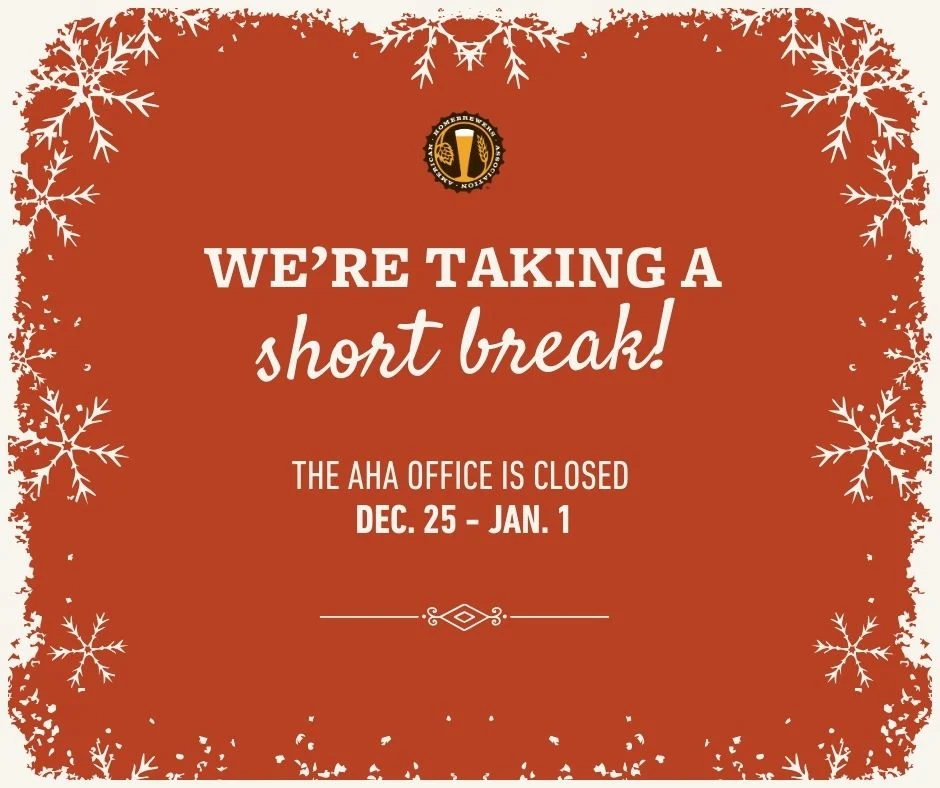

The American Homebrewers Association (AHA), a premier educational and advocacy organization dedicated to the community of amateur brewers, has officially announced a scheduled operational closure from December 25, 2025, through January 1, 2026. This week-long hiatus is designed to allow the organization’s staff and leadership to observe the holiday season, facilitating a period of rest and recuperation ahead of the 2026 fiscal year. While administrative offices and direct member support services will be paused during this timeframe, the organization has assured its global membership that digital resources and educational archives will remain accessible to the public. This annual tradition reflects a broader trend within non-profit trade associations to prioritize employee well-being and organizational sustainability during the traditional end-of-year slowdown.
Organizational Context and Mission of the AHA
To understand the significance of this scheduled break, it is necessary to examine the role the American Homebrewers Association plays within the broader fermented beverage industry. Founded in 1978 by Charlie Papazian in Boulder, Colorado, the AHA was established shortly after the federal legalization of homebrewing in the United States. Over the past four decades, it has grown into a division of the Brewers Association (BA), representing tens of thousands of members worldwide.
The AHA serves as the central hub for the homebrewing community, providing resources that range from technical brewing tutorials and recipe formulation to legislative advocacy. The organization is responsible for hosting the National Homebrew Competition, the world’s largest international competition of its kind, and the annual Homebrew Con, a massive educational conference. By taking a collective pause at the end of the year, the AHA aligns its internal operations with the seasonal rhythm of the craft beer industry, which often sees a transition from high-volume production and retail activity in early December to a period of strategic planning in January.
Chronology of the 2025 Holiday Hiatus
The timeline for the AHA’s holiday closure is structured to minimize disruption to its membership while maximizing the benefits of a synchronized staff break. The following chronology outlines the operational phases of this transition:
- Pre-Closure Preparation (December 15 – December 24, 2025): During this period, the AHA staff focused on finalizing the distribution of Zymurgy magazine content, updating the digital "Hoppy Holidays" resource center, and ensuring that all pending membership renewals and merchandise orders were processed.
- Official Commencement of Closure (December 25, 2025): Administrative offices in Boulder, Colorado, officially closed their doors. Direct communication channels, including email support and social media community management, transitioned to an automated status.
- The Observance Period (December 25, 2025 – January 1, 2026): For eight days, the organization remains in a state of operational dormancy. This period coincides with the time when many homebrewers are actively engaged in "holiday brewing," utilizing the time off from their own professional careers to craft seasonal ales and lagers.
- Resumption of Operations (January 2, 2026): The AHA team is scheduled to return to full capacity. This reopening marks the beginning of the 2026 initiative cycle, which typically includes the opening of entries for the National Homebrew Competition and the announcement of spring educational webinars.
Supporting Data: The Economic and Social Impact of Homebrewing
The decision to pause operations comes at a time when the homebrewing industry is navigating a complex post-pandemic landscape. According to data provided by the Brewers Association, homebrewing remains a significant economic driver within the $28 billion U.S. craft beer market. It is estimated that there are over 1.1 million homebrewers in the United States, who collectively produce more than 1.4 million barrels of beer annually.
Furthermore, the "holiday brewing" phenomenon is a documented spike in hobbyist activity. Data from homebrew supply retailers suggests that the months of November and December account for approximately 25% of annual ingredient and equipment sales. This surge is driven by two factors: the gifting of brewing kits to beginners and the tradition of brewing high-gravity "winter warmers" or barrel-aged stouts that require long fermentation periods. By scheduling their closure during this peak activity time, the AHA acknowledges that while their administrative support is on hold, the community they serve is at its most active, often relying on the vast library of pre-published digital content the AHA has curated over the years.
Official Responses and Member Implications
While the announcement was delivered via a concise public statement, the implications for the membership are multifaceted. The AHA leadership emphasized that the closure is a "recharging" period, essential for maintaining the high quality of content and advocacy work the organization provides.
Inferred reactions from the brewing community have been largely supportive. On various digital forums and social media platforms, members have expressed appreciation for the organization’s transparency regarding the break. Professional brewers, many of whom began their careers as AHA members, often cite the end of the year as a period of "cellar rest," making the AHA’s hiatus a logical extension of industry culture.
However, the closure does mean a temporary suspension of certain member-exclusive perks. The "AHA Member Deals" program, which provides discounts at hundreds of breweries and supply shops nationwide, remains active for users with digital membership cards, but any technical issues regarding login credentials or account access will not be addressed until the January 2 reopening. The AHA has encouraged members to resolve any administrative concerns prior to the December 25 deadline to ensure a seamless experience during the holidays.
Analysis of Implications for the 2026 Brewing Year
The AHA’s promise to return "refreshed, recharged and ready for more great homebrewing content" suggests a strategic pivot or a renewed focus on specific initiatives in 2026. Industry analysts point to several areas where the AHA is expected to expand its influence in the coming year:
Legislative Advocacy and Modernization
One of the primary functions of the AHA is to advocate for the rights of homebrewers at the state and federal levels. In 2026, the organization is expected to continue its work in states where "homebrew pour" laws remain restrictive, preventing hobbyists from sharing their creations at organized festivals or competitions. The January return will likely see a ramp-up in legislative monitoring as state assemblies begin their 2026 sessions.
Diversification of Fermentation Content
While beer remains the cornerstone of the AHA, there has been a notable increase in interest regarding mead, cider, and kombucha. The "refreshed" content strategy mentioned in the announcement may involve a broader integration of these alternative fermentation styles, reflecting the evolving tastes of the modern hobbyist.
Digital Transformation and Accessibility
As the demographic of homebrewers shifts toward a younger, more tech-savvy generation, the AHA has been under pressure to modernize its digital delivery systems. The period of rest in late 2025 may serve as the "quiet before the storm" for a 2026 rollout of enhanced mobile applications, interactive recipe calculators, and virtual "brew-along" sessions designed to lower the barrier to entry for novice brewers.
The Cultural Significance of the Year-End Break
Beyond the administrative and economic justifications, the AHA holiday closure carries a cultural weight within the brewing world. Brewing is a process that requires patience; it is an exercise in timed intervals and controlled environments. The "winter outage" serves as a metaphor for the fermentation process itself—a period of apparent inactivity during which significant internal transformation occurs.
By stepping away from the daily grind of newsletter cycles and administrative oversight, the AHA staff mirrors the very hobby they promote. This alignment of organizational behavior with the values of the community fosters a deeper sense of authenticity. In an era where "always-on" digital presence is often expected, the AHA’s firm boundary regarding holiday rest is a statement of organizational health.
Conclusion and Forward Outlook
As the American Homebrewers Association enters its scheduled period of closure on December 25, 2025, the organization stands at a stable juncture. Having successfully navigated the challenges of the mid-2020s, including supply chain fluctuations and shifting consumer habits, the AHA remains the definitive voice for the amateur brewing community.
The resumption of services on January 2, 2026, will likely be met with a surge of engagement as members share their holiday brewing successes and look toward the competition season. For now, the message from the AHA is clear: the importance of the craft is matched only by the importance of the community’s well-being. As the industry observes this pause, the foundation is being laid for a robust and innovative 2026, ensuring that the ancient art of homebrewing continues to flourish in a modern context. Members and enthusiasts are encouraged to spend the remaining days of the year perfecting their recipes, sharing their bottles with loved ones, and preparing for a new year of fermented excellence.