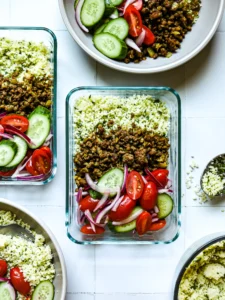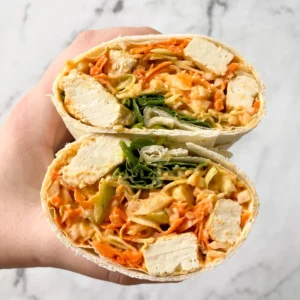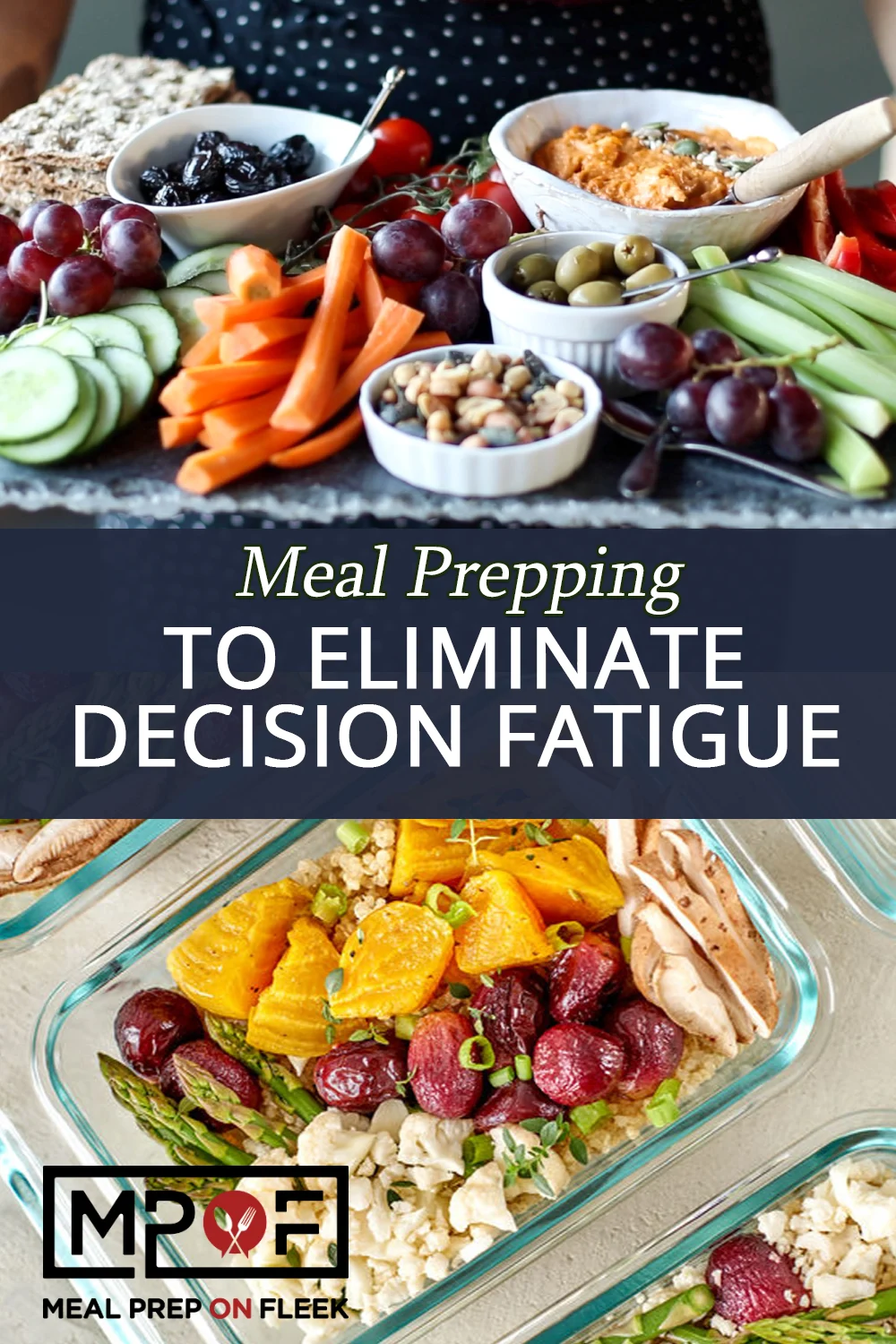

The modern human experience is often characterized by a relentless barrage of choices. From the moment we wake, we are tasked with a cascade of decisions, each chipping away at our mental reserves. This phenomenon, known as decision fatigue, can significantly impact our productivity, well-being, and even our ability to make sound choices, particularly when it comes to something as fundamental as daily nutrition. Meal preparation has emerged as a powerful strategy to combat this pervasive issue, offering a structured approach to food that conserves valuable cognitive resources.
The core principle behind meal prep’s efficacy in mitigating decision fatigue lies in its proactive nature. Instead of facing the daily dilemma of "What’s for dinner?" when already depleted from work, family obligations, and the general demands of life, individuals who meal prep make these choices in advance, during periods of higher mental clarity. This pre-emptive planning effectively removes a significant source of stress and cognitive load from the daily grind. The satisfaction derived from meal prep, therefore, extends beyond the mere availability of food; it encompasses the profound relief of having fewer decisions to make when mental energy is at its lowest ebb.
Understanding the Science of Decision Fatigue

Decision fatigue is a well-documented psychological concept. It posits that each decision, regardless of its perceived magnitude, consumes a finite amount of mental energy. As the day progresses and the number of choices accumulates, our capacity for rational and effective decision-making diminishes. This decline can lead to impulsivity, procrastination, and a preference for the easiest, most immediate option, even if it is not the most beneficial in the long run.
A seminal study illustrating this effect was conducted by psychologists Jonathan Baron and Dan Kahan. They analyzed the parole decisions made by judges, finding that the likelihood of a parole being granted significantly decreased as the day wore on and after meal breaks. Judges, even those trained in making complex judgments, were more likely to grant parole earlier in the day or immediately following a meal, suggesting that their mental energy, and thus their capacity for favorable decisions, waned with the progression of their workload. This phenomenon is not exclusive to high-stakes professions; it permeates everyday life, including the seemingly mundane task of deciding what to eat.
The daily menu of decisions often includes:
- What to wear.
- Which emails to prioritize.
- Which meetings are essential.
- Which errands can be postponed.
- How to allocate financial resources.
- Addressing the needs of children or dependents.
- And, critically, "What’s for dinner?"
By the time the evening arrives, many individuals find themselves operating on cognitive fumes. This is precisely when the allure of convenience foods, such as takeout or fast food, becomes almost irresistible. The phrase "I’ll start Monday" often becomes a recurring mantra, a testament to the overwhelming nature of making healthy choices when mental resources are depleted. This is not an indictment of individual discipline, but rather a systemic issue rooted in an environment that demands constant decision-making.

The Amplifying Effect of Hunger
The interplay between decision fatigue and hunger is particularly potent. An old Caribbean proverb, "Hungry belly knows no love," encapsulates the idea that deprivation can impair judgment. When individuals are hungry, stressed, and fatigued, their brains instinctively seek the quickest resolution, often prioritizing immediate gratification over long-term well-being. This can manifest in unplanned food purchases, late-night snacking, or the abandonment of carefully laid plans for healthier eating habits.
Hunger can erode patience and lower one’s standards for food choices. The energy expenditure required to prepare a healthy meal from scratch can feel insurmountable when one is already depleted. Meal preparation, in this context, acts as a buffer. By making food choices and preparations in advance, individuals are not striving for unattainable levels of discipline, but rather strategically reducing the number of decisions they must confront during vulnerable moments. This strategic foresight is the true power of meal prep.
The Mechanics of Effective Meal Preparation

Meal prep is not synonymous with monotonous repetition of the same dish for an entire week. Instead, its effectiveness lies in reducing friction and simplifying the decision-making process. By making informed choices once, individuals avoid the need for repeated deliberation later. This systematic approach empowers individuals to:
- Save Time: Pre-prepared meals eliminate the need for last-minute meal planning and cooking, freeing up valuable evening hours.
- Control Ingredients: Meal prepping allows for precise control over the types and quantities of ingredients used, which is crucial for dietary goals, allergies, or preferences.
- Reduce Food Waste: Planning meals in advance ensures that groceries are used efficiently, minimizing spoilage and saving money.
- Stay on Track with Goals: Having healthy, ready-to-eat meals available makes it significantly easier to adhere to dietary plans, whether for weight management, athletic performance, or general health.
- Eliminate Negotiation: The most significant benefit is the removal of the internal debate that often occurs before dinner. The questions of "Should I cook?", "Do I deserve takeout?", or "Maybe I’ll just snack" are preemptively answered, thereby eliminating the exhausting mental back-and-forth.
Key Strategies for Implementing Meal Prep to Combat Decision Fatigue
For those new to the concept, implementing meal prep can seem daunting. However, by adopting a structured yet flexible approach, individuals can effectively harness its benefits.
1. Strategic Recipe Selection
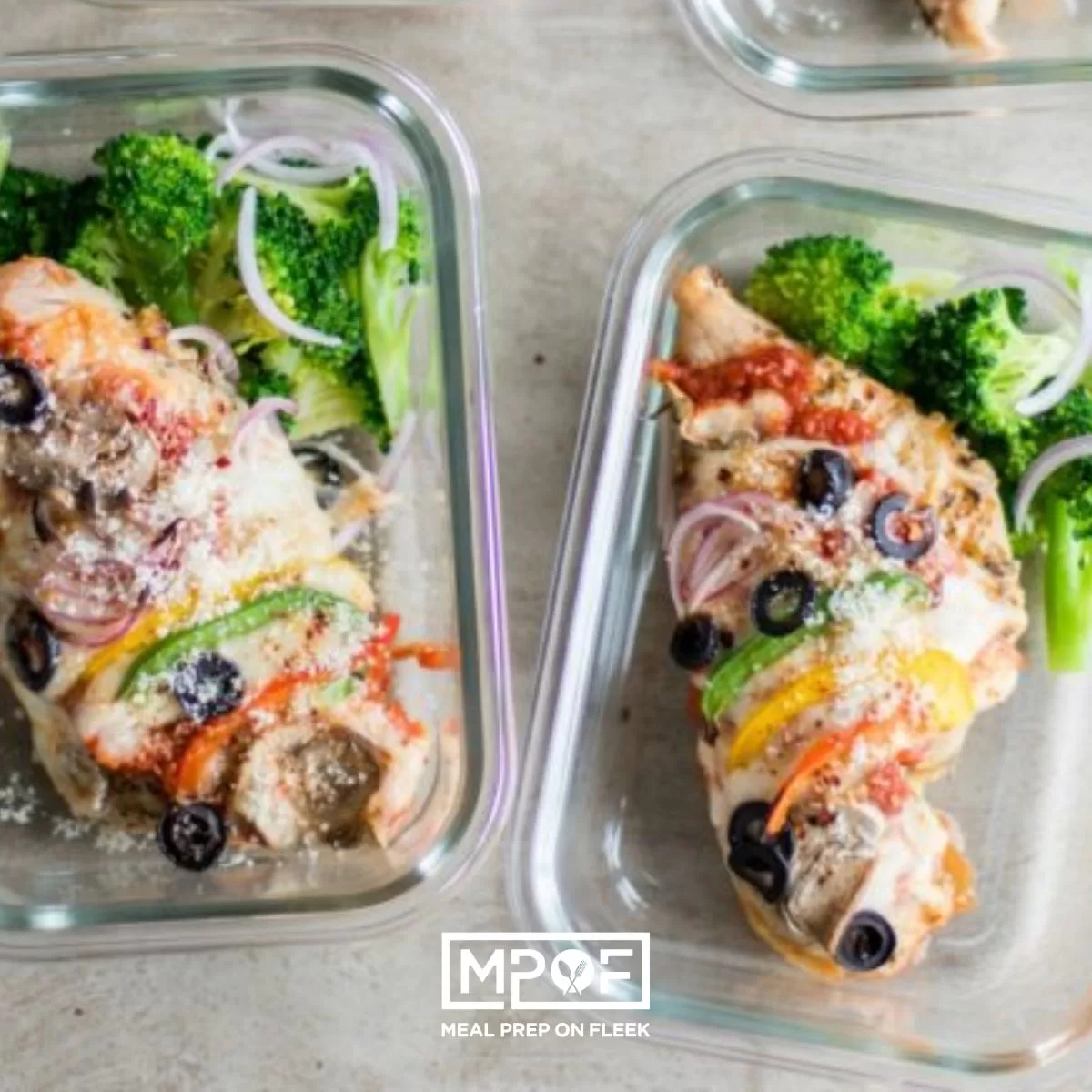
The first step in combatting decision fatigue through meal prep is to make meal choices before the week begins. Waiting until the evening to decide what to cook is a recipe for chaos. Even selecting three to four "anchor" meals for the week can provide substantial structure and prevent the need to start from scratch each night. The goal is not to achieve endless variety, but rather to establish clarity and reduce the daily cognitive burden. Resources like comprehensive recipe indexes or specialized guides for lunch meal prep can offer a starting point for individuals seeking simple, effective options.
2. The Power of a Planned Grocery List
A grocery store without a plan can lead to impulse buys and a fridge devoid of essential dinner components. Meal prep begins not in the kitchen, but at the store. Before shopping, individuals should determine their meal plan for the week and create a corresponding grocery list. This list should be organized by store sections to optimize shopping time. A well-structured grocery list serves as a critical decision-making tool, preventing unnecessary purchases, reducing stress, and averting multiple shopping trips.
3. Embracing Simplicity in Meal Design
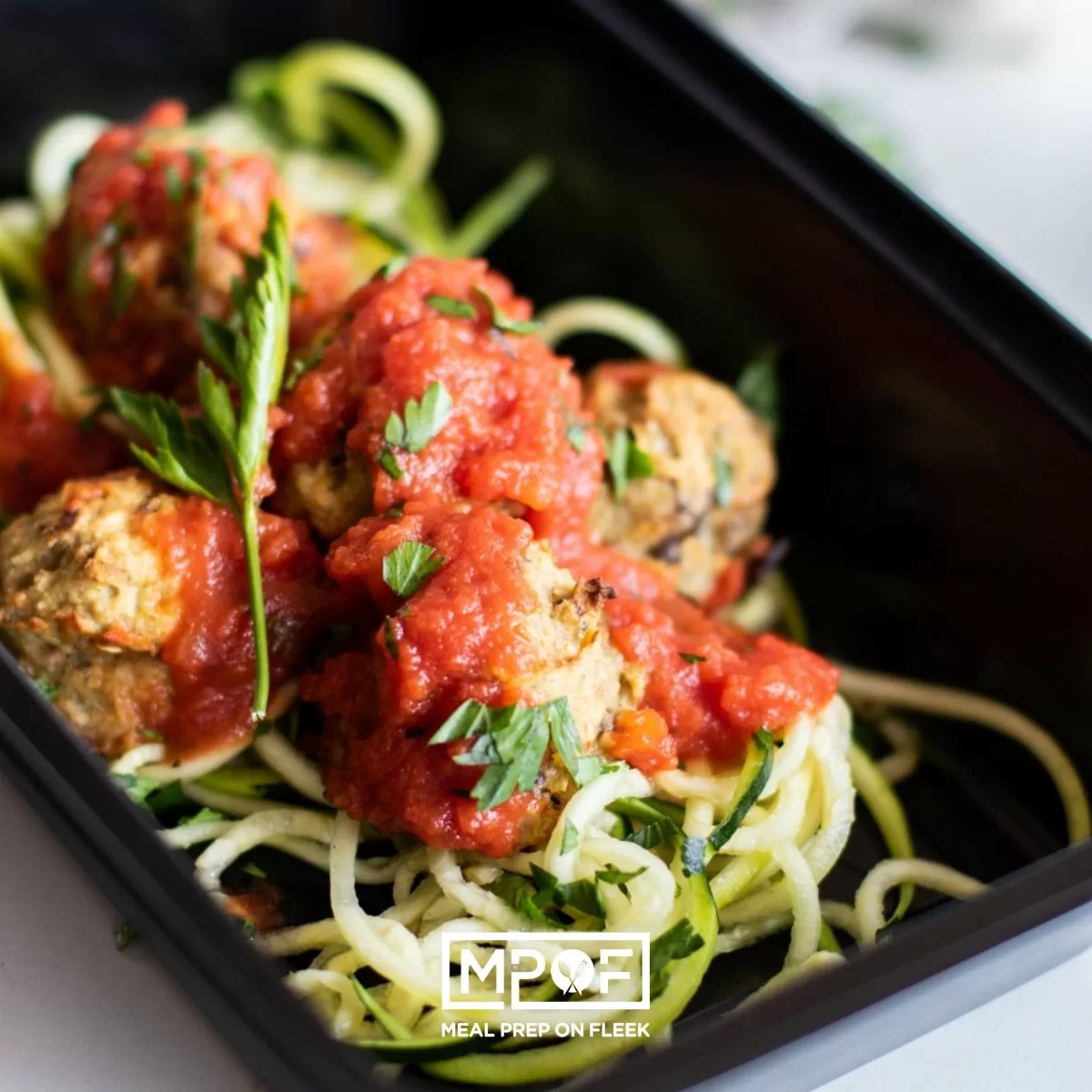
Many people overcomplicate meal prep, believing it requires elaborate culinary creations. However, simplicity is often the key to sustainability. A balanced meal typically consists of a protein source, a carbohydrate, and a vegetable. Complex, restaurant-quality recipes are not necessary for every meal. The focus should be on practical, easy-to-prepare dishes. Options like sheet pan meals, slow cooker recipes, or even basic combinations of grilled protein, roasted vegetables, and a grain can be incredibly effective. This approach prioritizes saving time and mental energy in the long run over culinary complexity.
4. Aligning Recipes with Personal Lifestyles
A recipe’s health benefits are irrelevant if it does not fit an individual’s lifestyle. A demanding week may render a time-intensive recipe impractical. Similarly, forcing oneself to consume foods that cause digestive distress is counterproductive. Meal prep should adapt to one’s life, not the other way around. This might involve adjusting recipes, swapping ingredients, choosing simpler preparations, or opting for dishes that maintain their quality when reheated. Consistency, not perfection, is the ultimate aim.
5. The Versatility of Component Prepping
Not all meal prep needs to involve fully assembled meals in individual containers. Prepping individual components can offer greater flexibility. This can include:
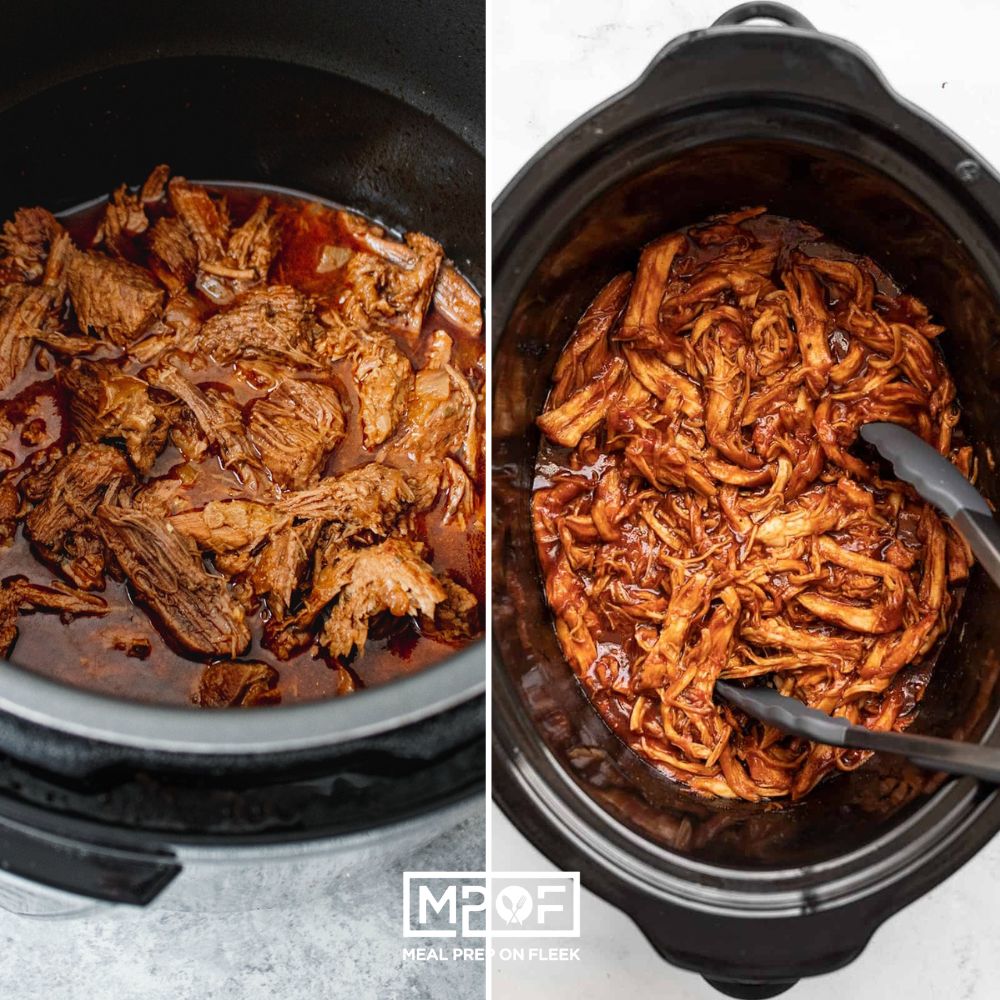
- Cooked Proteins: Chicken breasts, ground meat, or tofu can be used in various dishes throughout the week.
- Cooked Grains: Rice, quinoa, or pasta serve as versatile bases for bowls, salads, or side dishes.
- Chopped Vegetables: Pre-chopped onions, peppers, or broccoli can significantly speed up weeknight cooking.
- Sauces and Dressings: Homemade sauces or dressings can elevate simple meals and are often healthier than store-bought alternatives.
This approach provides structure without the rigidity of pre-portioned meals, allowing for adaptation and variety. For instance, cooked chicken can be transformed into a rice bowl one night, a salad the next, or tacos later in the week, offering options without the need to start cooking from scratch each time.
Broader Implications and Accessibility
The benefits of meal prep extend beyond individual convenience and mental well-being. On a larger scale, widespread adoption of meal preparation practices could contribute to a reduction in food waste and a more conscious approach to consumption. Furthermore, the principles of meal prepping can be adapted to various dietary needs, including those managing chronic conditions like diabetes or heart disease, where consistent, healthy eating is paramount.
Accessibility is another crucial aspect. While the initial investment in time and effort might seem significant, the long-term savings in both time and money are substantial. Numerous resources, from online recipe databases to meal planning apps and community groups, offer support and guidance for individuals at all stages of their meal prep journey. The emphasis on simplicity and adaptability ensures that meal prep is not an exclusive practice but a practical tool for anyone seeking to reclaim their mental energy and improve their daily nutrition.
Addressing Common Concerns
Several questions frequently arise regarding meal prep. The efficacy of meal prep in combating decision fatigue is well-established; by front-loading food choices, individuals conserve mental energy for more pressing matters. For those concerned about weight loss, meal prep serves as a powerful ally by minimizing impulsive, unhealthy food choices and promoting adherence to dietary plans.
The duration of meal prep is also a practical consideration. Most individuals find that prepping for three to four days at a time is optimal, ensuring freshness and preventing meal fatigue. Consistency over quantity is key; prepping fewer days consistently is more beneficial than an overwhelming attempt to prep an entire week.
For individuals who dislike eating the same meal repeatedly, the solution lies in prepping components rather than complete meals. This allows for creative combinations and culinary flexibility throughout the week. Beginners are often advised to start with a single meal category, such as lunches or dinners, to gradually integrate meal prep into their routine without feeling overwhelmed.
Maintaining consistency hinges on making the process easier to repeat. This involves selecting simple recipes, utilizing grocery list templates, repeating preferred meals, and preparing only what is realistically needed. Consistency is cultivated through reduced decision-making, not sheer willpower.
Finally, when meal prep plans inevitably falter due to life’s unpredictability, the key is adjustment, not abandonment. Utilizing backup meals, freezing portions, or re-shuffling meals are practical strategies. A single missed meal does not signify failure but rather an opportunity to recalibrate and continue the process. Meal prep, in essence, is a system designed to support sustainable, healthy habits by acknowledging and mitigating the very real cognitive limitations of modern life.