
The American Homebrewers Association (AHA) has officially released the November/December 2025 edition of Zymurgy magazine, a landmark issue that serves as the definitive record for the 2025 National Homebrew Competition (NHC). As the premier publication for the hobbyist brewing community since 1978, Zymurgy continues its tradition of documenting the evolution of fermentation science, and this latest installment places a dual focus on competitive excellence and the socioeconomic factors currently shaping the craft. The issue provides an in-depth look at the year’s top-performing brewers while addressing the "invisible walls" and economic pressures facing the modern enthusiast.
The 2025 National Homebrew Competition: A Benchmark of Quality
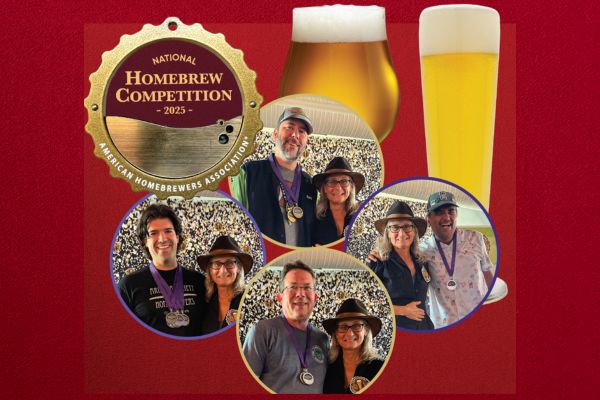
The centerpiece of the November/December issue is the comprehensive coverage of the 2025 National Homebrew Competition, widely recognized as the world’s largest stage for amateur brewers, meadmakers, and cidermakers. The competition, which concludes annually at the Homebrew Con, remains the most prestigious proving ground for those seeking to validate their technical proficiency against the rigorous standards of the Beer Judge Certification Program (BJCP).
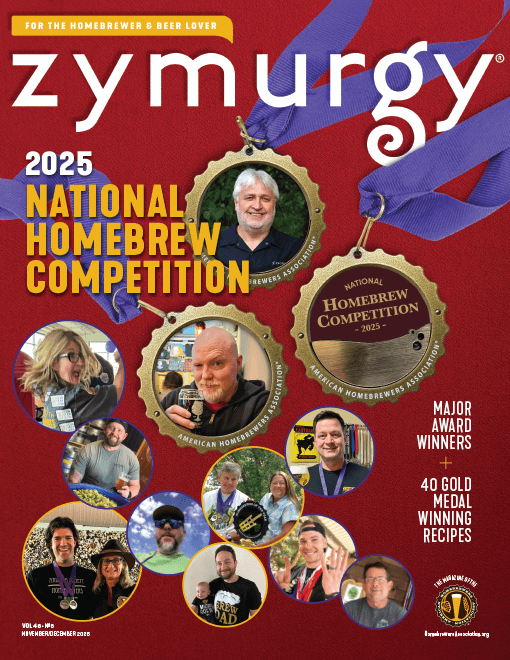
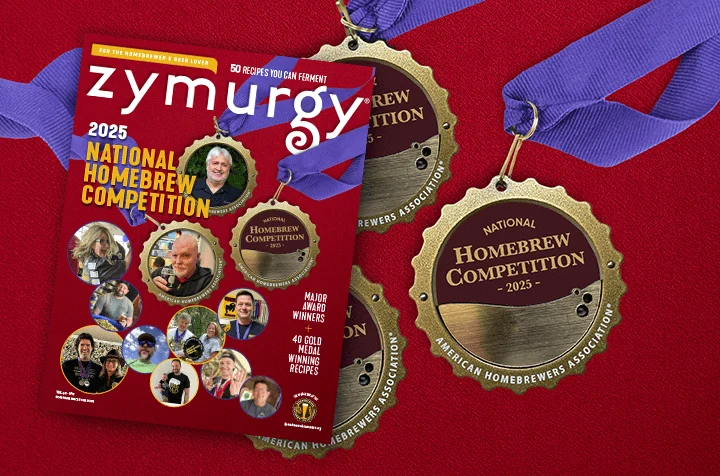
In 2025, the competition awarded nine major honors, representing the pinnacle of the hobby. Adriana Terron’s introductory feature details the crowning of the Homebrewer of the Year, Cidermaker of the Year, and Meadmaker of the Year. Central to the awards ceremony was the presentation of the Samuel Adams Ninkasi Award, an honor bestowed upon the brewer who accumulates the most points in the final round of the competition across multiple categories. This award, named after the Sumerian goddess of beer, is often a precursor to professional success; many past Ninkasi winners have gone on to found some of the most successful craft breweries in the United States.
The NHC serves as more than just a contest; it is a massive data-gathering exercise for the AHA. With thousands of entries submitted across dozens of style categories, the competition provides a snapshot of current trends. The 2025 results indicate a sustained interest in traditional European lagers alongside a resurgent fascination with historically "difficult" styles, such as wood-aged sours and high-gravity meads.
Breaking the Invisible Wall: Diversity and Inclusion in Fermentation
Beyond the statistics of the competition, the latest Zymurgy explores the cultural landscape of the brewing community. A featured article by Robyn Schumacher addresses the "invisible wall of respect" that women often encounter in the brewing world. Schumacher argues that while women have the capability to produce world-class beverages—a fact backed by the numerous gold medals won by female entrants in the NHC—the social and professional barriers remain persistent.

This analysis comes at a time when the broader craft beer industry is undergoing a period of self-reflection regarding inclusivity. The "invisible wall" Schumacher describes refers to the systemic tendency to underestimate female technical expertise in a male-dominated field. By highlighting these challenges, Zymurgy aims to foster a more equitable environment where skill is the sole arbiter of success. This discourse is supported by initiatives like the Pink Boots Society, which has seen record membership growth as women seek to claim their space in both the amateur and professional sectors.
The Economics of the Brewhouse: Frugal Brewing in an Inflationary Era
The hobby of homebrewing is not immune to global economic shifts. As an economist and seasoned brewer, Jeff Weikert contributes a timely analysis of "frugal brewing" in the face of rising material costs. Since 2021, the price of base malts, specialty grains, and pelletized hops has seen significant volatility due to supply chain disruptions and climate-impacted harvests in key growing regions like the Pacific Northwest and Hallertau, Germany.
Weikert’s feature provides a strategic framework for brewers to maintain their hobby without compromising quality. Key areas of focus include:
- Bulk Purchasing and Storage: Analyzing the cost-benefit ratio of purchasing 55-pound sacks of grain versus smaller quantities.
- Yeast Management: The economic impact of harvesting and washing yeast strains to reuse across multiple batches, potentially saving brewers $10 to $15 per five-gallon fermentation.
- Energy Efficiency: Optimizing boil times and cooling methods to reduce water and electricity or gas consumption.
By applying economic principles to the brewhouse, Weikert demonstrates that the "adversity" mentioned in the issue’s editorial mission is as much about financial sustainability as it is about technical difficulty.
Chasing the Unicorn: The Technicality of High-Gravity Brewing
For many enthusiasts, the ultimate challenge lies in the creation of "homebrew unicorns"—obscure, high-gravity, or technically demanding styles that are rarely found on commercial shelves. Mark Pasquinelli’s contribution to the November/December issue explores the complexities of brewing these "mythical beasts."
High-gravity brewing (typically beers with an original gravity exceeding 1.100) presents unique biological hurdles. Yeast stress, alcohol toxicity, and the need for specialized aeration techniques are primary concerns. Pasquinelli outlines the rigorous protocols required to ensure these beers reach terminal gravity without stalling. The pursuit of these styles often involves extended aging processes, sometimes spanning years in oak barrels or glass carboys, reflecting a commitment to patience that stands in contrast to the fast-paced commercial market.

Chronology of the 2025 Competition Cycle
The path to the awards featured in this issue began in early 2025, following a structured timeline:
- January – March 2025: Entry registration and site selection for first-round judging.
- April – May 2025: Regional first-round judging across various hubs in the United States, where thousands of bottles were evaluated by BJCP-certified judges.
- June 2025: The Final Round of judging, held in conjunction with the National Homebrewers Conference. This stage determined the gold, silver, and bronze medalists for each of the 40+ categories.
- November 2025: The publication of the official recipes and technical breakdowns in Zymurgy, allowing the global community to replicate the winning formulas.
The Role of the American Homebrewers Association
Under the leadership of Editor-in-Chief Dave Carpenter, Zymurgy remains the flagship benefit of the American Homebrewers Association. Founded by Charlie Papazian, the author of The Complete Joy of Homebrewing, the AHA has grown into a powerful advocacy group. The organization not only provides educational resources but also lobbies for the legal rights of homebrewers at both state and federal levels.
The November/December issue reinforces the AHA’s mission by providing validated, gold medal-winning recipes. These recipes are highly prized by the community, as they represent the "gold standard" of specific styles. For the 2025 issue, these include technical specifications for the year’s top-rated IPAs, stouts, and traditional meads.
Broader Impact and Industry Implications
The trends documented in this issue of Zymurgy often serve as a bellwether for the professional craft beer industry. Historically, styles that gain traction in the homebrew community—such as the Hazy IPA or the resurgence of West Coast Pilsners—eventually dominate commercial taprooms. By analyzing the 2025 NHC winners, industry analysts can identify the "next big thing" in fermentation.
Furthermore, the emphasis on resilience and adversity reflects a broader trend in the beverage industry. As craft brewery closures saw a slight uptick in the mid-2020s due to market saturation and changing consumer habits, the homebrewing community has refocused on the core tenets of the craft: quality, community, and the DIY spirit.
The November/December 2025 issue of Zymurgy stands as a testament to the enduring nature of the hobby. Whether addressing the socio-political "invisible walls" for women or the economic realities of a grain bill, the publication remains dedicated to the idea that brewing is an act of both science and art. For the members of the American Homebrewers Association, this issue is not just a magazine; it is a blueprint for the future of craft fermentation.