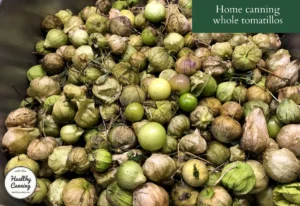

Home preservation enthusiasts and culinary professionals are increasingly turning to traditional methods to secure the seasonal flavors of the harvest, with whole tomatillos emerging as a staple for those specializing in Mexican and Central American cuisines. Unlike the rigorous peeling process required for home-canned tomatoes, the United States Department of Agriculture (USDA) provides a streamlined procedure for preserving whole, plain tomatillos that maintains the integrity of the fruit while ensuring long-term shelf stability. By adhering to the Agriculture Information Bulletin No. 539, home canners can safely process these vibrant green fruits—scientifically known as Physalis philadelphica—to be used in everything from classic salsa verde to sophisticated braising liquids for meats.
Understanding the Tomatillo: Characteristics and Preparation
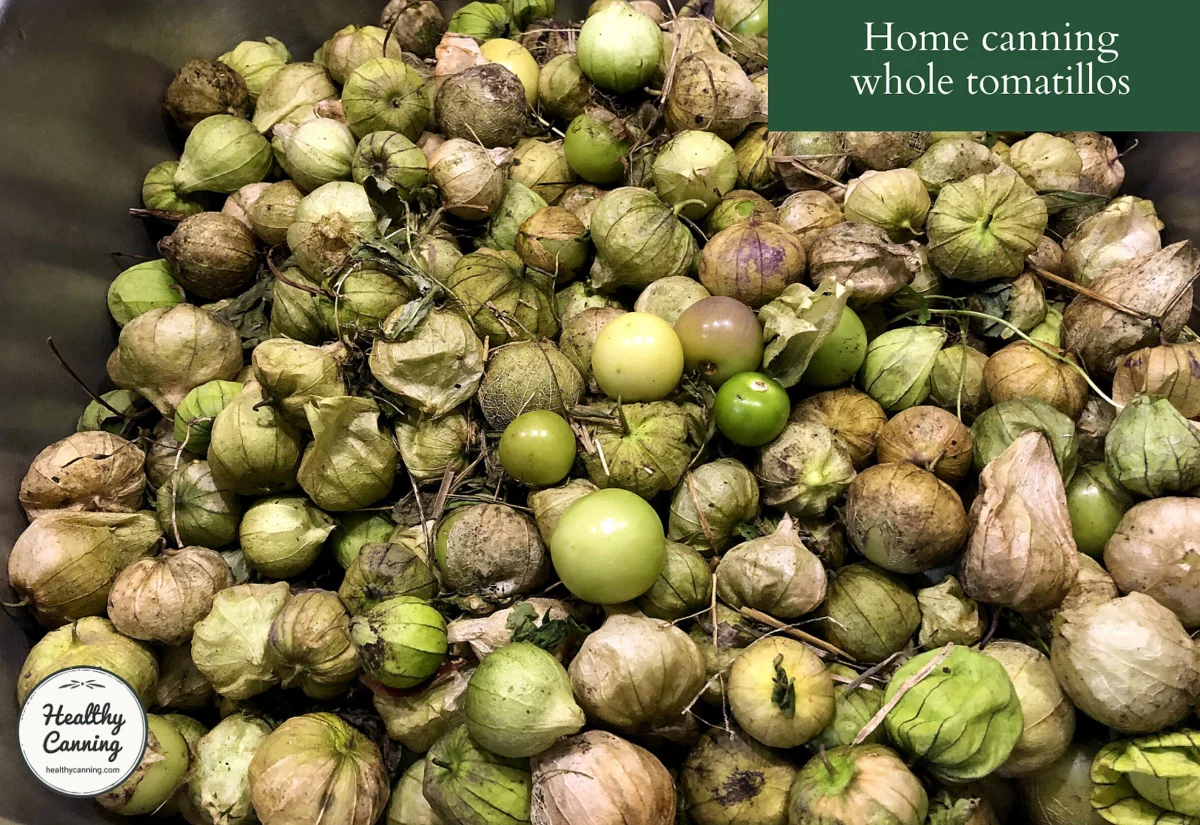
The tomatillo, often referred to as the "husk tomato," is a member of the nightshade family, though it is more closely related to the Cape gooseberry than the common tomato. Its most defining feature is the papery outer calyx, or husk, which must be removed before the canning process begins. Beneath this husk, the fruit often possesses a sticky residue containing withanolides, which is a natural defense mechanism of the plant. A thorough washing is required to remove this film before proceeding with the USDA-approved simmering step.
For those planning their harvest or market purchases, the USDA suggests approximate guidelines for yields. On average, a home canner should expect to utilize approximately 1 kilogram of fresh tomatillos per 1-liter jar (roughly 2 pounds per US quart jar). This ratio ensures that the jars are sufficiently packed without compromising the heat penetration required during the processing phase.

The Science of Acidification and Safety
A critical component of the home canning process is the management of pH levels. While the USDA’s Center for Food Safety and Applied Nutrition identifies the approximate pH of tomatillos at 3.83—making them naturally more acidic than many varieties of tomatoes—official safety protocols still mandate the addition of a supplemental acidifier. This serves as a fail-safe against the growth of Clostridium botulinum spores, which can thrive in low-acid, anaerobic environments.
The acidification process requires the addition of either bottled lemon juice, bottled lime juice, or citric acid directly to each jar before the fruit and liquid are added. For a 1-liter (quart) jar, the standard requirement is two tablespoons of bottled lemon or lime juice, or one-half teaspoon of citric acid. For half-liter (pint) jars, these amounts are halved. It is essential to use bottled juices rather than fresh, as bottled products have a standardized acidity level necessary for consistent safety results. While lime juice is a traditional culinary partner for tomatillos, it carries a more distinctive flavor profile that will persist in the final preserved product.
Chronology of the Canning Procedure
The process for canning whole tomatillos involves several distinct stages, each designed to ensure both the quality of the fruit and the safety of the seal.
- Selection and Cleaning: Choose firm, bright green tomatillos. Remove the husks and wash the fruit thoroughly to remove the sticky coating.
- Pre-cooking (Simmering): Place the cleaned tomatillos in a large pot of boiling water and simmer for 5 to 10 minutes. This softens the fruit slightly and ensures it is hot when entering the jars, which is vital for maintaining the "hot pack" temperature requirements.
- Jar Preparation and Acidification: While the fruit simmers, prepare the sterilized jars. Add the required amount of lemon juice, lime juice, or citric acid to each empty jar. Salt may be added at this stage for seasoning (typically 1 teaspoon per quart), though it is strictly optional and does not contribute to the safety of the preservation.
- Packing: Pack the hot tomatillos into the jars, leaving a headspace of 2 centimeters (approximately 1/2 inch). Fill the remaining space with the boiling cooking liquid or fresh boiling water, maintaining the same headspace.
- Processing: Remove air bubbles, wipe the rims of the jars to ensure a proper seal, and apply the lids and bands. The jars are then ready for processing via water bath, steam, or pressure canning.
Comparing Processing Methods and Altitude Adjustments
The USDA offers flexibility in the processing method, though each requires strict adherence to timing and altitude adjustments.
Water Bath and Steam Canning
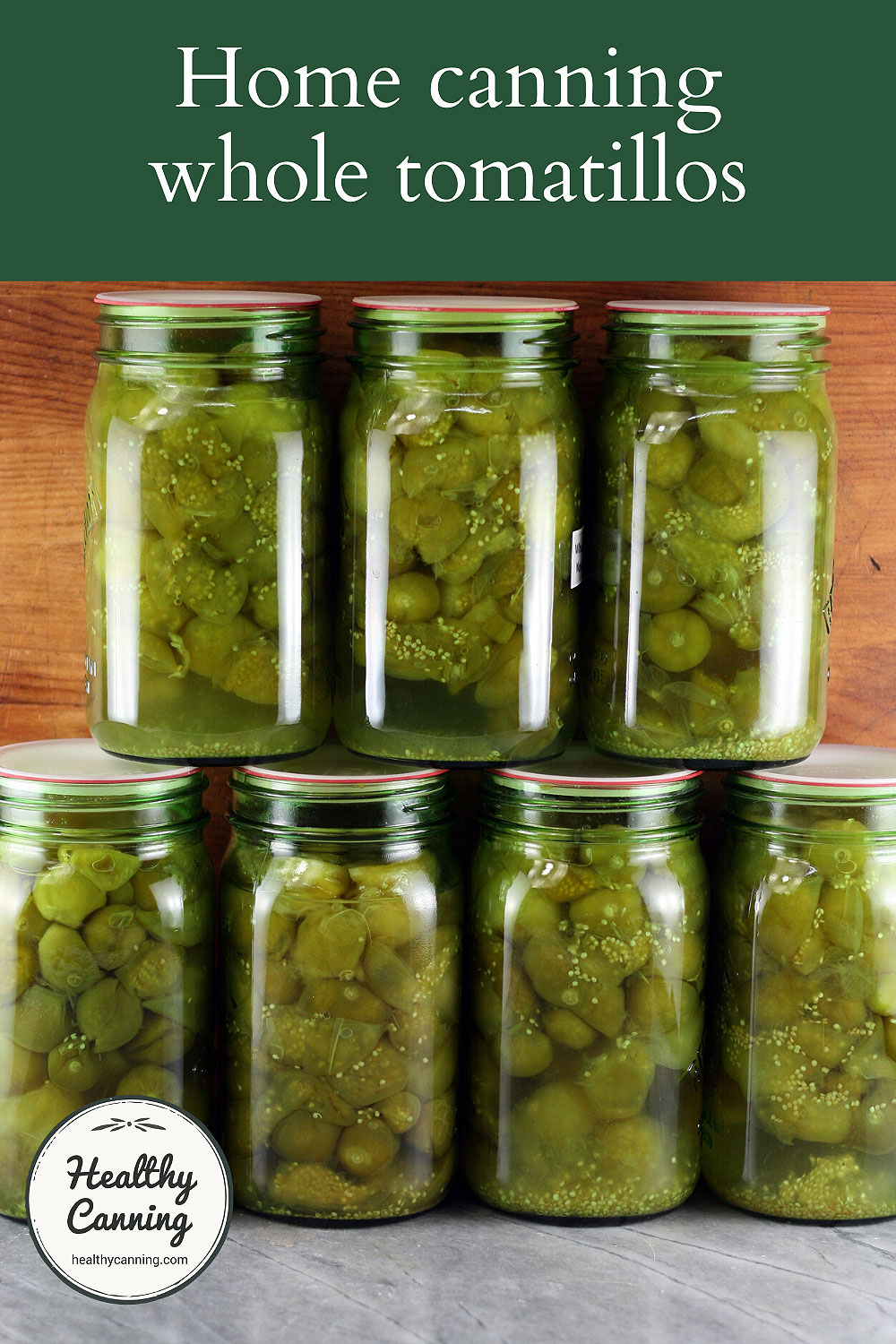
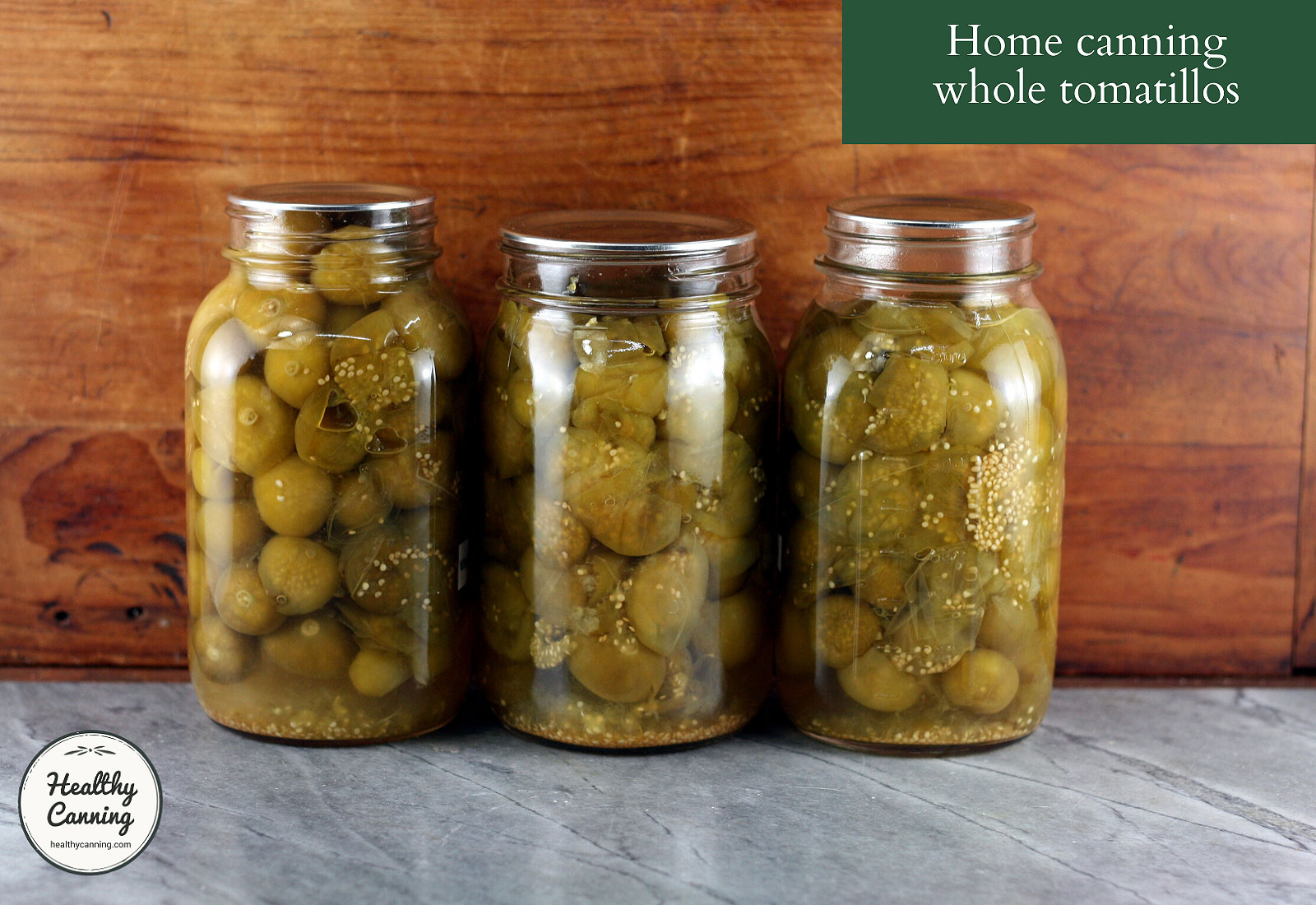
For many home cooks, the water bath or steam canning method is the most accessible. In these methods, the jars are submerged in or suspended above boiling water. The standard processing time at sea level (0–300 meters) is 40 minutes for half-liter (pint) jars and 45 minutes for 1-liter (quart) jars.
It is important to note that steam canning is only recommended for recipes requiring 45 minutes or less of processing time. This is because the reservoir of a steam canner may run dry during longer sessions, potentially leading to under-processed food.
Pressure Canning
Pressure canning is often preferred by those looking to reduce active kitchen time. However, the USDA emphasizes that even when using a pressure canner, the addition of acid remains mandatory. The pressure process for tomatillos was designed to accelerate the preservation time, not to replace the safety margin provided by acidification.
For weighted-gauge pressure canners at altitudes between 0 and 300 meters, the following times apply:

- 15 minutes at 5 lbs of pressure.
- 10 minutes at 10 lbs of pressure.
- 1 minute at 15 lbs of pressure (not recommended for higher altitudes).
As altitude increases, atmospheric pressure decreases, and the boiling point of water drops. Consequently, those living at higher elevations must increase the processing time (for water bath/steam) or the pressure (for pressure canning) to ensure all spoilage-causing microorganisms are destroyed.
Culinary Applications and Expert Recommendations
Canned tomatillos differ significantly from their fresh counterparts. The canning process essentially cooks the fruit, resulting in a softer texture and a more mellowed acidity. Culinary experts suggest that these preserved fruits are best utilized in cooked applications rather than fresh salsas.
Martha Rose Shulman, a noted food columnist for The New York Times, highlights the convenience of the canned variety: "The canned variety has already been simmered until softened, and all you have to do is drain them. Cooking by simmering or, preferably, broiling is the first step in all of my tomatillo recipes; skip this step if you’re working with canned." This makes canned tomatillos an excellent "shortcut" ingredient for busy kitchens.
Furthermore, the Joy of Cooking series recommends canned tomatillos as a versatile condiment, noting they are "especially good with grilled fish and shellfish." They can also be integrated into hot sauces, such as Jalapeño Hot Sauce, or used as a base for Chile Verde stews and enchilada sauces.
Nutritional Data and Dietary Impact
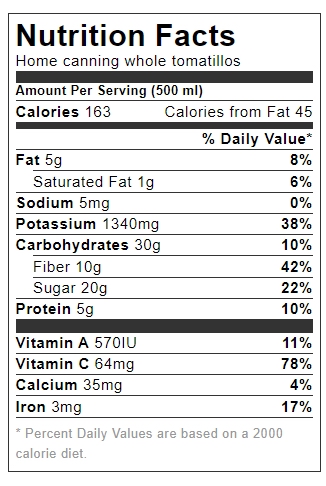
For health-conscious consumers, home-canned tomatillos offer a low-calorie, nutrient-dense addition to the pantry. A half-liter (pint) jar of plain canned tomatillos (without added salt) contains approximately 163 calories.
The nutritional breakdown for a 500ml serving includes:
- Carbohydrates: 30g
- Fiber: 10g (providing a significant portion of the daily recommended intake)
- Protein: 5g
- Vitamin C: 64mg (an essential antioxidant for immune health)
- Potassium: 1340mg (crucial for heart health and fluid balance)
- Vitamin A: 570 IU
Because the consumer controls the ingredients, home-canned tomatillos are often superior to commercial versions, which may contain high levels of sodium or calcium chloride as a firming agent.
Broader Implications for Food Security and Sustainability
The resurgence of home canning whole tomatillos reflects a broader societal shift toward food sovereignty and sustainable living. By preserving produce at its peak ripeness, consumers reduce their reliance on long-distance supply chains and minimize food waste during periods of garden surplus.
The USDA’s rigorous testing of these recipes provides a scientific framework that allows individuals to preserve food with professional-grade safety. As more households embrace these techniques, the focus remains on the intersection of traditional culinary arts and modern food science. Whether used to provide a zingy base for a winter stew or a bright sauce for grilled poultry, the home-canned tomatillo stands as a testament to the enduring value of the well-stocked larder.
Ultimately, the process of canning whole tomatillos is a blend of precision and creativity. While the safety steps—acidification, headspace, and processing time—are non-negotiable, the resulting pantry staple offers a canvas for a wide array of international flavors, ensuring that the bright, tart taste of summer can be enjoyed year-round.