
The unassuming cake pop, a miniature confection on a stick, has captivated palates globally, evolving from a novel party treat to a ubiquitous presence in cafes and bakeries. While commercial versions abound, a burgeoning movement champions the creation of homemade cake pops entirely from scratch, eschewing convenience products like box cake mixes and canned frostings. This culinary shift emphasizes superior flavor, ingredient control, and the inherent satisfaction of crafting a delightful dessert from its foundational elements. The journey from raw ingredients to perfectly formed, dipped, and decorated cake pops represents a commitment to quality and a celebration of artisanal baking techniques.

The Enduring Appeal and Origins of the Cake Pop Phenomenon
The allure of the cake pop is undeniable, particularly for younger demographics, often spotted gazing longingly at bakery displays, requesting the vibrant, spherical treats. Their perfectly portioned size, playful presentation on a stick, and often colorful, sprinkle-adorned exteriors make them an irresistible indulgence for both children and adults. This widespread appeal can be traced back to its popularization in the late 2000s, notably by blogger Angie Dudley, known as Bakerella, who transformed leftover cake into these charming confections. Her innovative approach quickly garnered a massive following, leading to the dessert’s mainstream adoption and its prominent display in establishments like Starbucks, where its iconic status was cemented.
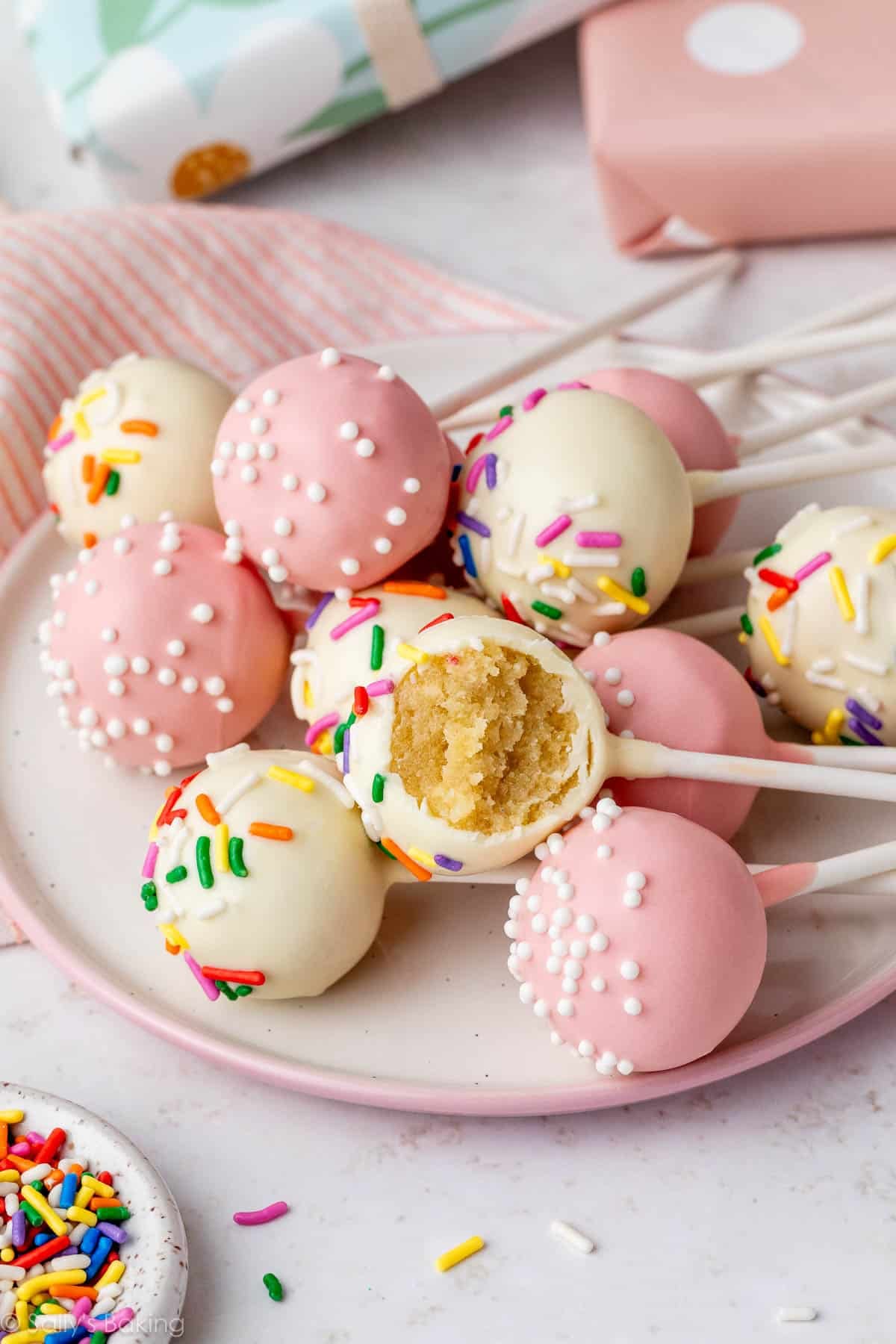
However, the commercial success of cake pops has also spurred a counter-movement among discerning bakers who seek to elevate the treat beyond its mass-produced iterations. The emphasis here is on a truly homemade product, where every component, from the vanilla cake to the rich buttercream, is crafted from scratch. This dedication ensures a depth of flavor and a textural integrity often missing in versions made with pre-packaged components. The original recipe for these from-scratch vanilla cake pops, first published in 2015 and since updated with new visuals and a comprehensive video tutorial, serves as a testament to this commitment to homemade excellence.
Deconstructing the From-Scratch Philosophy: Why Homemade Reigns Supreme

The fundamental difference between a convenience cake pop and a truly homemade one lies in the quality and control of ingredients. Commercial box mixes often contain preservatives, artificial flavorings, and emulsifiers designed for shelf stability and ease of preparation. Similarly, canned frostings, while convenient, frequently rely on hydrogenated oils and excessive sugar, contributing to a generic taste profile. By contrast, a from-scratch approach allows for the selection of high-quality butter, fresh eggs, pure vanilla extract, and real flour, resulting in a significantly more flavorful and nuanced product.
The core of a superior cake pop lies in achieving the perfect cake-to-frosting ratio. This balance is critical for developing a smooth, sturdy texture that can be easily shaped into uniform balls and maintain its integrity during the dipping process. Too much frosting can lead to a greasy or overly dense pop, while too little results in a dry, crumbly consistency. Expert bakers understand that this precise ratio is a cornerstone of the cake pop’s success, distinguishing a gourmet treat from a merely passable one. The commitment to crafting both the cake and the buttercream from scratch, as advocated by seasoned culinary experts, ensures that every bite delivers a rich, authentic taste that highlights the natural flavors of vanilla and butter.
A Culinary Timeline: The Evolution of a Beloved Recipe
The journey of this particular homemade cake pop recipe illustrates the continuous refinement within the baking community. Initially introduced in 2015 as part of a published cookbook, "Sally’s Candy Addiction," the recipe quickly found its way to a wider audience through online platforms. Its subsequent updates, including fresh photography and a detailed video tutorial, reflect the dynamic nature of online recipe sharing and the ongoing effort to provide comprehensive guidance to home bakers. This chronological development underscores a broader trend: as home baking becomes increasingly sophisticated, so too do the resources available to support it, with creators continually enhancing their offerings to meet evolving user needs and expectations.

The enduring popularity of such recipes is further evidenced by enthusiastic consumer feedback. For instance, one dedicated baker, Debby, successfully prepared 160 vanilla and chocolate cake pops for a daughter’s graduation, receiving inquiries about their origin and accolades for their appearance and taste. Her testimony highlights the practical benefits of this recipe, including its suitability for large-scale production and the option for advance preparation and freezing, a crucial advantage for event planning. Another reader, Luisa, reported perfect results on her first attempt, indicating the clarity and effectiveness of the instructions for novice bakers. Such feedback reinforces the recipe’s reliability and its capacity to deliver impressive results, making it a staple for special occasions.
The Craft of Creation: Step-by-Step Excellence

Crafting homemade cake pops is a meticulous process that begins long before the dipping stage. It necessitates attention to detail at each step, from baking the cake to perfectly coating the finished balls.
-
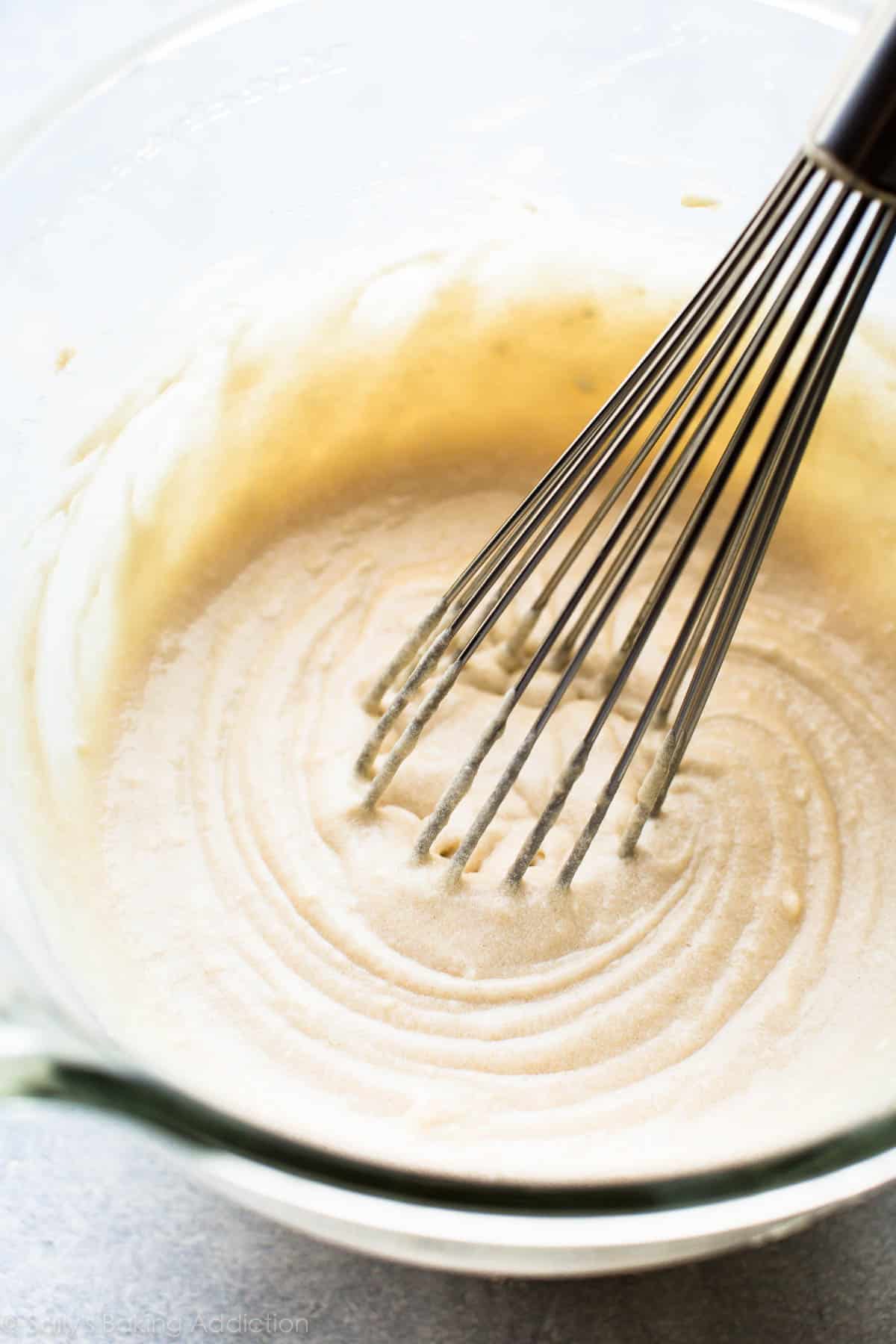
Baking the Vanilla Cake: The foundation of these cake pops is a tender vanilla cake. Unlike typical layer cakes, this recipe is often scaled down or baked in specific pan sizes (such as a 9-inch springform or an 11×7-inch pan) to ensure the correct volume and texture for crumbling. A crucial make-ahead tip for home bakers is to prepare the cake the day before, allowing it to cool completely overnight. This not only streamlines the process but also ensures the cake is at the ideal temperature and consistency for subsequent steps. The quality of the cake batter, whisked to perfection, is paramount, setting the stage for the rich flavor profile of the final product.

-
Preparing the Vanilla Buttercream: The frosting component is equally vital. Homemade vanilla buttercream, made with real butter, powdered sugar, vanilla extract, and a touch of cream or milk, offers a flavor profile far superior to its canned counterparts. The recipe is calibrated to produce just enough frosting to moisten the cake crumbs without rendering the mixture greasy. This precise ratio is a hallmark of expertly crafted cake pops, preventing an oily mouthfeel and ensuring a truffle-like consistency.
-
Combining and Shaping the Mixture: Once the cake is thoroughly cooled, it is crumbled and then mixed with the prepared buttercream. This seemingly unconventional step is the essence of a cake pop: transforming distinct cake and frosting elements into a cohesive, moldable mass. The mixture is then rolled into uniform balls. This stage benefits significantly from chilling. Initially, the room-temperature mixture may yield slightly misshapen balls. Chilling them in the refrigerator for at least two hours firms them up, making it considerably easier to re-roll them into perfectly smooth, spherical shapes. This cooling period is a non-negotiable step for achieving professional-looking results.

-
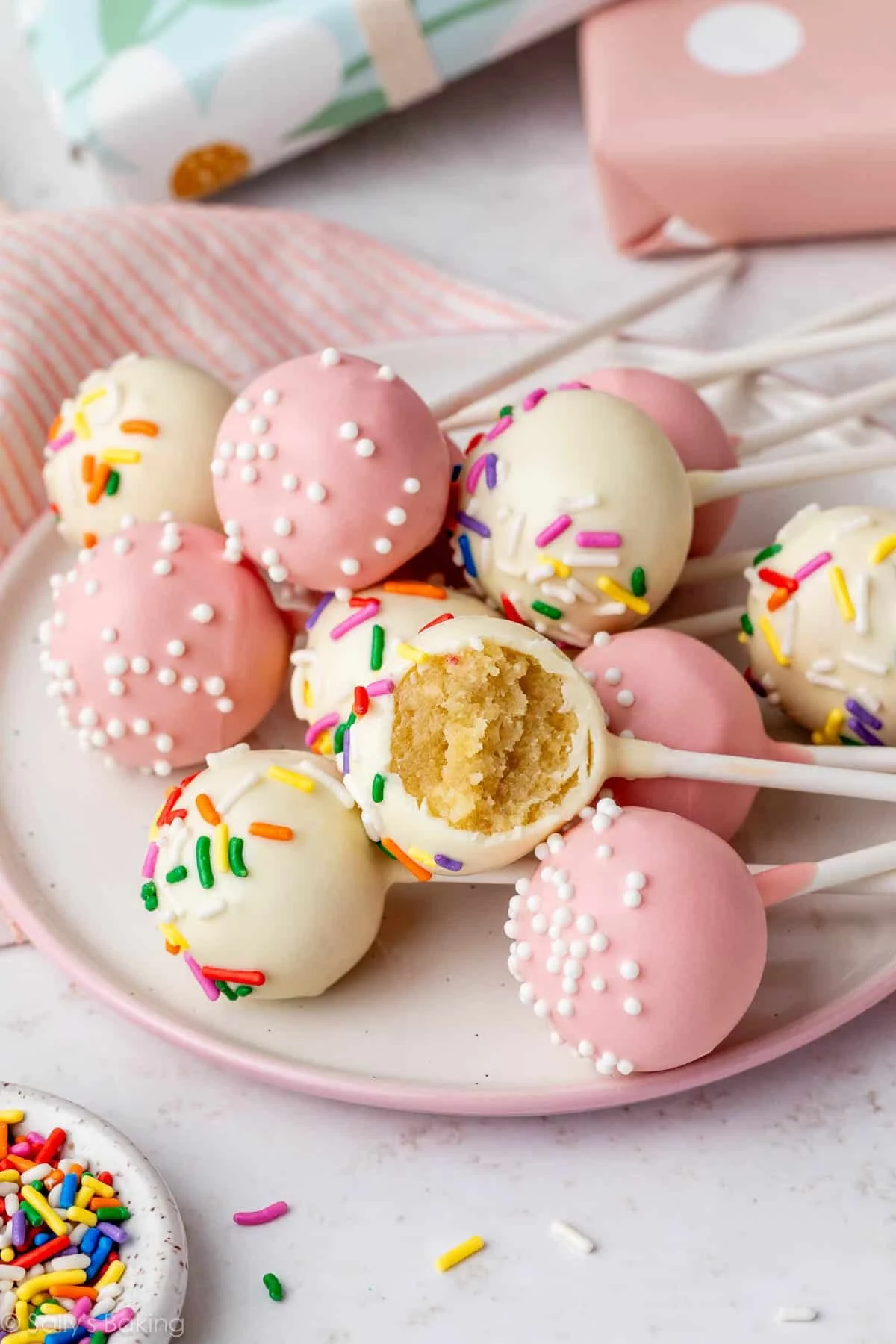
The Art of Dipping and Decorating: The final stage involves dipping the cake balls into a coating. While colored candy melts are a common choice for their vibrant hues and ease of use, many connoisseurs prefer melted white chocolate for its superior taste. White chocolate, though often more expensive, imparts a rich, creamy flavor that complements the vanilla cake beautifully.
- Adhesion Technique: To prevent the cake ball from detaching from the lollipop stick during dipping, a critical technique is employed: dipping approximately half an inch of the stick into the melted coating before inserting it into the center of the cake ball. This creates a secure bond as the coating sets, acting as an edible adhesive.
- Optimal Coating Temperature: A common challenge for bakers is cracking in the coating. This is often caused by dipping a cold cake ball into excessively hot melted chocolate. Allowing the melted coating to cool slightly (around 5 minutes) before dipping helps mitigate this issue, ensuring a smooth, unblemished finish.
- Drying and Presentation: After dipping, the cake pops require proper drying to set the coating without marring their perfect spherical shape. The recommended method involves inserting the sticks upright into a large styrofoam block or a custom-poked cardboard box. This allows the coating to dry evenly around the entire surface.
- Sprinkle Application: For those who enjoy a festive finish, sprinkles should be applied immediately after dipping, while the chocolate coating is still wet. This ensures they adhere securely, adding visual appeal and textural contrast. Common choices include classic rainbow sprinkles on white chocolate or elegant white sprinkles on subtly pink-tinted white chocolate, mirroring popular commercial designs.
Economic and Health Implications of Homemade Baking

The decision to bake cake pops from scratch carries both economic and health implications. While the initial outlay for quality ingredients might seem higher than purchasing a box mix or a pre-made cake pop, the cost per unit often proves more favorable for homemade versions, especially when producing larger quantities. Furthermore, home bakers gain complete control over ingredients, allowing them to avoid undesirable additives, reduce sugar content, or cater to specific dietary needs. This transparency offers peace of mind, contributing to a healthier consumption pattern compared to store-bought alternatives with often-obscure ingredient lists. The satisfaction derived from creating something delicious and wholesome from scratch also offers an invaluable psychological benefit, fostering a sense of accomplishment and culinary connection.
Versatility and Future Trends in Home Confectionery

The foundational techniques for vanilla cake pops can be readily adapted to explore a myriad of flavors and aesthetics. The article itself points to a chocolate cake pop recipe, demonstrating the ease with which the core concept can be diversified. Beyond flavor, the coating can be tinted with gel food coloring to match any theme or occasion, offering endless creative possibilities. This adaptability underscores the enduring appeal of cake pops as a customizable treat for celebrations, holidays, or simple indulgences.
Looking ahead, the trend toward homemade and artisanal food preparation is likely to continue its upward trajectory. Consumers are increasingly seeking authenticity, quality, and personalized experiences in their food choices. Recipes like these from-scratch cake pops not only satisfy this demand but also empower individuals to become more proficient and confident in their culinary endeavors. The detailed guidance, troubleshooting tips, and emphasis on quality ingredients provided by expert bakers contribute significantly to this growing culture of informed and empowered home cooking, solidifying the cake pop’s place not just as a fleeting trend, but as a customizable classic in the repertoire of the home baker. The ability to freeze these confections for up to six weeks further enhances their practicality, making them an ideal choice for staggered preparation or impromptu celebrations, ensuring their continued relevance in the dynamic world of home confectionery.