
The Evolution of Home Preservation and the Low-Sugar Movement
For generations, the standard ratio for fruit preserves was nearly equal parts fruit and sugar. This was not merely a matter of taste; in traditional canning, sugar acts as a vital preservative and is the primary agent required to activate standard pectin. Without a high concentration of sugar, traditional jams fail to "set" or gel, resulting in a thin, syrupy consistency. However, the rise of metabolic health awareness and dietary restrictions, such as those required for diabetic management, has necessitated a change in preservation technology.
The introduction of low-methoxyl pectin, most notably represented by the Pomona brand, revolutionized the industry. Unlike traditional high-methoxyl pectin, which requires a sugar concentration of 55% or higher to gel, low-methoxyl pectin reacts with calcium. This chemical shift allows the home cook to reduce or entirely eliminate sugar, using alternative sweeteners like honey, stevia, or monk fruit, or simply relying on the natural sugars present in the fruit itself.
Technical Specifications and Yield Analysis
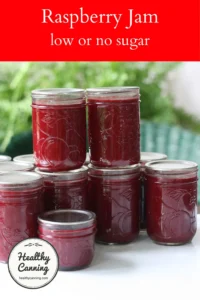
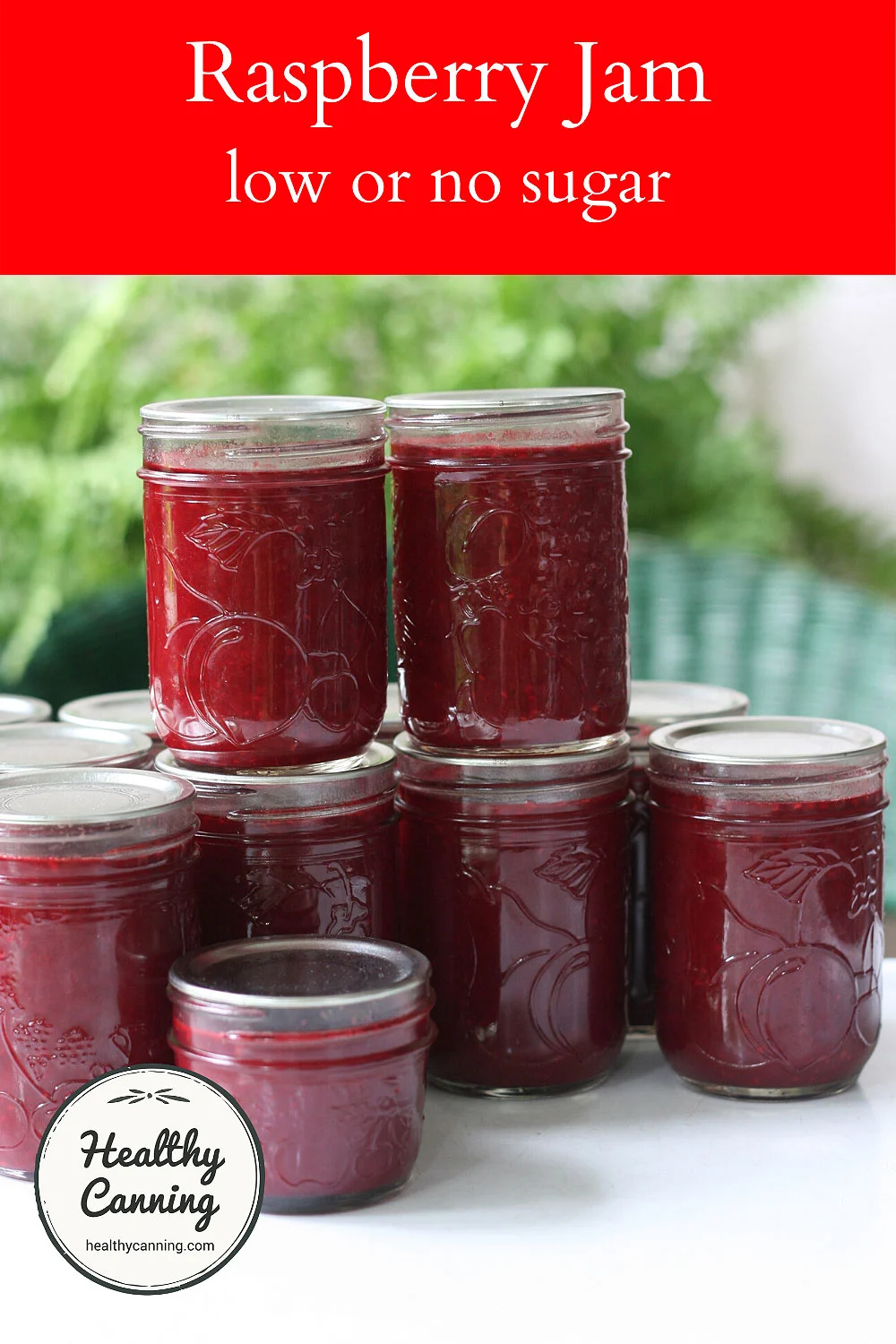
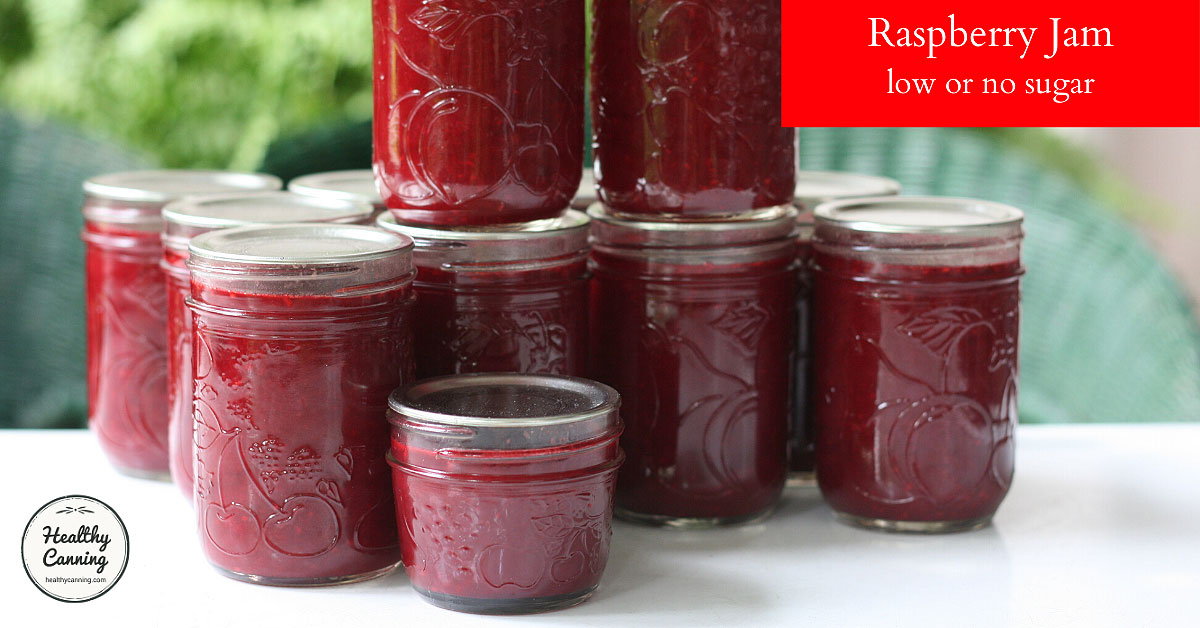
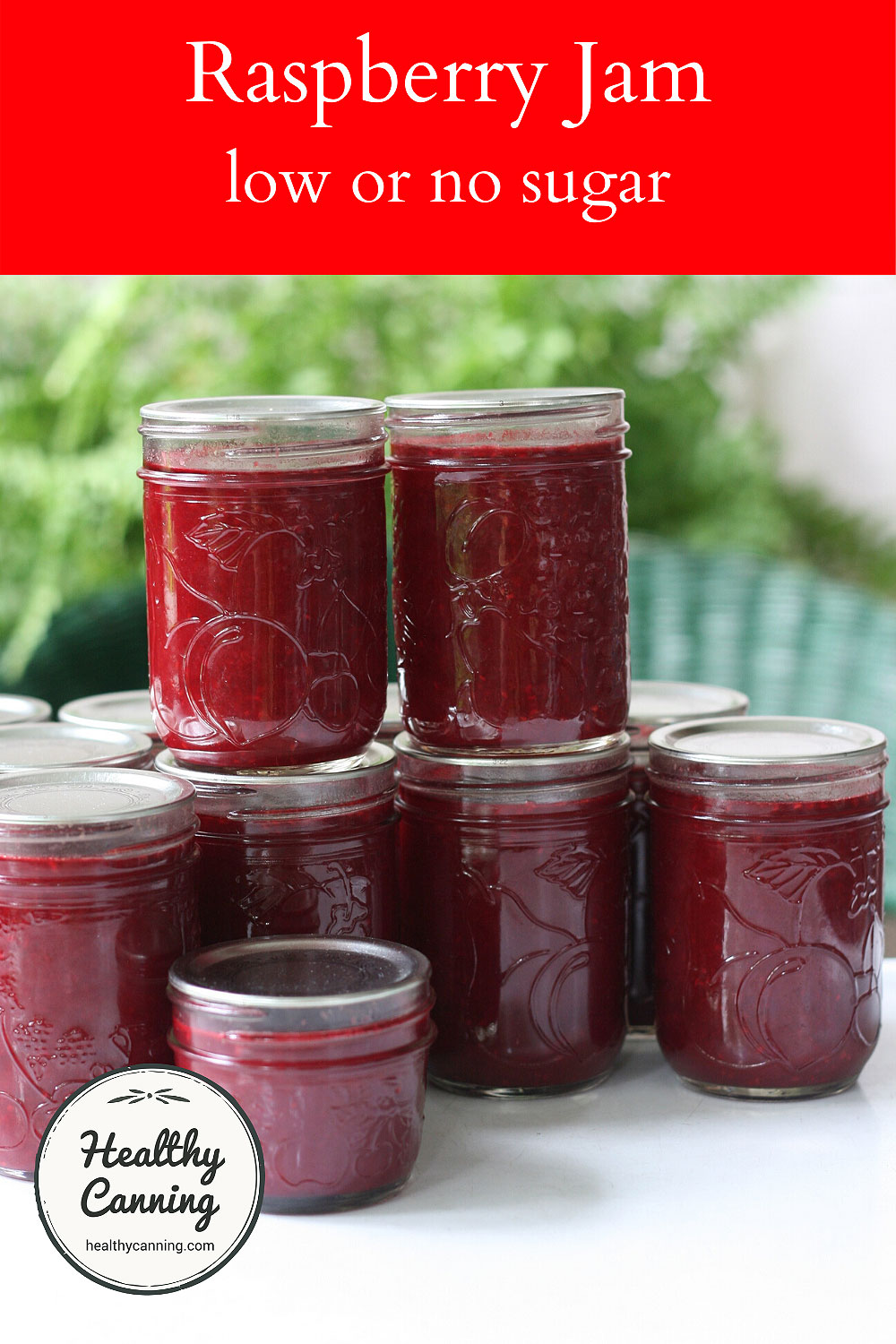
The Raspberry Jam (with Pomona pectin) recipe is designed for small-batch production, which ensures better heat penetration and quality control. The standard yield for this preparation is four quarter-litre (250 ml or 8 oz) jars, or eight 125 ml (4 oz) jars. This scale is ideal for modern households and allows for the processing of approximately 1.5 to 2 kilograms of fresh or frozen raspberries.
The processing requirements are precise to ensure food safety and shelf stability. A headspace of 1 cm (1/4 inch) is required between the top of the jam and the lid to allow for the creation of a proper vacuum seal during the cooling phase. The processing time is standardized at 10 minutes, though this must be adjusted based on the altitude of the canning location to account for the lower boiling point of water at higher elevations.
Ingredient Composition and Nutritional Profile
The core of the recipe is the raspberry, a fruit known for its high fiber content and antioxidant properties. Raspberries contain significant amounts of Vitamin C and manganese, which are largely preserved through the quick-boil method used in this recipe.
The nutritional data for this jam varies significantly based on the chosen sweetener:
- With Sugar: Using one cup (200 g) of sugar results in a caloric value of approximately 21 calories per tablespoon. The carbohydrate count remains manageable at 5 grams per serving.
- With Splenda: Utilizing a granulated sucralose alternative reduces the caloric load to just 10 calories per tablespoon and drops the carbohydrates to 2 grams.
- Alternative Sweeteners: The recipe is also compatible with honey (1/2 to 1 cup) or liquid stevia (approximately 2 teaspoons), providing a wide spectrum of options for those monitoring glycemic index or caloric intake.
The recipe also allows for the inclusion of ascorbic acid or citric acid, which serves two purposes: it helps maintain the vibrant red color of the raspberries, preventing the browning that can occur during storage, and it ensures the pH level of the jam remains within the safe range for water bath canning.
The Science of the Set: How Calcium-Activated Pectin Works
The primary differentiator in this recipe is the use of Pomona’s Pectin, a citrus-derived powder that is independent of sugar content. The process involves two distinct components: the pectin powder and a calcium water solution (typically made from food-grade monocalcium phosphate).
When the calcium water is added to the fruit mash, it provides the ions necessary for the pectin molecules to cross-link. This creates a "gel window" that is much broader than that of traditional pectin. In a newsroom-style analysis of the chemistry, this allows the jam to be re-cooked if the set is not achieved on the first attempt—a feat impossible with traditional preserves, which lose their gelling power if boiled a second time.
Chronology of the Jam-Making Process
The production of Raspberry Jam follows a rigorous timeline to ensure both the quality of the fruit and the safety of the final product.
- Fruit Preparation: Fresh raspberries are washed and hulled. If using frozen berries, they are thawed but the juice is retained. For those desiring a "seedless" gourmet finish, the berries are passed through a fine-mesh sieve or a food mill.
- Mashing and Acidification: The fruit is measured and placed in a large pot. If the berries lack sufficient natural acidity, citric acid or lemon juice is added.
- The Calcium Phase: Calcium water is stirred into the fruit mixture. This prepares the molecular structure of the fruit for the pectin.
- The Sweetener-Pectin Blend: In a separate bowl, the pectin powder is thoroughly mixed into the dry sweetener (sugar or sugar substitute). This prevents the pectin from clumping when it hits the hot liquid.
- The Boil: The fruit is brought to a full boil. The sweetener-pectin mix is added, and the concoction is stirred vigorously for 1 to 2 minutes while returning to a boil.
- Jarring and Processing: The hot jam is funneled into sterilized jars, leaving the required 1 cm headspace. The jars are then processed in either a boiling water bath or a steam canner for 10 minutes.
- The Cooling Period: Jars are removed and left undisturbed for 12 to 24 hours. This is the period during which the vacuum seal is finalized and the gel fully firms up.
Safety Standards and Official Canning Guidelines
Home canning is governed by safety protocols established by the United States Department of Agriculture (USDA) and the National Center for Home Food Preservation (NCHFP). This recipe adheres to these standards by utilizing high-acid fruit and a validated processing time.
The choice between water bath canning and steam canning is a point of interest for modern practitioners. Water bath canning is the traditional method, involving the total immersion of jars in boiling water. Steam canning, which was officially recognized as a safe alternative by the NCHFP in recent years, uses significantly less water and reaches processing temperatures faster. Both methods are effective for raspberry jam, provided the 10-minute processing time is strictly observed and adjusted for altitude.
Broader Economic and Agricultural Impact
The practice of home canning raspberry jam has implications beyond the kitchen. It represents a significant intersection of the agricultural sector and consumer behavior. Raspberries are highly perishable, with a shelf life often measured in days. By converting "gluts" of raspberries—periods of peak harvest where supply exceeds immediate demand—into shelf-stable jam, consumers reduce food waste and stabilize their personal food supply.
From an economic perspective, home canning provides a hedge against inflation in the grocery sector. While the initial investment in jars and a canner is required, the per-unit cost of a 250 ml jar of organic, low-sugar raspberry jam made at home is often 40% to 60% lower than comparable "artisanal" products found in retail environments.
Implications for Sustainable Living
The Raspberry Jam (with Pomona pectin) recipe is more than a culinary instruction; it is a tool for sustainable living. By allowing for the use of frozen berries, it encourages year-round preservation activities, enabling households to process fruit when it is seasonally cheapest or when their own gardens are most productive.
Furthermore, the ability to control the sweetener allows for a product that is free from high-fructose corn syrup and artificial preservatives often found in commercial equivalents. The shelf life of these home-canned goods is typically one to two years, though the nutritional quality and color are best within the first twelve months.
As the trend toward "slow food" and transparent sourcing continues to grow, the role of specialized ingredients like Pomona pectin becomes increasingly vital. It empowers the consumer to act as both manufacturer and quality control agent, resulting in a product that is tailored to specific dietary needs without compromising the fundamental joy of a well-set, flavorful fruit preserve. This transition toward science-based, flexible home preservation ensures that the tradition of canning remains relevant and accessible in a health-conscious, modern world.