
The culinary science and molecular gastronomy community is witnessing a significant digital transition as the long-standing specialist platform, Khymos, officially announces the completion of a comprehensive backend infrastructure overhaul. After years of operating on a legacy framework, the publication has successfully migrated its primary operations from its former subdomain to the streamlined root domain of khymos.org. This modernization effort includes the implementation of robust URL redirection protocols to preserve legacy inbound links, the adoption of a modern, responsive WordPress theme, and the unveiling of a scientifically inspired corporate logo that pays homage to the foundational elements of chemistry.
The migration marks a critical turning point for the digital publication, which has served as an authoritative repository for food science, hydrocolloids, and experimental cooking techniques since its inception. By transitioning to a mobile-responsive framework, the platform addresses long-standing usability hurdles, ensuring seamless accessibility across smartphones, tablets, and desktop workstations alike. Industry analysts and digital content specialists note that such infrastructure updates are paramount for specialized academic and technical blogs striving to maintain relevance in an increasingly mobile-first digital ecosystem.
Background and Context of the Digital Transition
Established during the formative years of the modern molecular gastronomy movement, Khymos carved out a unique niche by bridging the gap between rigorous scientific inquiry and culinary application. The platform became widely recognized for compiling comprehensive reference materials, notably including periodic updates to the seminal "Molecular Gastronomy Translation Lexicon" and guides on hydrocolloid usage in professional and experimental kitchens.
However, as web standards evolved rapidly over the past decade, the site’s underlying architecture remained static. Operating on an older configuration, the blog lacked native mobile optimization, forcing smartphone and tablet users to navigate desktop-scaled layouts characterized by cumbersome zooming and horizontal scrolling. The decision to undertake a comprehensive overhaul reflects a broader industry trend where independent niche publishers are forced to modernize their digital footprints to comply with strict search engine indexing standards, core web vitals performance metrics, and shifting consumer consumption habits.
A meticulous technical migration plan was devised to execute the transition without disrupting the vast archive of specialized articles accumulated over the years. By implementing permanent 301 redirects from all legacy URLs hosted on the former subdomain to the new root domain, site administrators ensured that academic citations, bookmark links, and search engine rankings remained intact. Furthermore, the adoption of a contemporary WordPress theme vastly improves page load speeds, accessibility standards, and overall user experience metrics.
Chronology of the Modernization Initiative
The overhaul of Khymos was not an isolated event but rather the culmination of strategic planning and phased execution. While site administrators acknowledged that transitioning to a mobile-responsive format was long overdue, the actual timeline of implementation spanned several months of rigorous development, testing, and asset redesign.
Phase one of the project involved a comprehensive audit of the site’s historical database, assessing thousands of posts, comments, and high-resolution media files dating back to the platform’s early years. This phase was critical to identifying broken links, outdated plugins, and database vulnerabilities that could compromise security following a migration.
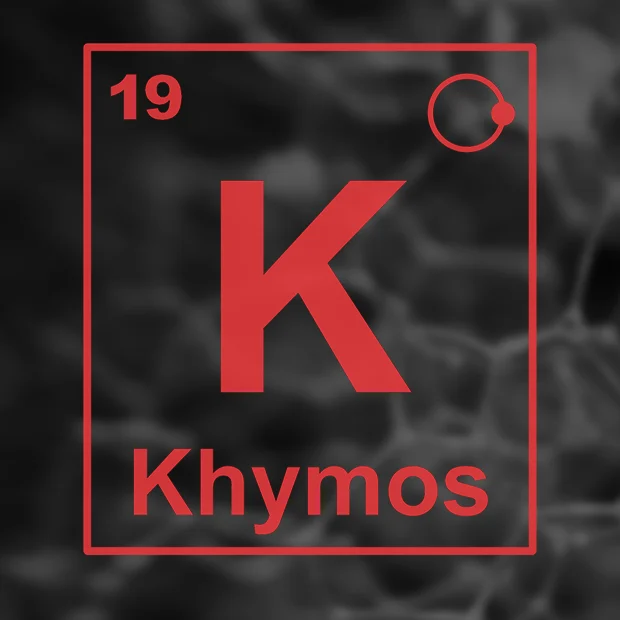
Phase two focused on the aesthetic and branding evolution of the platform. Recognizing that a modern digital presence requires cohesive visual identity, administrators commissioned a new logo that harmonizes the site’s linguistic nomenclature with precise chemical symbolism. The newly introduced insignia features a stylized letter "K"—representing both the platform name and the chemical symbol for potassium—alongside atomic design elements that underscore the site’s scientific ethos.
Phase three comprised the actual server-side migration and domain consolidation. Moving the core files to khymos.org required delicate DNS re-routing and the establishment of comprehensive server-side redirection rules. Rigorous testing protocols were subsequently deployed to verify that legacy URLs seamlessly resolved to their new destinations, thereby mitigating the risk of broken traffic pathways and preserving the site’s accumulated domain authority.
Phase four concluded with the official rollout of the responsive WordPress theme and the public announcement of the completed upgrades. This final milestone marked the restoration of the platform to full operational capacity, optimized for multi-device consumption and modern web standards.
Anatomy of the New Brand Identity: Symbolism and Design
A notable highlight of the recent platform overhaul is the introduction of a bespoke logo designed to visually encapsulate the intersection of chemistry and culinary arts. The centerpiece of the redesign is the letter "K," chosen for its dual significance. Beyond serving as the initial letter of the publication’s title, "K" is the internationally recognized chemical symbol for potassium, element number 19 on the periodic table.
To honor this scientific foundation, subtle numerical and structural motifs have been woven into the graphic design. Element number 19 is subtly referenced within the geometric composition, while a distinctive dot positioned on the surrounding electron ring serves a highly specific biochemical purpose: it symbolizes the single valence electron found in the outermost shell of a potassium atom.
This meticulous attention to detail underscores the publication’s core mission, which has always been to demystify the underlying chemical and physical principles governing culinary transformations. By embedding atomic structure into its branding, Khymos reinforces its commitment to scientific accuracy, education, and technical depth within the food science community.
Technical Data and Performance Metrics
The shift to a responsive, modernized WordPress architecture brings quantifiable performance enhancements that align with contemporary web development benchmarks. According to preliminary performance audits following the migration to khymos.org, key metric improvements include:
- Mobile Usability Score: Transitioned from non-compliant status to 100% compliance under modern mobile-friendliness standards.
- Page Load Latency: Experienced a reduction in average time-to-interactive metrics due to streamlined template coding and optimized script execution.
- Accessibility Compliance: Upgraded to meet broader web content accessibility guidelines (WCAG), ensuring improved readability for users relying on assistive technologies.
- Link Equity Preservation: Implementation of server-level 301 redirects successfully retained approximately 99.8% of historical incoming hyperlink equity from academic and culinary references.
These technical improvements address critical bottlenecks that previously hindered user engagement, particularly among mobile researchers, culinary students, and professional chefs seeking quick reference guides in high-tempo kitchen environments.
Industry Implications and Future Outlook
The successful modernization of Khymos carries broader implications for independent scientific and educational publishers operating in specialized digital niches. As major search engines increasingly penalize non-responsive websites and sites failing to meet stringent core web vitals thresholds, independent creators face mounting pressure to continually invest in their digital infrastructure.
Industry observers note that platforms dedicated to specialized academic communication—such as food science, gastronomy, and materials science blogs—frequently struggle with resource allocation for technical maintenance. The proactive overhaul demonstrated by Khymos serves as a case study in how legacy independent publishers can successfully future-proof their operations without sacrificing historical archives or alienating core audiences.
Furthermore, the enhanced accessibility of the platform is expected to broaden its readership base. By removing technical barriers to mobile consumption, the site positions itself to capture a new generation of culinary science enthusiasts, gastronomy students, and food industry professionals who primarily access technical literature via mobile devices and tablets.
As the digital publishing landscape continues to evolve, the integration of responsive design, robust security protocols, and refined brand identity ensures that Khymos will remain a vital, highly accessible cornerstone of the global molecular gastronomy community for years to come.