
The Evolution of a Culinary Resource: Tracing the Legacy
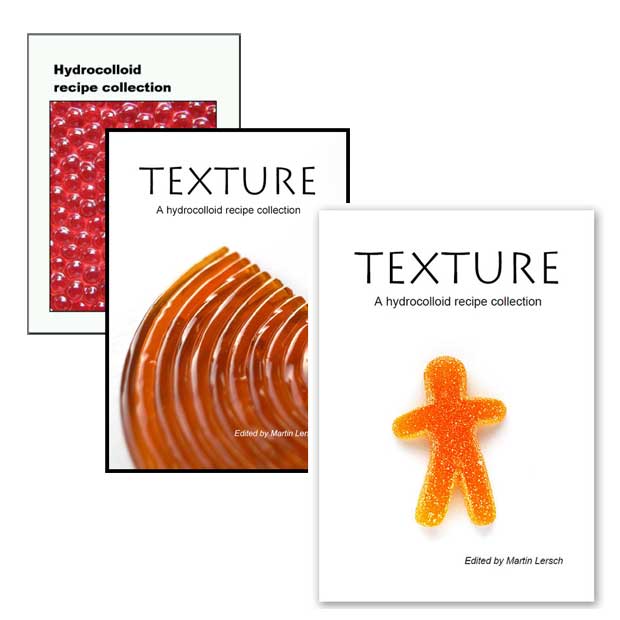
The "Texture" collection has been a pioneering force in demystifying the use of hydrocolloids, gelatin, and other gelling agents in the kitchen. Its journey began in 2007 with the release of v.1.0, offering an unprecedented compilation of recipes and insights into ingredients that were, at the time, largely confined to industrial food production or niche experimental kitchens. The subsequent year saw the rapid evolution to v.2.0 in 2008, reflecting a burgeoning interest in molecular gastronomy and the scientific principles behind food preparation. These early versions laid the groundwork for a resource that would become synonymous with the careful manipulation of food structures and mouthfeel.
The most recent major update, v.3.0, was published in 2014. This edition solidified "Texture"’s reputation, expanding its scope and refining its existing content based on years of practical application and scientific advancement. Each iteration has not merely added new recipes but has also served as a living document, reflecting the dynamic nature of culinary innovation and the increasing accessibility of formerly specialized ingredients. The project’s curator, an unnamed but evidently dedicated individual, has consistently emphasized the importance of community engagement, transforming the collection into a collaborative endeavor that benefits from the collective experience of its global readership. A dedicated blog post in 2010 provided detailed instructions for photo submissions, underscoring this commitment to user-generated content long before the widespread adoption of such collaborative models.
The Purpose of v.3.1: Refinement and Expansion
The upcoming v.3.1 is envisioned as an "incremental revision," primarily focused on "ironing out wrinkles" rather than introducing a complete structural overhaul. This methodical approach ensures the continued integrity and accuracy of the existing content while allowing for targeted improvements. The curator has expressed profound gratitude for the continuous feedback received over the years, acknowledging that even unreplied messages have been read and their insights valued. This feedback loop is critical for maintaining the high standards expected of such a definitive resource.
A significant aspect of the v.3.1 update will be the expansion of coverage for certain hydrocolloids that are currently "underrepresented." These include:
- Guar Gum: A widely used thickener and stabilizer in both food and industrial applications, derived from guar beans. Its neutral taste and ability to form viscous solutions in cold water make it versatile for sauces, ice creams, and baked goods. The update seeks to showcase its full range of culinary applications.
- Gum Arabic: Also known as acacia gum, this natural gum is harvested from the sap of acacia trees. It is prized for its emulsifying properties, often used in confectionery, soft drinks, and to create stable foams. Its inclusion will likely highlight its role in both texture and flavor encapsulation.
- Konjac (Glucomannan): Derived from the konjac plant, this hydrocolloid is known for forming exceptionally strong, elastic gels, particularly in Asian cuisine (e.g., shirataki noodles, konnyaku). The update aims to explore its unique textural contributions beyond traditional uses.
- Locust Bean Gum (Carob Gum): Extracted from the seeds of the carob tree, this gum is an excellent thickener and stabilizer, often used in conjunction with other gums like xanthan gum to create synergistic effects, leading to robust and elastic gels. It’s common in dairy products, dressings, and desserts.
- Tara Gum: Sourced from the tara plant, this hydrocolloid offers properties similar to locust bean gum and guar gum but with a cleaner taste profile. Its ability to create stable, pseudoplastic solutions makes it valuable for thickening and stabilizing various food systems.
The curator explicitly welcomes new recipes that demonstrate the diverse applications of these specific hydrocolloids, encouraging submissions via the comments section or direct email to [email protected]. This targeted call for contributions aims to enrich the collection with practical, tested examples that highlight the full potential of these often-overlooked ingredients.
Furthermore, the update will address "accidental omissions" of rare or novel hydrocolloids, inviting the community to point out any significant gelling agents that may have been overlooked. This open-source approach to content curation ensures that the collection remains as comprehensive and current as possible. However, the curator also clarifies that some omissions are intentional, particularly for proprietary products like Ultra-Tex and Pure Cote (both modified starches) and Trisol (a wheat fiber). This distinction underscores the collection’s focus on foundational ingredients and widely accessible hydrocolloids rather than patented brand-specific solutions, maintaining its educational and open-access ethos.
Community’s Crucial Role: A Call for Contributions
The "Texture" project thrives on the active participation of its global community. The upcoming v.3.1 update is no exception, with a fervent call for renewed engagement from users. The curator emphasizes that providing feedback, pointing out typos and errors, and submitting successful recipe outcomes are invaluable. Critically, anyone who has tested a recipe from previous editions and found it to be unsuccessful is strongly encouraged to report their findings. This allows for critical evaluation and potential refinement of existing instructions, ensuring the reliability of the entire collection.
Photographs, in particular, are highlighted as a crucial form of contribution. The curator notes that "If a recipe is accompanied by a photo it’s a good sign that it has been tested with a successful outcome." This visual validation not only enhances the aesthetic appeal of the collection but also provides tangible proof of concept, inspiring confidence in other users. Detailed instructions for photo submission are readily available in a previous blog post from 2010 titled "Texture to be updated with pictures" or on page 8 of the existing "Texture" document, making the process straightforward for contributors. This emphasis on visual documentation aligns with contemporary digital content consumption, where high-quality images significantly enhance user experience and understanding. The call for pictures is a direct appeal to the creative and experimental spirit of the culinary community, inviting them to showcase their successful applications of hydrocolloid techniques.
Exploring Indigenous Textures: Gels and Foams Beyond Traditional Hydrocolloids
Beyond the realm of industrial hydrocolloids, the "Texture" collection has always celebrated the ingenious gelling mechanisms found in "regional kitchens around the world." This dedicated section, labeled "non-hydrocolloid recipes," explores traditional preparations where unique textures are achieved without the addition of commercially processed gelling agents. Instead, the gelling often arises from natural components within the ingredients themselves or through specific processing techniques. Examples already included in this fascinating category are:
- Junket: A milk-based dessert coagulated by rennet, an enzyme traditionally derived from calf stomachs.
- Cuajada: A Spanish and Latin American fresh cheese or milk curd, often coagulated with rennet or plant-based enzymes.
- Ginger Milk Custard: A Cantonese dessert where ginger juice contains enzymes that coagulate hot milk into a delicate custard.
- Aiyu Jelly: A Taiwanese dessert made from the seeds of the aiyu fig, which release pectin when rubbed in water.
- Grass Jelly: A popular East Asian dessert made from the plant Platostoma palustre, which naturally contains gelling agents.
- Gelled Seafood Sauce: Often relying on naturally occurring collagen from seafood bones or skin to gel upon cooling.
- Tofu: Formed by coagulating soy milk, typically with calcium sulfate (gypsum) or magnesium chloride (nigari).
- Hominy: Nixtamalized corn, where the lime treatment can alter starch structure, contributing to unique textures in dishes like posole.
The curator explicitly seeks assistance from the community to identify "more examples of gels (or foams!) that should be included in this section." This collaborative ethnographic approach ensures that the collection remains a truly global compendium of textural innovation.
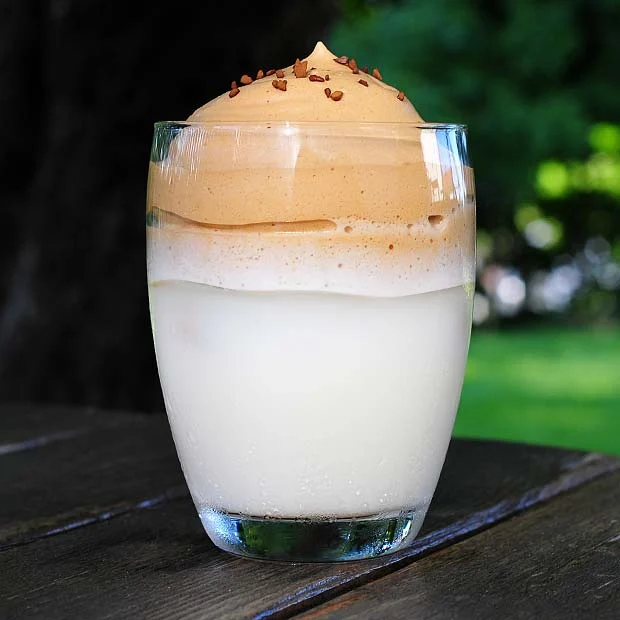
A contemporary example that is confirmed for inclusion in v.3.1 is the Dalgona coffee foam. This whipped coffee beverage, characterized by its distinct two-layer appearance and creamy foam, gained immense popularity worldwide during the spring of 2020, largely due to social media trends during global lockdowns. The foam’s stability, achieved through vigorous whipping of instant coffee, sugar, and hot water, presents a fascinating case study in protein denaturation and sugar stabilization, illustrating how common kitchen ingredients can produce complex textures without specialized hydrocolloids. Its inclusion underscores the collection’s commitment to capturing both ancient wisdom and modern culinary phenomena.
A Pillar of Modern Gastronomy: The Enduring Value of ‘Texture’
The continuous evolution of "Texture – A hydrocolloid recipe collection" highlights its enduring significance in the culinary landscape. In an era where culinary boundaries are constantly being pushed, and the science of food is increasingly integrated into everyday cooking, resources like "Texture" serve as vital educational tools. They empower professional chefs to innovate with greater precision, enable food scientists to explore new applications, and inspire home cooks to experiment with techniques once considered esoteric.
The project’s longevity, spanning over a decade and a half, is a testament to its foundational importance. It has not only documented the rise of molecular gastronomy but has also played an active role in democratizing access to complex food science knowledge. By translating intricate chemical processes into approachable recipes and explanations, it has made the world of hydrocolloids less intimidating and more accessible. The collaborative model of content generation further reinforces its value, transforming it from a static publication into a dynamic, community-driven encyclopedia that reflects the collective intelligence and creativity of its users.
The v.3.1 update, while incremental, signifies a continued commitment to excellence and relevance. It ensures that "Texture" remains a current, accurate, and comprehensive guide for anyone interested in the fascinating interplay of ingredients, science, and sensory experience. As culinary trends continue to evolve, the ability to understand and manipulate food textures will remain a fundamental skill, and "Texture" will undoubtedly continue to be a go-to reference for exploring these possibilities. The call for community involvement is not just about collecting data; it’s about fostering a shared journey of culinary discovery, ensuring that the next iteration of "Texture" is as robust and insightful as its predecessors, and continues to inspire generations of food innovators.