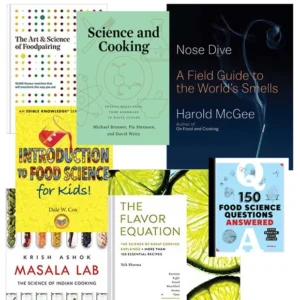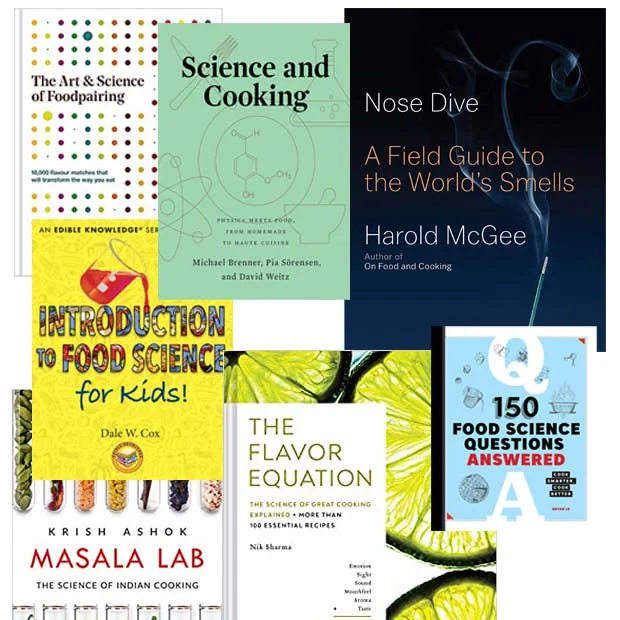

After an extended hiatus from actively curating its acclaimed book recommendations, the Khymos blog, a long-standing authority in the intersection of food and science, has returned to spotlight pivotal new publications. The blog, which last issued comprehensive book lists in 2013, has now unveiled a curated selection of titles from 2020, alongside a retrospective look at significant works from 2014-2019, all chosen for their "scientific touch" and ability to deepen understanding of culinary principles. This resurgence marks a renewed commitment to guiding readers through the evolving landscape of scientific gastronomy literature, catering to both seasoned enthusiasts and newcomers to the field.
A Decade of Culinary Science Unveiled: The Khymos Blog’s Return
The Khymos blog has historically served as a vital resource for individuals interested in the scientific underpinnings of cooking and food preparation. Its founder and primary author has consistently championed literature that bridges the gap between the kitchen and the laboratory, making complex scientific concepts accessible to a broad audience. The blog’s previous recommendations, particularly those from 2013, established a benchmark for quality and relevance in this niche. The recent seven-year break from this specific content stream had left a void for many followers seeking expert guidance on new releases.
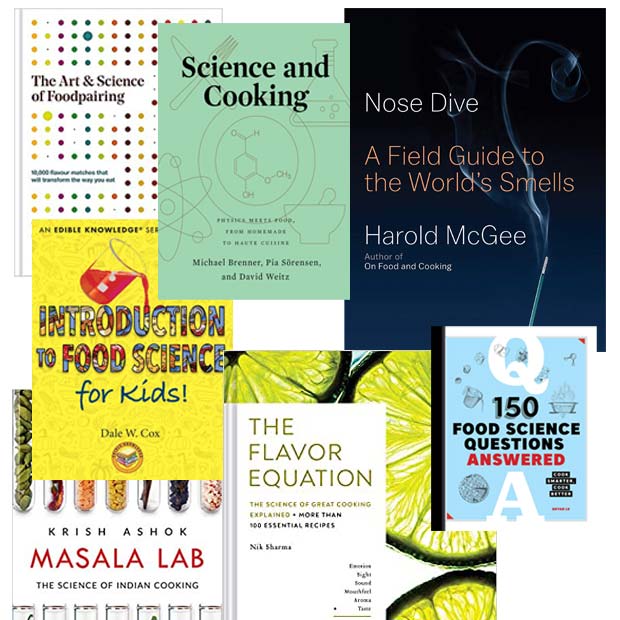
The decision to resume these recommendations underscores the continued, and indeed accelerating, public interest in food science. Over the past decade, the culinary world has witnessed a profound shift, moving beyond traditional recipe-following to embrace a more analytical, scientific approach. This trend, often termed "molecular gastronomy" in its early stages, has matured into a broader movement that sees chefs, home cooks, and food enthusiasts seeking to understand the ‘why’ behind culinary phenomena. The Khymos blog’s return to recommendations is therefore timely, addressing a growing demand for well-vetted resources that combine practical application with rigorous scientific explanation. The blog’s discerning eye for titles that integrate scientific principles seamlessly into culinary narratives remains its hallmark, promising valuable insights for its readership.
Spotlight on 2020: Pioneering Works in Food Science
The 2020 list presented by Khymos features a diverse array of books, each contributing uniquely to the scientific understanding of food. These selections highlight the multidisciplinary nature of contemporary food science, encompassing sensory perception, ingredient interaction, and the fundamental physics and chemistry of cooking.
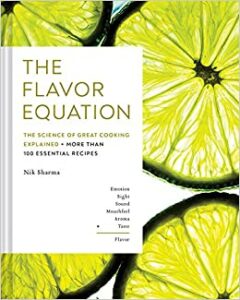
"The Flavor Equation" by Nik Sharma: A Recipe-Driven Scientific Exploration
Nik Sharma’s "The Flavor Equation" stands out for its innovative approach to integrating science directly into the cooking process. Comprising approximately 100 recipes, the book distinguishes itself by embedding "The Flavor Approach" hints within each recipe. This method moves beyond mere ingredient lists and instructions, offering small, digestible scientific explanations that elucidate why certain ingredients or techniques yield specific flavor profiles. Sharma, known for his meticulous and visually stunning work, successfully demystifies complex interactions of taste, aroma, and texture. The book’s dedication of one-third of its content to exploring flavor from multiple perspectives—including elements like brightness, richness, umami, and bitterness—makes the scientific component remarkably accessible. Its inclusion of metric units further broadens its appeal, particularly to an international audience accustomed to precise measurements, solidifying its position as a highly recommended resource for those seeking to cook with greater understanding and intentionality.
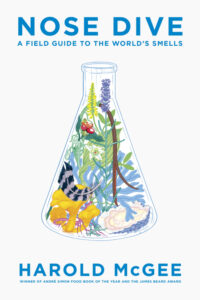
"Nose Dive: A Field Guide to the World’s Smells" by Harold McGee: A Deep Immersion into Olfactory Science
Harold McGee, a seminal figure in food science literature whose "On Food and Cooking: The Science and Lore of the Kitchen" ignited interest in the field for countless individuals, including the Khymos blog’s author, released "Nose Dive" in 2020. This monumental 688-page work is entirely dedicated to the intricate world of smells. Unlike previous works that might touch upon food aromas, "Nose Dive" delves into the olfactory landscape comprehensively, exploring scents not just from foods but from virtually every corner of existence. While it discusses volatile molecules by their scientific names, McGee’s masterful storytelling ensures that the scientific depth does not intimidate. Instead, it invites readers into a profound exploration of one of our most fundamental senses. The book promises to be an enlightening journey for anyone intrigued by how scent shapes our perception of the world, solidifying McGee’s legacy as a preeminent communicator of scientific concepts within a relatable context. The existence of distinct UK and US covers also highlights the book’s global reach and anticipation.
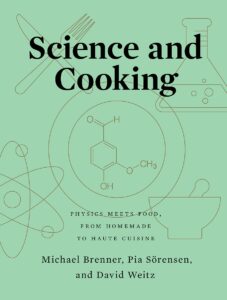
"Science and Cooking: Physics Meets Food, From Homemade to Haute Cuisine" by Michael Brenner, Pia Sørensen, and David Weitz: Academic Rigor Meets Practical Application
Originating from the renowned "Science and Cooking" course at Harvard University, this book by Michael Brenner, Pia Sørensen, and David Weitz translates a decade of pioneering education into print. The course, which famously features lectures by leading chefs, scientists, and authors, many of which are publicly available on YouTube, explores the profound connections between culinary arts and scientific principles. The authors, hailing from backgrounds in applied mathematics, chemistry, and physics, adeptly integrate their diverse scientific expertise with practical food topics. The book seamlessly weaves scientific explanations with corresponding recipes, allowing readers to immediately apply theoretical knowledge. Its focus on topics ranging from the physics of emulsions to the chemistry of fermentation, presented with clarity and precision, makes it an invaluable resource. The inclusion of metric units further enhances its utility for a global audience, aligning with the precision often demanded in scientific and culinary contexts. This work effectively bridges the gap between academic research and everyday cooking, making advanced concepts accessible to a wider public.
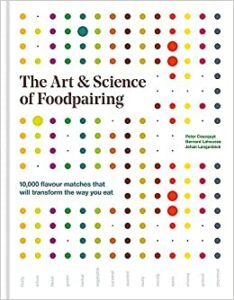
"The Art and Science of Foodpairing" by Peter Coucquyt, Bernard Lahousse, and Johan Langenbick: Deconstructing Flavor Combinations
For those who have followed the Khymos blog’s long-standing interest in flavor pairing—a topic that has garnered both enthusiasm and controversy—"The Art and Science of Foodpairing" is a significant release. Authored by the founders of the Foodpairing company, Peter Coucquyt, Bernard Lahousse (previously interviewed by Khymos), and Johan Langenbick, this book compiles years of research and application into a definitive guide. Foodpairing, based on the principle that ingredients sharing common aroma components are likely to pair well, has evolved from a theoretical concept into a sophisticated methodology. The book meticulously details the scientific basis of these pairings, providing a robust framework for understanding why certain combinations work, and perhaps more importantly, how to innovate new ones. While acknowledging that scientific analysis can only go so far before culinary intuition and artistry take over, the book guarantees a wealth of inspiration for chefs and home cooks. It serves as a testament to the systematic exploration of flavor, pushing the boundaries of traditional culinary wisdom with data-driven insights.
"Masala Lab" by Krish Ashok: Bringing Scientific Inquiry to Regional Cuisines
A particularly exciting addition to the 2020 list is "Masala Lab" by Krish Ashok, which brings a much-needed scientific lens to regional cuisines, specifically Indian cooking. The author, an electronic and software engineer, applies a systematic, curious mind to the nuances of traditional Indian culinary practices. This approach is lauded by the Khymos blog for its potential to democratize food science, demonstrating that scientific inquiry is not exclusive to Western culinary traditions or molecular gastronomy. By dissecting the chemical and physical transformations inherent in preparing masalas, curries, and other staples, Ashok provides insights that can elevate understanding and technique. The blog’s enthusiasm, despite the book’s initial limited availability (primarily Amazon India), underscores the significance of applying scientific principles to diverse global food cultures. This book represents a crucial step in expanding the reach and relevance of food science literature.
"150 Food Science Questions Answered: Cook Smarter, Cook Better" by Bryan Le: Demystifying Culinary Concepts for All
Bryan Le’s "150 Food Science Questions Answered: Cook Smarter, Cook Better" offers a practical, accessible entry point into food science for a broad audience. Structured as a series of Q&As, the book efficiently tackles common culinary queries across various categories, including cooking basics, flavor fundamentals, ingredient groups, and critical aspects of food safety and storage. This format makes it an ideal reference guide, perfect for quick look-ups or casual browsing. The Khymos blog recommends it particularly for those new to applying a scientific mindset in the kitchen, highlighting its capacity to spark interest and provide foundational knowledge. Its utility lies in its directness and comprehensiveness, making complex scientific phenomena understandable through concise, actionable answers that empower readers to become more informed and effective cooks.
"Introduction to Food Science for Kids!: A Kitchen-Based Workbook" by Dale W Cox: Cultivating Young Scientific Minds
Dale W Cox’s "Introduction to Food Science for Kids!: A Kitchen-Based Workbook" emphasizes the kitchen as an ideal experiential learning environment for children. The book’s title clearly conveys its mission: to introduce fundamental chemical and physical concepts through engaging, hands-on culinary activities. The Khymos blog implicitly endorses this pedagogical approach, recognizing that practical experiments with food can demystify scientific principles and foster an early appreciation for STEM fields. By transforming cooking into a series of scientific experiments, the workbook aims to cultivate curiosity and critical thinking in young learners, making abstract concepts tangible and exciting. This book is a valuable resource for parents and educators looking to engage children with science in an everyday context, demonstrating that learning can be both delicious and fun.
Reflecting on the Intervening Years: Notable Contributions (2014-2019)
While the explicit list for 2014-2019 was not fully detailed in the original posting, the Khymos blog’s continued focus on "books about food that have a certain scientific touch" allows for a retrospective analysis of the key themes and influential works that likely shaped the field during this period. The years between 2014 and 2019 were marked by a significant proliferation of literature that further cemented the fusion of culinary arts and scientific inquiry.
The Evolution of Gastronomy and Scientific Inquiry
This period saw the maturation of "molecular gastronomy" from a niche, experimental movement into a widely accepted approach that informed everyday cooking. Books published during these years often focused on specific scientific principles, such as fermentation, sous-vide cooking, or the chemistry of baking, offering detailed explanations and practical applications. There was a clear trend towards democratizing these once-esoteric techniques, making them accessible to a broader audience beyond high-end restaurants. Authors began to explore the science behind traditional techniques from various cultures, moving beyond a Eurocentric view of culinary science. The emphasis shifted from merely demonstrating scientific prowess to integrating scientific understanding for better flavor, texture, and consistency in everyday cooking.
Key Themes and Influential Authors
During this timeframe, several thematic areas gained prominence in food science literature:
- Fermentation Science: Building on ancient practices, books delving into the microbiology and chemistry of fermentation (e.g., lacto-fermentation, sourdough, koji) became highly influential. These works often provided both historical context and practical, science-backed guidance for safely and effectively fermenting various foods.
- Plant-Based Cuisine & Science: As plant-based diets gained traction, a new wave of books explored the unique chemical and physical properties of plant ingredients, offering scientific insights into how to maximize flavor, texture, and nutritional value in vegetarian and vegan cooking. This included detailed analyses of plant proteins, starches, and fiber.
- Sensory Science & Perception: Expanding on the work of pioneers like Harold McGee, several publications began to delve deeper into the psychology and physiology of taste and smell, exploring how our brains interpret sensory input and how chefs can manipulate these perceptions.
- The Science of Specific Ingredients: Dedicated volumes emerged that meticulously explored the science of particular ingredients, such as chocolate, coffee, or bread, providing an unparalleled depth of understanding for specialists and enthusiasts alike.
- Advanced Culinary Techniques Explained: Books dedicated to specific advanced techniques, such as precise temperature control (e.g., sous-vide) or hydrocolloid use, often featured detailed scientific explanations of the underlying principles, empowering cooks to experiment with confidence.
While specific titles from these years are not listed in the Khymos post, it is reasonable to infer that the blog would have highlighted works that exemplified these trends, prioritizing those that combined scientific rigor with practical culinary relevance and clear, engaging communication. These books collectively contributed to a richer, more nuanced understanding of food, pushing the boundaries of what is possible in the kitchen through scientific enlightenment.
The Broader Impact: Democratizing Food Science Knowledge
The curation of such specialized literature by platforms like the Khymos blog has far-reaching implications. It plays a crucial role in democratizing food science knowledge, moving it from academic journals and specialized laboratories into the hands of home cooks, culinary students, and professional chefs. This accessibility fosters a deeper appreciation for the intricate processes involved in food preparation and consumption.
By presenting books that integrate scientific explanations with practical recipes, these recommendations encourage an experimental mindset in the kitchen. Cooks are empowered to not just follow instructions but to understand why those instructions work, enabling them to adapt, innovate, and troubleshoot with greater confidence. This shift from rote learning to informed experimentation can elevate culinary skills and creativity across the spectrum.
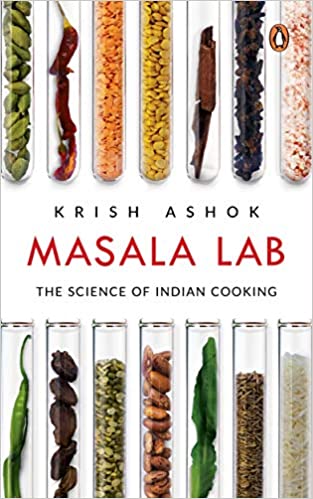
Furthermore, the inclusion of books like "Masala Lab" and "Introduction to Food Science for Kids!" signals an important expansion of the food science discourse. It highlights the universality of scientific principles across diverse culinary traditions and emphasizes the importance of nurturing scientific curiosity from a young age. This broader perspective helps break down cultural barriers in scientific understanding and inspires future generations of food scientists and innovators. The availability of high-quality, scientifically informed culinary literature is crucial for the ongoing evolution of gastronomy, ensuring that culinary advancements are grounded in robust understanding rather than mere trial and error.
The Enduring Appeal of Science in the Kitchen
The enduring appeal of the intersection between science and cooking, as championed by the Khymos blog, reflects a fundamental human desire to understand the world around us. Food, being an essential and universal aspect of human experience, provides a perfect medium for exploring scientific principles in a tangible and enjoyable way. The continuous publication of high-quality books in this genre, as evidenced by the 2020 recommendations, confirms that this fascination is not a passing trend but a deep-seated intellectual curiosity.
As culinary practices become more globalized and consumers increasingly demand transparency and understanding about their food, the role of accessible food science literature will only grow. These books not only enhance individual cooking experiences but also contribute to a more informed public discourse on food sustainability, nutrition, and innovation. The Khymos blog’s renewed commitment to highlighting these works ensures that its readership remains at the forefront of this exciting and ever-evolving field, continuing to inspire smarter, more informed, and more creative approaches to food.