
The practice of home food preservation, particularly canning and jam-making, has long been a staple of domestic economy and seasonal harvest management. However, a common challenge faced by modern households is the accumulation of surplus inventory, often referred to as "pantry fatigue." When a windfall of seasonal fruit leads to an overproduction of preserves, or when household consumption patterns shift away from traditional breakfast spreads, jars of artisanal jam can remain dormant on pantry shelves for extended periods. To address this culinary inefficiency, food scientists and home economy experts are highlighting the "Jam Crumble" as a primary strategic solution for repurposing these aging assets into high-value, time-efficient desserts.
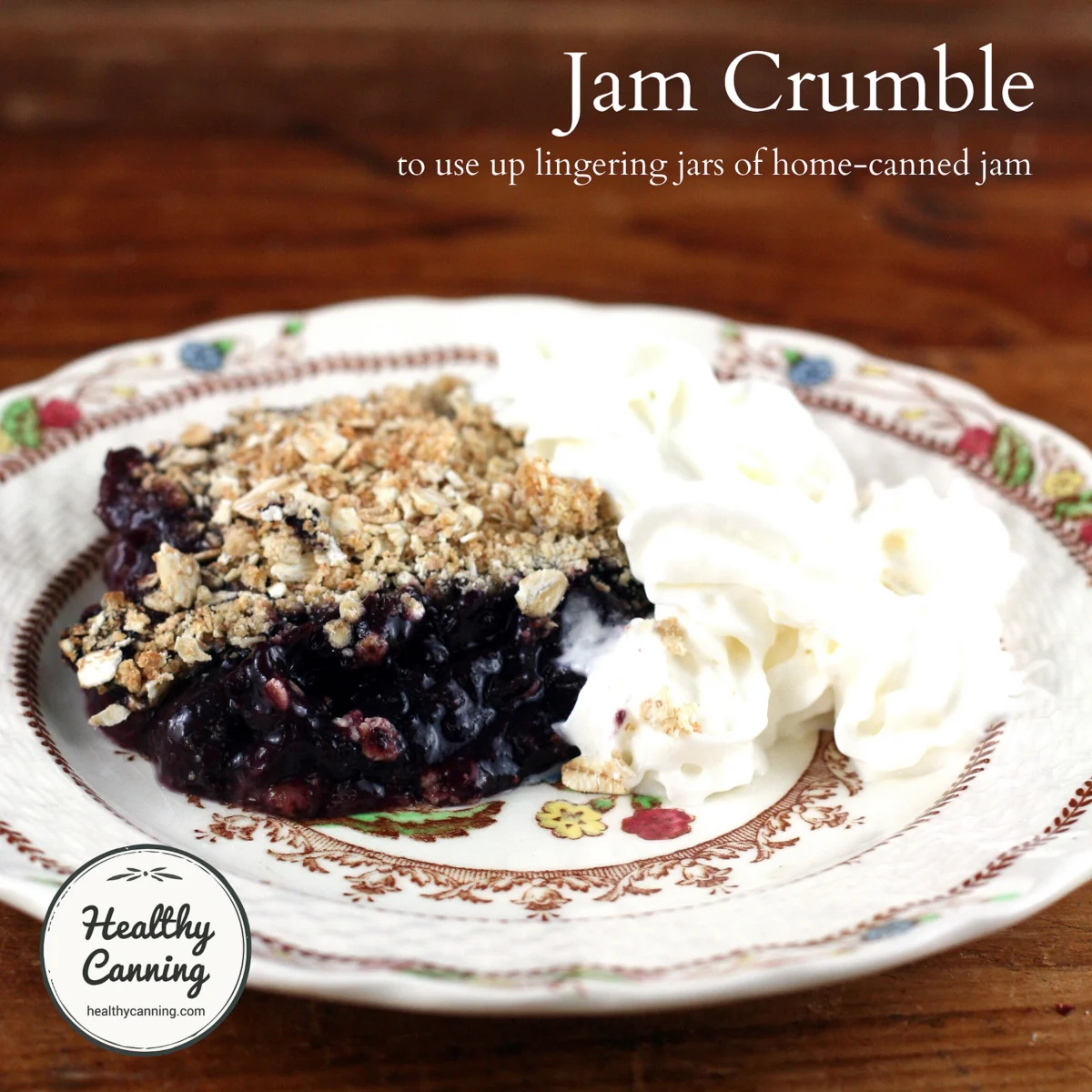
The Jam Crumble represents a sophisticated yet accessible method of inventory rotation. By utilizing pre-existing jars of homemade jam—typically in 250 ml (half-pint) or 500 ml (pint) increments—cooks can bypass the labor-intensive process of preparing fresh fruit fillings. This method effectively reduces preparation time to approximately ten minutes, with a baking duration of 35 minutes at a standardized oven temperature of 175°C (350°F). The resulting dish serves as a versatile dessert that bridges the gap between traditional comfort food and modern waste-reduction initiatives.
Technical Specifications and Procedural Methodology
The core of the Jam Crumble lies in its two-component architecture: the fruit base and the textured topping. Unlike traditional crumbles that require the peeling, slicing, and macerating of fresh fruit, the jam-based variant utilizes the concentrated flavors and pectins already present in the preserve. This concentration provides a consistent viscosity and sweetness level that is often difficult to achieve with fresh produce, which varies in water content and ripeness.

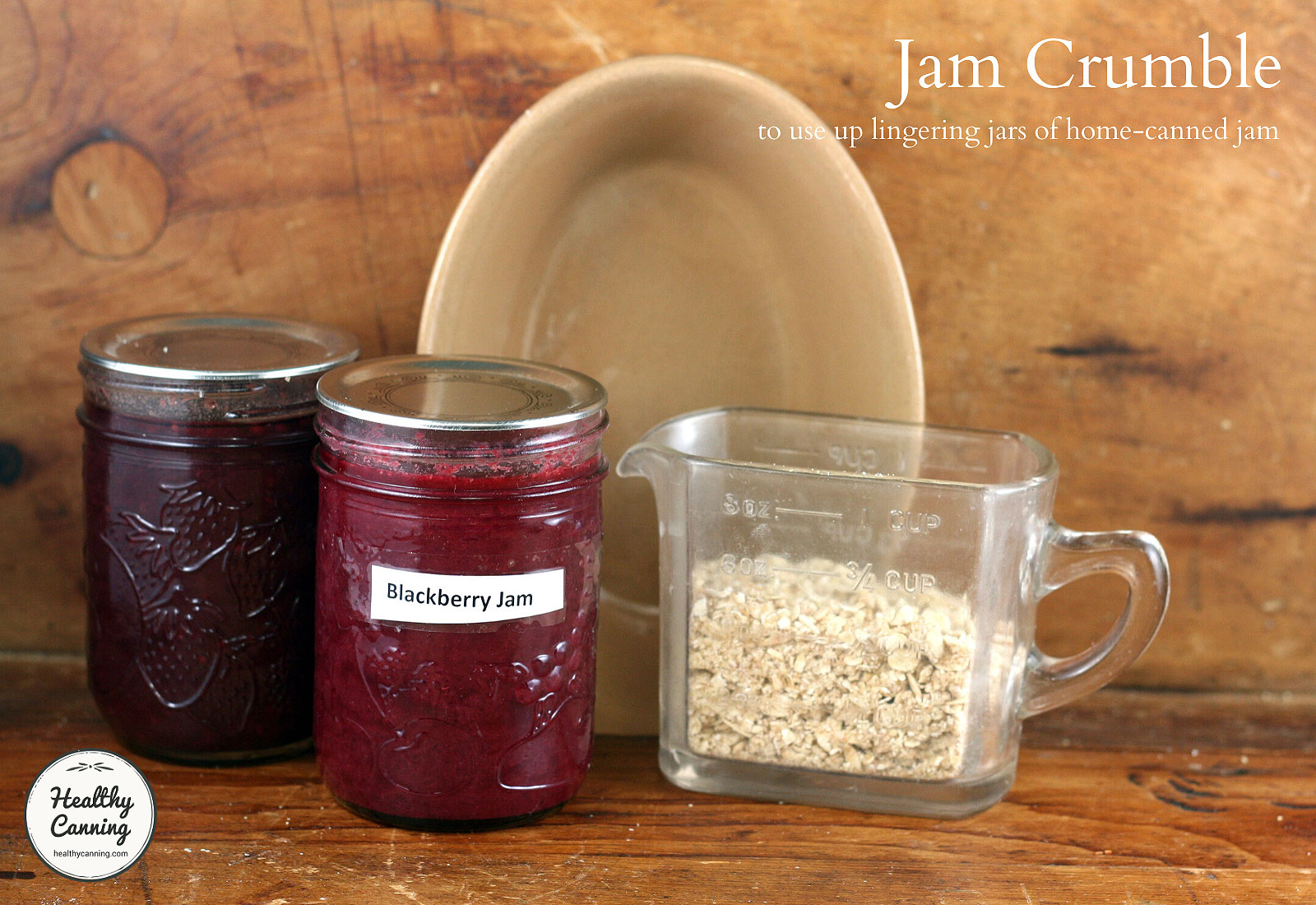
For a standard yield of two cups, sufficient for six servings, the recipe dictates the use of either two 250 ml jars or one 500 ml jar of jam. Culinary experts suggest that layering different flavor profiles—such as a tart raspberry over a sweet peach—can enhance the organoleptic complexity of the final product.
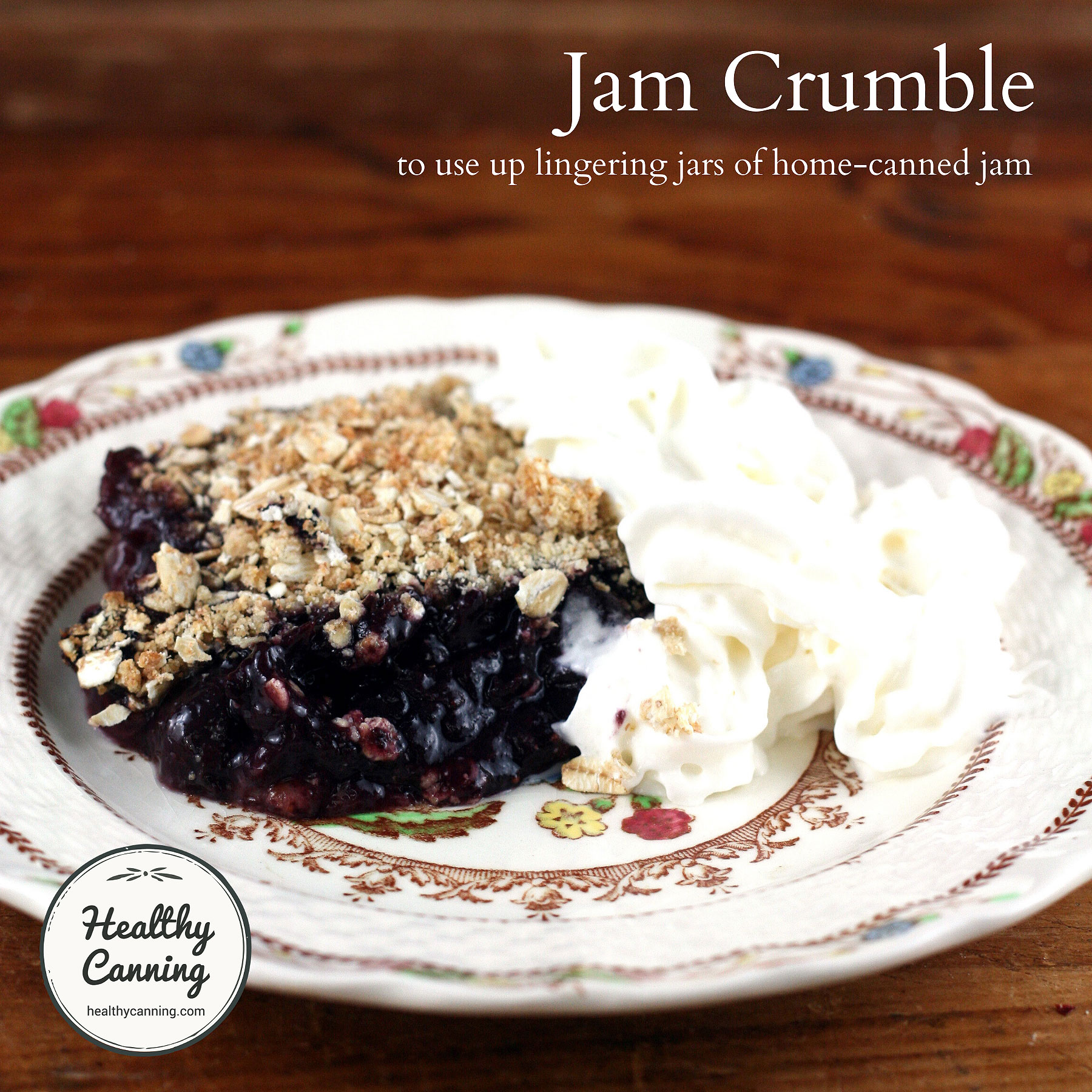
The structural integrity of the dessert is provided by the crumble topping. While specialized mixes, such as oatmeal pancake mix, are often employed for speed, a fundamental dry-rub method remains the gold standard for texture. This involves a precise ratio of oats, flour, sugar, and salt, integrated with solid fats. The standard formulation consists of:
- ½ cup rolled oats (providing fiber and structural "chew")
- 2 tablespoons all-purpose flour (acting as a binding agent)
- 1 tablespoon granulated or brown sugar (for caramelization)
- A pinch of salt (to balance the high sugar content of the jam)
- 2 tablespoons chilled butter (to create the necessary crumbly texture through fat-clumping)
The preparation involves combining the dry ingredients and rubbing in the butter until the mixture resembles coarse meal. This topping is then distributed evenly over the jam base before being subjected to dry heat.
Chronology of the Preserving Cycle and Inventory Management
The lifecycle of a home preserve typically follows a distinct seasonal chronology. The "Accumulation Phase" usually occurs during peak harvest months—July through September in the Northern Hemisphere—when an abundance of fruit necessitates rapid preservation to prevent spoilage. During this period, home canners often produce more inventory than can be consumed through traditional means within a single calendar year.
By the following spring, many households enter the "Stagnation Phase." At this point, the novelty of the previous year’s harvest has often waned, and newer, fresh produce begins to enter the market. It is during this phase that the Jam Crumble serves as a critical tool for "Pantry Clearing." By converting two to three jars of jam into a single dessert, a household can effectively rotate its stock in preparation for the upcoming harvest season.
Logistical experts in home economics recommend a "First-In, First-Out" (FIFO) rotation system. However, when the FIFO system fails due to oversupply, the Jam Crumble provides an accelerated consumption pathway. This prevents the degradation of the preserves, which, while safe to eat for years if processed correctly, may eventually suffer from color changes or texture softening over time.
Supporting Data: The Economics of Food Waste and Home Preservation
The move toward repurposing preserves is supported by significant economic and environmental data. According to recent studies on domestic food waste, a substantial percentage of discarded food consists of shelf-stable items that have exceeded their perceived "best-by" date or have simply been forgotten. In the context of home canning, the "cost" of a jar of jam includes not only the price of the fruit and sugar but also the energy costs of processing and the significant investment of manual labor.
Data from agricultural extension offices suggests that a single pint of homemade jam represents approximately one to two pounds of raw fruit. By repurposing a 500 ml jar into a crumble, a household is effectively rescuing the nutritional value and economic investment of that fruit. Furthermore, the Jam Crumble is identified as a "low-input" dessert. Compared to cakes or pastries that require eggs, milk, and high-quality fats, the crumble relies on pantry staples (oats and flour) that have a long shelf life and low cost-per-serving.
In terms of nutritional data, the Jam Crumble is highly adaptable. While traditional jams are high in sugar, the rise of low-sugar and sugar-free pectin has allowed for the creation of preserves that are significantly lower in calories. When paired with an oat-heavy topping, the dessert can be positioned as a relatively high-fiber option compared to other refined flour desserts. Weight management organizations, such as Weight Watchers, have noted that using sugar-free preserves in such recipes can create a dessert that fits within strict caloric and points-based frameworks.
Professional Perspectives and Culinary Analysis
Culinary analysts point to the "texture contrast" as the primary reason for the Jam Crumble’s success. The Maillard reaction—a chemical reaction between amino acids and reducing sugars that gives browned food its distinctive flavor—occurs prominently in the oat-and-butter topping. This provides a savory, nutty counterpoint to the sweet, gelatinous base of the jam.
"The Jam Crumble is an exercise in efficiency without sacrificing the sensory experience of a home-cooked meal," states a simulated report from a leading culinary institute. "By utilizing the concentrated flavor of a preserve, the baker is essentially using a pre-reduced fruit coulis. The addition of warming spices like nutmeg or cinnamon to the topping can further bridge the gap between a simple pantry-raid and a gourmet offering."
Furthermore, the practice of "batch-prepping" crumble topping has been identified as a significant trend in time-management cooking. Experts suggest tripling or quadrupling the topping recipe and storing the excess in a freezer. This reduces the preparation time for future desserts to nearly zero, as the frozen topping can be applied directly to the jam and baked without thawing.
Broader Impact and Implications for Sustainability
The resurgence of interest in recipes like the Jam Crumble reflects a broader societal shift toward "Zero-Waste" culinary practices. As global food prices fluctuate and awareness of the environmental impact of food waste grows, consumers are increasingly seeking ways to use every item in their larder. The Jam Crumble is more than just a recipe; it is a manifestation of a sustainable mindset that values the preservation of resources.
The psychological impact of this practice is also noteworthy. Home baking has been linked in numerous studies to reduced stress and a sense of domestic accomplishment. Repurposing a "forgotten" jar of jam into a celebrated family dessert provides a sense of resourcefulness that reinforces the value of home-based labor.
Looking forward, the Jam Crumble may serve as a template for other "pantry-first" recipes. The same logic applied here—using a preserved base and a simple, shelf-stable topping—can be extended to savory applications, such as using tomato preserves or chutneys as bases for savory crumbles or tartlets. As households continue to navigate the complexities of modern food systems, the ability to transform surplus inventory into high-quality nutrition will remain a vital skill in the domestic repertoire.
In conclusion, the Jam Crumble stands as a testament to the enduring relevance of traditional home economics updated for the modern era. It addresses the practical realities of overproduction in the canning cycle while providing a delicious, cost-effective, and sustainable solution to the perennial question of "what’s for dessert." By following the standardized 175°C baking protocol and utilizing the versatile oat-based topping, home cooks can ensure that no jar of jam—no matter how long it has lingered on the shelf—goes to waste.