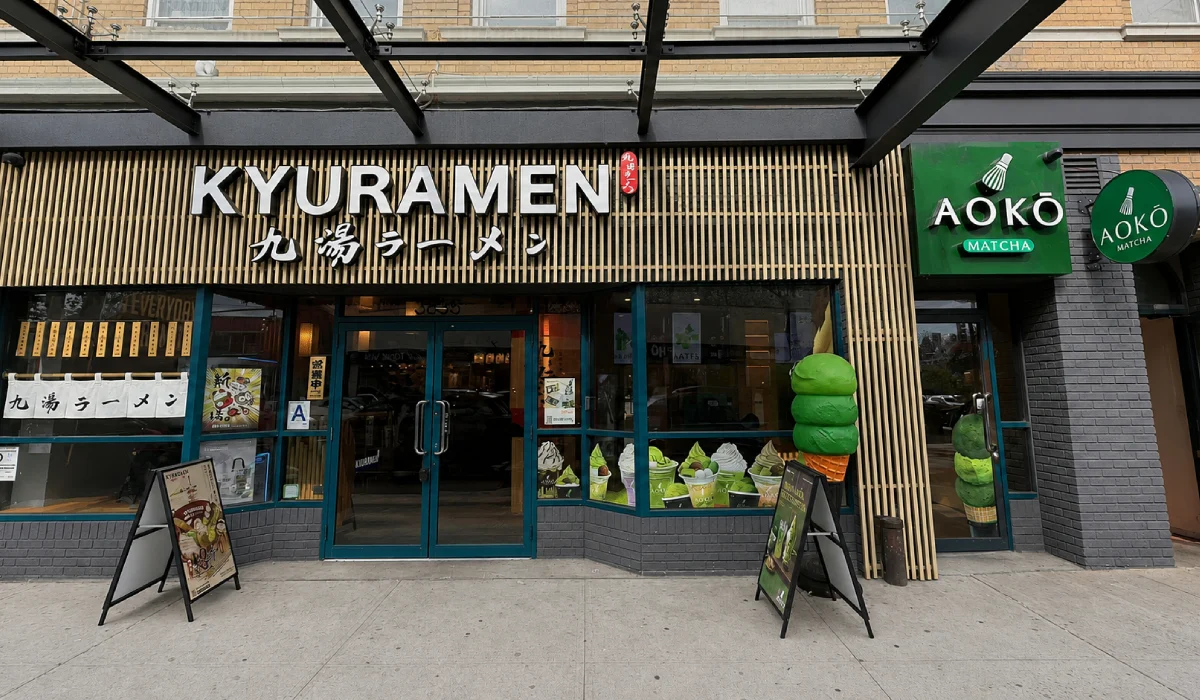

The landscape of Japanese casual dining in the United States is undergoing a significant transformation as Kyuramen Group, the parent company of the rapidly expanding ramen franchise, announces a series of strategic moves aimed at diversifying its portfolio and capturing a larger share of the experience-driven hospitality market. By acquiring the specialty concept Aoko Matcha and unveiling a premium izakaya-style model branded as Super Kyuramen, the organization is pivoting from a single-focus noodle chain into a multifaceted Japanese hospitality platform. This evolution reflects a broader trend in the food and beverage industry where brands are seeking to maximize "wallet share" by catering to multiple dayparts, from morning caffeine rituals to late-night social dining.
The Rise of Super Kyuramen: Transitioning from Quick-Service to Social Hubs
The cornerstone of this new era for the group is the introduction of Super Kyuramen, an elevated restaurant model that seeks to bridge the gap between traditional ramen shops and upscale Japanese izakayas. While the original Kyuramen concept found success through its visually striking "honeycomb" seating and efficient service, Super Kyuramen is designed for a longer dwell time and higher average check.
The first of these locations debuted in Herndon, Virginia, earlier this month, with a second flagship scheduled to open in Las Vegas in June. The "Super" designation is not merely a branding exercise; it represents a significant expansion of the culinary program. The menu is anchored by a "triple-nine" strategy: nine signature ramen dishes, nine premium sushi offerings, and nine curated cocktails. This is supplemented by an extensive sake list and a sophisticated mocktail program, reflecting the growing consumer demand for non-alcoholic yet complex beverage options.
Beyond the menu, the architecture of Super Kyuramen emphasizes the "experience economy." The interior design incorporates manga-themed private dining rooms, a grand entrance inspired by traditional Japanese ramen carts, and a "wish tree" installation. These elements are designed to encourage social media engagement—a key driver for Kyuramen’s growth among Gen Z and Millennial demographics—while providing a physical environment that justifies a premium price point.
Strategic Acquisition: Integrating Aoko Matcha into the Hospitality Ecosystem
Simultaneously, Kyuramen Group has finalized the acquisition of Aoko Matcha, a New York-based specialty café that gained a cult following in the West Village for its rigorous approach to ceremonial-grade green tea. Launched in 2025, Aoko Matcha distinguished itself in a crowded market by offering a "multi-grade" tasting experience, allowing customers to choose between various intensity levels of matcha for their lattes, gelatos, and traditional whisked preparations.
The acquisition allows Kyuramen to enter the lucrative specialty beverage and dessert sector, which often boasts higher margins and lower labor costs than full-service dining. The group’s expansion plan for Aoko Matcha is aggressive, with a target of 30 new locations within the next twelve months. This growth will follow a two-pronged approach: standalone boutique cafés in high-traffic urban areas like Wall Street and Burlington, Massachusetts, and "co-located" units integrated within existing Kyuramen restaurants.
By co-locating matcha bars within ramen shops, the company can optimize its real estate footprint and capture "after-dinner" dessert spending that might otherwise leave the building. Early "soft-openings" in New York City and Cherry Hill, New Jersey, suggest that the synergy between savory ramen and bitter-sweet matcha is resonating with suburban and urban diners alike.
Chronology of a Rapid Expansion: From Niche to National
To understand the scale of Kyuramen’s current ambitions, one must look at the brand’s trajectory over the last five years. Founded by Gary Lin, Kyuramen entered a competitive U.S. ramen market that was largely divided between high-end independent shops and low-cost, high-volume franchises.
- Phase One (2019-2022): The brand established its visual identity, focusing on the "honeycomb" alcove design which provided a sense of privacy and safety during the height of the COVID-19 pandemic. This period saw the brand grow from a handful of New York locations to over 20 units.
- Phase Two (2023-2024): Kyuramen accelerated its franchising model, surpassing the 50-location milestone. During this time, it also integrated TBaar, a bubble tea concept, into its ecosystem to handle the afternoon beverage rush.
- Phase Three (2025-Present): The current phase marks the shift toward "platform" status. The launch of Super Kyuramen and the acquisition of Aoko Matcha indicate that the company is no longer content with being a ramen provider but wants to be a dominant player in Japanese lifestyle and culture.
Industry Context: The Growing Appetite for Japanese Cuisine
Kyuramen’s expansion coincides with a period of robust growth for Japanese food in the United States. According to market research, the global ramen market is projected to grow at a CAGR of nearly 6% through 2030, driven by an increasing consumer preference for authentic, "craveable" comfort foods. However, the market is also seeing a shift toward "izakaya-style" dining, where consumers prioritize variety and atmosphere over a single-course meal.

By diversifying into sushi and cocktails via Super Kyuramen, the group is insulating itself against potential "ramen fatigue." Furthermore, the matcha market is witnessing a similar surge, as health-conscious consumers pivot away from coffee toward functional beverages. Aoko Matcha’s focus on "ceremonial grade" quality positions the brand at the premium end of this trend, avoiding the "commodity" trap of basic green tea powders.
Operational Analysis: The Tiered Brand Architecture
With the addition of these new concepts, Kyuramen Group is building a tiered brand architecture that allows it to compete across different market segments:
- Kyuramen Express: Slated for a late 2025 launch, this fast-casual model will target high-traffic transit hubs, university campuses, and food courts, focusing on speed and a streamlined menu.
- Standard Kyuramen: The core brand will continue to serve as the "mid-tier" anchor, providing a reliable, stylized dining experience in suburban shopping centers and urban neighborhoods.
- Super Kyuramen: The "top-tier" flagship model designed for major metropolitan markets and "destination" dining districts, competing with high-end Japanese restaurants.
- Aoko Matcha & TBaar: These "satellite" brands provide high-margin beverage support and standalone retail presence, capturing the morning and afternoon dayparts.
This "hub-and-spoke" model allows the group to leverage its existing supply chain and logistics network. For instance, the same high-quality flour and broth bases can be utilized across the Express, Standard, and Super models, while the acquisition of Aoko Matcha provides the group with direct access to Japanese tea producers, potentially lowering costs across the board.
Leadership Perspective and Market Reaction
Gary Lin, the founder and driving force behind the group, has been vocal about the necessity of this evolution. In recent statements, Lin emphasized that the modern diner is looking for more than just a meal; they are looking for "cultural immersion."
"Super Kyuramen is the next evolution of Kyuramen, one that honors where we started while pushing toward a bigger, bolder vision of what we can offer our guests," Lin stated. "We built Kyuramen around great ramen and great experiences, and Super Kyuramen takes that further with a more social, experience-driven model designed to bring people together through food, drink, and culture."
Market analysts suggest that the group’s move into the "social dining" space is a calculated response to the rising costs of labor and real estate. By offering cocktails and small plates (sushi), restaurants can increase the average check size significantly compared to a standard noodle-only service. Furthermore, the 30-store rollout of Aoko Matcha suggests a high level of confidence in the scalability of the brand’s operational model.
Future Outlook and Regional Implications
As the Kyuramen Group prepares for its Las Vegas debut and the continued rollout of Aoko Matcha, the focus will likely shift to maintaining quality control across a rapidly diversifying portfolio. The expansion into markets like Toms River, New Jersey, and Herndon, Virginia, indicates that the group believes there is significant untapped demand for premium Japanese dining in secondary and tertiary markets, not just in culinary hubs like Manhattan or Los Angeles.
The success of this strategy will depend on the group’s ability to maintain the "boutique" feel of Aoko Matcha and the "exclusive" feel of Super Kyuramen while operating at a national scale. If successful, Kyuramen Group could set a new blueprint for how ethnic dining brands can scale by building an ecosystem of complementary concepts rather than simply duplicating a single storefront.
In the coming months, the industry will be watching the performance of the co-located Aoko Matcha units closely. If the data shows a significant lift in afternoon traffic and dinner-time dessert sales, it could trigger a wave of similar "multi-concept" integrations across the casual dining sector. For now, Kyuramen Group remains at the forefront of this shift, betting that the future of hospitality lies in the intersection of traditional cuisine and modern, social-driven experiences.