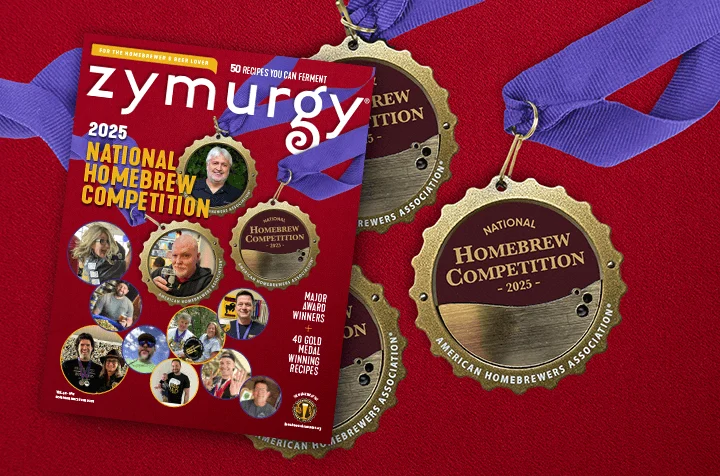

The American Homebrewers Association (AHA) has officially released the November/December 2025 issue of Zymurgy, its flagship publication, marking a significant milestone in the annual amateur brewing calendar. This edition serves as the definitive record for the 2025 National Homebrew Competition (NHC), the world’s most prestigious and largest stage for amateur fermentation. Beyond the accolades and medal tallies, the issue delves into the contemporary challenges facing the hobby, ranging from economic pressures to the ongoing effort to dismantle social barriers within the brewing community. By combining technical data with narrative features on resilience, Zymurgy provides a comprehensive overview of the state of homebrewing as it nears the end of the 2025 season.
The 2025 National Homebrew Competition: A Benchmark of Excellence
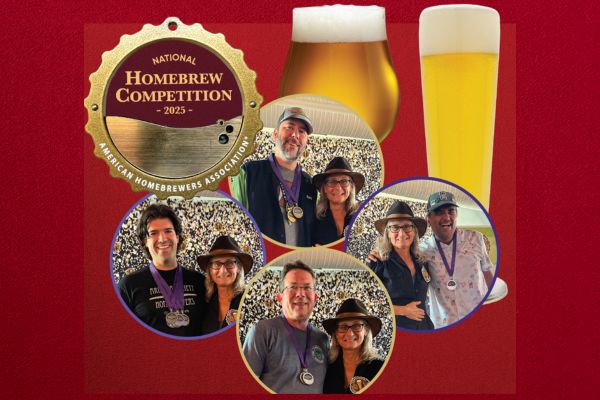
The centerpiece of the current issue is the exhaustive coverage of the 2025 National Homebrew Competition. Established in 1979, the NHC has grown from a small gathering of enthusiasts into a global phenomenon that dictates trends in both the amateur and professional craft beer sectors. In 2025, the competition continued its tradition of rigorous blind judging, utilizing the Beer Judge Certification Program (BJCP) guidelines to evaluate thousands of entries across dozens of categories, including beer, mead, and cider.
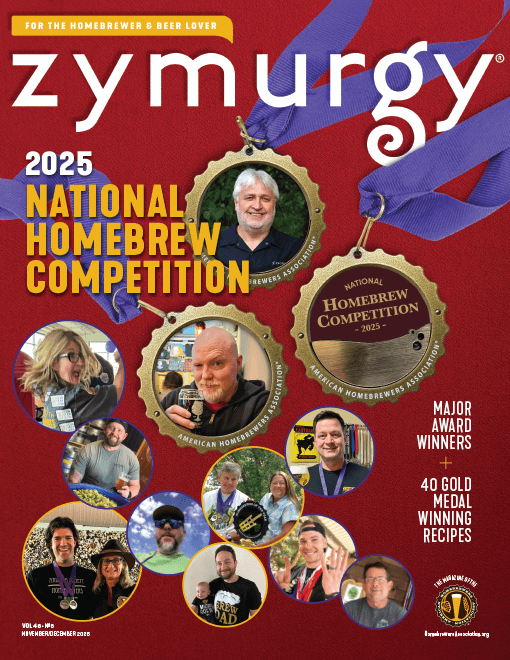
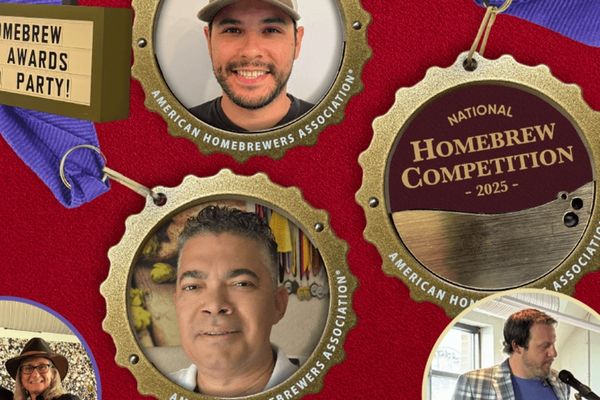
The November/December issue highlights nine major awards that represent the pinnacle of achievement in the hobby. Chief among these is the Samuel Adams Ninkasi Award, named after the Sumerian goddess of beer, which is presented to the brewer who accumulates the most points in the final round of the competition. The 2025 awards also recognized the Homebrewer of the Year, Cidermaker of the Year, and Meadmaker of the Year, titles that often serve as a springboard for individuals looking to enter the professional brewing industry.
Adriana Terron, a prominent voice in the brewing community, authored the introductory feature for the NHC section. Her reporting underscores the technical proficiency required to navigate the multi-stage competition, which begins with regional first-round judging sites across the United States before culminating in the final round. The 2025 cycle saw a diverse array of styles represented, from traditional European lagers to experimental fruit meads, reflecting the evolving palate of the modern homebrewer.
Brewing in the Face of Adversity: Socio-Economic Context
A recurring theme in the latest Zymurgy issue is "brewing in the face of adversity." This focus is timely, as the hobby faces external pressures from a shifting global economy. The cost of raw materials—specifically high-quality malted barley and proprietary hop varieties—has seen a steady increase due to climate-related crop yields and supply chain complexities.
Economist and homebrewer Jeff Weikert contributes a vital perspective on this reality in his feature on frugal brewing. Weikert applies economic principles to the brewhouse, offering data-driven strategies for hobbyists to maintain their passion without incurring prohibitive costs. His analysis includes time-motion studies of brew days and cost-benefit analyses of bulk ingredient purchasing versus specialized small-batch sourcing. As the "cost of brewing" becomes a barrier to entry for some, Weikert’s insights provide a roadmap for sustainability in the amateur sector.
Beyond the financial aspects, the issue addresses social adversity through the lens of diversity and inclusion. Robyn Schumacher, a respected figure in the industry, discusses the "invisible wall of respect" that women frequently encounter in brewing spaces. While women have historically been the primary brewers in many cultures, the modern craft and homebrewing movements have often been perceived as male-dominated. Schumacher’s commentary suggests that while the wall is not insurmountable, its persistence requires conscious effort and structural change within homebrew clubs and competition circuits to ensure a truly equitable environment.
Technical Innovations and the Pursuit of the "Unicorn"
For many homebrewers, the hobby is defined by the pursuit of "unicorn" beers—mythical, high-gravity, or technically demanding styles that are rarely found on commercial shelves. Mark Pasquinelli explores this niche in his feature on high-gravity brewing. These "beasts," as he describes them, often involve complex fermentation schedules, specialized yeast management, and extended aging processes.
The technical difficulty of brewing a 12% ABV Imperial Stout or a complex, barrel-aged Barleywine is significant. Pasquinelli details the challenges of oxygenation, nutrient additions, and the management of osmotic stress on yeast cells. By documenting these "unicorns," Zymurgy continues its mission of elevating the technical standard of homebrewing, moving it away from simple kitchen-sink operations toward a disciplined, scientific practice.
The issue further supports this technical elevation by publishing the full recipes of the 2025 gold medal winners. These recipes are highly sought after by the AHA membership, as they provide a validated blueprint for success. Each recipe includes specific grain bills, hop schedules, water chemistry profiles, and fermentation temperatures, allowing brewers of all skill levels to deconstruct and learn from the best in the field.
Leadership and Editorial Vision
The November/December 2025 issue is produced under the leadership of Editor-in-Chief Dave Carpenter. A veteran of the beer writing world, Carpenter has been brewing since 2009 and has overseen the magazine’s transition into an era that balances traditional print values with digital accessibility. His editorial direction focuses on "geeking out" on the minutiae of fermentation while maintaining a narrative thread that connects the individual brewer to the larger community.

Under Carpenter’s tenure, Zymurgy has increasingly emphasized the "why" behind the brewing process, encouraging readers to understand the microbiology and chemistry of their craft. This approach is reflected in the magazine’s recurring DIY content and activism, which advocates for the legal rights of homebrewers and the promotion of the hobby as a legitimate culinary art form.
Chronology of the 2025 Competition Cycle
To understand the weight of the awards presented in this issue, one must look at the timeline of the 2025 National Homebrew Competition:
- January – March 2025: Entry registration and preparation. Brewers across the country refined their recipes and began the fermentation process for long-lead styles like lagers and high-gravity ales.
- April 2025: First-round judging. Thousands of entries were processed at various regional sites. Only the top three entries in each category advanced to the final round.
- June 2025: The Final Round and Homebrew Con. The remaining entries were judged by a panel of high-ranking BJCP judges and professional brewers. The winners were announced during the Grand Banquet at the annual Homebrew Con.
- July – October 2025: Data compilation and interview phase. The Zymurgy editorial team gathered the winning recipes and conducted interviews with the medalists to prepare the commemorative year-end issue.
- November 2025: Publication. The issue is distributed to AHA members, serving as both a celebration of the winners and a technical resource for the upcoming 2026 brewing season.
Broader Impact and Industry Implications
The influence of Zymurgy and the National Homebrew Competition extends far beyond the amateur basement or garage. Historically, the NHC has been a "proving ground" for some of the most successful professional brewers in the world. Icons of the craft beer movement, such as Ken Grossman of Sierra Nevada and Sam Calagione of Dogfish Head, have roots in the homebrewing community.
The 2025 results indicate a continued interest in specialized fermentation, including mead and cider. The recognition of "Cidermaker of the Year" and "Meadmaker of the Year" reflects a broadening of the American palate and a desire for gluten-free or alternative fermented beverages. This trend often mirrors and eventually influences commercial market shifts, as professional breweries look to the homebrewing community for the "next big thing" in flavor profiles and ingredient usage.
Furthermore, the emphasis on "frugal brewing" in this issue reflects a broader trend in the DIY movement. As consumers become more conscious of sustainability and the environmental impact of industrial production, homebrewing stands as a model for localized, small-scale craftsmanship. The AHA’s focus on resource management and efficiency aligns with global efforts toward more sustainable food and beverage systems.
Conclusion: A Testament to the Fermentation Community
The November/December 2025 issue of Zymurgy is more than a list of winners; it is a document of a community in transition. By celebrating the high-achievers of the National Homebrew Competition while simultaneously addressing the economic and social hurdles facing the hobby, the publication reinforces its role as the central pillar of the homebrewing world.
As readers explore the gold-medal recipes and the stories of resilience featured in this issue, they are reminded that brewing is an act of both science and defiance. Whether it is overcoming the "invisible wall" of social bias or finding ways to brew world-class beer on a budget, the 2025 season has proven that the spirit of homebrewing remains robust. The American Homebrewers Association, through its flagship magazine, continues to provide the resources and recognition necessary to ensure that the art of fermentation remains accessible, innovative, and respected for years to come.