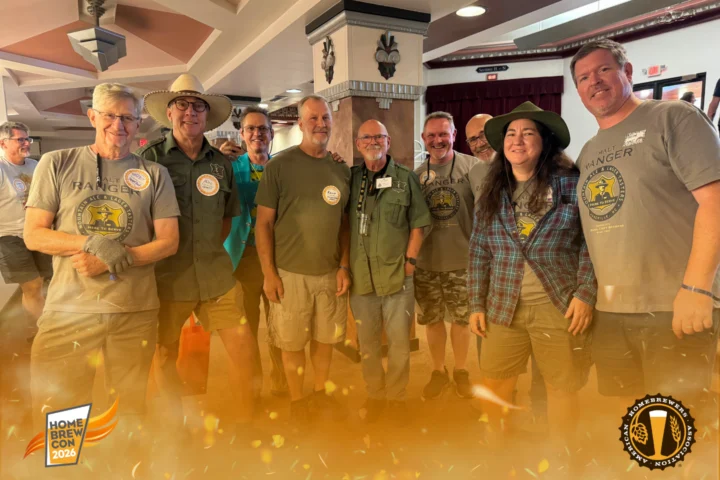

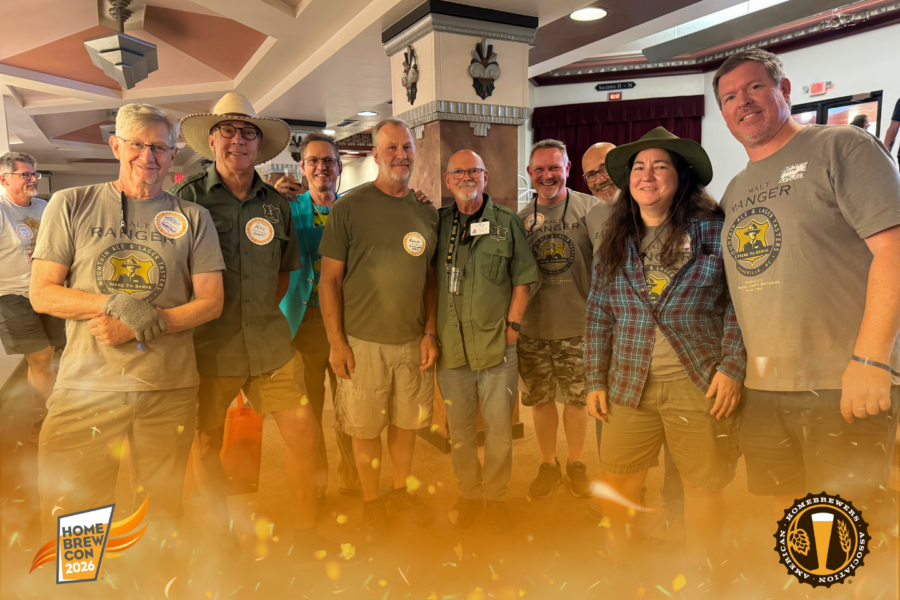
The American Homebrewers Association marked a major milestone on Saturday, June 20, 2026, bringing together more than 1,000 passionate brewing enthusiasts for the 46th annual Homebrew Con in Asheville, North Carolina. The event served as a dual celebration: a showcase of craft brewing camaraderie and a formal progress report on the organization’s inaugural year operating as a fully independent nonprofit entity.
With 1,141 attendees—including homebrewers, industry speakers, competition judges, stewards, and dedicated volunteers—the conference completely sold out before its final sessions concluded. This robust turnout served as a definitive rebuttal to lingering industry concerns regarding the health and longevity of the grassroots brewing hobby, signaling that community engagement remains exceptionally strong despite broader economic shifts in the commercial beverage sector.
A Pivotal Transition: The Road to Independence
The gathering in Asheville carried profound symbolic and operational weight for the American Homebrewers Association (AHA). Exactly one year prior, the organization embarked on a historic transition, establishing itself as an independent nonprofit complete with its own dedicated board of directors, autonomous financial management systems, specialized committees, and a newly minted strategic vision.
Historically, homebrewing organizations often operated under the umbrella of larger commercial brewing trade groups or publishing conglomerates. While this provided early stability, it occasionally limited organizational agility and left member interests secondary to commercial imperatives. The 2025 structural pivot was designed to reverse that dynamic, granting the AHA total sovereignty over its assets, policy advocacy, educational programming, and member services.
During the annual state-of-the-association address in Asheville, newly elected member leaders and board representatives outlined how the organization spent its first independent year auditing operations, stabilizing finances, and redefining its core mission. Leadership emphasized that the primary objective of the transitional year was not just administrative survival, but the establishment of a resilient foundation capable of supporting the hobby for decades to come. By refining internal processes and directly aligning programming with member feedback, the AHA has positioned itself to better serve a diversifying demographic of hobbyists.
Asheville as the Epicenter of Craft Culture
Selecting Asheville, North Carolina, as the host city for the 46th Homebrew Con was a deliberate nod to the region’s deep-rooted craft beverage heritage. Known nationally as "Beer City USA," Asheville boasts one of the highest concentrations of craft breweries per capita in the United States, alongside a vibrant and highly organized local homebrewing community.
Throughout the multi-day conference, participants engaged in a comprehensive slate of technical seminars, ingredient-focused workshops, and equipment demonstrations. Topics ranged from advanced water chemistry adjustments and historical beer style revivals to cutting-edge fermentation control and sustainable brewing practices. The conference also hosted the final rounds of the National Homebrew Competition, the world’s largest peer-reviewed amateur beer, mead, and cider competition, where thousands of entries were evaluated by certified judges.
The sold-out status of Homebrew Con 2026 offers critical context regarding the health of the broader fermentation hobby. Following the explosive growth of craft beer during the 2010s, both commercial and amateur brewing experienced a period of post-pandemic correction. Supply chain disruptions, rising costs of raw materials such as malted barley and hops, and shifting consumer preferences led some industry analysts to question whether homebrewing would experience a permanent decline. However, the enthusiastic participation in Asheville—featuring packed seminar halls and a high volume of active engagement—demonstrated that the core community of dedicated practitioners remains vibrant, resilient, and eager to innovate.
Leadership Vision and Strategic Priorities
At the core of the AHA’s inaugural year as an independent nonprofit has been the formulation of forward-looking strategic priorities. Leadership outlined three primary pillars guiding the organization’s current trajectory: education, advocacy, and community expansion.
On the educational front, the association has focused heavily on digitizing and validating its extensive archive of brewing literature, recipes, and instructional guides. Recognizing that modern hobbyists consume information through diverse digital channels, the AHA has prioritized the enhancement of its online member portal. This platform grants practitioners access to peer-reviewed technical data, troubleshooting resources, and formulation tools designed to elevate the quality of amateur production.
Advocacy remains another vital mandate. As regulatory landscapes regarding alcohol production, home-fermentation laws, and ingredient distribution evolve at the state and federal levels, the AHA acts as a legislative watchdog. Operating independently allows the organization to lobby more directly and transparently on behalf of homebrewers’ rights—ensuring that amateur winemaking and brewing remain legal, accessible, and unburdened by excessive municipal restrictions across all fifty states.
Furthermore, community expansion has taken center stage under the new governance model. Recognizing that the face of homebrewing is changing, the association has launched targeted initiatives to engage younger demographics, encourage inclusivity, and support local homebrew clubs. These grassroots organizations serve as the lifeblood of the national association, providing localized mentorship, group purchasing power, and social connection for isolated brewers.
Economic and Cultural Implications
The successful execution of the 46th Homebrew Con and the stabilization of the AHA carry broader implications for the wider American beverage ecosystem. Historically, the homebrewing community serves as an essential research-and-development incubator for the commercial craft beer industry. Countless professional craft brewers, founders, and head operations staff launched their careers with a plastic bucket, a turkey fryer, and an AHA membership in their garages.
By safeguarding the infrastructure of homebrewing, the independent AHA ensures a continuous pipeline of passionate, technically proficient talent entering the commercial sector. When homebrewers experiment with novel hop varieties, non-traditional adjuncts, spontaneous fermentation, or low-alcohol formulations, they often pioneer trends that commercial breweries eventually scale to market. Consequently, the revitalization and structural independence of the AHA reinforce the health of the entire multi-billion-dollar craft beverage economy.
Moreover, the financial self-sufficiency achieved by the association during its first year as a nonprofit mitigates the vulnerability of hobbyist advocacy. By severing reliance on corporate conglomerates or fluctuating commercial sponsorships, the AHA has insulated itself against external market shocks. Membership dues, direct donations, and event revenues now flow transparently back into member-centric programs, ensuring that the organization remains strictly accountable to the individuals who practice the craft.
Looking Ahead: The Next Era of Homebrewing
As Homebrew Con 2026 drew to a close, the prevailing sentiment among attendees and leadership alike was one of cautious optimism and renewed purpose. The challenges of transitioning an institutional legacy organization into a nimble, independent nonprofit are non-trivial, requiring meticulous financial planning, legal restructuring, and cultural alignment. Yet, the milestone reached in Asheville suggests that the heavy lifting of the transition phase has successfully yielded a stable platform.
The AHA board of directors emphasized that the work of building the future has only just begun. Future initiatives slated for the coming years include expanding digital educational modules, increasing grant funding for local club projects, and strengthening international partnerships with amateur brewing federations abroad.
For the more than 1,000 members who gathered in North Carolina—and the tens of thousands more supporting the association from afar—the message delivered in Asheville was clear: homebrewing is not merely surviving a changing economic landscape; it is actively adapting, modernizing, and preparing for its next golden era. Through institutional independence, community solidarity, and an unwavering commitment to the craft of fermentation, the American Homebrewers Association has anchored its place as an enduring pillar of American brewing culture.