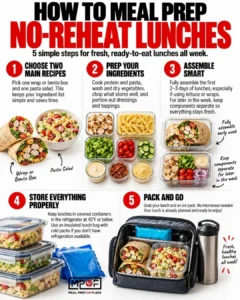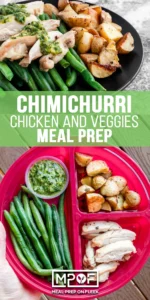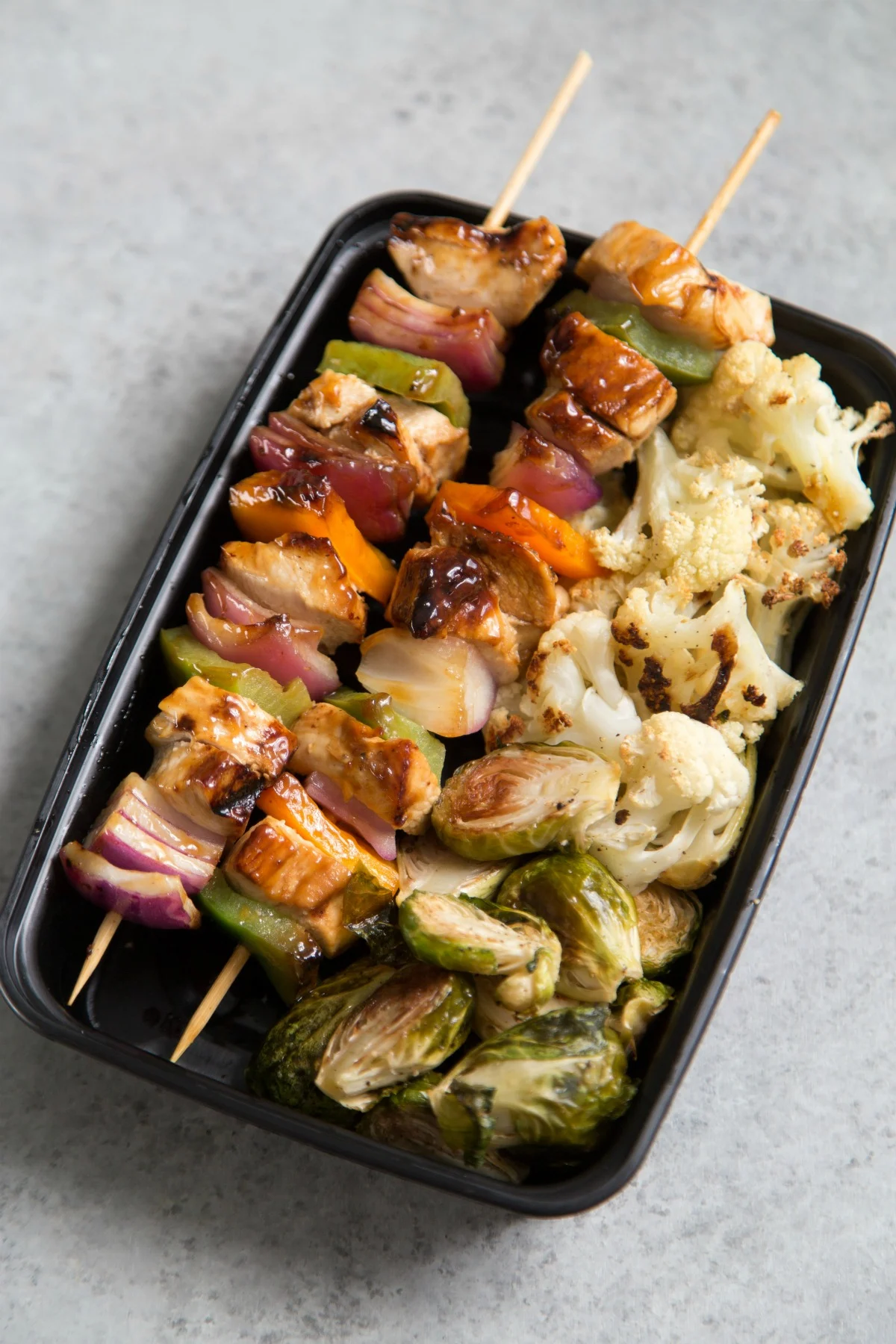

This Hawaiian Chicken Teriyaki Skewer Meal Prep offers a flavorful and convenient solution for busy individuals seeking nutritious, high-protein meals. The recipe combines tender chicken marinated in a sweet and savory teriyaki-style glaze with chunks of pineapple and vibrant vegetables, all threaded onto skewers for an engaging and easy-to-prepare dish. Designed for make-ahead convenience, these skewers are ideal for packed lunches that retain their appeal throughout the week, offering a welcome departure from more mundane meal prep options.
The Appeal of Convenient and Flavorful Meal Prep
In today’s fast-paced lifestyle, the demand for quick, healthy, and enjoyable meal solutions continues to grow. Meal prepping has emerged as a key strategy for individuals aiming to maintain a balanced diet without sacrificing significant time during the week. Recipes like the Hawaiian Chicken Teriyaki Skewers cater directly to this need, providing a high-protein option that is both satisfying and delicious. The visual appeal of skewers, coupled with the universally loved teriyaki flavor profile, makes this dish particularly attractive for those looking to inject a bit of fun into their weekly food preparation.
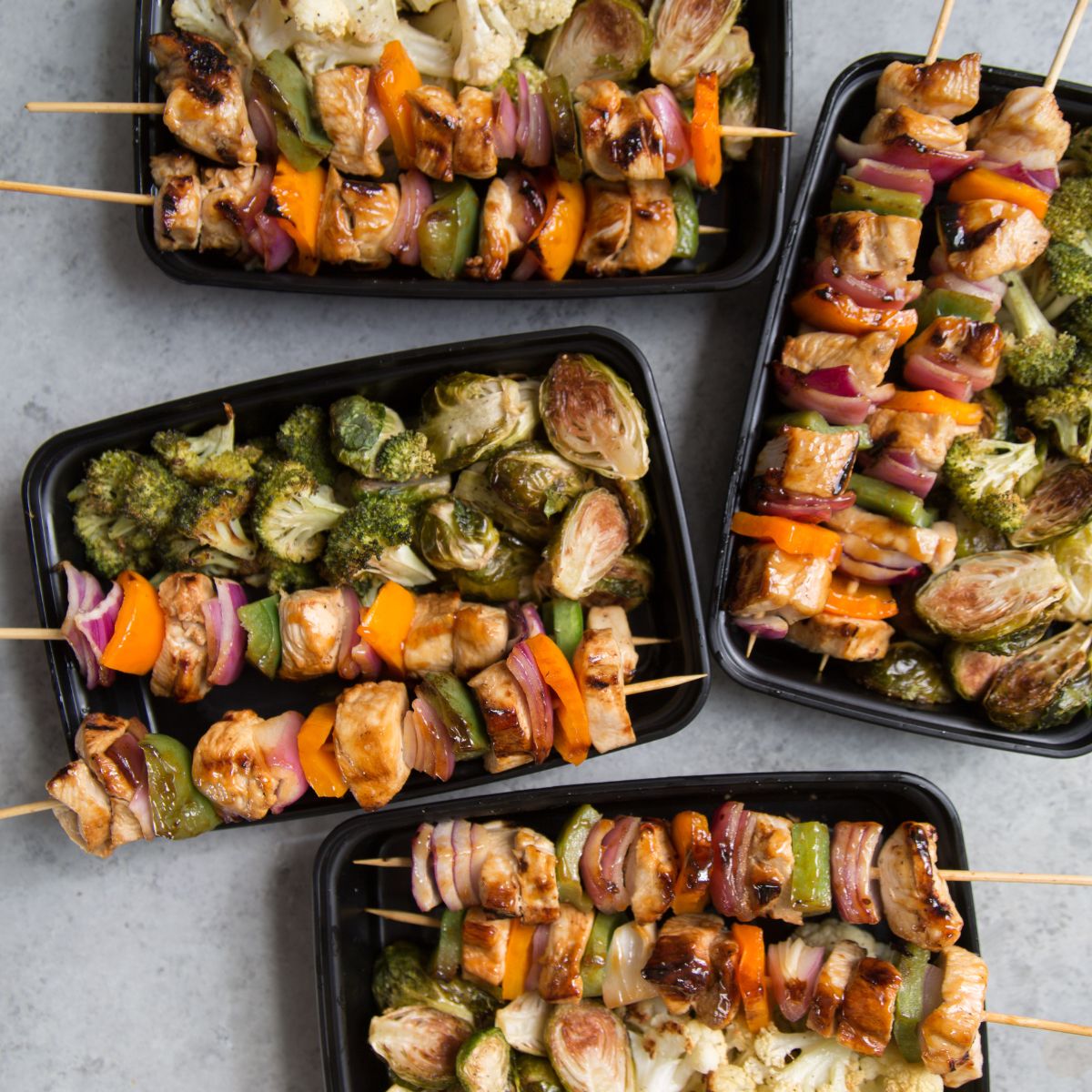
The recipe’s emphasis on balance is also a significant draw. By incorporating protein from the chicken, carbohydrates from rice (a common accompaniment), and essential vitamins and minerals from pineapple and vegetables, it forms a complete and nourishing meal. The fact that it reheats well is crucial for meal prep, ensuring that the taste and texture remain enjoyable even after several days in the refrigerator. This practicality makes it a valuable addition to any meal prep repertoire, especially for those focusing on high-protein meals or seeking lunch options that maintain their quality over time.
Culinary Innovation in Meal Preparation
The development of recipes like the Hawaiian Chicken Teriyaki Skewer Meal Prep reflects a broader trend in the culinary world towards making healthy eating more accessible and less of a chore. The use of skewers not only adds an element of novelty but also aids in even cooking and portion control. The teriyaki sauce, a staple in many Asian-inspired cuisines, is adapted here to create a sticky glaze that caramelizes beautifully during cooking, enhancing the overall flavor experience.
The inclusion of pineapple offers a natural sweetness and a touch of acidity that cuts through the richness of the teriyaki sauce, creating a harmonious flavor profile. Vegetables such as bell peppers and red onions not only add color and visual appeal but also contribute essential nutrients and a slight crunch, providing textural contrast to the tender chicken. This thoughtful combination of ingredients elevates the dish from a simple meal prep to a culinary experience.
Key Components of the Hawaiian Chicken Teriyaki Skewer Meal Prep
The success of this meal prep hinges on the quality of its ingredients and the simplicity of its preparation. The core elements include:
- Chicken: Boneless, skinless chicken breasts or thighs are typically used, cut into uniform pieces for consistent cooking. The choice of cut can influence the final texture, with thighs offering a bit more moisture and flavor.
- Teriyaki Sauce: A homemade teriyaki sauce typically comprises soy sauce (or tamari for a gluten-free option), pineapple juice, honey (or a paleo-friendly sweetener like maple syrup), rice vinegar, sesame oil, fresh garlic, and ginger. A cornstarch slurry is often used to thicken the sauce to a desirable glaze consistency.
- Pineapple: Fresh pineapple chunks provide natural sweetness and a tropical flair. Canned pineapple can be used, but fresh often offers a better texture and flavor.
- Vegetables: Bell peppers (various colors for visual appeal) and red onion are common choices, cut into pieces that complement the chicken and pineapple in size.
- Serving Base: Cooked rice (white, brown, or jasmine) is a traditional pairing, offering a neutral base to absorb the flavors. Other options include quinoa, cauliflower rice, or steamed vegetables.
Step-by-Step Preparation Guide
The preparation process for Hawaiian Chicken Teriyaki Skewers is designed for efficiency, making it suitable for a weekend meal prep session.
Step 1: Preparing the Skewers
For those using wooden skewers, an essential preparatory step is soaking them in water for at least 20 to 30 minutes. This prevents the wood from burning during the cooking process, especially if grilling is involved. Metal skewers are an alternative, offering greater durability and ease of use for frequent meal preppers.
Step 2: Crafting the Teriyaki Sauce
The teriyaki sauce is typically made first to allow it to cool slightly before application. A small saucepan is used to combine the liquid ingredients: soy sauce, pineapple juice, honey (or alternative sweetener), rice vinegar, and sesame oil. Minced garlic and grated ginger are added for aromatic depth. The mixture is brought to a gentle simmer over medium heat. In a separate small bowl, cornstarch is whisked with water to create a slurry, which is then stirred into the simmering sauce. The sauce is cooked for an additional 2 to 3 minutes until it thickens, after which it is removed from the heat and set aside.
Step 3: Prepping the Chicken and Vegetables
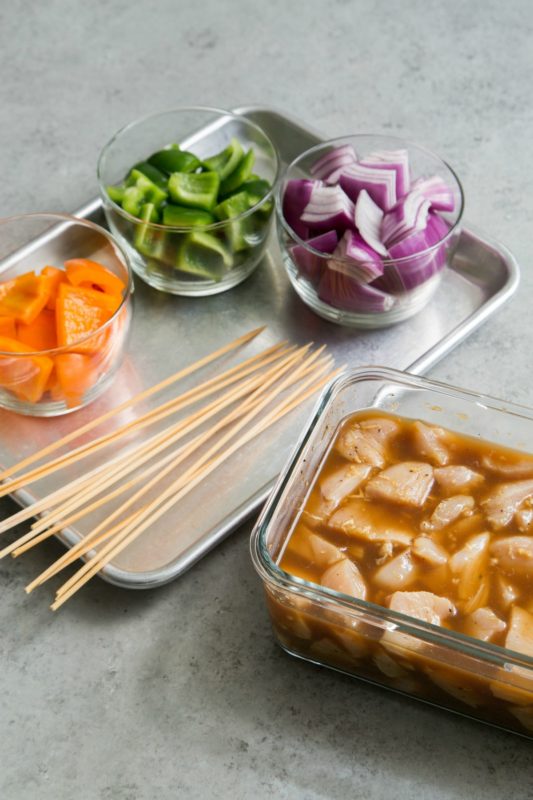
Evenly sized pieces of chicken are crucial for ensuring that all components cook at the same rate. The chicken is placed in a bowl and tossed with olive oil, salt, pepper, and a few spoonfuls of the prepared teriyaki sauce to begin the marination process. Concurrently, the pineapple, bell peppers, and red onion are cut into bite-sized pieces, suitable for threading onto skewers.
Step 4: Assembling the Skewers
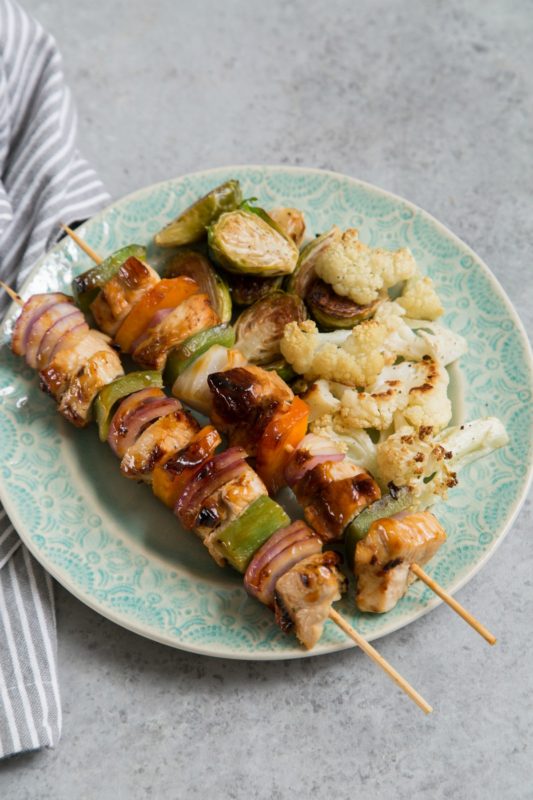
The assembly stage involves threading the marinated chicken, pineapple chunks, bell pepper pieces, and red onion onto the skewers. An alternating pattern of ingredients is recommended to create a visually appealing and balanced skewer. It is important to avoid packing the ingredients too tightly, as this allows for better heat circulation during cooking, leading to more evenly cooked and better-textured results.
Step 5: Cooking the Skewers
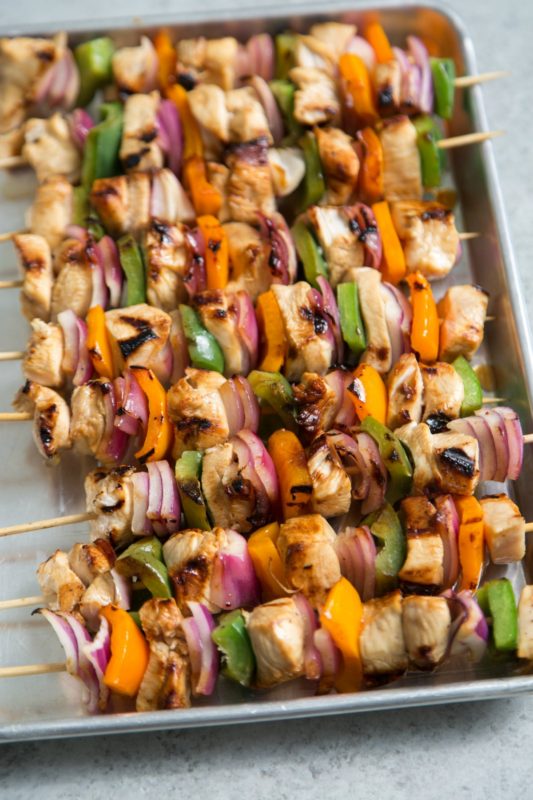
Several cooking methods can be employed, offering flexibility based on available equipment and preference:
- Grill Method: Preheat a grill to medium-high heat. Cook the skewers for approximately 10 to 12 minutes, turning them every few minutes, until the chicken reaches an internal temperature of 165°F (74°C), ensuring it is fully cooked.
- Oven Method: Preheat the oven to 425°F (220°C). Arrange the skewers on a baking sheet lined with parchment paper. Bake for 18 to 22 minutes, flipping the skewers halfway through the cooking time. This method is particularly convenient for preparing multiple skewers simultaneously.
- Grill Pan Method: Heat a grill pan over medium-high heat. Cook the skewers for 10 to 12 minutes, turning frequently, until the chicken is cooked through.
During the final few minutes of cooking, brushing the skewers with additional teriyaki sauce can enhance their flavor and create a more caramelized glaze.
Step 6: Portioning Meal Prep Containers
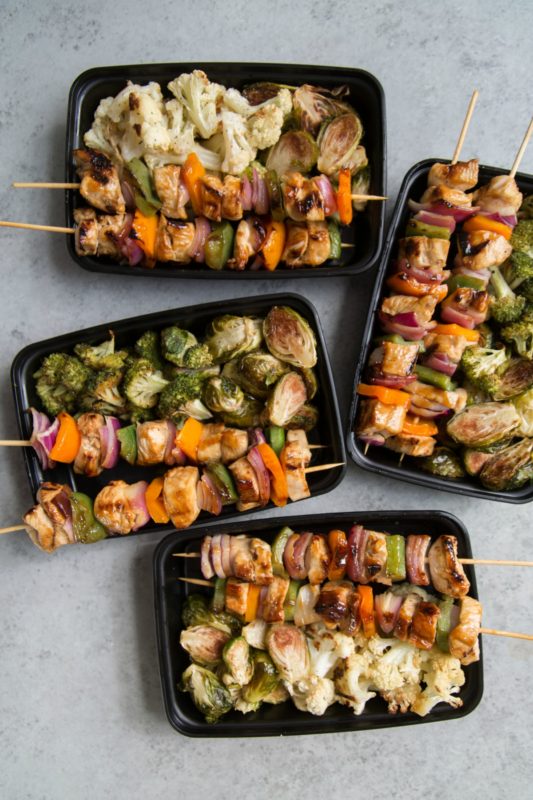
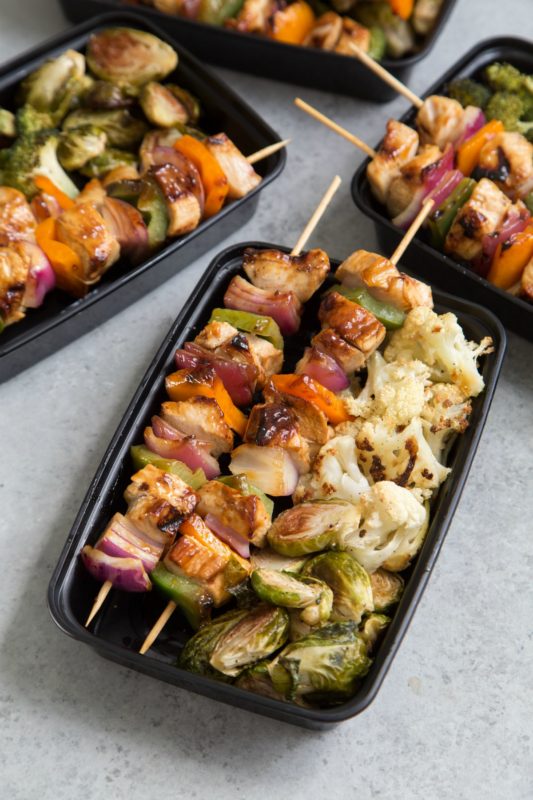
Once cooked, the Hawaiian Chicken Teriyaki Skewers are ready to be portioned. A common practice is to divide cooked rice among four meal prep containers. Steamed broccoli or snap peas are often added as a healthy vegetable component. The chicken teriyaki skewers are then placed either on top of or alongside the rice and vegetables. For an extra touch of flavor and visual appeal, garnishes such as sesame seeds and sliced green onions can be added.
Storage and Reheating Recommendations
Proper storage and reheating are vital to maintaining the quality of meal prepped food.
Storing the Meal Prep
After cooking, it is important to allow the chicken skewers to cool completely before sealing them in airtight meal prep containers. The assembled meals, including the chicken, rice, and vegetables, can be stored in the refrigerator for up to 4 days. To preserve the best texture, it is often recommended to store any extra teriyaki sauce in a separate small container. This allows the user to add the sauce after reheating, preventing the chicken from becoming too moist and the rice from becoming overly soft during the reheating process.
Freezing Options
This meal prep can also be frozen, though some adjustments may enhance the final result. It is advisable to freeze the cooked chicken separately from fresh pineapple, as the texture of the pineapple can change significantly after thawing. Cooked teriyaki chicken can be frozen for up to 2 months in airtight, freezer-safe containers. Rice also freezes well, making it possible to portion chicken and rice together for freezer-ready meals. However, the texture of bell peppers and pineapple may soften upon thawing, which is an important consideration for those prioritizing crispness.
Optimal Reheating Methods
The best method for reheating depends on the available facilities:
- Microwave Method: For convenience, place the chicken, rice, and vegetables on a microwave-safe plate or bowl. Microwave for 1.5 to 2 minutes, stirring or flipping halfway through. Adding extra teriyaki sauce after reheating can revitalize the flavor.
- Oven Method: For a better texture, especially to avoid the steaming effect of a microwave, place the skewers on a baking sheet and warm at 350°F (175°C) for 8 to 10 minutes, or until heated through.
- Skillet Method: This method is favored by some for its ability to revive the sauce. Remove the chicken from the skewers and warm it in a skillet over medium heat with a splash of water or additional teriyaki sauce. This approach allows for greater control over the sauce’s consistency and flavor.
Nutritional Considerations and Customizations
The Hawaiian Chicken Teriyaki Skewer Meal Prep is designed to be a balanced meal. While approximate nutritional information is available, it is important to note that variations in ingredients and portion sizes can affect the final count. A typical serving, based on four servings with jasmine rice, might include around 27g of protein, 19g of carbohydrates, 1.5g of fat, and 1g of fiber, with approximately 202 calories.
Helpful Tips and Ingredient Swaps
- Paleo and Gluten-Free Adaptations: For a paleo-friendly version, honey or maple syrup can be used instead of brown sugar, and tamari can replace soy sauce for gluten-free needs.
- Vegetable Variety: The recipe is highly adaptable. Other vegetables such as zucchini, cherry tomatoes, or snap peas can be incorporated.
- Sauce Adjustments: The sweetness and saltiness of the teriyaki sauce can be adjusted to personal preference. Low-sodium soy sauce is a good option for those monitoring sodium intake.
- Marination Time: For deeper flavor, the chicken can be marinated for a longer period, up to a few hours in the refrigerator.
- Pre-Assembling Skewers: Skewers can be assembled up to 24 hours in advance and stored covered in the refrigerator. However, it is often recommended to apply most of the teriyaki sauce during the cooking process to prevent burning.
Frequently Asked Questions
- Can I make Hawaiian Chicken Teriyaki Skewers without a grill? Absolutely. The oven or a grill pan are excellent alternatives, with the oven method being particularly convenient for batch preparation.
- Can I use store-bought teriyaki sauce? Yes, store-bought teriyaki sauce is a time-saving option. Opting for a lower-sodium variety is advisable for meal prepping, as flavors can concentrate upon reheating.
- How long do chicken teriyaki skewers last in the fridge? They typically last for up to 4 days when stored in airtight containers.
- What should I serve with Hawaiian Chicken Teriyaki Skewers? Beyond rice and broccoli, complementary sides include quinoa, cauliflower rice, cabbage slaw, roasted vegetables, or edamame. The aim is to maintain a balanced and easily reheatable meal.
Conclusion: The Enduring Appeal of Smart Meal Prep
The Hawaiian Chicken Teriyaki Skewer Meal Prep stands as a prime example of how thoughtful recipe design can simplify healthy eating. By successfully integrating protein, carbohydrates, and vegetables with robust flavor and straightforward preparation and storage, it addresses the core needs of busy individuals. Such recipes contribute to reducing the mental load associated with daily meal decisions, offering a convenient and satisfying solution that makes healthy eating an achievable goal throughout the week. The ability to open the refrigerator, grab a pre-portioned meal, reheat, and enjoy a flavorful dish is the ultimate reward of effective meal preparation.