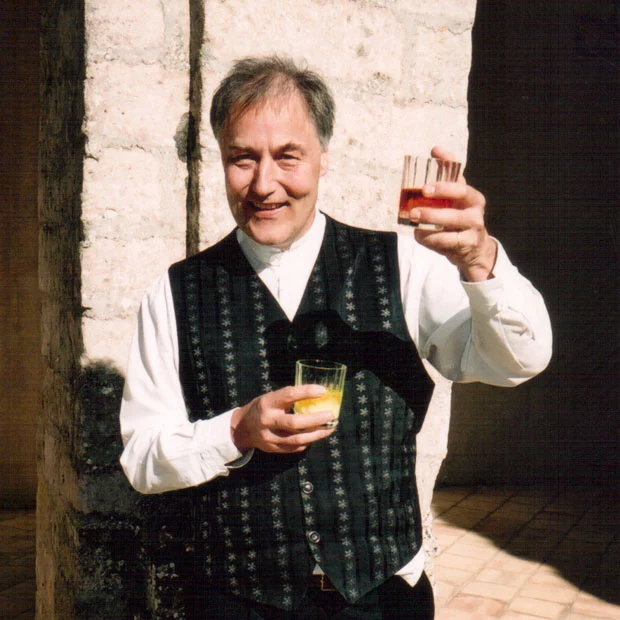

Paris, France – Dr. Hervé This, the pioneering physical chemist who co-founded the field of molecular gastronomy, has publicly released a comprehensive summary documenting two decades of groundbreaking research and experimentation conducted through his renowned monthly molecular gastronomy seminars in Paris. This eagerly anticipated release, made available in both French and English, is being hailed by culinary and scientific communities alike as an invaluable resource, described by enthusiasts as a "treasure trove for chefs and chemists." The documents offer a concise overview of the myriad findings accumulated from over 240 monthly sessions, providing a unique insight into the scientific underpinnings of cooking and culinary practices that have long been governed by tradition and anecdote.
The release of these summary documents underscores the enduring legacy and ongoing relevance of Dr. This’s work, which has consistently sought to demystify kitchen processes through rigorous scientific inquiry. While the English version provides brief encapsulations of the findings, Dr. This has emphasized that extensive, detailed documentation, including complete experimental conditions and results, is fully available in French, offering an unparalleled depth of knowledge for those fluent in the language. This monumental compilation is expected to inspire a new wave of culinary innovation, inform scientific research, and catalyze a deeper understanding of food preparation, from professional kitchens to home cooking environments.
The Genesis of Molecular Gastronomy: A Revolution in the Kitchen
The field of molecular gastronomy, a term coined by Hervé This and Hungarian physicist Nicholas Kurti in 1988, emerged from a shared curiosity about the scientific principles at play in cooking. Before This and Kurti, the culinary world largely operated on inherited wisdom, intuition, and anecdotal evidence. Recipes were passed down through generations, often without a deep understanding of why certain techniques yielded specific results. Molecular gastronomy sought to change this, proposing a scientific discipline dedicated to studying the physical and chemical processes that occur during cooking. It aimed to transform cooking from an art based on tradition into a science grounded in observable, repeatable phenomena.
Nicholas Kurti, a professor of physics at Oxford University, was famously quoted lamenting that "we know what goes on in the interior of the sun, but we don’t know what goes on inside our soufflé." This sentiment perfectly encapsulated the intellectual vacuum that molecular gastronomy aimed to fill. Hervé This, then a physical chemist at the Institut National de la Recherche Agronomique (INRA) in France, took up this challenge with vigor. His early work involved systematically questioning common culinary myths and practices, using the scientific method to confirm or debunk long-held beliefs. His book, "Kitchen Mysteries: Explaining the Science of Cooking," published in Germany over two decades ago, vividly demonstrated this approach, dissecting recipes and processes to reveal the underlying chemical and physical transformations. This seminal work served as a powerful catalyst for many, including the anonymous sender of the original email, igniting a desire to explore the chemistry of the kitchen.
A Chronology of Culinary Science: Two Decades of Seminars
The molecular gastronomy seminars in Paris, initiated by Hervé This, have served as the intellectual crucible for much of this pioneering research. Established over 20 years ago, these monthly gatherings brought together a diverse group of chefs, scientists, students, and food enthusiasts united by a common goal: to systematically investigate culinary phenomena. Each seminar focused on a specific kitchen process, ingredient, or culinary myth, meticulously designing experiments to test hypotheses and gather data.
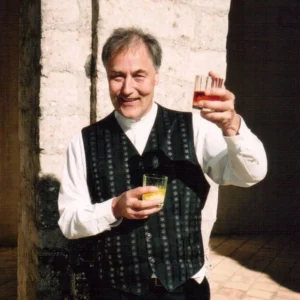
The methodology employed in these seminars was rigorously scientific. Participants would identify a common culinary claim – for instance, whether searing meat "seals in the juices" or if adding salt to water makes it boil faster – and then devise controlled experiments to test its validity. This involved careful observation, measurement, and documentation of variables such as temperature, time, ingredient ratios, and resulting sensory properties. The image accompanying the initial announcement, showing Hervé This with eggs immersed in colored solutions at the 2004 International Workshop on Molecular Gastronomy in Erice, Italy, perfectly encapsulates this spirit of empirical inquiry. The Erice workshops, co-founded by This, were instrumental in establishing molecular gastronomy as a legitimate field, bringing together leading figures from science and gastronomy to share insights and foster collaboration. These workshops, held periodically, complemented the ongoing monthly seminars in Paris, providing a broader platform for discussion and dissemination of research.
Over two decades, from the late 1990s to 2020, these seminars amassed a vast body of knowledge. Each monthly session contributed to a growing compendium of documented results, moving the culinary world incrementally closer to a truly scientific understanding of food. The process was iterative and cumulative, with each finding building upon previous discoveries, refining techniques, and inspiring new avenues of inquiry. This long-term, sustained effort stands as a testament to the dedication of Dr. This and his collaborators, transforming speculative kitchen lore into verifiable scientific fact.
Illustrative Findings: Unpacking the Science of Cooking
While the full list of findings is extensive and detailed in the complete French documentation, the brief English summaries provide tantalizing glimpses into the type of revelations unearthed by the seminars. These findings, often challenging conventional wisdom, highlight the profound impact of molecular gastronomy on understanding food preparation. Here are a few examples of the kinds of insights derived from such rigorous experimentation, reflecting the spirit of the released summaries:
- The Myth of Searing Meat: One common belief is that searing meat at high temperatures "seals in the juices." Molecular gastronomy seminars have demonstrated through controlled experiments that searing primarily contributes to flavor development via the Maillard reaction (browning) and texture, but it does not prevent moisture loss. In fact, aggressive searing can sometimes lead to greater moisture loss if internal temperatures rise too quickly without sufficient resting time. Understanding this allows chefs to prioritize searing for flavor and crust development, while managing internal temperature and resting to ensure juiciness, rather than relying on a false premise.
- Egg Coagulation and Texture: The seminars delved deeply into the behavior of eggs, a staple in countless dishes. Experiments explored how subtle changes in temperature, pH, and added ingredients (like salt or acid) affect protein denaturation and coagulation, leading to vastly different textures in custards, omelets, and sauces. For instance, understanding the precise temperature at which egg proteins begin to set and then fully coagulate allows for greater control over the consistency of dishes like crème brûlée or perfectly poached eggs, moving away from subjective "feel" to objective measurement.
- Vegetable Color and Texture Retention: The vibrant colors and crisp textures of vegetables are often lost during cooking. Research from the seminars explored the impact of cooking methods, water hardness, and pH levels on chlorophyll degradation and pectin breakdown. Findings showed that blanching vegetables in salted, slightly alkaline water for short periods can help preserve their green color and maintain a desirable crisp-tender texture, by stabilizing chlorophyll and minimizing pectin degradation. This knowledge allows for more visually appealing and texturally satisfying vegetable preparations.
- Emulsification Stability: Sauces like mayonnaise or hollandaise are complex emulsions, notoriously prone to breaking. The seminars investigated the science behind emulsion stability, examining the role of emulsifiers (like egg yolks), the size and distribution of fat droplets, and the impact of temperature and shear forces during mixing. Understanding these principles allows for the development of more stable emulsions, providing consistent results and reducing waste in professional kitchens.
- The Role of Salt in Boiling Water: Another persistent kitchen myth suggests that adding salt to water significantly raises its boiling point, thereby speeding up cooking. While salt does technically raise the boiling point, the amount typically used in cooking (e.g., for pasta) has a negligible effect – often less than a degree Celsius. The primary benefit of salting pasta water is flavor enhancement, not a reduction in cooking time. This finding helps home cooks and professionals focus on effective flavor seasoning rather than relying on an inconsequential scientific principle.
Taken individually, some of these findings might appear incremental or even trivial to the uninitiated. However, their cumulative effect is profound. They collectively demonstrate the power of the scientific method to dissect, understand, and ultimately improve culinary practices. By questioning every assumption and rigorously testing every claim, Hervé This and his collaborators have provided a foundational framework for a truly informed approach to cooking. The meticulous documentation of experimental conditions and results ensures that these findings are not just anecdotal observations but verifiable scientific data, ready for application and further exploration.
Broader Impact and Implications: Reshaping the Culinary Landscape
The release of these two-decade summaries has far-reaching implications across multiple sectors, from professional gastronomy to scientific research and everyday cooking.
For Professional Chefs and Culinary Arts: The seminars’ findings empower chefs to move beyond rote memorization of recipes to a deeper understanding of why certain techniques work. This knowledge fosters greater creativity, allowing chefs to intentionally manipulate ingredients and processes to achieve desired textures, flavors, and aromas. It provides the tools for precision cooking, ensuring consistency in high-volume settings and enabling the development of innovative dishes that push culinary boundaries. Chefs can now troubleshoot problems more effectively, predict outcomes, and adapt recipes based on a scientific understanding rather than trial and error. This shift elevates the culinary profession, integrating scientific literacy with artistic flair.
For Scientists and Food Technologists: The kitchen, under the lens of molecular gastronomy, transforms into a dynamic, accessible laboratory. The seminar results provide a wealth of data and inspiration for further scientific inquiry in fields such as food chemistry, material science, and sensory analysis. Researchers can build upon these foundational experiments, exploring more complex interactions between ingredients, developing new food processing techniques, and understanding the biochemical pathways that contribute to flavor perception. For food technologists, these insights are invaluable for product development, optimization of manufacturing processes, and ensuring food quality and safety.
For Culinary Education and Training: The integration of molecular gastronomy principles into culinary school curricula is a natural evolution. These summaries offer a structured, evidence-based approach to teaching cooking, moving beyond mere demonstration to a comprehensive explanation of underlying mechanisms. This can foster a new generation of "scientist-chefs" who are not only skilled practitioners but also critical thinkers capable of innovation and problem-solving. It equips students with a transferable skillset, enabling them to adapt to new ingredients and technologies throughout their careers.
For Home Cooks and Food Enthusiasts: While often perceived as an esoteric discipline, molecular gastronomy ultimately democratizes culinary knowledge. By demystifying kitchen processes, it empowers home cooks to experiment with greater confidence, understand their ingredients better, and achieve more consistent results. The questioning of culinary myths encourages a more inquisitive approach to food preparation, making cooking a more engaging and intellectually stimulating activity. Simple explanations of complex phenomena can transform mundane tasks into opportunities for learning and discovery.
Influence on Food Trends and Innovation: Molecular gastronomy has already profoundly influenced global food trends, particularly in fine dining. Techniques like spherification, gelification, and foam creation, which leverage scientific principles, have become staples in avant-garde restaurants. The seminars’ findings provide the theoretical and practical groundwork for continued innovation, inspiring new textures, flavor combinations, and presentation styles. This constant questioning and experimentation drive the evolution of cuisine, keeping it dynamic and exciting.
Official Reactions and Future Outlook
Hervé This’s explicit invitation to recipients to "not hesitate with distributing the results" underscores his commitment to open science and widespread dissemination of knowledge. This proactive approach ensures that the insights gleaned from two decades of dedicated research are not confined to academic circles but are accessible to anyone with an interest in food and science. The enthusiastic reception from the original article’s author, describing the compilation as "a treasure trove" that "motivates experimentation," reflects the anticipated positive impact across the community.
The release also serves as a powerful call to action. Dr. This and his seminar participants have done an exceptional job of documenting their findings, but the world of culinary science is vast and ever-evolving. The concluding query, "Are you aware of culinary claims or kitchen myths that should be checked? I’d love to hear more in the comments below!", is an open invitation for continued collective inquiry. It encapsulates the very spirit of molecular gastronomy: a relentless pursuit of understanding, a willingness to challenge assumptions, and a commitment to shared knowledge. As these invaluable documents become more widely distributed and studied, they are poised to further solidify molecular gastronomy’s role as a vital bridge between the scientific laboratory and the everyday kitchen, continuing to inspire innovation and deepen our appreciation for the complex art and science of food.