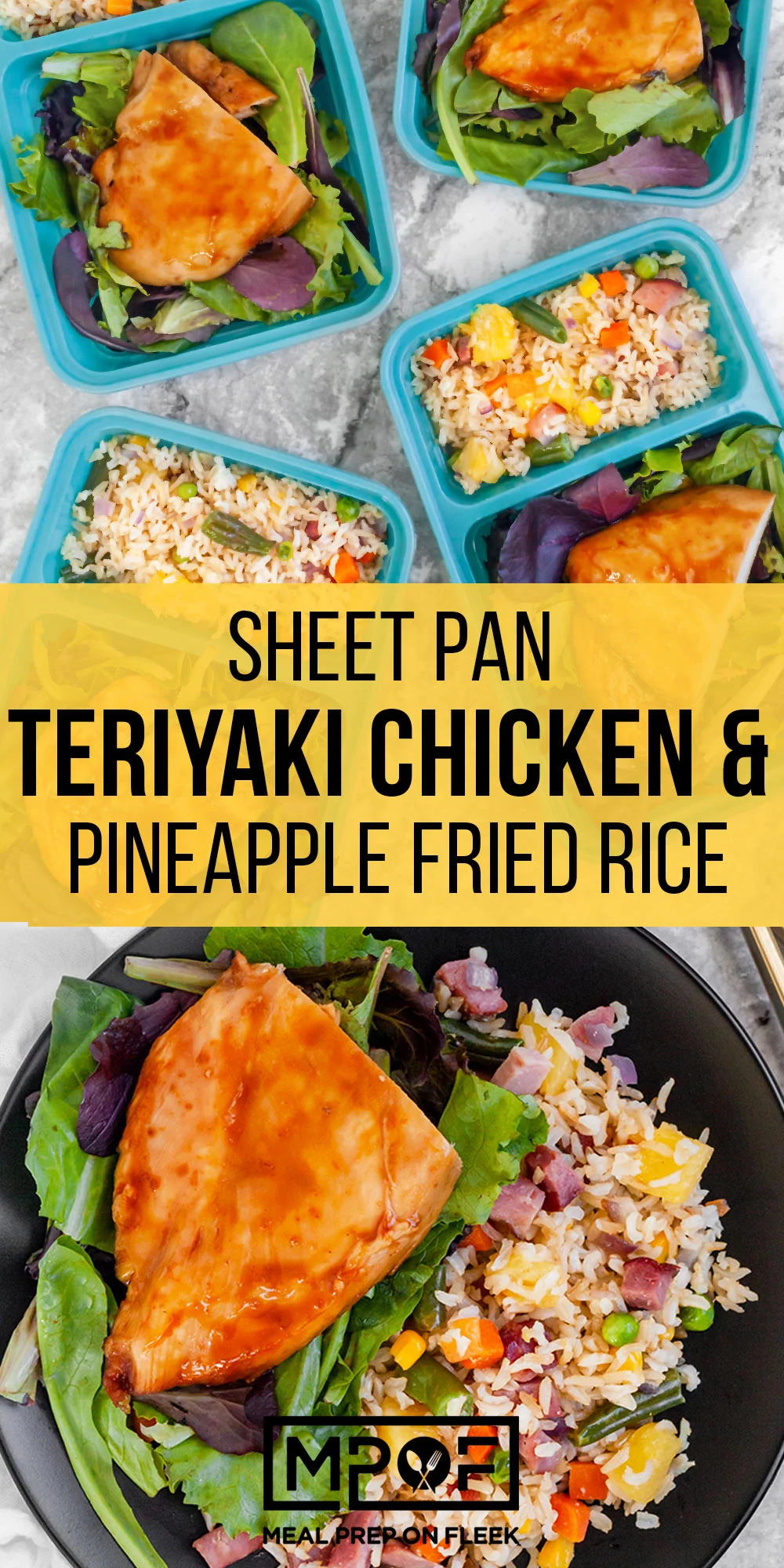

The culinary landscape of meal preparation is constantly evolving, with individuals seeking efficient, nutritious, and flavorful options to navigate demanding schedules. In this pursuit, the "Sheet Pan Teriyaki Chicken and Pineapple Fried Rice" emerges as a standout recipe, promising a balanced meal that minimizes both preparation time and cleanup. This innovative dish, designed to yield four servings in under an hour, capitalizes on the convenience of sheet pan cooking, consolidating the preparation of protein and a vibrant fried rice into a single culinary endeavor.
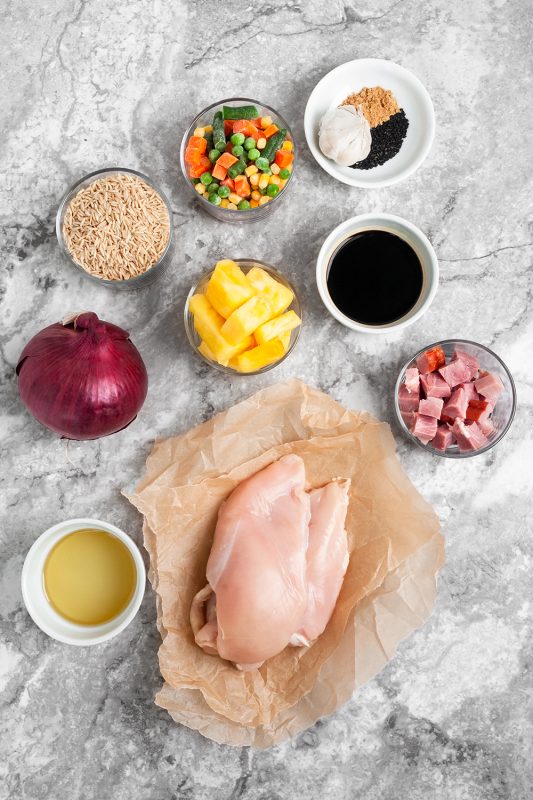
The core appeal of this recipe lies in its ability to deliver a takeout-inspired experience within the confines of a home kitchen, all while adhering to practical meal prep strategies. It artfully combines tender teriyaki-marinated chicken with a flavorful pineapple fried rice, studded with a medley of vegetables, savory ham, aromatic ginger and garlic, and the subtle richness of sesame oil. This holistic approach to meal creation addresses the common challenge of juggling multiple pots and pans, a significant deterrent for many aspiring home cooks aiming for efficiency during busy weeks.
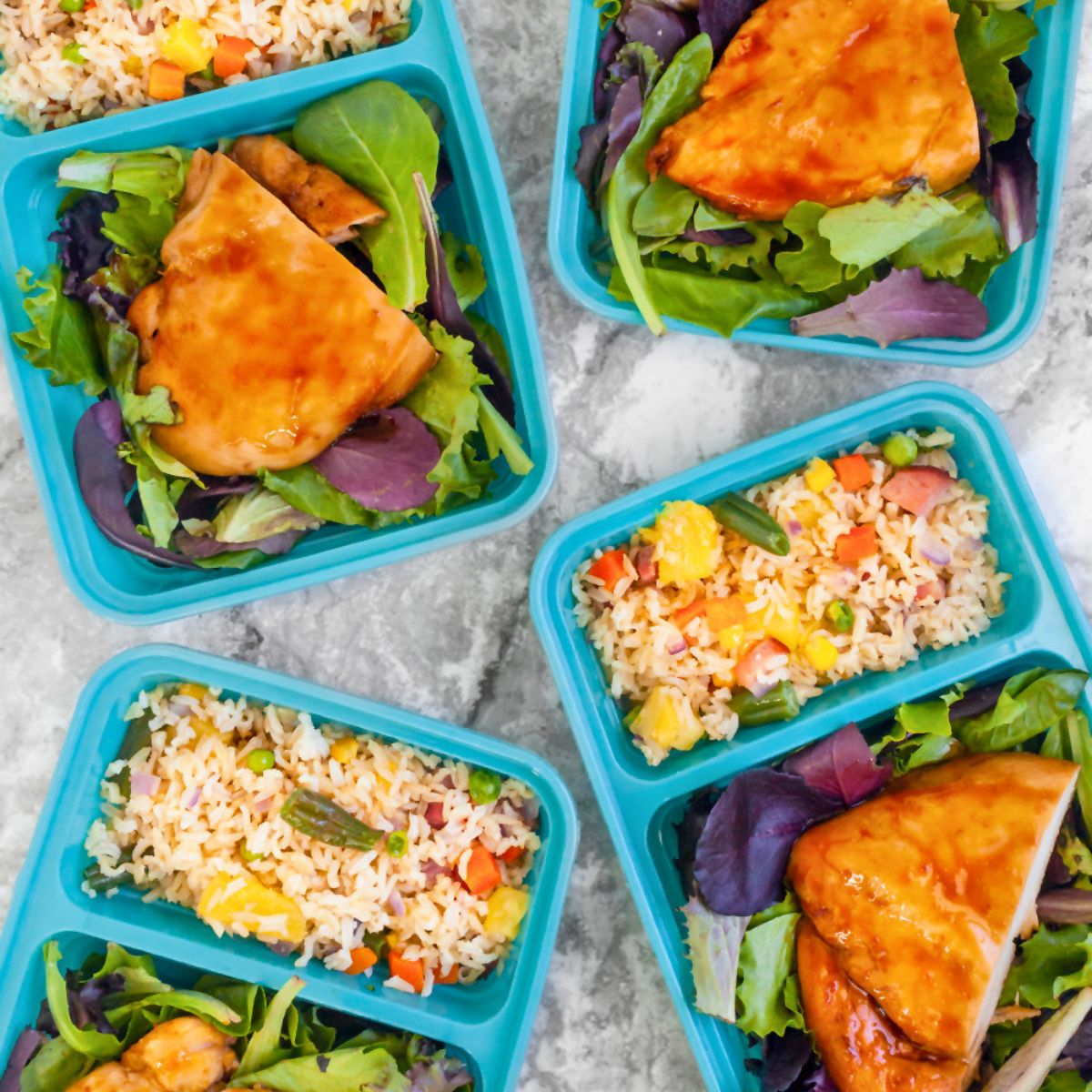
This recipe’s integration into a broader meal prep framework is also noteworthy. It complements other time-saving approaches, such as dedicated sheet pan meals and general lunch preparation recipes, offering a cohesive strategy for week-long nutritional planning. The underlying principle is to reduce decision fatigue and streamline the cooking process, thereby making healthy eating more accessible and sustainable.
The Genesis of Sheet Pan Convenience
The concept of sheet pan dinners has gained considerable traction in recent years, driven by a growing demand for simplified cooking methods. This trend reflects a societal shift towards valuing convenience without compromising on taste or nutritional value. The "Sheet Pan Teriyaki Chicken and Pineapple Fried Rice" exemplifies this evolution by transforming a potentially multi-step process into a single-oven operation.
Historically, recipes requiring the simultaneous preparation of protein and a complex side dish like fried rice often necessitated a series of distinct cooking stages. This typically involved separate stovetop cooking for the protein, followed by the preparation of the rice and vegetables, often leading to a cascade of dirty dishes. The advent of sheet pan cooking offers a transformative solution, allowing for roasting and caramelization on a single surface, thereby enhancing flavor profiles and minimizing the post-meal chore.
A Symphony of Flavors and Textures
The recipe’s success hinges on the harmonious interplay of its key components. The teriyaki chicken, marinated in a sweet and savory sauce, achieves a delightful tenderness and a hint of caramelization under the heat of the oven. This is complemented by the pineapple fried rice, a vibrant dish that incorporates the sweetness of pineapple, the umami of ham, the earthy notes of ginger and garlic, and the subtle nuttiness of sesame oil. The inclusion of frozen vegetables adds a welcome burst of color and essential nutrients, while day-old cooked rice is specifically recommended for its drier texture, which holds up better during the oven-baking process, preventing sogginess and promoting a more desirable fried rice consistency.
The Art of One-Pan Cooking: A Step-by-Step Breakdown
The execution of this recipe is designed for maximum efficiency. The process begins with preheating the oven to a robust 400°F (200°C). This elevated temperature is crucial for ensuring even cooking of the chicken and developing a pleasing texture on the edges of the fried rice.
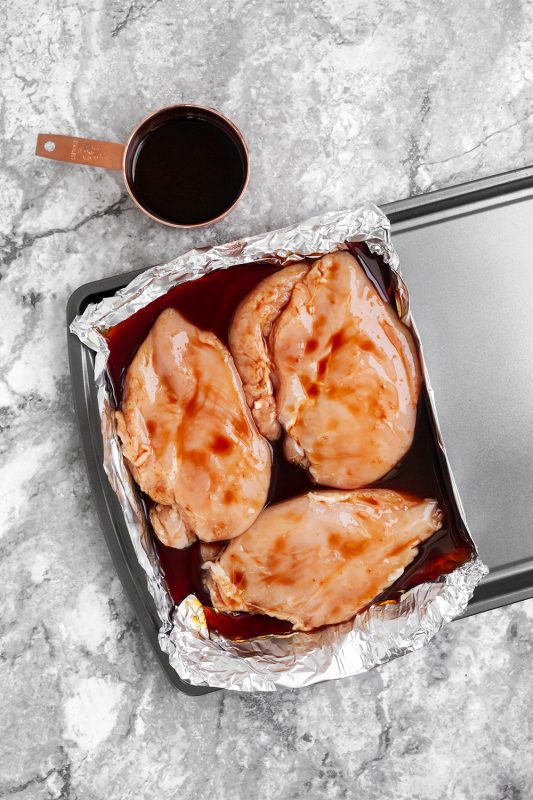
A key innovation in the preparation involves the creation of a foil "baking dish." This makeshift vessel, formed by folding foil edges to create sturdy walls, is placed on one half of a baking sheet. This compartmentalization is essential for the two-stage cooking process. Alternatively, lining the entire baking sheet with foil beforehand offers an even simpler cleanup solution.
The chicken breasts, pounded to an even thickness, are placed within the foil dish and coated with half a cup of teriyaki sauce. They are then subjected to an initial 15-minute bake. During this time, the components of the pineapple fried rice are brought together in a separate bowl: cooked brown rice, sesame oil, frozen vegetables, red onion, pineapple chunks, diced ham, grated ginger, and minced garlic. The ingredients are thoroughly mixed, ensuring an even distribution of flavors.
Upon the completion of the initial chicken bake, the baking sheet is carefully removed from the oven. The prepared fried rice mixture is then spread onto the unoccupied half of the baking sheet. The pan is returned to the oven for an additional 10 to 15 minutes, or until the chicken reaches a safe internal temperature of 165°F (74°C).
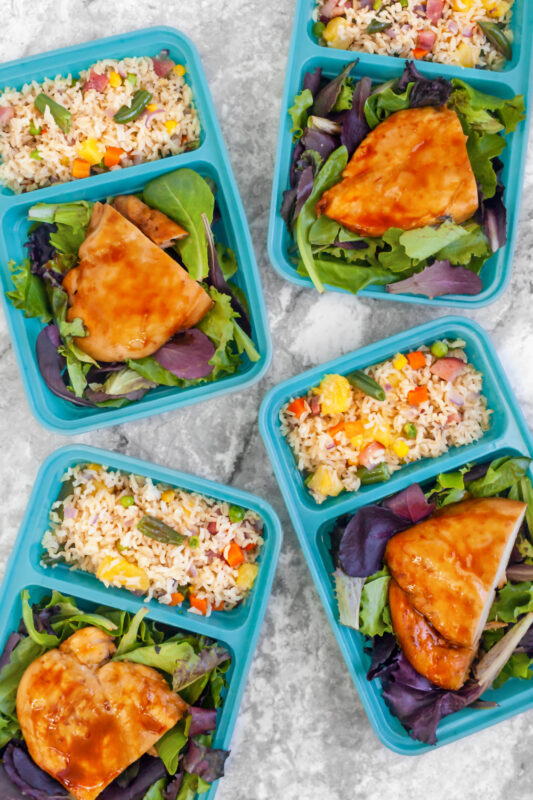
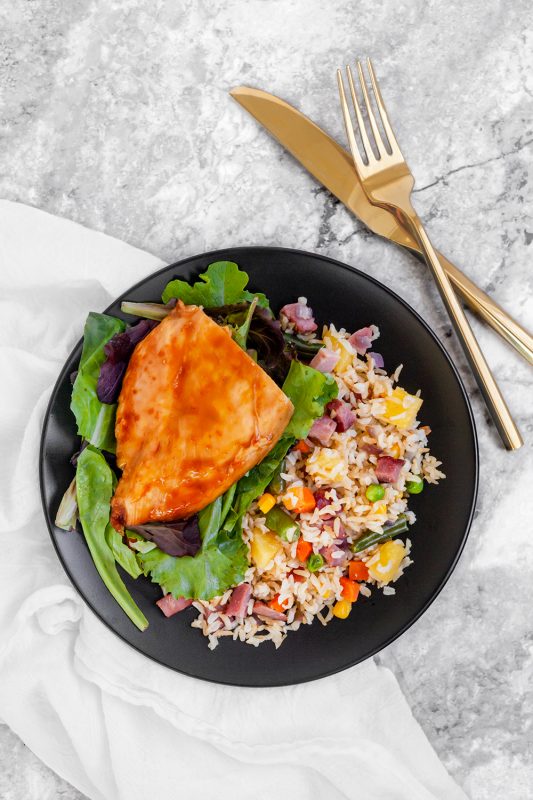
The final step involves removing the sheet pan from the oven and generously drizzling the remaining half cup of teriyaki sauce over the cooked chicken. The chicken is then sliced or portioned and combined with the pineapple fried rice in meal prep containers. For an added touch of freshness and crunch, the author suggests serving the dish over mixed greens and finishing with sesame seeds.
Storage and Longevity: Maximizing Meal Prep Potential
Effective storage is paramount for preserving the quality and taste of meal-prepped dishes. For this Sheet Pan Teriyaki Chicken and Pineapple Fried Rice, the recommendation is to utilize airtight containers. Separating the chicken and rice when possible is advised, with two-compartment containers being particularly effective in preventing the teriyaki sauce from making the rice overly soft. Stored correctly, this meal prep is designed to remain fresh and delicious in the refrigerator for up to four days.
The author also provides further guidance for optimal reheating: allowing the meal to cool completely before sealing and refrigerating, and for the best results, reheating in a microwave or oven until thoroughly heated through. This attention to detail ensures that the convenience of meal prep translates into consistently enjoyable meals throughout the week.
Nutritional Considerations and Adaptability
The recipe yields approximately 520 calories per serving, with a robust nutritional profile featuring around 64.1g of protein, 44.1g of carbohydrates, 7.3g of fat, and 4g of fiber. These figures are estimates and can vary based on the specific ingredients used, such as the brand of teriyaki sauce, the type of rice, and portion sizes. For personalized tracking, the author directs readers to a macro calculator, underscoring a commitment to providing adaptable and informative nutritional guidance.
Furthermore, the recipe demonstrates a high degree of flexibility, catering to various dietary preferences and ingredient availability. White rice can be substituted for brown rice, offering a softer, more traditional takeout texture. For those seeking to omit or alter the ham component, suggestions include turkey bacon, diced chicken sausage, or an increased vegetable ratio, ensuring that the savory element is not missed.
The choice of teriyaki sauce is presented as a personal preference, with an emphasis on using a sauce that is already enjoyed. For individuals requiring a gluten-free option, the advice is to opt for a gluten-free teriyaki sauce or prepare one from scratch using tamari. The crucial indicator for chicken doneness, the internal temperature of 165°F (74°C), is highlighted, with a meat thermometer recommended as an indispensable tool for achieving perfectly cooked, moist chicken.
The recipe is also designed for scalability. While doubling the recipe is feasible, the author strongly advises using two separate sheet pans to avoid overcrowding. Overcrowding can lead to the rice steaming rather than achieving the desired oven-fried texture, compromising the overall quality of the dish.

Broader Implications for Meal Preparation
The Sheet Pan Teriyaki Chicken and Pineapple Fried Rice is more than just a recipe; it represents a philosophy of smart, efficient cooking. In an era where time is a precious commodity, recipes that simplify complex meals without sacrificing flavor or nutritional integrity are invaluable. This dish offers a structured approach to weekly meal planning, helping individuals to circumvent the temptation of less healthy, last-minute dining choices.
By providing a foundation for delicious and convenient lunches, this recipe contributes to a broader ecosystem of healthy eating habits. It aligns with the growing movement towards home-cooked meals that are both accessible and enjoyable, fostering a sense of culinary empowerment and well-being. The author’s encouragement to explore further resources, such as meal planners, further solidifies the recipe’s role in a comprehensive approach to healthy living. The continued innovation in recipes like this one is a testament to the evolving needs and preferences of modern consumers, who seek culinary solutions that seamlessly integrate into their busy lives.