
Kate Solovieva, a distinguished former professor of psychology, a Precision Nutrition (PN) master coach, and the organization’s director of community engagement, has become a prominent voice in the coaching world, particularly for those who guide others. Her candid observation, “I work with coaches and other people who know too much,” encapsulates a core challenge she addresses within the burgeoning industry. While Solovieva has successfully coached thousands of "regular" clients, her unique specialization lies in mentoring and developing other coaches, a role that grants her unparalleled insight into the professional landscape.
Through her multifaceted roles, including as an instructor for PN’s acclaimed Level 2 Master Health Coaching Certification, a facilitator for PN’s exclusive online coaching communities, and a practitioner in her private coaching practice, Solovieva gains a front-row perspective on the myriad questions and challenges confronting both nascent and experienced coaches. This vantage point allows her to discern not only the triumphs but also the prevalent missteps made across the profession. Today, she shares three common errors she consistently observes, offering pragmatic solutions aimed at fostering greater success and longevity for coaches. Her ultimate aspiration is to empower her peers to achieve extraordinary success, thereby elevating the standards and effectiveness of the entire coaching community. This article will delve into these three critical coaching mistakes and provide actionable strategies to overcome them, ensuring coaches are equipped for sustained impact.
The Evolving Landscape of Professional Coaching
The global coaching market has experienced significant expansion in recent years, reflecting a growing demand for personalized guidance in health, wellness, career, and personal development. According to industry reports, the market size continues to grow, with projections indicating a robust future. This surge has led to an influx of individuals drawn to coaching, often driven by a genuine desire to help others and leverage their expertise. However, this rapid growth also presents challenges, as many aspiring coaches may possess deep subject matter knowledge but lack the business acumen or refined coaching methodologies necessary to thrive. It is within this dynamic environment that Solovieva’s insights become particularly pertinent, addressing foundational issues that, if left unaddressed, can impede a coach’s professional trajectory and client outcomes.
Coaching Mistake #1: Prioritizing Endless Learning Over Active Engagement
One of the most pervasive errors Solovieva identifies among coaches, especially new entrants, is an excessive focus on accumulating knowledge and certifications rather than actively engaging in the practical aspects of building a coaching business, particularly sales. Solovieva conceptualizes a successful coaching business as a three-legged stool, with each leg representing a crucial component: coaching expertise, business operations, and client acquisition (sales/marketing).
"The vast majority of folks who get into coaching start with the coaching leg," Solovieva notes. "They want to become the best coach they can be, which is amazing. However, to become the best coach you can be, information and theory only get you so far." This inclination to perfect one’s knowledge base before venturing into the market often stems from a commendable desire for competence and confidence. Yet, as Solovieva emphatically states, "You cannot become the best coach you can be in a vacuum, talking to yourself in your office."
She advocates for challenging the common desire among many coaches to postpone selling their services until their knowledge feels "complete." Instead, she urges them to begin selling sooner. The rationale is compelling: coaches who initiate sales earlier also begin coaching earlier. Over time, this practical experience provides a significant advantage over those who pursue numerous certifications before offering their services. While the latter might possess a theoretically exhaustive understanding, the former will have already begun building their business, refining their coaching skills through real-world application, and establishing a client base, thereby substantially improving their overall success trajectory. This pragmatic approach recognizes that true mastery often comes through doing, not just knowing.
Solution: Embodying the Role of a Coach, Not Just an Expert
The natural inclination to accumulate extensive qualifications prior to coaching often arises from a deep-seated desire to be perceived as an "expert" capable of answering any question. Solovieva acknowledges this psychological hurdle: "Sometimes we hold on to this hope that we’ll get to a point where we feel confident enough at fielding any question that ever comes our way." The discomfort, even mortification, of not knowing an answer when posed as an "expert" can be a powerful deterrent to starting.
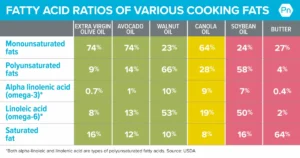
However, Solovieva asserts that the belief in needing to be an authority with all the answers is fundamentally flawed for a coach. "When I show up to a coaching conversation, my role is not ‘the expert,’" she clarifies. While coaches absolutely require a foundational understanding of their domain (e.g., nutrition knowledge for a health coach), their role is not to deliver lectures or possess encyclopedic recall of every scientific minutia. For instance, while a coach should be able to list protein sources, they are not expected to recite the Krebs cycle steps or the exact omega-3 to omega-6 ratio in flax oil without reference.
More profoundly, Solovieva suggests that even when a coach does know the answer, immediate disclosure might not always be the most productive path. Instead of providing a direct answer, a coach can transform the query into a deeper coaching opportunity. For example, if a client asks about seed oils, a coach might respond, "That’s a great question. I can get you some information on that if you’d like, but I’m curious, why do you ask?"
An expert might immediately launch into a summary of the latest research on seed oil processing and health effects. A coach, however, seeks to understand the underlying motivation and meaning behind the client’s question. This inquiry might reveal that the client heard about seed oils from a friend who attributed weight loss to their elimination, leading the client to explore if similar results are possible for them. This deeper understanding reveals the client’s true objective (e.g., weight loss) and guides the coach toward more effective strategies, which may have little to do with seed oils themselves.
The core takeaway is that while a firm understanding of fitness and nutrition principles is essential, clients often need coaching more than they need information. When faced with a question, coaches should consider whether the answer will directly facilitate action. If so, provide the information (or commit to finding it). If not, transform it into a coaching opportunity by exploring the client’s curiosity, leading to more meaningful and actionable insights. This approach empowers clients and focuses the coaching relationship on behavior change rather than mere knowledge transfer.
Coaching Mistake #2: The Peril of Assumed Client Similarity
It may seem self-evident that clients are not mere replicas of their coaches. Yet, Solovieva observes that in the warmth of a coaching relationship, it is surprisingly easy for coaches to unconsciously project their own values, preferences, and motivations onto their clients. For instance, a coach who inherently values rigorous daily exercise, meticulous meal preparation, or a plant-based diet might inadvertently assume their clients share these same foundational beliefs or lifestyle capacities.
Coaches typically enter their profession because they deeply value nutrition, exercise, and overall health. This strong personal conviction can lead to the erroneous assumption that clients hold these values with the same intensity or priority. However, Solovieva offers a sobering perspective: "There’s nothing inherently superior about valuing your health. If you do, yes, you’ll probably experience better health and live longer. But not everyone shares those values. That’s a tough one to swallow."
Failing to recognize clients as unique individuals—each with their distinct preferences, values, priorities, and life circumstances—can lead to significant friction and stagnation. A coach might propose behaviors that are simply not feasible for a client or set goals that hold no genuine meaning for them. This dynamic inevitably leads to frustration on both sides: clients feel misunderstood and unheard, while coaches may begin to doubt their own efficacy. The result is often a breakdown in rapport and progress, ultimately hindering client success and coach satisfaction.
Solution: Establishing a Comprehensive Client Baseline and Tailored Action Plans
The antidote to assuming similarity is to consciously and actively assume nothing. Solovieva emphasizes the importance of checking biases and preconceived notions at the door, approaching each client interaction with an open, curious, and empathetic mind. This involves asking probing questions designed to uncover the client’s unique landscape.
Effective questions include:
- "What inspired you—or pushed you—to come in today?"
- "Why is that goal meaningful to you?"
- "What skills do you possess today that might help you achieve your goal? What skills do you feel you might be missing?"
The emphasis here is on deep listening, allowing the client’s narrative to unfold without interruption or premature interpretation. This practice becomes even more challenging when clients present with seemingly similar backgrounds or goals as the coach (e.g., a shared experience as a single parent, training for a similar athletic event, or navigating a common health challenge). While these similarities can foster initial connection, it is crucial to remember that individual biology, socio-economic context, personal history, and myriad other factors render each person’s experience profoundly unique.
In such cases, Solovieva suggests a nuanced approach that acknowledges shared ground while simultaneously inviting the client to articulate their specific experience: "I know what [insert shared experience] has been like for me, but what has [insert shared experience] been like for you?" This phrasing validates the commonality while shifting the focus firmly onto the client’s individual perspective.
Once a clear and comprehensive picture of a client’s values, priorities, and genuine motivations for change has been established, the coach can then accurately assess which actions the client is truly ready, willing, and able to undertake. This step is critical; just because a coach finds meal preparation straightforward and efficient does not mean their client will share that sentiment or capacity. Precision Nutrition’s "Ready, Willing, and Able Worksheet" is a valuable tool for systematically guiding this assessment, ensuring that proposed strategies are genuinely client-centric and sustainable.
Ultimately, understanding the unique individual, their specific goals, and their realistic capacity for action is paramount. This personalized approach fosters client engagement, builds trust, and significantly increases the likelihood of sustained behavior change and goal attainment, moving beyond generic advice to truly impactful coaching.
Coaching Mistake #3: Excessive Emotional Investment in Client Outcomes
It is a deeply human and entirely natural impulse for coaches to care profoundly about their clients’ success. "There’s a reason we go into coaching. It’s because we care and we want to help clients. We want to see them succeed," Solovieva affirms. This empathy and desire to facilitate positive change are often the very motivators that draw individuals to the coaching profession. However, this caring can, paradoxically, become a double-edged sword.
Coaches invest considerable time and expertise in collaborating with clients to identify optimal habits and behaviors, crafting well-thought-out plans. The inherent challenge, Solovieva describes, is that "Then they walk off and either do the thing or don’t do the thing. That’s brutal." The stark reality is that, regardless of how meticulously crafted the advice, how foolproof the plan, or how deeply the coach cares, they ultimately have no direct control over a client’s execution or the eventual results.
When clients fail to adhere to agreed-upon actions or do not achieve their desired outcomes, coaches naturally experience frustration, disappointment, or even heartbreak. Solovieva points out that this emotional response is not necessarily something to be avoided; rather, it often signals that the coach’s work holds significant meaning for them, indicating a genuine passion for their profession. It is, in this sense, a positive sign of engagement.
The critical distinction, however, lies in the degree of investment. "However, I think there’s a point there where we can start caring more than the client themselves," she cautions. This is the precise boundary that coaches must learn to identify and maintain. Precision Nutrition often uses the concept of "care units" as the currency of coaching. Care units represent the amount of time, energy, attention, authenticity, and "heart" a coach dedicates to helping, serving, and caring for their clients. Clients also possess a certain number of care units they can allocate to their own change and growth projects. Crucially, clients often have fewer care units to commit than their coaches, which is a perfectly normal aspect of the client-coach dynamic. The practical advice then becomes: care one care unit less than your client does. This approach helps maintain a healthy emotional distance while still providing robust support.
Solution: Clearly Delineating Client and Coach Responsibilities
The key to managing emotional investment and ensuring client progress without burnout lies in establishing clear boundaries and responsibilities from the outset of the coaching relationship. "This is where I really like to get really clear on what my role is as a coach," Solovieva states. By defining the coach’s role explicitly, one can objectively assess their performance: "Did I show up? Did I follow up? Did I coach this person to the best of my ability?"
A clear delineation of responsibilities ensures that coaches understand their accountabilities without overstepping into the client’s domain. For example, a coach is typically responsible for:
- Providing expert guidance and actionable strategies.
- Conducting regular check-ins and offering feedback.
- Creating a supportive and accountable environment.
- Adapting strategies based on client progress and feedback.
- Maintaining professional boundaries and ethics.
Conversely, the client is primarily responsible for:
- Committing to the coaching process.
- Implementing agreed-upon actions and strategies.
- Communicating honestly about challenges and progress.
- Taking ownership of their own results and choices.
- Actively engaging in self-reflection and learning.
Ideally, this clear separation of responsibilities should occur early in the coaching relationship. Some coaches prefer an open discussion, while others integrate these parameters into a formal contract outlining deliverables and expectations. This early communication also serves as a crucial "fit" assessment. Solovieva illustrates this: "When I’m having that initial conversation with a prospective client, I can ask, ‘What does accountability look like to you?’ If the client replies, ‘Well, I want you to text me every morning and night, and I want you to make sure I’ve done my workout, and also ship groceries to my house,’ then I will be the one to say, ‘I don’t think this is a good fit.’"
This upfront clarity prevents future friction and disappointment. Clients are less likely to feel let down if they have a realistic understanding of their coach’s role, and coaches are less likely to experience burnout from shouldering undue burdens. This robust framework even protects the coach-client relationship in challenging scenarios, such as when a client "ghosts" before a paid contract concludes. "When somebody doesn’t reply to me, I don’t take it personally. It’s not their job to reply, but it is my job to check in," Coach Kate explains. Her protocol involves persistent, yet professional, check-ins across various contact methods until the contract expires, culminating in a supportive, open-door message. This approach upholds the coach’s responsibility without infringing on the client’s autonomy or causing personal distress.
Bonus Insight: Acknowledging Your Own Dedication
While the article highlights common "mistakes," Solovieva and Precision Nutrition emphasize that these are often born from a place of genuine care and passion. If coaches find themselves making these errors, it is largely because they care deeply about their clients’ well-being and success. This inherent drive is a strength, not a flaw. However, left unaddressed, these common pitfalls can indeed limit a coach’s potential and hinder business growth. The aim is not to diminish passion but to channel it effectively and sustainably.
The insights provided by Kate Solovieva, initially shared on the Coaches Compass podcast, offer a roadmap for coaches to refine their practice, build resilient businesses, and maximize their impact. By understanding the critical balance between knowledge acquisition and practical application, adopting a truly client-centric approach, and establishing healthy professional boundaries, coaches can navigate the complexities of their profession with greater confidence and effectiveness.
Broader Implications for the Coaching Industry
The implications of adopting Solovieva’s recommendations extend beyond individual coach success. A coaching industry populated by professionals who are adept at sales, client-centric in their approach, and emotionally resilient will undoubtedly elevate the entire profession. It fosters greater client satisfaction, improves long-term outcomes, and builds trust in coaching as a legitimate and highly effective modality for personal and professional development. As the demand for coaching continues to rise, the ability to address these foundational mistakes will differentiate successful, sustainable practices from those that falter, ultimately strengthening the professional standing and impact of coaching worldwide.
For aspiring and current coaches seeking to build sustainable nutrition and lifestyle habits with their clients, while also cultivating a thriving practice, organizations like Precision Nutrition offer comprehensive educational pathways. The PN Level 1 Nutrition Coaching Certification, for example, provides foundational knowledge and practical strategies, empowering coaches to make a significant difference in their clients’ physical and mental health. By integrating expert guidance with practical, real-world application, coaches can truly do what they love while making a meaningful living.