
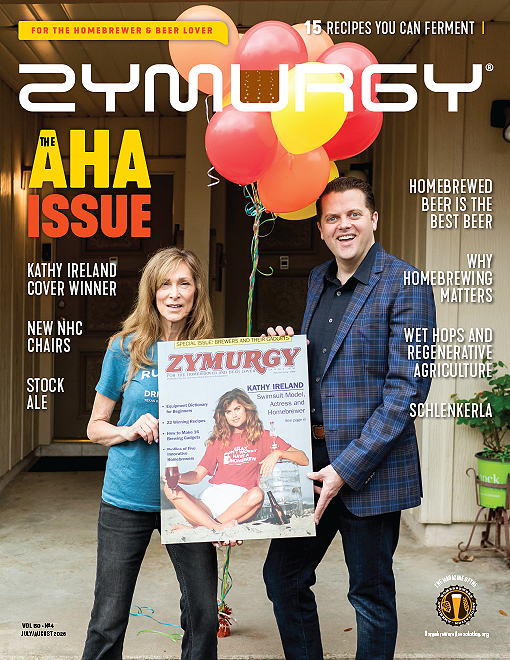
The American Homebrewers Association (AHA) has officially released the July/August 2026 issue of Zymurgy magazine, marking a pivotal moment in the organization’s efforts to bridge the gap between historical brewing traditions and the rapidly evolving landscape of modern fermentation. This edition serves as both a retrospective of the hobby’s enduring roots and a forward-looking manifesto for the next generation of zymurgists. With a focus on the return of signature events, leadership transitions within the competitive circuit, and the integration of sustainable agricultural practices, the issue provides a comprehensive overview of the domestic and international homebrewing community.
As the flagship publication for the AHA since its founding in 1978, Zymurgy continues to function as the primary repository for technical brewing knowledge and cultural trends. The July/August 2026 issue arrives at a time when the homebrewing hobby is experiencing a resurgence, driven by a renewed interest in artisanal self-sufficiency and the maturation of the craft beer market. Under the guidance of Editor-in-Chief Dave Carpenter, who has led the publication through a period of significant digital and editorial expansion, this latest installment emphasizes the "stewardship" of brewing as a cultural craft.
Leadership Transitions at the National Homebrew Competition
A central highlight of the current issue is the introduction of new leadership for the National Homebrew Competition (NHC), the world’s largest amateur brewing contest. The AHA has announced that veteran competition organizers Charlie Harr and Jen Pereira have stepped into the roles of NHC Chairs. This transition comes at a critical juncture for the competition, which has seen a steady increase in entry complexity and a diversification of beer, mead, and cider categories over the past decade.
Harr and Pereira bring decades of collective experience in logistical management and BJCP (Beer Judge Certification Program) sanctioned judging. Their appointment is seen as a move to streamline the multi-stage judging process and to better integrate modern digital scoring systems that provide faster, more detailed feedback to entrants. The NHC remains a cornerstone of the AHA’s mission, serving as a talent pipeline for the professional brewing industry. Historically, many of the most decorated professional brewers in the United States began their careers by winning gold medals at the NHC, making the stability and integrity of its leadership paramount to the industry at large.
The Evolution of Style: From Stock Ale to Cold IPA
In a deep dive into brewing history, the issue explores the American Stock Ale, a style that predates Prohibition and served as a functional ancestor to some of the most popular contemporary beer styles. The feature posits that the high-gravity, heavily hopped ales of the 19th and early 20th centuries provided the genetic blueprint for the modern West Coast IPA and the more recent "Cold IPA" trend.

By examining historical grist bills and hopping schedules, the article illustrates how early American brewers utilized domestic ingredients to create shelf-stable, robust ales that could withstand non-refrigerated transport. This historical context is vital for modern brewers seeking to understand the "why" behind contemporary techniques. The analysis suggests that the current industry obsession with clarity, high attenuation, and assertive hop bitterness is not a modern invention but rather a refinement of a century-old American brewing philosophy.
Sustainability and the Science of Regenerative Hops
The July/August issue places a significant emphasis on the raw materials of brewing, specifically the rise of regenerative organic hop farming. As climate change continues to impact traditional hop-growing regions in the Pacific Northwest and Europe, the magazine examines how farmers are pivoting toward soil-health-centric models. Regenerative agriculture—which focuses on carbon sequestration, biodiversity, and minimal soil disturbance—is becoming increasingly relevant to the homebrewer who prioritizes ingredient provenance.
The feature on "wet hops" (hops used fresh from the vine without drying) highlights the seasonal nature of the hobby. By interviewing hop growers who have transitioned to organic and regenerative practices, Zymurgy provides readers with a technical look at how soil chemistry affects essential oil production and alpha acid levels. This section underscores a broader trend within the AHA: a move toward "slow brewing" and a deeper connection to the agricultural cycle.
International Perspectives: Schlenkerla and the Preservation of Tradition
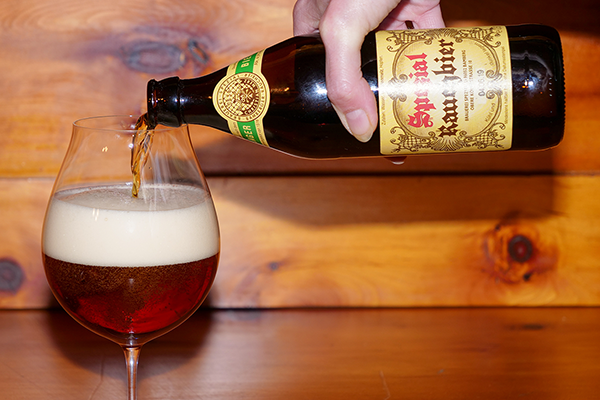
While much of the issue focuses on American innovation, Zymurgy maintains its international scope with an investigative piece on the historic Schlenkerla brewery in Bamberg, Germany. The article features Mattias Trum, the sixth-generation owner of the 500-year-old institution famous for its Rauchbier (smoke beer).
The narrative explores the delicate balance Trum must strike between preserving ancient techniques—such as kilning malt over open beechwood fires—and adopting modern efficiencies required to survive in a globalized market. For the homebrewer, the Schlenkerla story serves as a masterclass in consistency and brand identity. It also provides technical insights into wood-fired kilning and decoction mashing, techniques that many advanced homebrewers attempt to replicate in small-scale environments to achieve the specific melanoidin profiles associated with Franconian lagers.
Community Milestones and the Return of Homebrew Con
A significant portion of the editorial is dedicated to the "Future of Homebrewing," specifically the highly anticipated return of Homebrew Con. After years of shifting formats and digital-heavy engagements, the 2026 outlook for the conference suggests a return to large-scale, in-person gatherings that emphasize the social fabric of the hobby. The AHA notes that the sense of community found in local homebrew clubs is the primary driver of retention for the organization.
This community spirit is exemplified in the story of Janet Anderson, the winner of the Kathy Ireland cover raffle. At the 2025 Great American Beer Festival (GABF), the AHA raffled a poster of one of the most iconic Zymurgy covers featuring the supermodel and entrepreneur Kathy Ireland—a nod to a famous 1990s issue that helped bring homebrewing into the mainstream. Anderson’s win and her subsequent interview reflect the diverse demographics of the modern brewing community, which has moved far beyond the "hobby for middle-aged men" stereotype of previous decades.
Further reinforcing this community focus is a profile of Jim Spaulding, a 37-year veteran of the AHA. Spaulding’s reflections provide a chronological timeline of the hobby’s evolution, from the days of limited ingredient availability and "brown malt extract" to the current era of precision temperature control and lab-grade yeast strains. Spaulding’s thesis—that homebrewed beer remains the "best beer" because of its lack of commercial compromise—resonates as a core value of the July/August issue.
Technical Resources and Educational Impact
To provide immediate value to its members, the issue includes 15 curated recipes ranging from historical recreations to modern experimental ales. These recipes are designed to be "fermentable" across various skill levels, from "Brew-in-a-Bag" (BIAB) beginners to advanced all-grain brewers using sophisticated electric systems.
The inclusion of these recipes is part of a broader educational initiative by the AHA to standardize brewing excellence. By providing validated recipes that have often been tested in NHC-winning circuits, Zymurgy acts as a bridge between amateur experimentation and professional-quality results. The magazine also continues to promote its "Members Only" digital portal, which offers an archive of brewing chemistry, water profile calculators, and yeast management protocols.
Implications for the Craft Beverage Industry
The content of the July/August 2026 issue suggests several broader implications for the craft beverage industry. First, the emphasis on regenerative hops and historical styles indicates that the "innovation" of the future may be found in the "restoration" of the past. As consumers become more environmentally conscious, the homebrewing community is likely to lead the charge in demanding sustainable sourcing from commercial breweries.
Second, the leadership changes at the NHC and the revitalization of Homebrew Con signal a period of institutional stabilization for the AHA. By focusing on the "ancient and proud tradition" of brewing, the association is positioning homebrewing not just as a hobby, but as a form of cultural stewardship. This perspective helps insulate the organization against the fluctuations of the commercial beer market, focusing instead on the intrinsic value of the craft.
Finally, the editorial direction under Dave Carpenter continues to prioritize "gerunds"—the acts of doing, hiking, traveling, and brewing. This lifestyle-centric approach to Zymurgy suggests that homebrewing is increasingly being viewed as one component of a holistic, DIY-oriented lifestyle. As the July/August 2026 issue demonstrates, the American Homebrewers Association remains committed to fostering a community where "order is brought to chaos" through the simple, scientific, and soulful act of making beer at home.