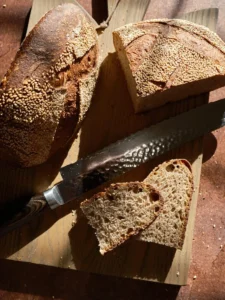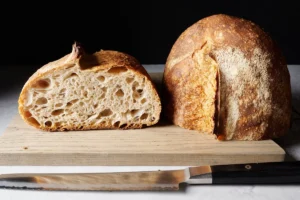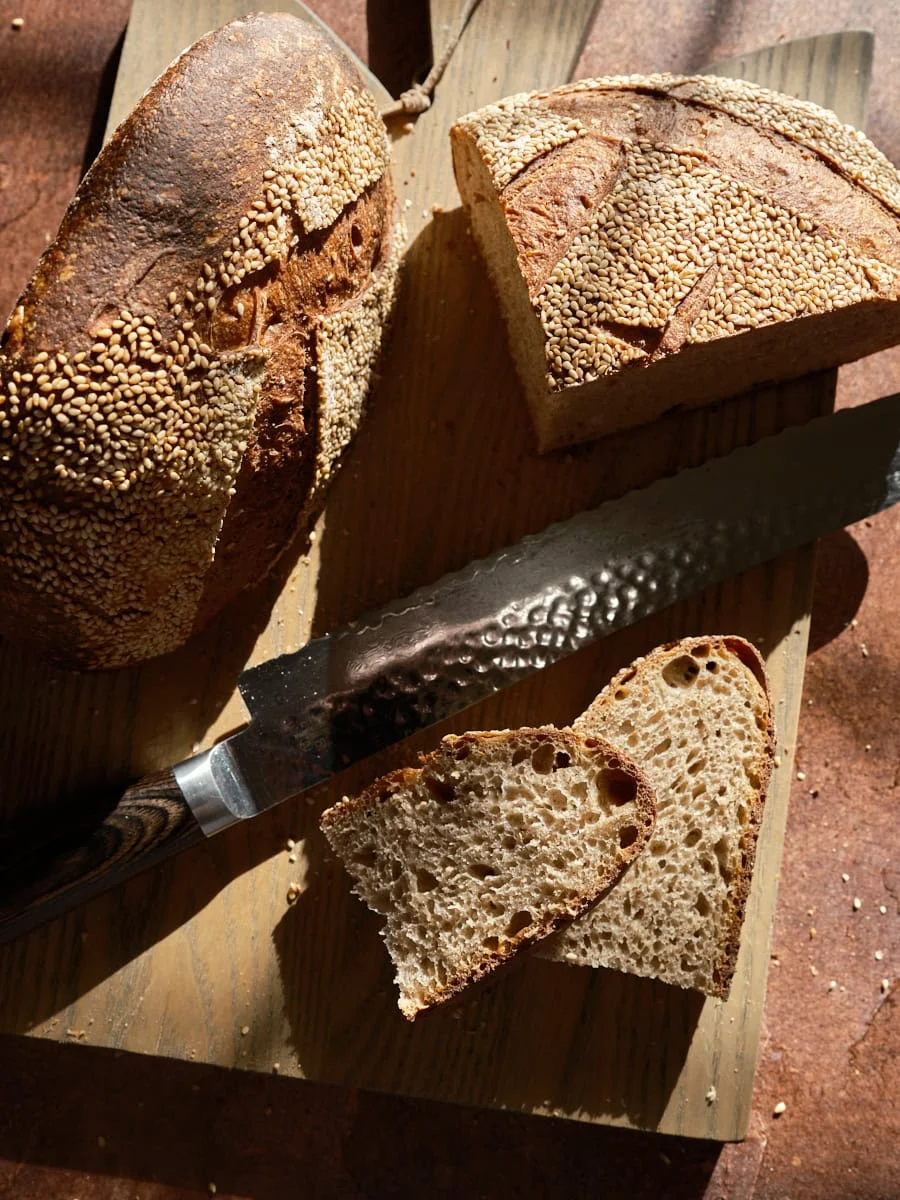

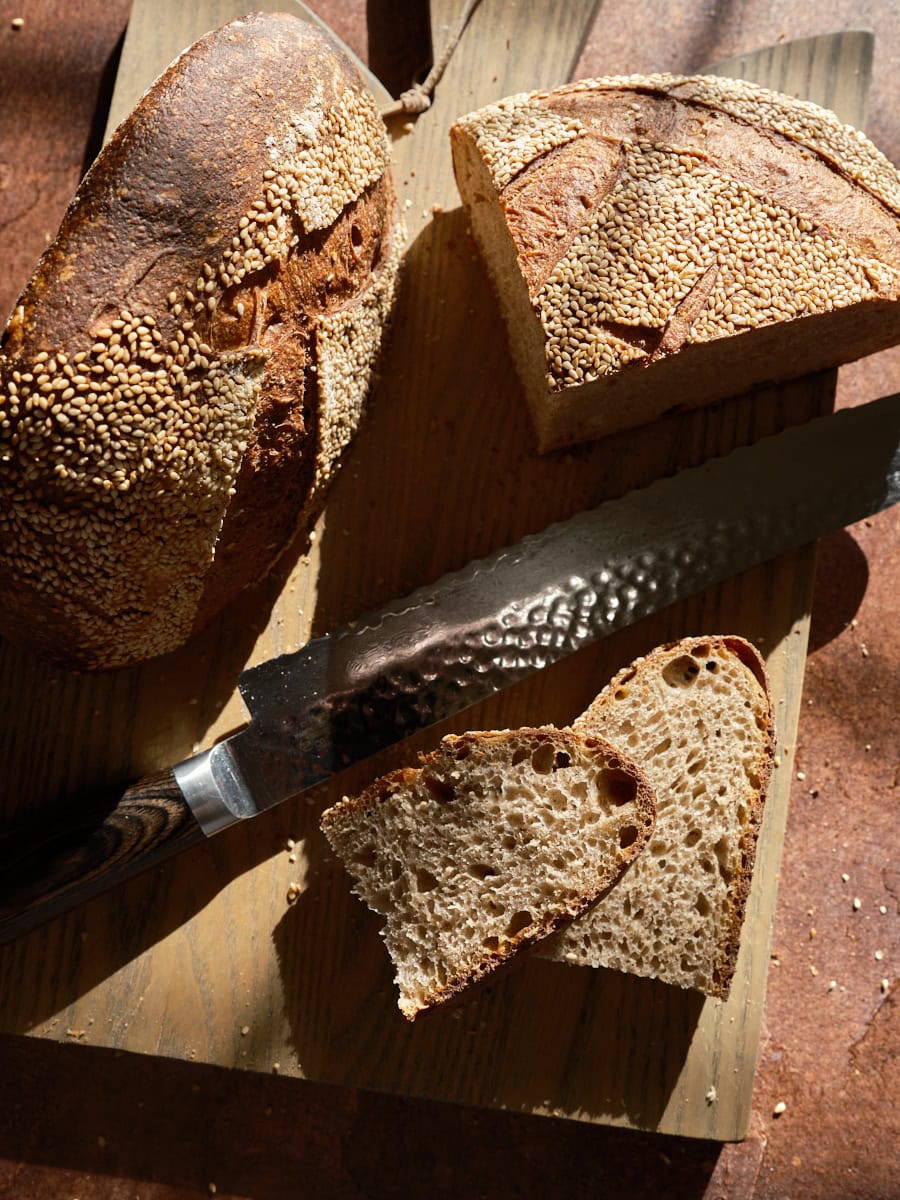
This deeply flavorful sourdough, infused with the warm embrace of anise and the earthy notes of buckwheat, emerges as a beacon of comfort against the lingering grip of winter. The very act of preparing this bread, from the pungent aroma of freshly ground anise to the rich sweetness of malt and the visually appealing speckling of buckwheat within the dough, offers a welcome distraction from the encroaching darkness and dry chill that characterize the colder months. The technique of scalding flour, a key component in achieving the bread’s uniquely silky texture, further enhances its appeal, making the baking process itself a therapeutic endeavor.
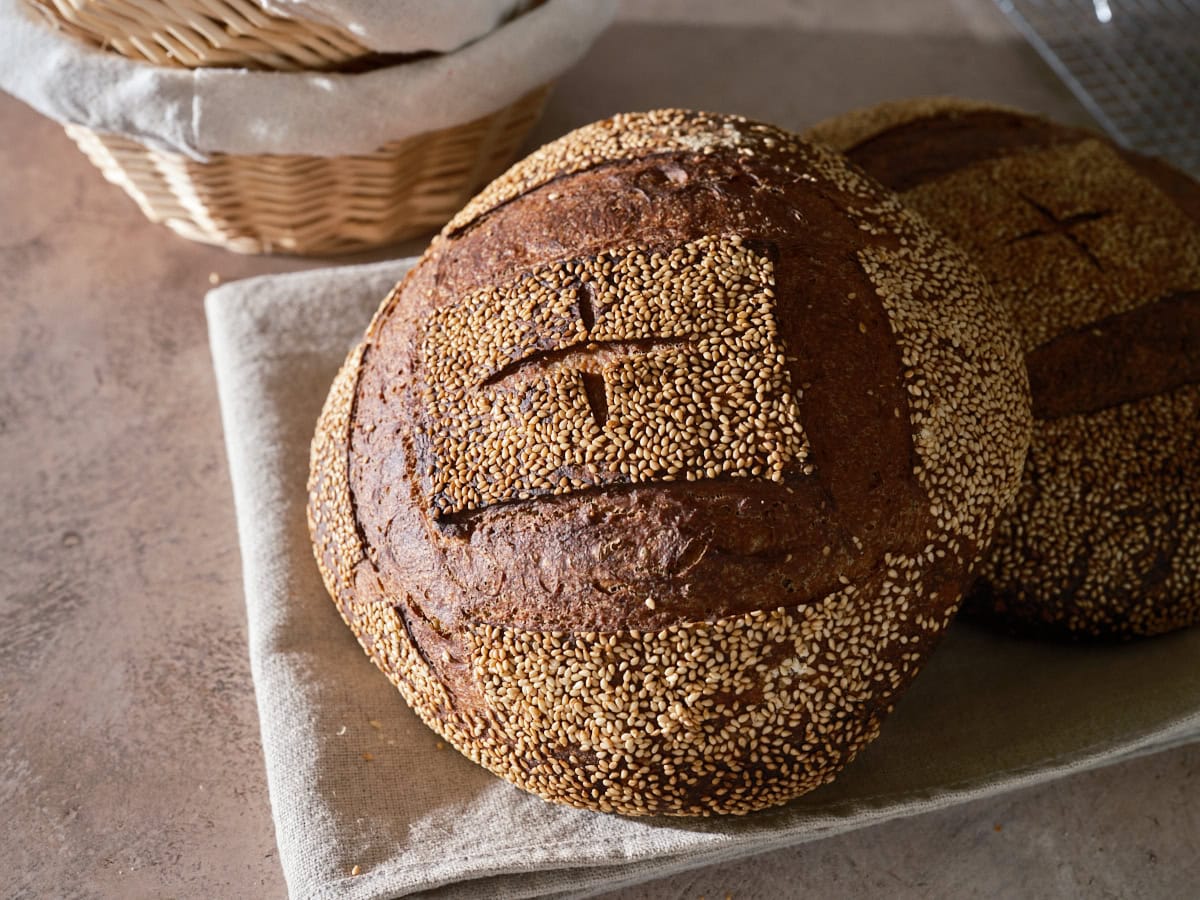
The allure of anise in baking is undeniable, its bold, licorice-sweet fragrance announcing its presence with an assertive elegance. While often employed whole in confections like sourdough discard biscotti, its integration into a substantial loaf of bread presents a novel and captivating dimension. When paired with the complex flavor profile of buckwheat—characterized by its nutty, mineral, and subtly tannic undertones—the resulting sourdough achieves a remarkable balance, proving utterly irresistible. The final touch of striking white sesame seeds not only complements the spice and sweetness but also adds a stunning visual contrast to the robust, whole-grain crumb.
The Science and Art of the Flour Scald
The inclusion of buckwheat in this recipe was a deliberate choice, aimed at creating a bread that is both hearty and texturally intriguing. The technique of scalding flour, which involves immersing it in boiling water to create a gelled paste, is instrumental in achieving this. This process, akin to the Japanese Yudane or the broader Tangzhong methods, fundamentally alters the flour’s structure. The resulting paste is not only intensely aromatic and flavorful but also acts as a powerful moisture retainer. This trapped moisture significantly contributes to a softer crumb that stays fresh for a longer period, effectively delaying staling. The simplicity of the scald belies its profound impact on the final texture and shelf-life of the bread, making it a valuable technique for any baker seeking to elevate their loaves.
Flour Selection: A Foundation of Flavor and Nutrition
The choice of flour is paramount in crafting a bread designed for both robust flavor and sandwich-ready appeal. This recipe utilizes a high-extraction (Type 85) flour as its base. Specifically, Cairnspring’s Trailblazer, a highly regarded flour in many kitchens, was selected for its excellent performance as a workhorse. Its inclusion of a greater proportion of bran and germ compared to standard white flours imparts a richer flavor and enhanced nutritional profile to the final product.
Buckwheat, while not possessing the same gluten-forming capabilities as wheat, is incorporated for its distinctive characteristics. As observed in previous applications, even small percentages of buckwheat can lead to a tighter crumb structure. However, this is a worthwhile trade-off for the intense earthiness and the beautiful, deep color it lends to the finished loaf. The inherent qualities of buckwheat, when combined with the chosen wheat flour, create a harmonious blend that is both visually striking and sensorially complex.
A Meticulous Baking Schedule for Optimal Results
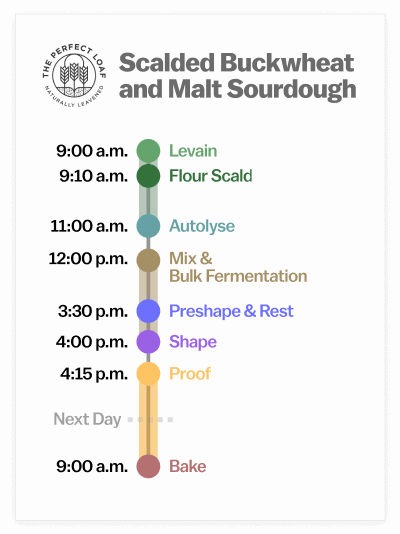
This sourdough bread recipe is designed to be a two-day affair, demanding minimal active intervention from the baker. The process begins with the preparation of the levain, followed by the creation of the flour scald and the autolyse. Bulk fermentation, a crucial period for flavor development and dough structure, requires only a couple of sets of gentle stretches and folds. The dough is then shaped and allowed to undergo a cold proof in the refrigerator overnight. This extended cold fermentation not only enhances flavor but also makes the dough easier to handle and score before baking. The loaves are then baked the following morning, or they can be held in the refrigerator until the evening for freshly baked bread to accompany dinner. This thoughtful schedule ensures a manageable process with a rewarding outcome.
Recipe Vitals and Total Formula: Precision in Every Gram
This recipe yields two substantial loaves, each weighing approximately 900 grams. For those wishing to bake a single loaf, all ingredient quantities can be halved. A comprehensive, editable spreadsheet for scaling the recipe up or down is available to members of The Baker’s Corner, offering flexibility for bakers of all levels.
The target final dough temperature (FDT) for this recipe is a precise 78°F (26°C). A detailed discussion on the importance of dough temperature in baking and related factors can be found in the dedicated post on the subject.
Total Dough Weight: 1,800 grams
Prefermented Flour: 5.8%
Levain in Final Dough: 18.5%
Hydration: 75.0% (83% including the water in the flour scald)
Yield: Two 900g loaves
Total Formula:
| Weight (g) | Ingredient | Baker’s Percentage |
|---|---|---|
| 46 | Scald: Buckwheat flour (Anthony’s Organic Buckwheat Flour) | 5.0% |
| 73 | Scald: Water | 8.0% |
| 687 | High-extraction wheat flour (Type 85; Cairnspring Trailblazer) | 75.0% |
| 183 | Whole wheat flour (Camas Country Hard Red Wheat) | 20.0% |
| 46 | Barley malt syrup | 5.0% |
| 6 | Aniseed, ground | 0.6% |
| 596 | Water 1 (levain and autolyse) | 65.0% |
| 92 | Water 2 (mix) | 10.0% |
| 18 | Fine sea salt | 2.0% |
| 53 | Ripe sourdough starter, 100% hydration | 5.8% |
Method: A Step-by-Step Guide to Baking Mastery
1. Prepare the Levain – 9:00 a.m.
| Weight (g) | Ingredient | Baker’s Percentage |
|---|---|---|
| 53 | High-extraction wheat flour | 100.0% |
| 53 | Water 1 (levain) | 100.0% |
| 53 | Ripe sourdough starter, 100% hydration | 100.0% |
Combine the levain ingredients in a clean jar or container. Cover and allow to ripen at 74-76°F (23-24°C) for approximately 3 hours. For precise scaling or adjustments, the sourdough starter and levain calculator is an invaluable tool.
2. Prepare the Flour Scald – 9:10 a.m.
| Weight (g) | Ingredient |
|---|---|
| 46 | Buckwheat flour |
| 73 | Water, boiling |
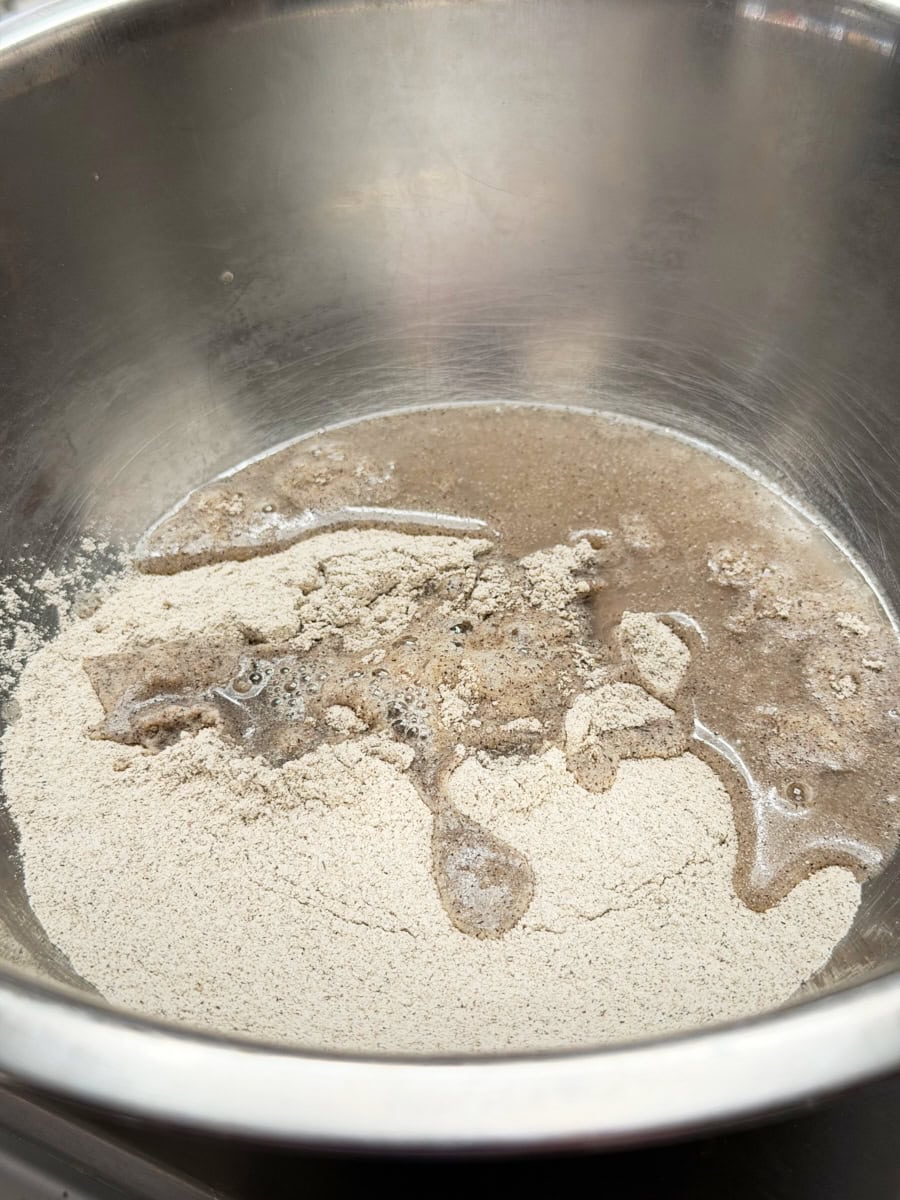
In a small bowl, combine the buckwheat flour and pour the boiling water over it. Stir vigorously until a thick paste forms. If the mixture appears too dry, a small additional splash of boiling water can be added. Cover the paste and set aside until needed for mixing. The aroma released at this stage is a delightful preview of the bread’s complex flavor profile.

3. Autolyse – 11:00 a.m.
| Weight (g) | Ingredient |
|---|---|
| 634 | High-extraction wheat flour |
| 183 | Whole wheat flour |
| 543 | Water 1 (autolyse) |
| All | Flour scald (from Step 2) |
Utilizing the water temperature calculator, adjust the autolyse water to achieve the desired final dough temperature of 78°F (25°C). In a large bowl, combine the flours, autolyse water, and the prepared flour scald. Mix with wet hands or a mixer on low speed until no dry bits remain. The dough will appear shaggy and loose. Scrape down the sides of the bowl to consolidate the dough. Cover and let rest for 1 hour. During this autolyse period, the flour hydrates, and the dough begins to develop strength and elasticity.
4. Mix – 12:00 p.m.
| Weight (g) | Ingredient |
|---|---|
| 92 | Water 2 (mix) |
| 18 | Fine sea salt |
| 159 | Ripe levain (from Step 1) |
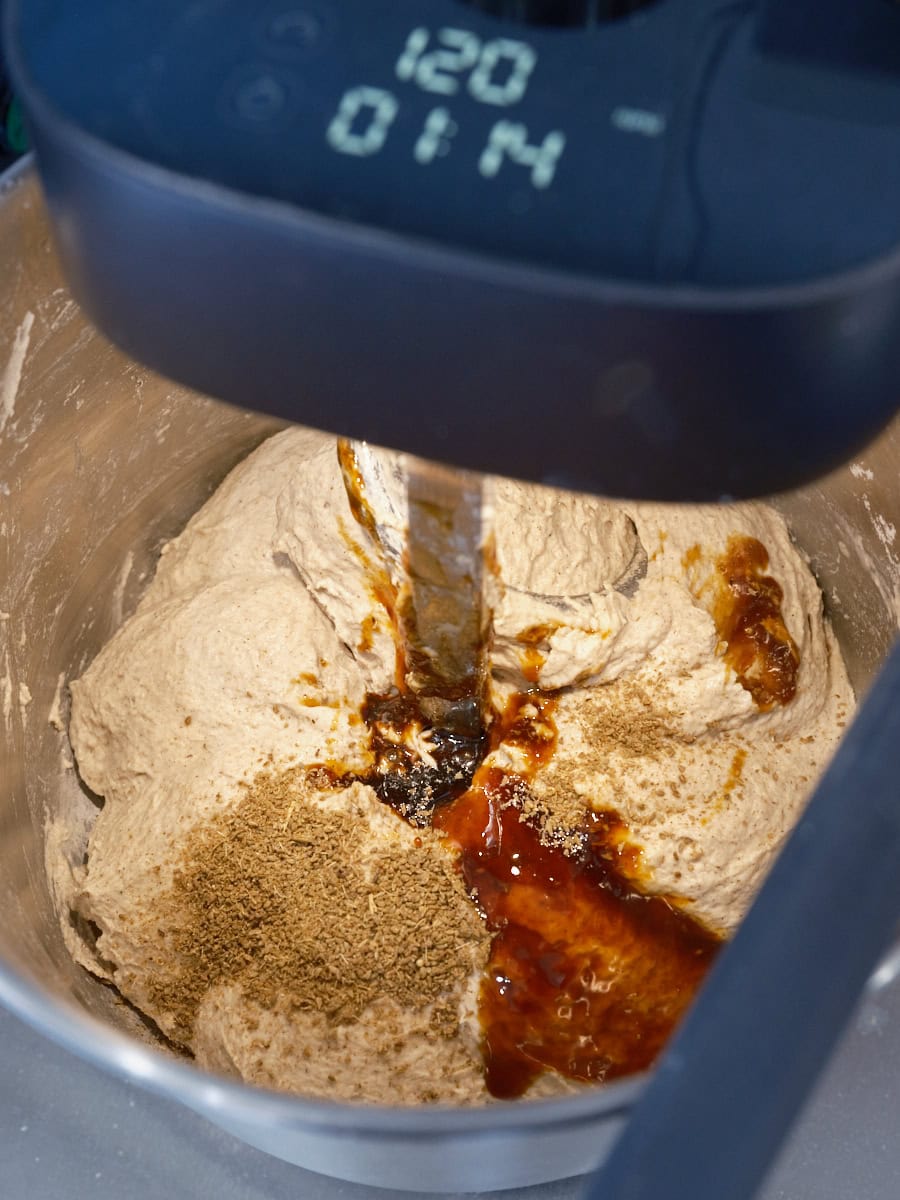
This recipe features a high hydration level, resulting in a slack and sticky dough. It is crucial to reserve "Water 2" and add it incrementally only if the dough can accommodate it, a technique known as bassinage. This prevents over-hydration.
Mixing with a Mechanical Mixer: For those using a spiral mixer, the dough can be mixed in stages. After the autolyse, add the salt and levain, along with a portion of Water 2. Mix until incorporated. Gradually add the remaining Water 2 as the dough develops, aiming for a smooth and cohesive texture.
Mixing by Hand: Add the salt and levain to the top of the autolysed dough. Incorporate a splash of Water 2 to moisten. Mix thoroughly with wet hands or a dough whisk. Employ either the slap-and-fold technique or the folds-in-the-bowl method for approximately 5 minutes until the dough becomes smooth and less shaggy. Transfer the dough to a bulk fermentation container and cover. If the dough remains very wet, refrain from adding any remaining Water 2. If it is cohesive but still shaggy, incorporate the remaining water, followed by a few minutes of slap-and-folds or bowl folds to achieve a smoother, more cohesive dough.
5. Bulk Fermentation – 12:30 p.m. to 3:30 p.m. (3 hours)
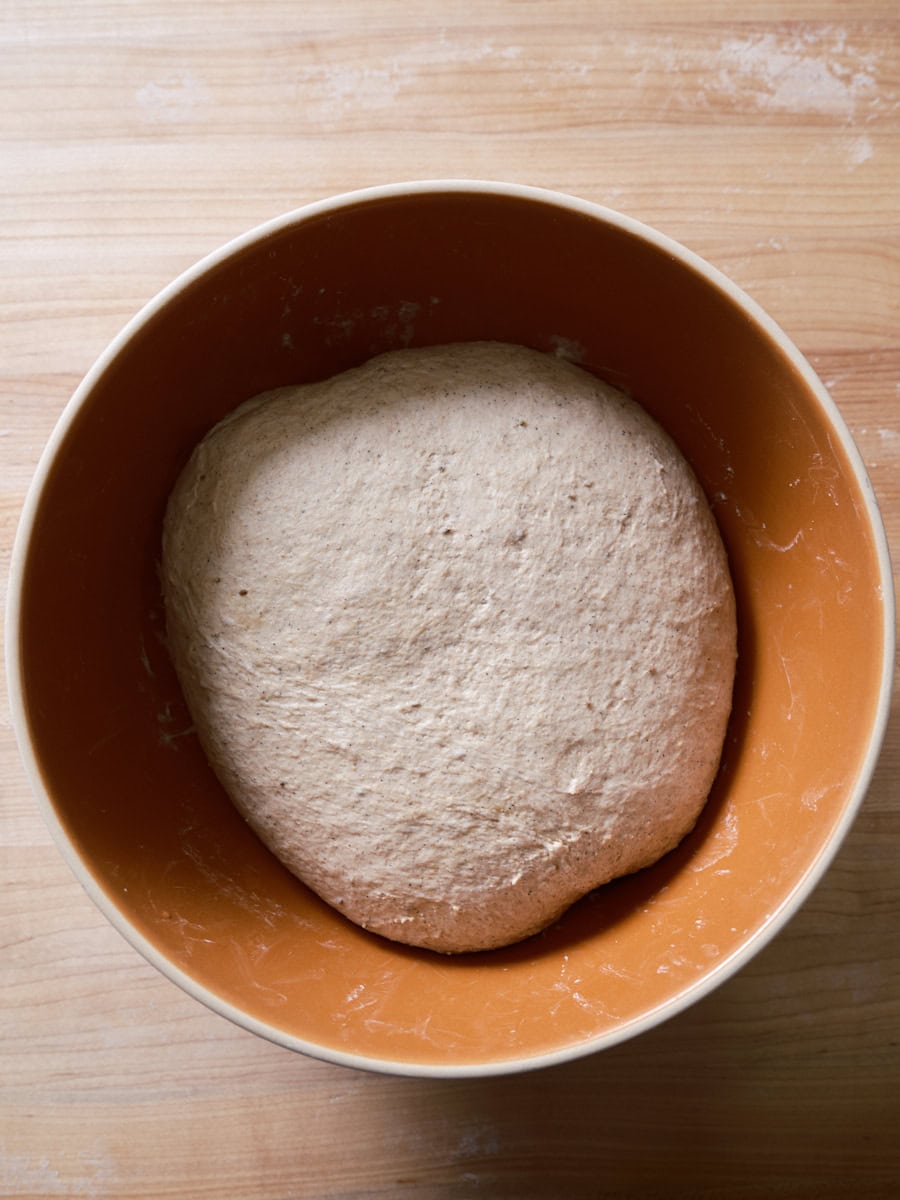
At a warm room temperature of 74-76°F (23-24°C), bulk fermentation should last approximately 3 hours. This period will include two sets of stretches and folds, performed at 30-minute intervals.
After the first 30 minutes, perform the first set of stretches and folds. Gently pull one side of the dough upwards and fold it over to the opposite side. Rotate the bowl 180 degrees and repeat the stretch and fold. Then, rotate the bowl 90 degrees and perform another stretch and fold. Finally, rotate the bowl 180 degrees and complete the last stretch and fold. Cover the dough.
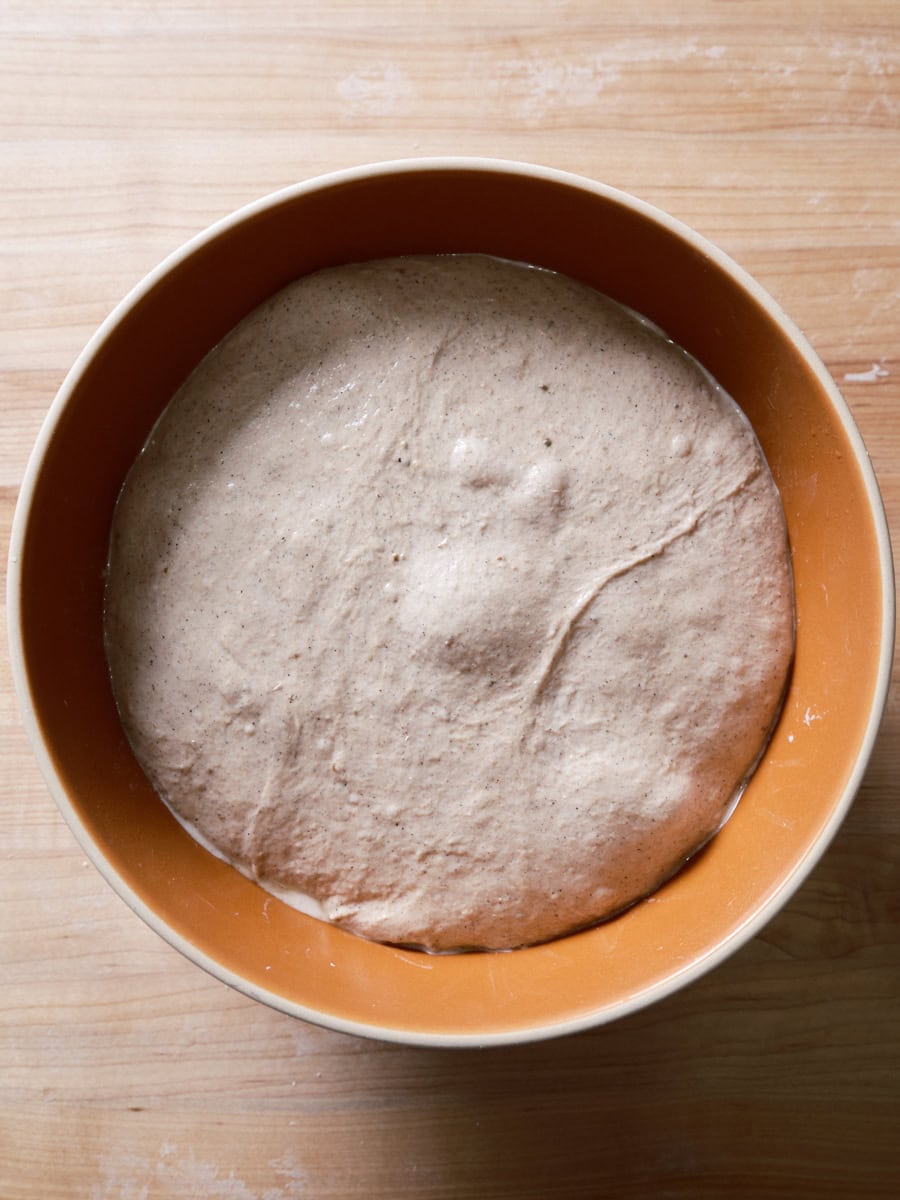
Perform a second set of stretches and folds after another 30 minutes. Allow the dough to rest, covered, for the remainder of the bulk fermentation. During this time, the dough will increase in volume by approximately 30%, appearing smooth and puffy.
6. Pre-shape – 3:30 p.m.
Gently turn the dough out onto a lightly floured work surface. Divide the dough in half and pre-shape each portion into a loose round. Allow these rounds to rest, uncovered, for 30 minutes. This resting period allows the gluten to relax, making the final shaping easier.
7. Shape – 4:00 p.m.
Prepare a clean kitchen towel or a quarter-sheet pan by spreading an even layer of raw white sesame seeds.
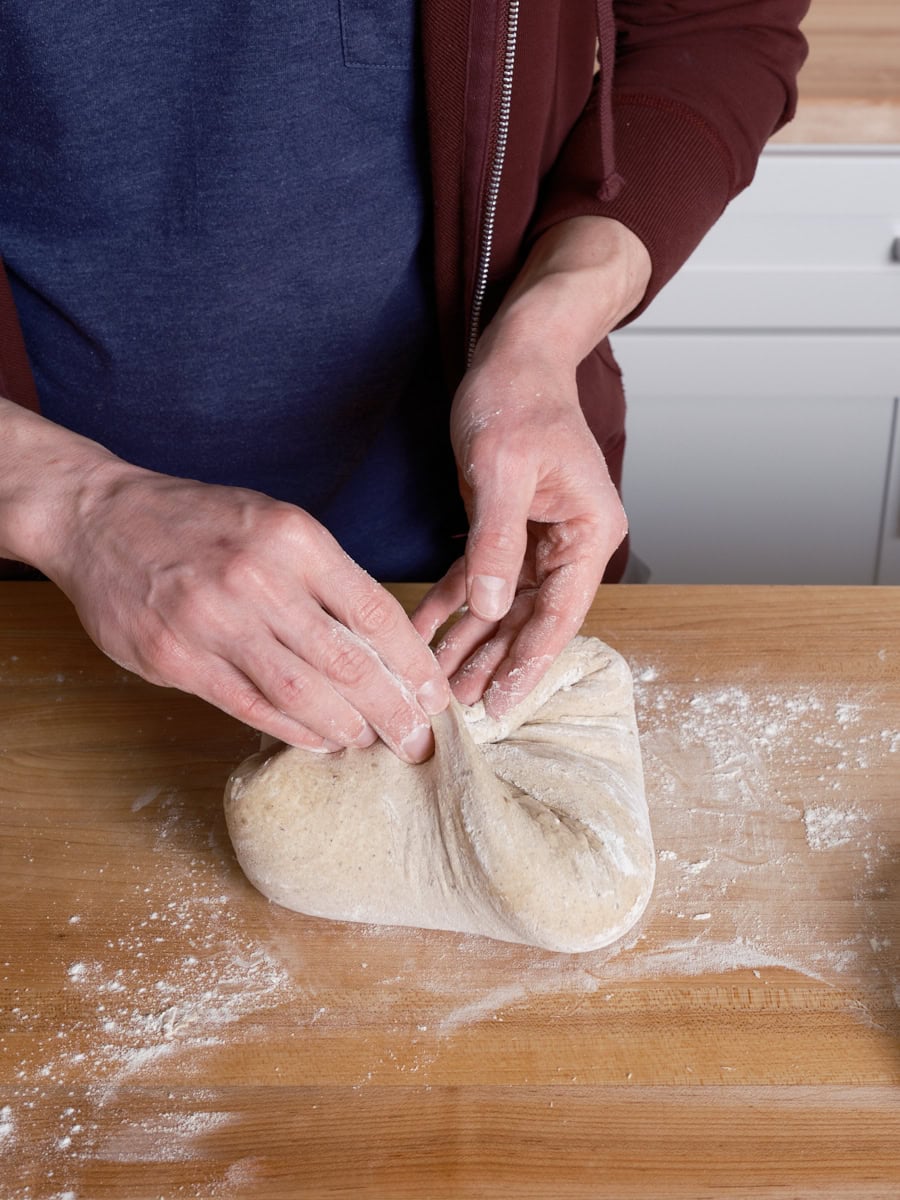
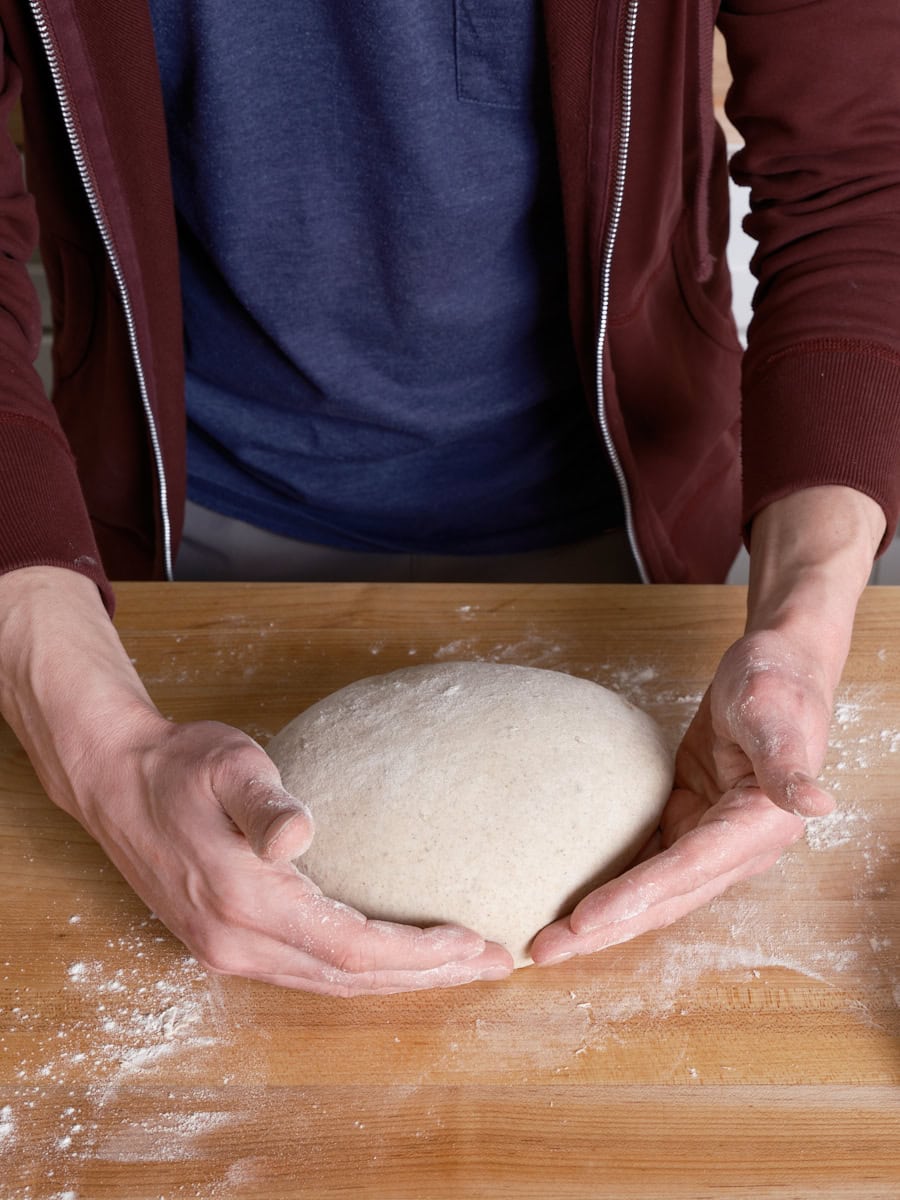
Employing the "gather up" method, lightly flour the tops of the rested dough rounds. Using a bench scraper, flip one round onto the floured surface. Fold two opposing points of the dough towards the center, overlapping them slightly. Repeat with the remaining two points. Flip the dough over and use your hands to gently pull the dough towards you, creating surface tension. The goal is to form a smooth, rounded shape.

Carefully scoop the shaped dough with both hands and invert it onto the prepared sesame seeds. Transfer the dough, seam-side up, into a round 10-inch proofing basket. Repeat the process for the second piece of dough.
8. Proof – 4:15 p.m. to 9:00 a.m. (Overnight)
Cover the proofing baskets securely with reusable plastic bags, sealing them to prevent the dough from drying out. Place the baskets in the refrigerator for an overnight cold proof. This extended period in the cold further develops flavor and allows for easier scoring.

9. Bake – 9:00 a.m.
Preheat your oven to 450°F (230°C) with a baking vessel (Dutch oven, combo cooker, or baking stone/steel) on the bottom rack. If using a baking stone or steel, place an empty pan on the bottom rack for steam generation.
Remove one proofing basket from the refrigerator. Uncover the dough and place a piece of parchment paper over the basket. Position a pizza peel or an inverted baking sheet on top of the parchment. With both hands, carefully flip the entire assembly over. Gently remove the proofing basket and score the dough as desired.
Slide the dough onto the preheated baking surface. Generate steam by covering the Dutch oven, or by adding ice cubes to the preheated pan at the bottom of the oven. Bake for 20 minutes.
After 20 minutes, carefully vent the steam by removing the lid from the Dutch oven or taking out the steaming pan. Continue baking for an additional 30 minutes, or until the crust is deeply colored and the internal temperature of the loaf reaches approximately 204°F (95°C). Repeat the baking process for the second loaf.
Allow the baked loaves to cool completely on a wire rack for 1 to 2 hours before slicing. This cooling period is essential for the crumb structure to set properly.

Frequently Asked Questions
What can I use instead of aniseed?
Caraway seeds offer a comparable spicy, slightly anise-like flavor profile that would be an excellent substitute.
What can I use instead of barley malt syrup?
For a more pronounced bitter and sweet complexity, blackstrap molasses is a suitable alternative. Alternatively, honey can be used for a sweeter, more floral note that also pairs beautifully with anise.
Exploring Further
For those who have embraced the unique qualities of buckwheat in their baking, the Soft Honey Buckwheat Sandwich Bread recipe offers another delightful option for a rich and subtly sweet loaf. This exploration into the world of sourdough, with its nuanced flavors and textures, provides a comforting and rewarding culinary journey, especially during the colder months.