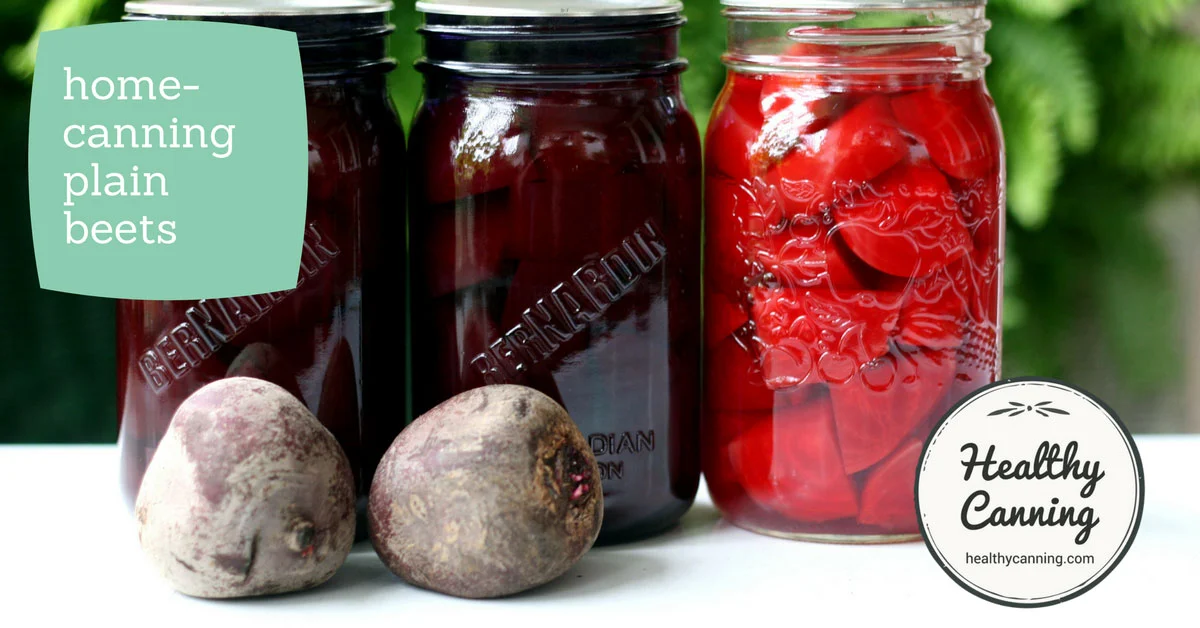

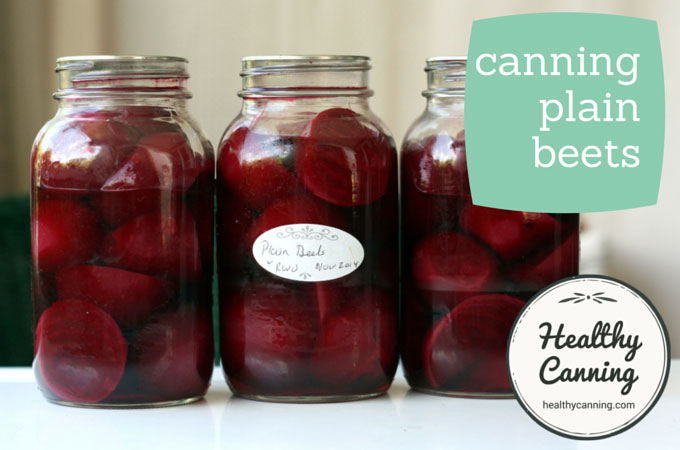
The home preservation of plain beets, known as beetroot in various international markets, represents a significant intersection of culinary tradition and rigorous food safety science. While the convenience of having pre-cooked, shelf-stable beets available for immediate use in salads, roasts, or soups is a major draw for home cooks, the process requires strict adherence to United States Department of Agriculture (USDA) guidelines. Unlike high-acid fruits or pickled vegetables, plain beets are classified as a low-acid food. This classification mandates the use of a pressure canner to eliminate the risk of foodborne illnesses, most notably botulism. Experts emphasize that there is no safe alternative to pressure canning for plain beets; water bath canning is insufficient to reach the temperatures necessary to neutralize bacterial spores.

The Scientific Mandate for Pressure Canning
The fundamental requirement for pressure canning plain beets is rooted in microbiology. Beets typically have a pH level that ranges between 4.9 and 5.6, placing them well within the "low-acid" category (defined as any food with a pH greater than 4.6). In this low-acid environment, Clostridium botulinum spores can thrive if they are not destroyed by high heat. While boiling water reaches a maximum temperature of 212°F (100°C) at sea level, pressure canners utilize steam under pressure to reach 240°F (116°C) or higher.
According to the National Center for Home Food Preservation (NCHFP), this higher temperature is the only way to ensure that the heat-resistant spores are destroyed. Data from the Centers for Disease Control and Prevention (CDC) underscores this necessity. Between 1990 and 2012, at least 10 documented cases of botulism in the United States were specifically linked to home-canned beets that were processed using a water bath rather than a pressure canner. This historical trail of illness serves as a stark reminder that traditional or "heritage" methods involving open-kettle canning or water bathing for plain vegetables are dangerously obsolete.
Chronology of the Canning Process: From Harvest to Jar
The preparation and processing of beets follow a specific sequence designed to maximize both safety and product quality. The timeline of a successful canning session begins with selection and ends with a cooling period that can last up to 24 hours.
- Selection and Preparation: Home canners are advised to select small to medium-sized beets, ideally between 1 and 2 inches (2.5 to 5 cm) in diameter for whole canning. Larger beets should be sliced or cubed to ensure even heat penetration. To minimize color loss, or "bleeding," it is recommended to leave approximately 2 inches (5 cm) of the stem and the taproot intact during the initial pre-cooking phase.
- Pre-cooking and Peeling: Beets must be pre-cooked until the skins slip off easily. This is typically achieved by boiling the beets for 15 to 25 minutes depending on size. Modern energy-efficient alternatives include using a steam canner or a pressure cooker for this preliminary step. For instance, processing 20 lbs (9 kg) of medium beets in a large pressure cooker at 15 pounds of pressure for 3 minutes can significantly reduce kitchen heat and preparation time.
- The Hot Pack Requirement: Once peeled and trimmed, the beets must be packed into jars while still hot. If the beets cool down during the peeling process, they should be reheated. Packing cold beets into jars for pressure canning (known as a "raw pack") is not recommended for this specific vegetable because it can interfere with the established thermal processing times required for safety.
- Jarring and Headspace: The beets are placed in half-liter (pint) or one-liter (quart) jars, leaving exactly 1 inch (3 cm) of headspace. This gap is crucial for the vacuum sealing process and to prevent liquid from boiling over into the sealing rim during the high-pressure phase.
- Pressure Processing: Jars are placed in the pressure canner with 2 to 3 inches of water. Once the canner is vented for 10 minutes, the pressure is brought to the required level (10-11 lbs depending on the gauge type and altitude). Half-liters are processed for 30 minutes, and liters for 35 minutes.
Technical Data and Altitude Adjustments
Precision is the hallmark of safe canning. The USDA provides specific guidelines for pressure settings that must be adjusted based on the elevation of the canning location. As altitude increases, the boiling point of water decreases, necessitating an increase in pressure to maintain the required internal temperature of 240°F.
For a weighted-gauge canner, the standard pressure is 10 lbs for altitudes between 0 and 1,000 feet. Above 1,000 feet, the pressure must be increased to 15 lbs. For those using a dial-gauge canner, the requirements are more granular: 11 lbs at sea level, increasing by 1 lb for every 2,000-foot increment in elevation. Failure to adjust for altitude is a common error that results in under-processed food, which may appear sealed but remains a host for pathogens.
Regarding yield, home canners can expect to need approximately 3 lbs (1.25 kg) of raw beets per quart jar. A standard load of 7 quarts typically requires about 21 lbs of beets.
Historical Context and the Evolution of Safety Standards
The recommendation to pressure can beets is not a modern "over-caution" but a standard that has existed for nearly a century. As early as 1926, the USDA Farmers’ Bulletin No. 1471 explicitly advised the use of steam-pressure canners for non-acid vegetables to mitigate the risk of botulism.
However, the history of canning is marked by periods of conflicting advice. During World War II, when metal for pressure canners was rationed for the war effort, some university extension bulletins promoted an "Acid Method." This involved adding a small amount of vinegar to beets and water-bathing them for 90 minutes. Modern testing has proven this method unsafe, as the amount of acid added was often insufficient to lower the pH enough to inhibit bacterial growth. Today, food safety experts like those at the Penn State Extension emphasize that unless a beet is fully pickled in a strong vinegar brine, it must be treated as a low-acid vegetable.

Quality Control: The Science of Color and Texture
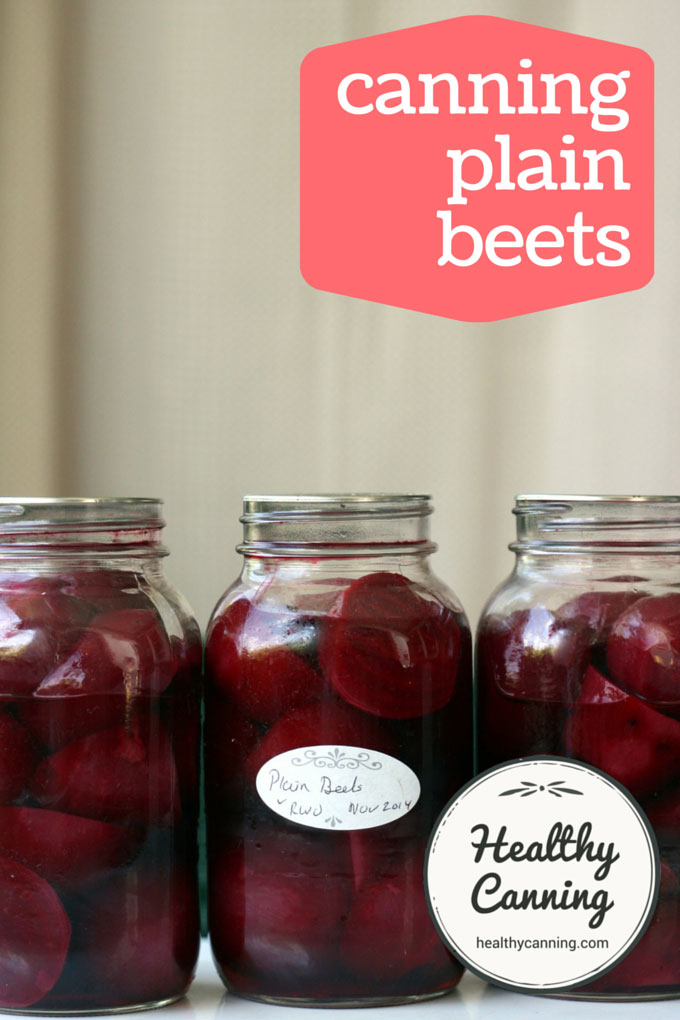
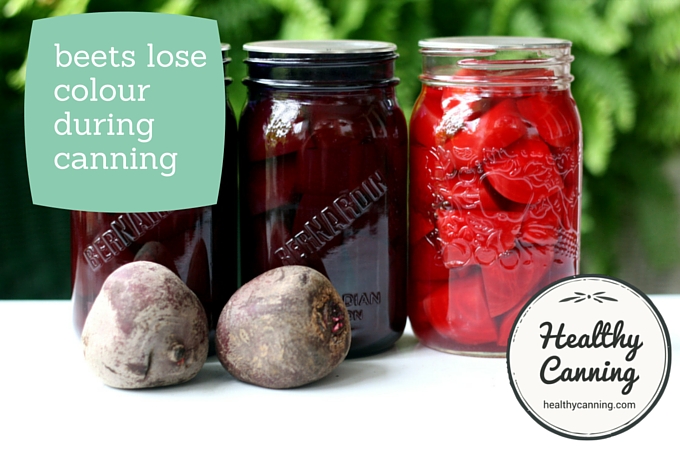
A common concern among home canners is the loss of the vibrant red color during the high-heat processing of the pressure canner. This phenomenon is caused by the thermal sensitivity of betalaines, the pigments responsible for the beet’s hue.
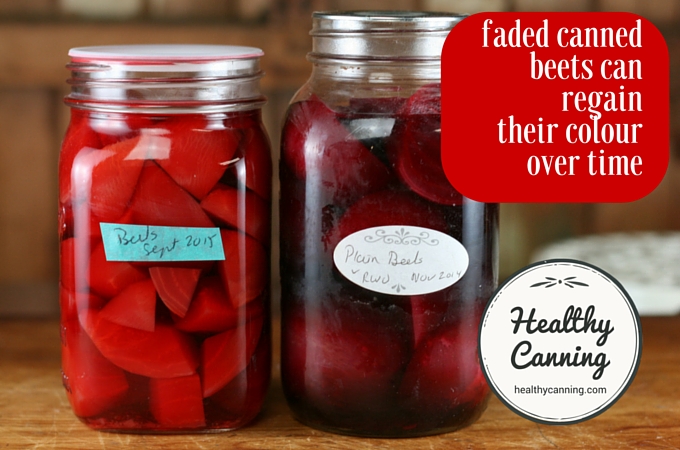
Research from Penn State Extension indicates that the reaction is often reversible. While beets may appear pale or brownish immediately after being removed from the canner, the red pigment frequently returns after a few days of storage at room temperature. To ensure the best aesthetic results, experts suggest varieties like ‘Detroit Dark Red’ or ‘Formanova,’ which are known for their color stability. Additionally, the NCHFP judging criteria for beets stipulate that the liquid should be clear and the beets free from "white rings," which are often a sign of over-maturity or poor variety selection.
Broader Implications for Food Security and Health
The ability to safely can plain beets at home has broader implications for food security and nutritional autonomy. Home-canned beets retain significant nutritional value, offering a rich source of fiber, folate, and manganese. A 250g serving of canned beets contains approximately 124 calories and zero cholesterol, making them an excellent staple for health-conscious households.
Furthermore, the practice of home canning supports local agriculture and reduces the carbon footprint associated with commercial food transportation. By following the USDA’s pressure canning protocols, individuals can enjoy the benefits of seasonal harvests throughout the year without compromising safety.
Conclusion and Official Recommendations
In summary, the canning of plain beets is a process where there is no room for improvisation. The consensus among the USDA, the NCHFP, and university extensions is unanimous: plain beets must be peeled, packed hot, and processed in a pressure canner. The risks associated with water bath canning for this specific vegetable are well-documented and potentially fatal. By adhering to the established 30 to 35-minute processing times and adjusting for altitude, home canners can produce a high-quality, safe, and versatile product that serves as a cornerstone of the home pantry. For those without access to a pressure canner, the only safe alternatives for preserving plain beets are freezing or pickling with a high-acid vinegar solution.