
Roasted vegetables, a culinary cornerstone celebrated for their simplicity and inherent heartiness, possess the remarkable ability to shine as a standalone dish. However, for those seeking to elevate this humble preparation into a more substantial and satisfying meal, the question arises: what accompaniments truly harmonize with the caramelized sweetness and earthy depth of roasted produce? Drawing upon over fifteen years of professional kitchen experience, from bustling restaurant menus to grand banquet halls, and even personal endeavors to boost vegetable intake for family consumption, this exploration delves into a curated selection of pairings designed to complement roasted vegetables across all seasons. The following suggestions, rooted in culinary expertise, aim to transform a simple side into a complete and memorable dining experience, offering variety, nutritional balance, and distinct flavor profiles.
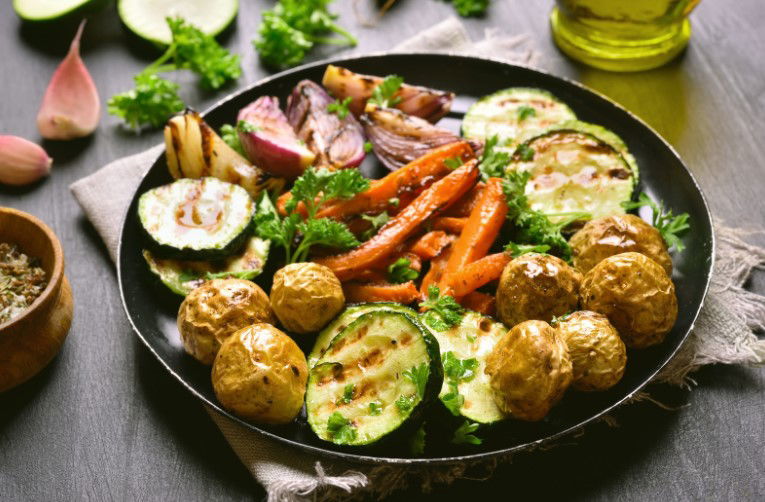
The Enduring Appeal of Roasted Vegetables
The art of roasting vegetables lies in its transformative power. High heat coaxes out natural sugars, leading to caramelization and a depth of flavor that raw or boiled vegetables simply cannot achieve. This process also reduces moisture content, resulting in a pleasing texture that can range from tender-crisp to melt-in-your-mouth. The versatility of roasted vegetables is further amplified by their adaptability to any season. From the vibrant asparagus and spring peas of April to the robust root vegetables and squashes of November, the roasting technique consistently delivers delicious results. The challenge, then, is not in the preparation of the vegetables themselves, but in identifying complementary dishes that enhance, rather than compete with, their inherent qualities.
Hearty Proteins: Building a Substantial Foundation
When considering a complete meal, the inclusion of a protein source is often paramount. The following protein-centric options not only provide essential nutrients but also offer contrasting textures and flavors that harmonize beautifully with roasted vegetables.

1. The Comfort of Beef Roast
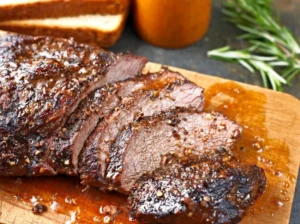
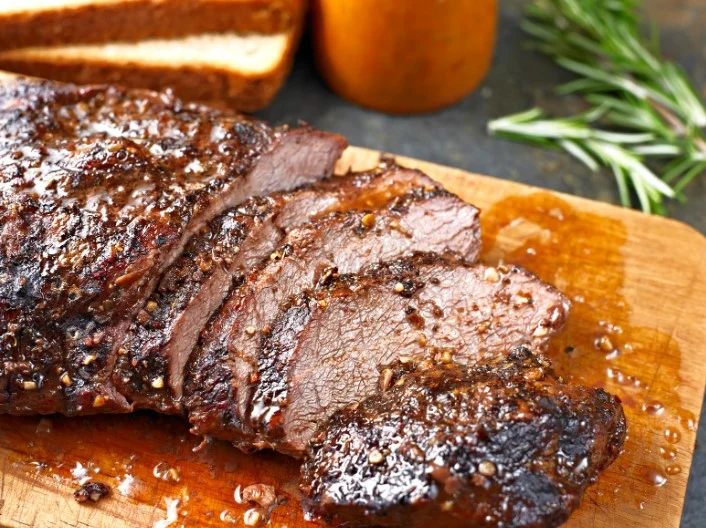
For many, beef roast embodies the epitome of comfort food, especially during the colder months when a substantial meal is most desired. Its appeal lies in its "set-it-and-forget-it" nature, requiring minimal active cooking time once in the oven. This characteristic is a significant advantage when preparing roasted vegetables simultaneously. While the roast slowly renders its rich flavors, it liberates valuable stovetop and oven space, allowing for the preparation and cooking of a diverse array of vegetables.
The economic and practical benefits of beef roast are also noteworthy. It is a highly scalable dish, easily adaptable for intimate family dinners or larger social gatherings. Furthermore, the potential for leftovers is a significant advantage, transforming into delectable sandwiches or providing a convenient protein base for subsequent meals throughout the week. To further enhance the dining experience, a classic pan sauce or gravy can be prepared to generously coat both the roast and the accompanying vegetables, adding an extra layer of richness and moisture. For those seeking guidance, a well-executed classic beef roast recipe with a perfect pan sauce can be found, offering a reliable pathway to culinary success. The slow cooking process of a beef roast typically ranges from 1.5 to 4 hours, depending on the cut and desired doneness, providing ample time for meticulous vegetable preparation.

2. The Lean Choice: Chicken Breast
Chicken breast offers a lighter yet equally nutritious protein option that pairs exceptionally well with roasted vegetables. Its lean profile ensures that the meal remains satisfying without feeling overly heavy. The efficiency of preparing chicken breast in conjunction with roasted vegetables is a key consideration for busy home cooks. A common strategy involves searing the chicken breast in a skillet to achieve a desirable golden-brown crust, followed by finishing its cooking in the oven. This method allows the chicken to cook concurrently with the vegetables, maximizing oven utilization.
The textural contrast between a well-seared chicken breast and tender roasted vegetables is particularly appealing. The slightly crispy exterior of the chicken complements the softer, caramelized vegetables, creating a balanced mouthfeel. Moreover, chicken breast is a readily available and budget-friendly protein source, making it an accessible choice for a wide range of diners. Recipes for pan-seared chicken breast often highlight techniques for achieving juicy results, typically taking around 15-25 minutes to cook, depending on thickness.

3. The Savory Sweetness of Pork Chops
Pork chops present a compelling pairing, particularly with sweeter roasted vegetables and complementary sauces. Their inherent richness makes them a natural partner for winter favorites like butternut squash, where the inherent sweetness of the vegetable harmonizes with the savory notes of the pork. To elevate this combination further, consider incorporating elements of baked apple slices or an apple demi-glace, playing on the classic affinity between pork and fruit. This approach allows for creative culinary exploration, transforming a familiar dish into something more nuanced and sophisticated.
Pork chops offer flexibility in their preparation, being amenable to both pan-searing and oven roasting. Many recipes, such as an easy pork chop preparation, can be completed in as little as 15 minutes, making it a relatively quick option for weeknight meals. The internal temperature for safely cooked pork chops is 145°F (63°C) followed by a three-minute rest.

Carbohydrate-Rich Companions: Adding Depth and Substance
While roasted vegetables provide essential fiber and nutrients, incorporating a carbohydrate-rich side can transform the meal into a more complete and satiating experience. These options offer a different textural and flavor dimension, further enhancing the overall meal.
4. The Comforting Layers of Lasagna
Lasagna, a beloved Italian classic, serves as an exceptional companion to Mediterranean-style roasted vegetables such as zucchini, tomatoes, and red onions. Its inherent richness and heartiness make it a substantial dish in its own right, yet it wonderfully complements the lighter notes of roasted produce. A significant advantage of lasagna is that it, too, is prepared and cooked in the oven, freeing up stovetop burners for other culinary tasks.

The preparation of lasagna can be time-consuming, often involving multiple steps and a longer baking period, typically ranging from 30 to 50 minutes. However, this investment of time is often rewarded by its crowd-pleasing nature and its ability to serve larger groups, making it ideal for family dinners or gatherings. The exceptional quality of lasagna leftovers, often tasting even better the following day, adds to its appeal. A pro-tip for maximizing oven space and efficiency when preparing both lasagna and roasted vegetables involves roasting the vegetables during the final hour of the lasagna’s baking time, provided there is adequate space within the oven.
5. The Versatile Embrace of Soup
Soup offers a remarkably versatile side dish that can effectively round out a meal centered around roasted vegetables. It also provides a convenient pathway to creating entirely vegetarian or vegan meals, depending on the soup’s composition. The choice of soup can be tailored to the specific types of roasted vegetables being served. For instance, a hearty minestrone pairs beautifully with Mediterranean-inspired roasted vegetables, while a classic chicken noodle soup complements roasted root vegetables like potatoes, carrots, and onions. Creamy chowders, with their rich and comforting texture, are an excellent accompaniment to roasted squashes. The sheer breadth of soup varieties ensures that there is always a suitable option, regardless of the roasted vegetable selection. A typical soup preparation can range from 30 minutes for a simple broth-based soup to over an hour for more complex, slow-simmered varieties.

6. The Creamy Indulgence of Risotto
While risotto preparation can be labor-intensive, requiring consistent attention and technique, the reward is a luxuriously creamy and satisfying side dish that pairs exceptionally well with roasted vegetables. For novice cooks, beginner-friendly risotto recipes often provide clear, step-by-step instructions and valuable tips to ensure success. A mushroom risotto, with its deep, earthy, and savory flavor profile, is particularly recommended as a complement to a wide array of roasted vegetables. The inherent richness of risotto can stand up to and enhance the natural sweetness and char of roasted produce. The cooking time for risotto typically ranges from 25 to 40 minutes of active cooking.
Lighter Fare and Vegetarian Options: Balancing the Plate
For those seeking lighter alternatives or prioritizing vegetarian and vegan options, several dishes offer robust flavor and nutritional value without the heaviness of traditional meat dishes.

7. The Savory Pastry of Quiche
Quiche, an egg-based savory pastry, introduces a significant protein boost to a roasted vegetable dish without the inclusion of meat. This makes it an excellent choice for a vegetarian meal. Furthermore, like lasagna, quiche is typically baked in the oven, contributing to easier cleanup and freeing up stovetop space. Many quiches incorporate vegetables as a primary ingredient, creating a natural synergy with roasted vegetables. A simple five-ingredient broccoli quiche recipe serves as a testament to the dish’s versatility and ease of preparation. The baking time for quiche generally ranges from 30 to 50 minutes.
8. The Mediterranean Delight: Eggplant Parmesan
Eggplant Parmesan presents a delightful pairing, especially with Mediterranean-style roasted vegetables. It offers a lighter alternative to chicken parmesan, making it a suitable choice for those aiming to reduce meat consumption or create a vegetarian main course. The delicate, melt-in-your-mouth texture of the eggplant, combined with its crisp coating, provides an appealing textural contrast to the roasted vegetables. While eggplant parmesan can be a more involved dish to prepare, requiring techniques like breading and frying before baking, its rich flavor and satisfying nature make the effort worthwhile. Some versions, which involve pan-frying the eggplant before baking, offer a particularly decadent result. The overall preparation and baking time for eggplant parmesan can extend to 60-90 minutes.

9. The Versatile Power of Tofu Steaks
For a vegan and protein-rich option, sliced tofu steaks are an excellent choice. Tofu’s remarkable ability to absorb marinades allows it to take on a wide variety of flavors, making it an incredibly versatile ingredient. Whether baked or seared, tofu can be prepared to complement almost any roasted vegetable combination. Its preparation is straightforward: slice, season, and then sear or roast. This simplicity makes it an ideal component for a light and meatless meal. For optimal results, firm or extra-firm tofu is recommended due to its superior texture and ability to withstand cooking without crumbling. The preparation time for tofu steaks is typically minimal, often around 20-30 minutes including marinating and cooking.
Frequently Asked Questions: Navigating Roasted Vegetable Preparation
Should Roasted Root Vegetables Be Covered?
Covering roasted root vegetables in the oven traps moisture, leading to steaming rather than roasting. While hard squashes can benefit from covering to ensure they cook through, most other vegetables should remain uncovered to facilitate browning and achieve the desired caramelized texture.

How Do You Keep Roasted Root Veggies from Getting Soggy?
To prevent soggy roasted root vegetables, ensure your oven is preheated to a high temperature, typically around 400°F (200°C). Equally important is arranging the vegetables in a single layer on the baking sheet, avoiding overcrowding. This allows for adequate air circulation, promoting crispiness rather than steaming.
The strategic selection of accompaniments can elevate roasted vegetables from a simple side dish to the centerpiece of a well-rounded and delicious meal. By considering factors such as desired heartiness, flavor profiles, dietary preferences, and even cooking efficiency, home cooks can confidently create culinary experiences that are both satisfying and memorable, leveraging the inherent versatility of this beloved preparation method.