The Enduring Quest for Longevity and Health
For millennia, humanity has pursued methods to extend life and enhance vitality, from ancient herbal remedies and philosophical diets to modern medical breakthroughs. The 20th and 21st centuries have witnessed unprecedented gains in average life expectancy, largely attributable to advancements in public health, sanitation, nutrition, and medical treatments for infectious diseases and acute conditions. Global life expectancy at birth rose from approximately 47 years in 1950 to over 72 years in 2019, according to data from the World Health Organization (WHO), a testament to cumulative scientific and societal progress. However, merely extending life is often insufficient; the contemporary aspiration is for a longer "healthspan"—the period of life spent in good health, free from chronic disease and disability.
This evolving ambition has given rise to the "health optimization" movement, a broad category encompassing various practices aimed at not just preventing illness but actively enhancing physiological function, cognitive performance, and longevity beyond conventional norms. Driven by an increasingly informed and health-conscious populace, alongside the pervasive influence of social media and digital platforms, individuals are inundated with claims promising to reverse chronic disease, restore youthful vigor, and even achieve unprecedented lifespans of 115 years or more. Fitness influencers, best-selling authors, and prolific podcasters frequently champion ultra-specific diets, advanced supplement regimens, intricate exercise protocols, and cutting-edge diagnostic tests as essential for reaching one’s health potential.
The Rise of the "Optimization" Industry
The global wellness market, estimated by the Global Wellness Institute to be worth over $4.4 trillion in 2020 and projected to grow significantly, reflects this widespread pursuit. Segments like nutrition and weight loss, physical activity, and preventative and personalized medicine are experiencing rapid expansion. Within this ecosystem, terms like "biohacking" and "longevity science" have gained prominence, often implying that life processes can be engineered and optimized through meticulous self-experimentation and advanced technological interventions. These range from popular dietary trends such as ketogenic or paleo diets, intermittent fasting, and plant-based eating, to more esoteric practices involving nootropics, peptides, red light therapy, cryotherapy, and continuous glucose monitoring, all marketed with the promise of unlocking superior health and extended life.
The allure of these advanced protocols is undeniable. In a world characterized by increasing rates of chronic conditions—the Centers for Disease Control and Prevention (CDC) reports that six in ten Americans live with at least one chronic disease, such as heart disease, cancer, or diabetes—the idea of taking proactive, precise steps to mitigate these risks and enhance well-being holds immense appeal. However, a critical examination reveals a significant divergence between the scientific evidence supporting foundational health practices and the often anecdotal, preliminary, or even speculative basis for many "optimization" claims.
Scrutinizing the Claims: Necessity, Effectiveness, and Cost
The central questions that emerge in this landscape are whether these ultra-specific, advanced protocols are truly necessary, genuinely effective, and ultimately, worth the considerable investment of effort, time, and financial resources they often demand.
Necessity and Effectiveness:
Medical and public health consensus consistently points to a core set of lifestyle factors as the most impactful determinants of health and longevity. These include:
- Balanced Nutrition: A diet rich in whole foods, fruits, vegetables, lean proteins, and healthy fats, with limited intake of ultra-processed foods, added sugars, and unhealthy fats.
- Regular Physical Activity: Consistent engagement in aerobic exercise and strength training, as recommended by organizations like the American Heart Association and the WHO.
- Adequate Sleep: 7-9 hours of quality sleep per night for most adults, crucial for cellular repair, hormone regulation, and cognitive function.
- Stress Management: Effective coping mechanisms for psychological stress, which can otherwise contribute to inflammation, cardiovascular disease, and impaired immune function.
- Social Connection: Strong social ties and community engagement, linked to improved mental and physical health outcomes.
- Avoidance of Harmful Substances: Limiting alcohol consumption and abstaining from tobacco use.
Numerous large-scale epidemiological studies, such as the Nurses’ Health Study and the Health Professionals Follow-up Study, have consistently demonstrated that individuals adhering to these fundamental principles experience significantly lower risks of chronic diseases and enjoy longer, healthier lives. For instance, a 2018 study published in Circulation found that adopting five healthy lifestyle habits (never smoking, maintaining a healthy BMI, regular moderate-to-vigorous physical activity, moderate alcohol intake, and a high-quality diet) could add more than a decade to life expectancy.
In contrast, many "optimization" protocols lack the robust, long-term randomized controlled trials necessary to establish definitive efficacy. While some emerging technologies and nutritional strategies show promise in early research, they often remain unvalidated for broad application or require further investigation to understand long-term effects and potential risks. For example, while personalized nutrition based on genetic markers or microbiome analysis is a fascinating area of research, its practical, cost-effective application for the general public is still in its infancy, and many commercial offerings may overstate their scientific basis.
The True Costs: Time, Effort, and Money:
Beyond the scientific efficacy, the practical implications of pursuing an "optimized" lifestyle can be substantial.

- Financial Investment: High-end supplements, bespoke dietary plans, advanced diagnostic tests (e.g., comprehensive microbiome analysis, genetic sequencing), specialized equipment (e.g., hyperbaric chambers, red light therapy devices), and memberships to exclusive longevity clinics can quickly accumulate to thousands or even tens of thousands of dollars annually. For instance, a single session of cryotherapy can cost $50-$100, while a month’s supply of premium nootropics or peptides can easily exceed $200.
- Time Commitment: Adhering to complex protocols often requires significant time for meal preparation, meticulously tracking inputs and outputs, scheduling specialized treatments, and engaging in demanding exercise regimens. This can be particularly challenging for individuals with work, family, and other life responsibilities.
- Mental and Emotional Burden: The relentless pursuit of "perfection" in health can lead to anxiety, orthorexia (an unhealthy obsession with healthy eating), social isolation due to restrictive diets, and a diminished enjoyment of life. The constant pressure to measure, track, and optimize every aspect of one’s biology can transform health from a supportive foundation into an overwhelming obsession.
Official Responses and Expert Perspectives
The medical and public health communities generally advocate for an evidence-based, holistic approach to health and longevity. Organizations such as the American Academy of Nutrition and Dietetics and the American College of Sports Medicine emphasize the importance of registered dietitians and certified exercise physiologists in providing personalized, scientifically sound advice. Dr. David Katz, a prominent preventive medicine specialist, has frequently critiqued the proliferation of unproven wellness claims, advocating for a focus on established lifestyle medicine principles that are accessible and sustainable for the majority.
Public health bodies express concern over the potential for misinformation and the financial exploitation of individuals seeking health improvements. The Food and Drug Administration (FDA) in the United States, for example, regulates supplements differently from pharmaceuticals, meaning many products on the market have not undergone rigorous testing for safety or efficacy before being sold. This regulatory gap leaves consumers vulnerable to unsubstantiated claims.
Ethicists also weigh in on the implications, particularly concerning health equity. If cutting-edge longevity interventions become the exclusive domain of the wealthy, it could exacerbate existing health disparities, creating a society where only a privileged few can afford to significantly extend their healthspans, further widening the gap between socioeconomic groups.
Broader Impact and Implications
The emphasis on extreme "optimization" can inadvertently overshadow the profound impact of fundamental, accessible health practices. While innovation in longevity research is valuable and should be supported, the message that health is primarily achieved through expensive, complex interventions can be disempowering for those without significant resources. It risks fostering a belief that basic health habits are insufficient or that one must constantly strive for an elusive "optimal" state, rather than focusing on sustainable improvements that significantly enhance quality of life.
Moreover, the highly individualized nature of many "biohacking" experiments, often conducted without medical supervision, carries inherent risks. Interactions between supplements, potential side effects of unproven therapies, and the misinterpretation of complex biological data can lead to unintended harm. The narrative that individuals must become their own "health engineers" can divert attention from seeking qualified medical advice for genuine health concerns.
Finding Clarity and Sustainable Pathways
Ultimately, the goal of achieving a longer, healthier life should align with living a life that is also enjoyable and fulfilling, not one dominated by relentless self-monitoring and financial strain. The critical question posed by the original content—"Are the benefits worth the trade-offs?"—is central to this discussion. For most individuals, the greatest returns on investment for health and longevity come from consistently applying fundamental, evidence-based practices. These core habits are not only scientifically proven to extend both lifespan and healthspan but are also generally more accessible and sustainable.
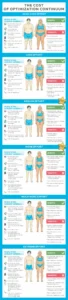
Resources like the infographic mentioned in the original article, "The True Cost of Optimizing Your Health," aim to demystify this complex landscape. By providing a clear, evidence-informed perspective, it helps individuals distinguish between foundational health strategies and advanced, often costly, protocols with diminishing returns. The accompanying article, "The True Cost of ‘Optimal’ Health—Here’s what it really takes to live as long and healthy as possible," further elaborates on these principles, grounded in a review of the latest research.
For those seeking to understand their personal health trajectory and identify the most impactful changes, assessments like "The Longevity Assessment" can offer valuable insights, guiding individuals toward actions that will make the biggest difference for their specific circumstances. These tools are designed to empower individuals with actionable, sustainable strategies rather than promoting an unattainable ideal of perfection.
Finally, the discussion extends to those who guide others in their health journeys. For coaches and health professionals, the imperative is to help clients build sustainable nutrition and lifestyle habits. This involves focusing on long-term adherence and overall well-being rather than chasing fleeting trends or extreme measures. Programs like the PN Level 1 Nutrition Coaching Certification equip professionals with the knowledge and skills to implement evidence-based, client-centered approaches, ensuring that the pursuit of health and longevity enhances, rather than detracts from, a client’s quality of life.
In conclusion, while the pursuit of health optimization is a natural human endeavor, a discerning approach is essential. The most profound and sustainable improvements in health and longevity are typically achieved through consistent application of well-established lifestyle principles. Critical evaluation of wellness claims, a focus on evidence-based practices, and an understanding of the true costs and trade-offs involved are paramount to navigating the complex path to a longer, healthier, and more enjoyable life.