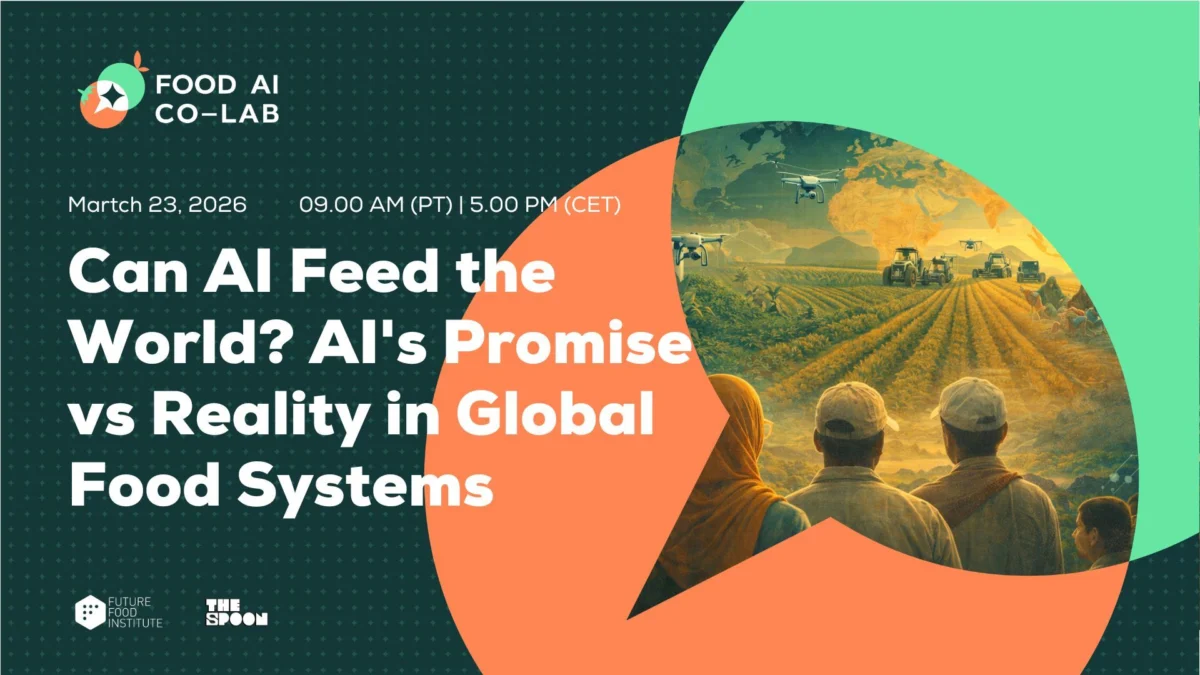

The global discourse surrounding Artificial Intelligence (AI) and its transformative impact on the food sector often centers on innovations emerging from developed economies and major technological hubs. However, a more expansive view reveals that the profound implications of AI for food systems, particularly in addressing widespread hunger and malnutrition, necessitate a different set of questions and priorities. This was the central theme of a recent "Food AI Co-Lab" event, featuring David Laborde, Director of the Agrifood Economics Division at the Food and Agriculture Organization of the United Nations (FAO). The discussion aimed to explore how AI can make a tangible difference in regions where foundational infrastructure, such as reliable internet connectivity and robust data systems, remains a significant challenge.
The urgency of this conversation is underscored by stark global realities. As of recent estimates, approximately 673 million people worldwide face chronic hunger, a number that has seen an alarming resurgence in recent years after decades of decline. Furthermore, over 2.6 billion individuals lack access to a healthy diet, a critical indicator of nutritional inadequacy and its associated health consequences. While the allure of cutting-edge technological advancements is undeniable, the functioning of the global food system is intrinsically linked to a complex interplay of factors that extend beyond innovation. Climate shocks, geopolitical conflicts, and persistent economic instability significantly shape food availability, accessibility, and affordability.
The Global Food Challenge: A Foundation for AI Integration
Understanding the scale of the challenge is crucial for appreciating the potential role of AI. The FAO’s "The State of Food Security and Nutrition in the World" reports have consistently highlighted the persistent nature of hunger and malnutrition. For instance, the 2023 edition of the report indicated that the number of undernourished people globally had risen from 572 million in 2015 to 735 million in 2022. This trend is exacerbated by the increasing frequency and intensity of extreme weather events, such as droughts and floods, which disrupt agricultural production and supply chains. Conflict zones, too, disproportionately affect food security, leading to displacement, loss of livelihoods, and restricted access to essential resources. Economic downturns, inflation, and poverty further compound these issues, making nutritious food a luxury for many.
Against this backdrop, the integration of advanced technologies like AI presents both opportunities and profound ethical considerations. The prevailing narrative often focuses on AI’s ability to optimize supply chains, enhance crop yields through precision agriculture, and personalize dietary recommendations. While these applications are valuable, they predominantly benefit regions with advanced technological infrastructure and well-established data ecosystems. The "Food AI Co-Lab" sought to shift this perspective, focusing on how AI can be leveraged in contexts where these prerequisites are not readily available.
Bridging the Digital Divide: AI in Resource-Constrained Environments
David Laborde’s expertise at the FAO provides a unique vantage point on the intersection of technology, economics, and food security. His division is instrumental in providing policy advice and technical assistance to member states, with a particular emphasis on agricultural economics and the socio-economic aspects of food systems. The "Food AI Co-Lab" conversation, therefore, was not merely a speculative discussion about future possibilities but a grounded exploration of practical applications and necessary preconditions.
Key discussion points revolved around the critical issues of data ownership and farmer rights. In many developing regions, agricultural data is often collected and utilized without explicit consent or fair compensation to the farmers who generate it. The advent of AI, which thrives on vast datasets, amplifies these concerns. Ensuring that farmers retain ownership of their data, understand how it is being used, and benefit equitably from its application is paramount. This includes establishing transparent data governance frameworks and empowering local communities to control their agricultural information.
A Chronology of Emerging Challenges and Technological Responses

The journey towards leveraging AI for global food security can be viewed through a chronological lens, marked by escalating challenges and evolving technological responses:
- Early 21st Century (Pre-2015): Focus on traditional agricultural development, food aid, and the initial phases of digital agricultural tools. Awareness of the digital divide was growing, but AI was not a significant factor in food security discussions.
- Mid-2010s (2015-2020): Increased recognition of climate change impacts on agriculture. Emergence of early AI applications in developed agricultural sectors (e.g., predictive analytics for weather, early pest detection). Growing concern over rising global hunger numbers after years of decline.
- Late 2010s – Early 2020s (2020-Present): The COVID-19 pandemic exposed vulnerabilities in global food supply chains. Increased focus on resilience and sustainability. AI adoption in agriculture accelerates in developed nations, leading to discussions about its potential for equitable distribution and impact in developing regions. The "Food AI Co-Lab" emerges as a platform to address this gap.
- Future Outlook (Post-2025): Continued development of AI technologies, with a growing emphasis on ethical AI, data privacy, and inclusive innovation. Potential for AI to play a more direct role in addressing food insecurity if the foundational challenges of infrastructure, data governance, and digital literacy are addressed.
The FAO’s Perspective: Building Resilient and Sustainable Systems
The FAO’s involvement in such discussions is not incidental. The organization has long been at the forefront of efforts to combat hunger and promote sustainable agriculture globally. Its mandate includes providing data and analysis on global food security, developing policies and standards, and offering technical assistance to countries. Laborde’s role as Director of the Agrifood Economics Division places him at the nexus of these efforts, bridging economic realities with technological possibilities.
The conversation emphasized that the successful integration of AI in food systems, especially in vulnerable regions, hinges on building resilient and sustainable systems. This requires a multi-faceted approach that goes beyond simply deploying technology. It involves:
- Infrastructure Development: Investing in reliable internet connectivity, affordable computing power, and digital literacy programs in rural and underserved areas.
- Data Accessibility and Standardization: Creating accessible, standardized, and secure agricultural datasets that can be utilized by AI models, while respecting data sovereignty.
- Capacity Building: Training local experts, farmers, and policymakers in the use and application of AI tools and understanding their implications.
- Ethical Frameworks: Developing clear guidelines for data ownership, privacy, algorithmic bias, and the responsible deployment of AI in agriculture.
- Partnerships: Fostering collaborations between governments, private sector technology providers, research institutions, and civil society organizations to ensure inclusive development and equitable access.
Inferred Reactions and Broader Implications
While direct quotes from other parties were not provided in the original text, the nature of the discussion suggests potential reactions and implications from various stakeholders:
- Technology Developers: The event likely served as a call to action for tech companies to consider the specific needs and constraints of developing markets. This could lead to the development of more context-specific AI solutions, such as low-bandwidth applications or AI models trained on diverse datasets.
- Policymakers: The discussion highlights the need for proactive policy development related to AI and agriculture. Governments in developing countries, with FAO support, may be spurred to create national strategies for AI adoption that prioritize food security and farmer empowerment.
- Farmer Organizations: The emphasis on data ownership and farmer rights would likely resonate strongly with farmer associations. They may advocate for greater involvement in the design and implementation of AI solutions to ensure their interests are protected.
- International Development Agencies: Organizations focused on poverty reduction and sustainable development may see this as a critical area for investment and collaboration, recognizing the potential of AI to accelerate progress towards the Sustainable Development Goals.
The implications of this shift in focus are profound. By prioritizing the application of AI in regions facing the most acute food insecurity, the global community can move beyond incremental improvements in already advanced agricultural systems. It presents an opportunity to leapfrog traditional development stages and address systemic issues of hunger and malnutrition more effectively.
The Path Forward: A Call for Inclusive Innovation
The "Food AI Co-Lab" with David Laborde served as a critical reminder that technological progress must be guided by human needs and ethical considerations. The potential for AI to revolutionize food systems is immense, but its true value will be realized only when it is harnessed to serve the most vulnerable populations. The conversation underscored that building resilient, sustainable, and equitable food systems in a world grappling with climate change, conflict, and economic instability requires a deliberate and inclusive approach to technological adoption. The journey to leveraging AI for global food security is complex, but by focusing on foundational infrastructure, robust data governance, and equitable access, significant strides can be made towards a future where no one goes hungry. The registration link provided for the event—https://streamyard.com/watch/3YpF42G6ctMM—underscores the ongoing commitment to fostering such vital dialogues and encouraging broader participation in shaping the future of food.