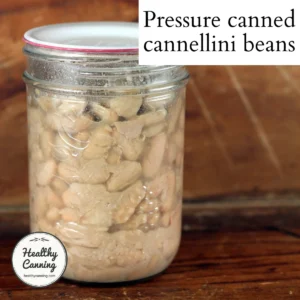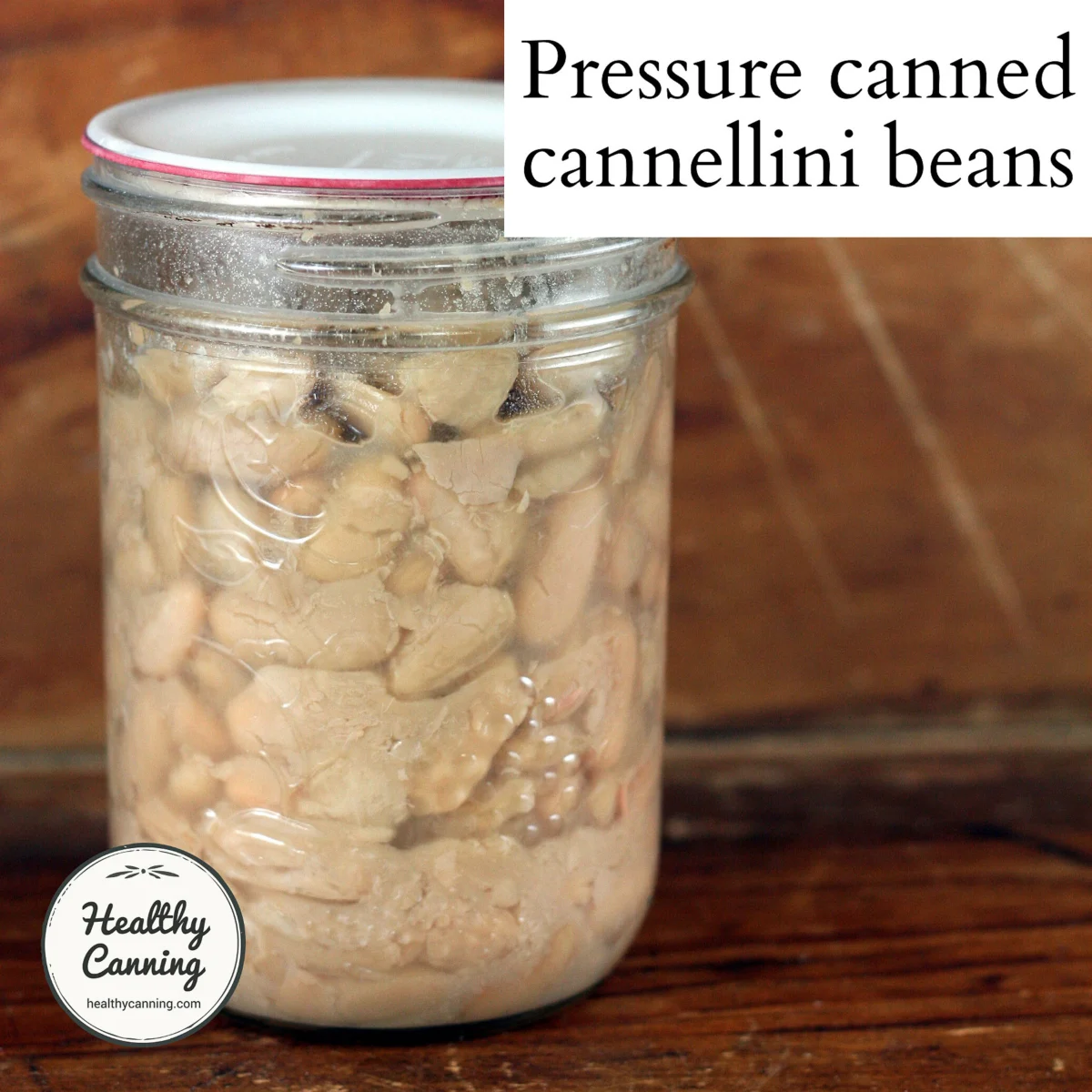

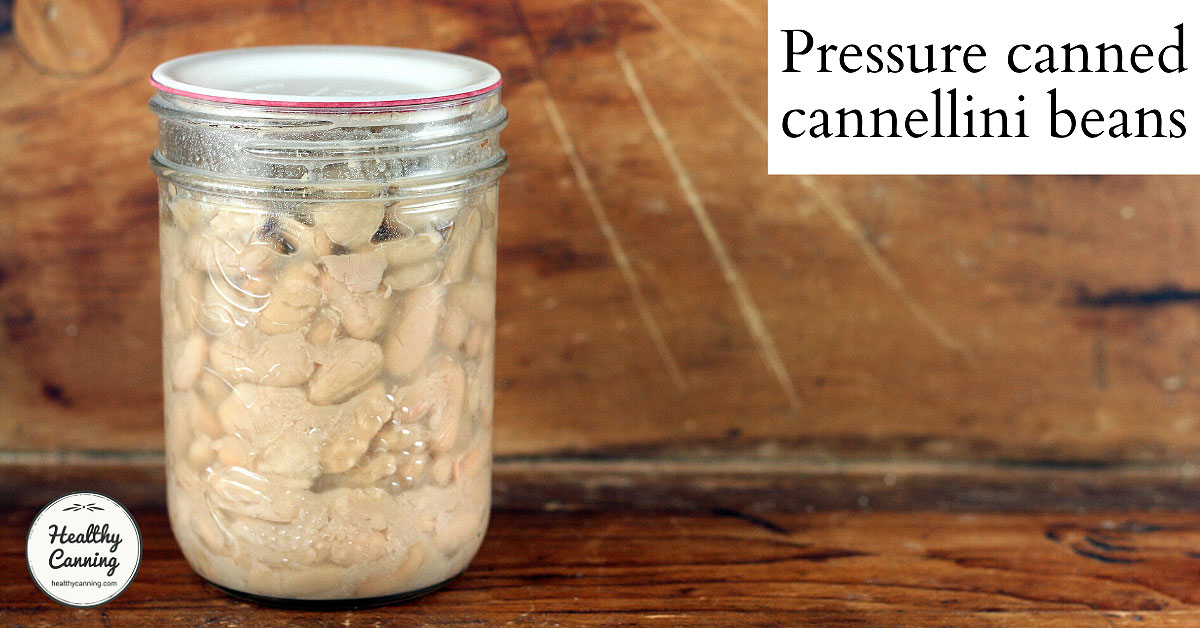
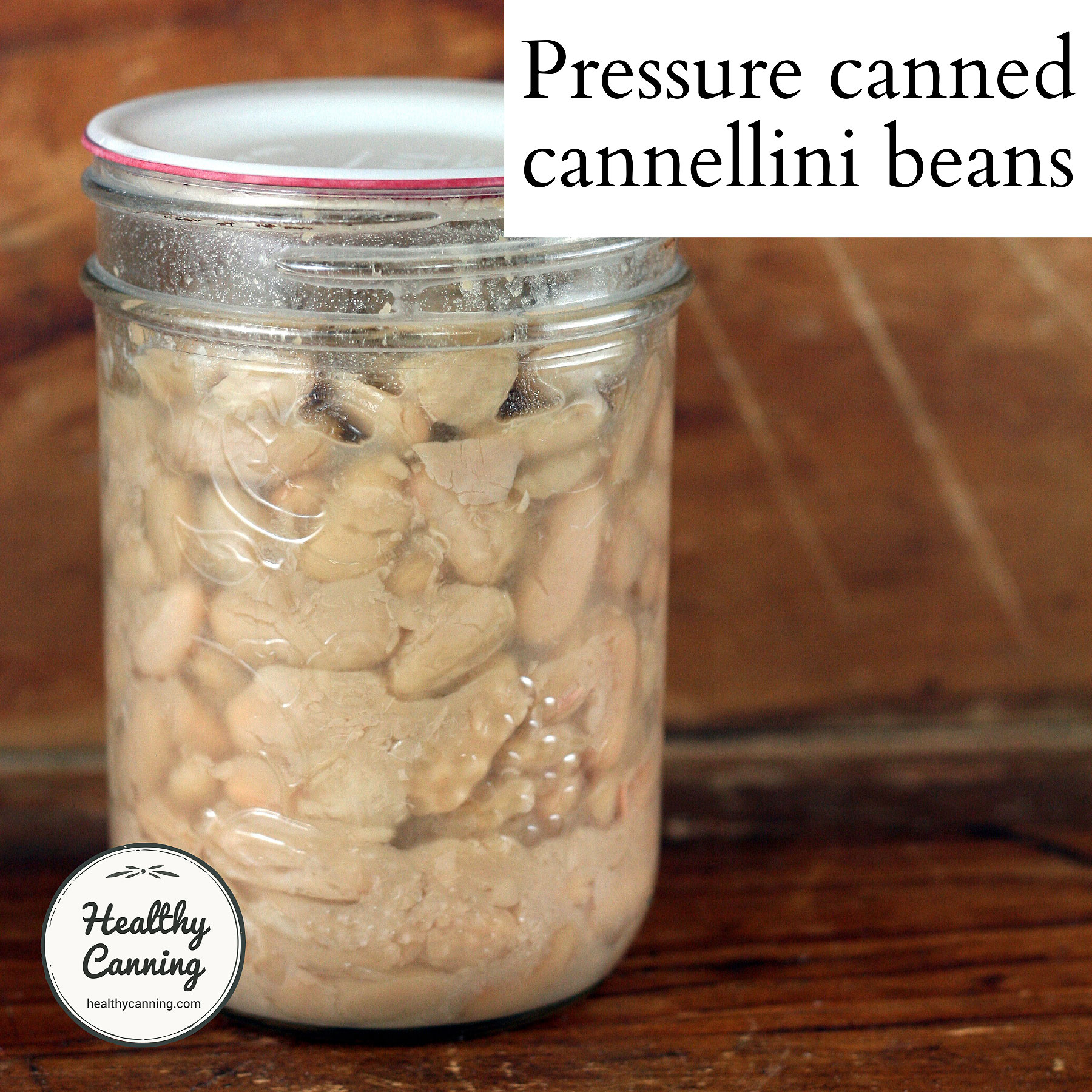
The practice of home food preservation has seen a significant resurgence as consumers seek to manage food costs, control ingredient quality, and improve household food security. Among the most versatile staples for the home pantry is the cannellini bean, also known as the white kidney bean. While commercially canned beans are readily available, home pressure canning offers a way to process bulk-purchased dried beans into convenient, ready-to-use servings. However, the process requires strict adherence to scientifically validated protocols to ensure both the safety and quality of the final product. According to the United States Department of Agriculture (USDA) and the National Center for Home Food Preservation (NCHFP), low-acid foods such as cannellini beans must be processed using a pressure canner to eliminate the risk of foodborne illnesses, specifically botulism.
The Scientific Necessity of Pressure Canning
Cannellini beans, like all legumes, are low-acid foods, typically possessing a pH level well above 4.6. This classification is critical in the field of food microbiology. In low-acid environments, the spores of Clostridium botulinum—the bacterium responsible for botulism—can thrive if they are not destroyed by sufficiently high temperatures. While water-bath canning reaches a maximum temperature of 212°F (100°C), the spores of C. botulinum can only be reliably destroyed at temperatures of 240°F (116°C) or higher.
Achieving these temperatures requires the use of a pressure canner, which utilizes steam under pressure to elevate the internal temperature of the jars. The USDA’s "Complete Guide to Home Canning" (Agriculture Information Bulletin No. 539) serves as the primary authority for these safety standards. For cannellini beans, the processing time is substantial—ranging from 75 to 90 minutes depending on jar size—to ensure that heat penetrates to the very center of the beans, which become denser and more compact during the cooking process.
Preparation Chronology: From Dried Legume to Preserved Staple
The transition of dried cannellini beans into a shelf-stable canned product involves a specific chronology of steps designed to ensure uniform rehydration and safety.
Phase 1: Sorting and Rehydration
The process begins with thoroughly rinsing the dried beans and removing any stones, debris, or damaged legumes. Rehydration is the most critical preparatory step. Dried beans must be fully hydrated before they are placed in jars; otherwise, they will continue to absorb liquid during the canning process, leading to under-processed food or broken seals.
There are two primary methods for rehydration:
- The Overnight Soak: Beans are placed in a large pot, covered with water, and allowed to sit for 12 to 18 hours in a cool place.
- The Quick Soak: Beans are brought to a boil for two minutes, then removed from heat to soak for one hour.
Following the soak, the water is drained and replaced with fresh water. The beans are then boiled for 30 minutes. This pre-cooking step ensures the beans are hot when they enter the jars, which is vital for maintaining the "hot pack" temperature requirements that the USDA processing times are based upon.
Phase 2: Jarring and Headspace Management
Once the beans are boiled, they are packed into sterilized jars. For cannellini beans, the USDA recommends leaving 3 cm (1 inch) of headspace. Headspace is the empty space between the top of the food and the underside of the lid. This gap is necessary to allow for the expansion of the beans and the liquid as they are subjected to high pressure. Insufficient headspace can cause the contents to bubble over the rim, preventing a proper vacuum seal.
Phase 3: The Venting and Pressurization Process
After the jars are placed in the pressure canner, the unit must be vented. This involves allowing steam to escape from the vent pipe for 10 minutes before the weight or pressure regulator is applied. This ensures that the atmosphere inside the canner is pure steam, which is a more efficient heat conductor than an air-steam mixture. Once the 10-minute venting period is complete, the canner is brought to the appropriate pressure—typically 10 to 11 pounds per square inch (psi) at sea level.
Technical Specifications and Altitude Adjustments
Safety in home canning is not a "one-size-fits-all" metric. Processing times and pressures must be adjusted based on the altitude of the user, as the boiling point of water decreases as altitude increases. Failure to adjust for altitude results in under-processing, which poses a significant health risk.
Processing Times by Jar Volume:
- Quarter-litre (1/2 US pint): 75 minutes
- Half-litre (1 US pint): 75 minutes
- One litre (1 US quart): 90 minutes
Pressure Requirements Based on Altitude:
For a weighted-gauge pressure canner, the standard pressure is 10 lbs for altitudes between 0 and 300 meters (0–1,000 feet). For any elevation above 300 meters, the pressure must be increased to 15 lbs. For dial-gauge canners, the adjustments are more incremental, typically requiring 11 lbs at sea level and increasing by 1 lb for every 2,000 feet of additional elevation.
Nutritional Profile and Culinary Implications
Cannellini beans are highly valued for their nutritional density. A standard 130g serving (approximately 1/2 cup) of home-canned cannellini beans, processed without added salt, provides roughly 100 calories. The nutritional breakdown is as follows:
- Protein: 6g
- Fiber: 5g
- Carbohydrates: 17g
- Fat: 1g
- Sodium: 30mg (naturally occurring)
- Potassium: 250mg
The fiber content in cannellini beans is primarily soluble fiber, which has been linked to improved cholesterol levels and blood sugar regulation. Furthermore, they are a rich source of essential minerals such as iron and calcium.
However, home-canners should be aware of the textural changes that occur during the 75-to-90-minute high-pressure cycle. Cannellini beans have a thinner skin than black beans or chickpeas. Consequently, the long processing time causes the beans to become very soft. From a culinary perspective, this makes them less ideal for cold bean salads where structural integrity is required. Instead, home-canned cannellini beans are best suited for soups (such as Pasta e Fagioli), stews, and spreads like white bean hummus or pâté, where their creamy texture is an asset.
Economic and Environmental Impact
The shift toward home canning cannellini beans is often driven by economic factors. Dried beans are significantly cheaper per pound than their commercially canned counterparts. By processing beans at home, a household can reduce its grocery expenditure while also reducing environmental waste associated with single-use tin cans. Furthermore, home canning allows for the elimination of additives often found in commercial products, such as calcium chloride (used as a firming agent) and high levels of sodium used for preservation and flavor.
Expert Statements and Safety Oversight
Food safety experts and Master Food Preservers emphasize that home canning is a science, not an art. "The primary error in home canning is the use of ‘rebel’ recipes or outdated methods like water-bathing low-acid vegetables," states the collective guidance from university extension programs across the United States. The USDA’s 2015 update to the "Complete Guide to Home Canning" remains the gold standard for these procedures.
Experts also warn against "raw packing" beans—putting dried, unsoaked beans directly into jars with water. While some unofficial sources suggest this method, it has not been validated by the NCHFP. The density of the beans and the rate of heat penetration can vary wildly in a raw pack, potentially leaving pathogens alive in the center of the jar. Adhering to the "hot pack" method described in the 2015 USDA guidelines is the only way to ensure a shelf-stable, safe product.
Conclusion: The Role of Home-Canned Staples in Modern Pantries
The ability to home-can cannellini beans provides a bridge between the convenience of "fast food" and the health benefits of "slow food." By dedicating a few hours to the pressure canning process, individuals can create a pantry of ready-to-eat legumes that are free from excess sodium and tailored to their family’s dietary needs.
While the softness of the final product is a notable characteristic, the nutritional value and safety of the food remain uncompromised if the guidelines are followed. As global food supply chains face ongoing volatility, the mastery of pressure canning techniques for staples like cannellini beans represents a vital skill in the pursuit of self-sufficiency and health-conscious living. For those seeking immediate assistance or technical troubleshooting, the Master Food Preserver groups and local university extensions continue to provide essential support to ensure that the tradition of home canning remains a safe and productive endeavor for the modern era.