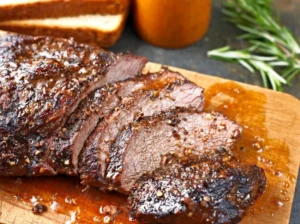

Crafting a perfect Beef Wellington is an undertaking that demands precision, patience, and a deep appreciation for culinary artistry. This iconic dish, a tender fillet of beef encased in a rich pâté or duxelles, and finally enveloped in golden, flaky puff pastry, represents a pinnacle of celebratory dining. However, the journey doesn’t end with the final bake. To truly elevate this already magnificent creation, the right accompaniments are essential. This guide explores a curated selection of sauces and side dishes designed to complement, rather than compete with, the inherent richness and complexity of Beef Wellington, ensuring a dining experience that is both harmonious and unforgettable.
The Art of Pairing: Harmonizing Flavors with Beef Wellington
The inherent opulence of Beef Wellington, with its buttery pastry, savory beef, and earthy mushroom duxelles, calls for accompaniments that can either echo its depth or provide a refreshing counterpoint. The goal is to create a symphony of flavors and textures, where each element enhances the overall dining experience. This involves understanding the core components of Beef Wellington and selecting pairings that respect its delicate balance.
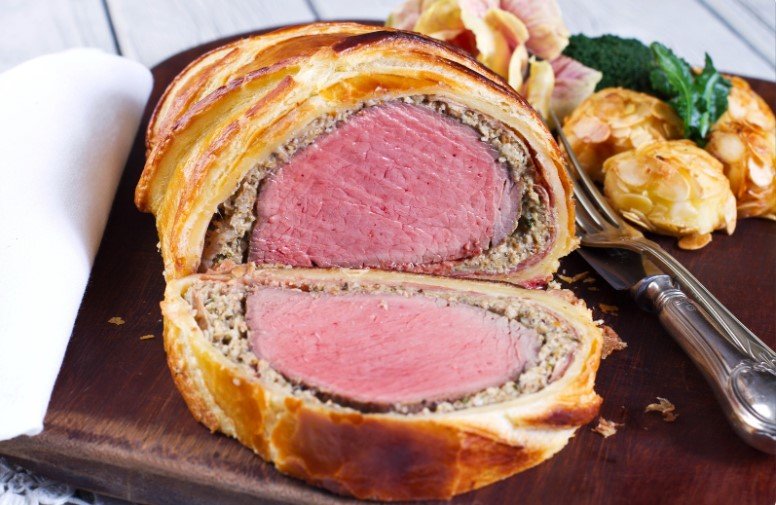
Beef Wellington’s origins are often debated, with some tracing it back to Arthur Wellesley, the first Duke of Wellington, while others suggest French influences, possibly related to the dish filet de bœuf en croûte. Regardless of its precise genesis, its enduring popularity lies in its impressive presentation and luxurious taste. The mushroom duxelles, a finely minced mixture of mushrooms, shallots, and herbs, provides a foundational earthy flavor, while the pâté, if used, adds an extra layer of richness. The beef itself, typically a prime cut like fillet mignon, offers a tender, succulent core. Finally, the puff pastry, when executed correctly, delivers a crisp, buttery exterior.
When considering sauces, the aim is to provide moisture, enhance the beef’s flavor, and add another dimension without overwhelming the palate. For side dishes, the focus shifts to texture, color, and a balance of flavors that cut through the richness or echo the dish’s savory notes.
Elevating the Plate: Sauces Worthy of Beef Wellington
The sauce is often the final brushstroke on the culinary canvas of Beef Wellington. It should be flavorful enough to stand up to the dish’s intensity but refined enough to enhance, not overpower.
The Quintessential Red Wine Reduction Sauce
Few pairings are as classic and as intrinsically suited to a rich beef dish as a red wine reduction. This is not merely a gravy; it’s a concentrated essence of flavor, meticulously crafted to complement the savory notes of the Wellington. Renowned chefs, including Gordon Ramsay, frequently feature this sauce in their Beef Wellington presentations, a testament to its timeless appeal.
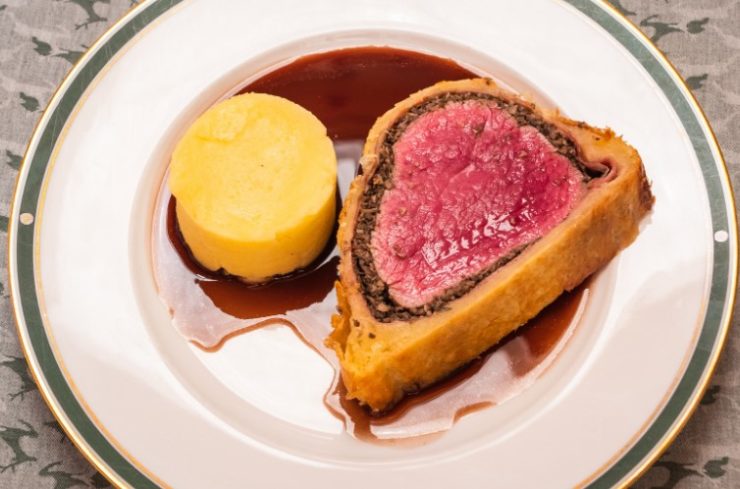
The magic of a red wine reduction lies in its balanced complexity. A robust red wine, such as Cabernet Sauvignon or Merlot, forms the base, its tannins and fruit notes harmonizing beautifully with the beef. Aromatics like garlic and shallots provide a foundational savory depth, while fresh thyme infuses an herbaceous brightness. A touch of balsamic vinegar adds a subtle tang and helps to deepen the color and flavor profile. The process of reduction concentrates these ingredients, creating a glossy, intense sauce that coats the palate luxuriously.
Crucially, a well-made red wine reduction can be surprisingly quick to prepare, often coming together in under 10 minutes – a perfect timeframe for this sauce to be ready as the Beef Wellington rests before slicing. This efficiency is invaluable when the main dish itself requires significant attention.
Pro-Tip: For those who prefer to avoid alcohol or lack wine on hand, a high-quality beef stock can serve as an excellent substitute. The reduction process will still concentrate the flavors, offering a rich and satisfying alternative.
The Earthy Embrace: Creamy Mushroom Sauce
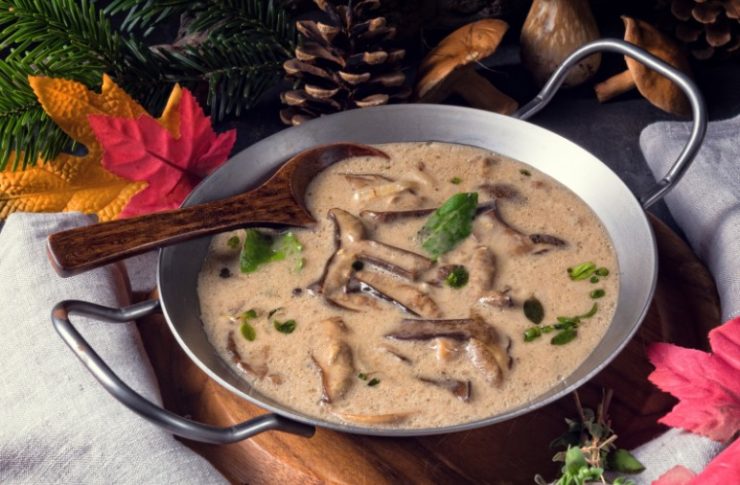
Given that mushroom duxelles are a cornerstone of Beef Wellington, a creamy mushroom sauce offers a natural and synergistic pairing. This sauce amplifies the inherent earthy, umami flavors already present in the dish, creating a cohesive and deeply satisfying experience. It’s a culinary echo, doubling down on what makes the Wellington so appealing.

The beauty of this sauce lies in its simplicity and versatility. It requires minimal ingredients and can be whipped up in mere minutes, making it an ideal last-minute addition. The creamy texture, often derived from heavy cream or a béchamel base, provides a luxurious counterpoint to the crisp pastry and tender beef.
This sauce is also incredibly adaptable. Fresh garlic can be sautéed to introduce a pungent aroma, a splash of white wine can add a subtle brightness, and any leftover fresh herbs from the duxelles preparation can be stirred in for an extra layer of complexity. This adaptability allows home cooks to personalize the sauce to their liking and available ingredients.
Pro-Tip: Soy sauce can be used as a flavorful substitute for some of the umami base if needed, and balsamic vinegar can offer a similar depth if soy sauce is unavailable. When it comes to herbs, thyme is a classic choice, but nearly any dried or fresh herb will lend a welcome aroma and flavor.
The Bold Kick: Decadent Peppercorn Sauce
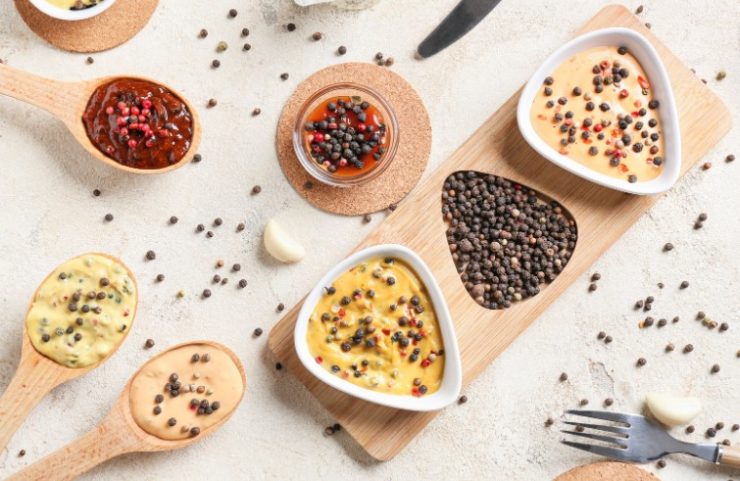
For those who appreciate a sauce with a bit of an assertive edge, a decadent peppercorn sauce delivers a punch that is both exhilarating and complementary to Beef Wellington. This sauce is a rich concoction, typically featuring heavy cream, a generous amount of cracked peppercorns, beef stock, shallots, garlic, butter, and Worcestershire sauce.
The heavy cream is instrumental in mellowing the fiery intensity of the peppercorns, transforming them into a nuanced spice that adds warmth without overwhelming the dish. This creamy base also creates a thick, full-bodied sauce that clings beautifully to the Beef Wellington, ensuring that every bite is imbued with its complex flavor. The shallots and garlic provide a savory foundation, while the Worcestershire sauce adds a depth of umami and a hint of tang.
While this sauce is undeniably delicious on its own, its true potential is unleashed when paired with the rich textures and flavors of Beef Wellington. It transforms the entire dish into an experience of pure indulgence.
Pro-Tip: This sauce’s shallot base makes it a natural companion to the French Green Beans with Shallots recipe, creating a harmonious flavor profile across the plate. The shallots in both dishes will complement each other, and the peppercorn sauce can be drizzled over the beans for an extra layer of indulgence.
The Supporting Ensemble: Five Sides to Complement Beef Wellington
Beyond the sauce, carefully chosen side dishes play a crucial role in balancing the richness of Beef Wellington and providing textural variety. The following five options are selected for their ease of preparation, ability to harmonize with the main dish, and potential to add both color and flavor to the plate.
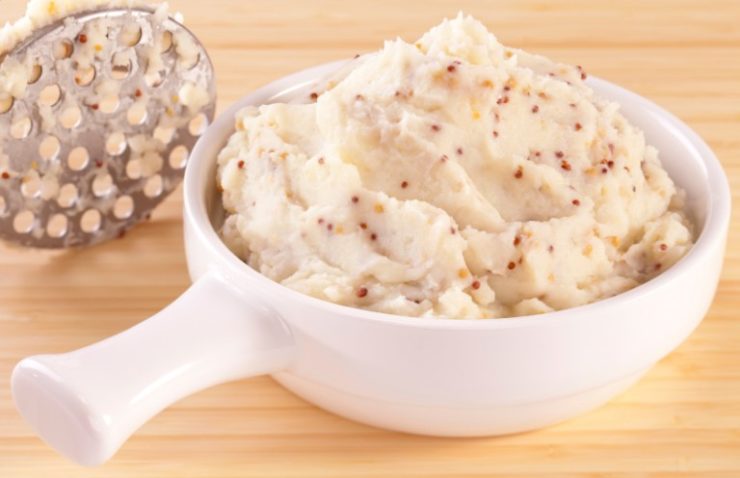
The Comforting Classic: Whole Grain Mustard Mashed Potatoes
Mashed potatoes are a perennial favorite for a reason, and when infused with the tangy zest of whole grain mustard, they become an exceptional partner for Beef Wellington. Dijon mustard is often a subtle component within the Wellington’s duxelles, and these mashed potatoes serve to amplify and celebrate that flavor.
This preparation is designed for simplicity and maximum impact. Using straightforward ingredients, the potatoes are cooked and mashed in a single pot, minimizing cleanup. Furthermore, they can be prepared in advance and gently reheated with a touch of butter and cream before serving, a significant advantage when hosting. The whole grain mustard adds a delightful textural element and a subtle warmth that cuts through the richness of the Wellington without being overpowering.
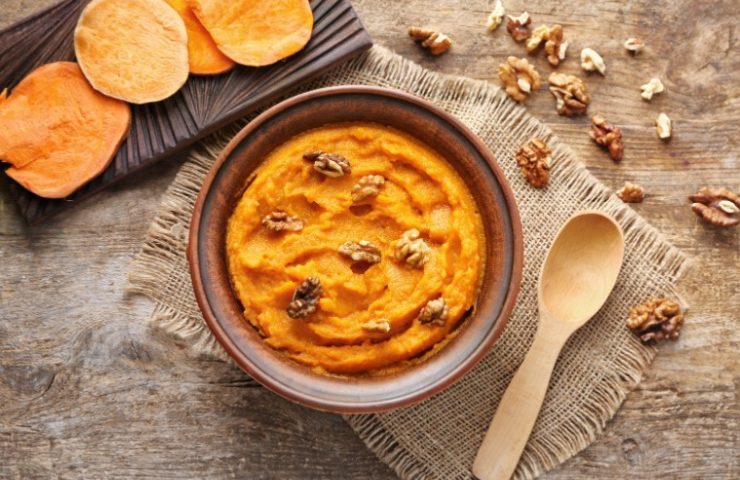
The Vibrant Blend: Roasted Garlic Mashed Sweet Potatoes & Carrots
While another mashed side, this dish offers a distinct flavor profile that complements Beef Wellington beautifully. The natural sweetness of sweet potatoes, enhanced by the mellow, savory notes of roasted garlic, creates a comforting yet sophisticated base. Incorporating pureed carrots adds a vibrant color and a subtle, bright sweetness that balances the earthiness of the mushrooms and the richness of the beef.
This side dish strikes a perfect balance: it’s flavorful enough to be interesting but not so assertive that it competes with the main event. The smooth texture of the mashed vegetables provides a delightful contrast to the crisp pastry and tender meat. It’s a dish that feels both familiar and surprisingly refined.
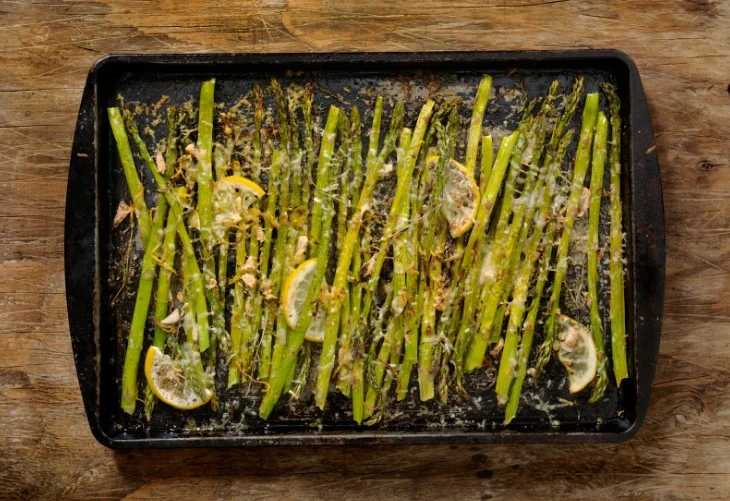
The Fresh Counterpoint: Baked Asparagus with Parmesan
For a lighter, brighter accompaniment, baked asparagus offers an excellent choice. The slight bitterness and crisp-tender texture of asparagus, enhanced by the savory, nutty notes of Parmesan cheese and a hint of lemon, provide a refreshing contrast to the richness of Beef Wellington.
This dish is particularly convenient as it can often be prepared in the oven alongside the Wellington during its final stages of cooking. This multitasking capability is a boon for any host. The addition of lemon juice offers a crucial element of acidity, which is key to cutting through the richness of the beef and pastry, preventing the meal from feeling overly heavy. The combination of textures – the slight crunch of the asparagus, the crisp pastry, and the tender beef – creates a well-rounded dining experience.
The Sweet and Tangy Delight: Honey Balsamic Brussels Sprouts
Brussels sprouts, when prepared correctly, are a culinary revelation, and this honey balsamic rendition is no exception. These sprouts offer a complex flavor profile: they are tender on the inside with delightful crispy, caramelized edges, boasting a balance of sweetness from the honey and a pleasant tang from the balsamic vinegar.
This combination of flavors and textures makes them an ideal partner for Beef Wellington. The slight charring and caramelization add depth, while the sweet and tangy glaze provides a welcome contrast to the savory main course. Their relatively light nature ensures they don’t weigh down the meal, allowing diners to fully appreciate the richness of the Wellington.
Pro-Tip: Be warned, these Brussels sprouts are often so delicious that they might disappear from the serving platter before the main course is even fully enjoyed.
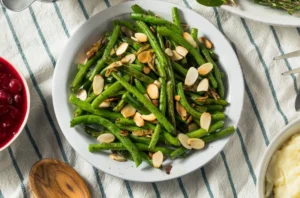
The Elegant Simplicity: French Green Beans with Shallots
Elegance often lies in simplicity, and French green beans with shallots embody this principle perfectly. This dish is straightforward to prepare yet possesses a refined quality that befits a meal of Beef Wellington’s stature. The key to their success is a slow, gentle cooking process in olive oil, which mellows their flavor and results in tender, almost pillowy green beans.
The subtle sweetness and delicate flavor of the shallots, which are slow-cooked to soften and caramelize, add a layer of sophistication without overpowering the dish. This side dish is particularly recommended if you opt for the decadent peppercorn sauce. The shared use of shallots creates a beautiful synergy between the sauce and the side, enhancing the overall flavor harmony of the meal.
Conclusion: Crafting a Memorable Culinary Experience
The preparation of Beef Wellington is a labor of love, a testament to the joy of creating something truly special. By thoughtfully selecting accompanying sauces and sides, this already impressive dish can be elevated to an extraordinary culinary event. The red wine reduction offers classic sophistication, the creamy mushroom sauce provides harmonious earthiness, and the peppercorn sauce delivers a bold, luxurious kick. Complementing these are side dishes that range from the comforting embrace of mashed potatoes to the bright freshness of asparagus and the sweet tang of Brussels sprouts. Each element, when chosen with care, contributes to a balanced, flavorful, and utterly memorable dining experience that honors the magnificence of Beef Wellington.