
In an era defined by personal growth and professional development, the coaching industry has witnessed an unprecedented boom. Amidst this expansive landscape, discerning genuine expertise and effective methodologies becomes paramount. Kate Solovieva, a distinguished figure with a robust background as a former professor of psychology, a Precision Nutrition (PN) master coach, and PN’s director of community engagement, offers a uniquely insightful perspective. Her trenchant observation, “I work with coaches and other people who know too much,” has crystallized into a defining tagline, encapsulating the nuanced challenges faced by professionals in this field. While Solovieva has guided thousands of diverse clients, her particular expertise lies in coaching other coaches, a role that grants her a privileged, front-row view into the common triumphs and missteps encountered across the spectrum of experience, from nascent practitioners to established mentors.
Solovieva’s extensive involvement, spanning her instructional duties with PN’s Level 2 Master Health Coaching Certification, her facilitation of private online coaching communities, and her work within her own private practice, provides an unparalleled vantage point. She possesses an intimate understanding of the operational realities, the aspirations, and the frequent blunders that characterize the coaching journey. Having witnessed countless victories and learning opportunities, Solovieva has identified three pervasive errors that often impede coaches’ potential. Her overarching aspiration, articulated within the framework of this analysis, is to empower her peers to achieve extraordinary success by providing clarity and actionable solutions. This comprehensive examination will delve into these critical coaching mistakes, offering practical strategies to overcome them, thereby fostering a more effective and sustainable coaching ecosystem.
The Evolving Landscape of Professional Coaching
The professional coaching industry has experienced exponential growth over the past two decades, transforming into a multi-billion-dollar global market. According to a 2023 report by the International Coaching Federation (ICF), the global revenue from coaching was estimated to be over $4.5 billion, with a significant increase in the number of practicing coaches worldwide. This expansion reflects a growing societal recognition of the value of personalized guidance in achieving health, career, and life goals. However, this proliferation also presents a unique set of challenges. The ease of entry into the profession, often requiring only basic certification, has led to a saturated market where differentiation and genuine efficacy are critical for survival and success. Many aspiring coaches, driven by a sincere desire to help others, invest heavily in theoretical knowledge, accumulating numerous certifications, often overlooking the practicalities of building and sustaining a viable practice. This focus on academic credentials over applied business skills forms the bedrock of Solovieva’s first critical observation.
Mistake 1: The Pursuit of Knowledge Over Practice – Focusing on Coaching Instead of Selling
A foundational misconception many coaches harbor is the belief that mastery of coaching techniques alone will guarantee a thriving business. Solovieva vividly illustrates this with the metaphor of a three-legged stool, where a successful coaching business requires robust support from three equally crucial pillars: marketing, sales, and coaching. "The vast majority of folks who get into coaching start with the coaching leg," Solovieva notes. "They want to become the best coach they can be, which is amazing. However, to become the best coach you can be, information and theory only get you so far."
This inclination to continually acquire more knowledge, to feel "complete" before engaging clients, is a common pitfall. The academic mindset, often ingrained from traditional educational paths, prioritizes comprehensive understanding before application. However, Solovieva argues, "You cannot become the best coach you can be in a vacuum, talking to yourself in your office." The reality of coaching, like any skill-based profession, is that true mastery is forged through practice, interaction, and real-world client engagement.
The implication of delaying sales in favor of endless learning is significant. Coaches who defer selling their services also defer the invaluable experience of actual coaching. While one might accrue a dozen certifications, a coach who starts selling earlier, even with less theoretical knowledge, will inevitably gain a substantial advantage. They build their business acumen, refine their coaching skills through direct application, and adapt their approaches based on client feedback. This practical experience not only enhances their competence but also builds a client base and generates revenue, creating a virtuous cycle of learning and growth. Data on small business failures often points to a lack of business development and sales skills as a primary factor, underscoring the critical importance of integrating sales into the early stages of a coaching career. A 2022 survey by the Small Business Administration indicated that a significant percentage of new businesses struggle due to inadequate marketing and sales strategies, a reality that equally applies to the solo-preneur model prevalent in coaching.
Solution: Embracing the Role of a Coach, Not Just an Expert
The antidote to this over-reliance on theoretical expertise lies in a fundamental shift in self-perception: coaches must learn to show up as a coach, not solely as an expert. The natural inclination to collect certifications often stems from a desire to feel confident enough to answer "any question that ever comes our way." The fear of not knowing an answer can be paralyzing, leading to the erroneous assumption that a coach must possess encyclopedic knowledge. However, Solovieva clarifies, "When I show up to a coaching conversation, my role is not ‘the expert.’"
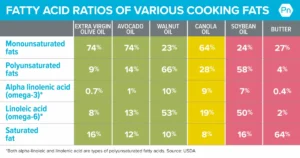
While a baseline of knowledge is non-negotiable (e.g., being able to list protein sources in nutrition coaching), coaches are not expected to be walking encyclopedias of minutiae like the omega-3 to omega-6 ratio in flax oil or the intricacies of the Krebs cycle. More importantly, even when a coach does know the answer, immediate information-dumping can be counterproductive. Solovieva suggests a more strategic approach: "If a client asks you about seed oils, you can simply say, ‘That’s a great question. I can get you some information on that if you’d like, but I’m curious, why do you ask?’"
This technique shifts the focus from mere information transfer to understanding the client’s underlying motivation. An expert might launch into a lecture on the latest research; a coach, however, seeks to uncover the personal relevance of the question. This deeper inquiry might reveal that the client’s interest in seed oils stems from a friend’s weight loss success, leading to the true goal: weight loss. This strategic redirection allows the coach to address the client’s actual needs with more effective, personalized strategies, which may have little to do with seed oils. The implication here is profound: by prioritizing inquiry over immediate answers, coaches foster a collaborative environment, build deeper rapport, and facilitate more meaningful, action-oriented progress. This approach not only makes the coaching process more effective but also liberates the coach from the impossible burden of knowing everything.
Mistake 2: The Empathy Trap – Assuming Clients Mirror Your Path
A second prevalent error among coaches, despite its seemingly obvious nature, is the unconscious assumption that clients are fundamentally similar to themselves. This tendency is particularly insidious when coaches feel a strong rapport or "vibe" with a client, leading to an inadvertent projection of personal values, preferences, and experiences. For example, a coach deeply committed to daily meditation, rigorous exercise, and meticulous meal prep might assume these activities hold the same inherent value for their clients.
Coaches, by nature, are often individuals who prioritize health, wellness, and self-improvement. It is natural to assume that clients seeking their services share these core values. However, Solovieva cautions, "There’s nothing inherently superior about valuing your health. If you do, yes, you’ll probably experience better health and live longer. But not everyone shares those values. That’s a tough one to swallow." This candid acknowledgement highlights a critical truth: clients come from diverse backgrounds, with unique life circumstances, cultural contexts, and personal belief systems. Their motivations for seeking coaching, their definitions of success, and their capacities for change can differ vastly from the coach’s own.
Failure to recognize and respect these individual differences can lead to significant friction. Coaches might inadvertently suggest strategies that are incompatible with a client’s lifestyle, financial situation, cultural norms, or even physical capabilities. This misalignment often results in client frustration, a feeling of being misunderstood, and ultimately, disengagement. For the coach, it can manifest as a sense of failure or inadequacy, perpetuating a cycle of ineffective interventions. Research in health behavior change consistently emphasizes the importance of personalized approaches; a meta-analysis published in the Journal of Medical Internet Research found that interventions tailored to individual characteristics and preferences significantly improve adherence and outcomes. Without this personalized understanding, client retention rates can suffer, undermining both the coach’s reputation and the client’s progress.
Solution: Cultivating Client-Centric Understanding and Individualized Strategies
The counterpoint to assumptive coaching is an unwavering commitment to genuine curiosity and an unbiased approach. Coaches must consciously check their biases at the door, approaching each client interaction with an open mind. This involves asking probing questions designed to elicit the client’s unique perspective, such as: "What inspired you—or pushed you—to come in today?" "Why is that goal meaningful to you?" and "What skills do you have today that might help you achieve your goal? What skills do you feel you might be missing?" The emphasis here is on active listening, allowing the client’s narrative to shape the coaching strategy, rather than imposing a preconceived framework.
This challenge is particularly acute when coaches encounter clients with superficially similar experiences (e.g., being a single parent, training for a marathon, or surviving a serious illness). While shared experiences can foster initial connection, it is crucial not to conflate them with identical internal realities. Solovieva advises acknowledging the commonality while inviting individuality: "I know what [insert shared experience] has been like for me, but what has [insert shared experience] been like for you?" This phrasing validates the client’s experience while creating space for their unique narrative.
Once a clear picture of the client’s values, priorities, and motivations for change emerges, the coach can then assess their readiness, willingness, and ability to undertake specific actions. This assessment must also be free of assumptions. A coach who finds meal prep simple and efficient cannot assume their client will share this perspective. Tools like Precision Nutrition’s "Ready, Willing, and Able Worksheet" provide a structured framework for this critical assessment, helping both coach and client objectively evaluate the feasibility and desirability of proposed actions. By grounding interventions in the client’s reality, coaches ensure that strategies are not only effective but also sustainable, leading to deeper trust, higher adherence, and ultimately, more meaningful and lasting results. This client-centric approach aligns with the ethical guidelines set by professional bodies like the ICF, which advocate for coaching practices that prioritize the client’s agenda and self-discovery.
Mistake 3: The Burden of Outcome – Excessive Attachment to Client Results
The third common pitfall, and perhaps the most emotionally taxing for coaches, is an excessive attachment to client outcomes. This emotional investment is, at its core, a natural byproduct of the coaching profession. As Solovieva points out, "There’s a reason we go into coaching. It’s because we care and we want to help clients. We want to see them succeed." This deep empathy and desire to facilitate positive change are indeed strengths.
However, caring can become a double-edged sword. Coaches meticulously craft plans, guide clients through habit formation, and then send them forth to execute. "And then they walk off and either do the thing or don’t do the thing. That’s brutal," Solovieva states. The inherent lack of control over a client’s execution, regardless of the soundness of the advice or the thoroughness of the plan, can lead to profound frustration, disappointment, and even heartbreak for the coach when clients falter or fail to achieve desired results.
Solovieva acknowledges that this emotional experience is an inevitable part of the job and often signifies that the work holds deep meaning for the coach. It is not something to be entirely avoided. The critical distinction arises when a coach begins "caring more than the client themselves." This imbalance, where the coach’s emotional investment surpasses the client’s, marks the boundary of healthy engagement. Precision Nutrition often conceptualizes this dynamic through "care units"—the amount of time, energy, attention, authenticity, and "heart" a coach invests in their clients. Clients also possess a certain number of care units for their own change and growth. The advice from PN is to "care one care unit less than your client does." This philosophy is not about indifference but about maintaining professional boundaries and preventing burnout, a significant issue in helping professions. A 2021 study on professional burnout highlighted that a lack of clear boundaries and an excessive sense of responsibility for client outcomes are major contributors to emotional exhaustion among professionals.
Solution: Establishing Clear Boundaries and Delineating Responsibilities
The key to navigating this emotional tightrope lies in establishing and maintaining clear boundaries, explicitly delineating the responsibilities of both the coach and the client. "This is where I really like to get really clear on what my role is as a coach," Solovieva emphasizes. By having a precise understanding of their own duties, coaches can perform a self-assessment: "Did I show up? Did I follow up? Did I coach this person to the best of my ability?"
For instance, a coach’s responsibilities typically include: providing structured guidance, offering support and encouragement, delivering relevant educational resources, and maintaining consistent communication. Conversely, the client’s responsibilities involve: actively participating in sessions, implementing agreed-upon actions, providing honest feedback, and communicating challenges or needs.
Crucially, this delineation of responsibilities should occur early in the coaching relationship. Some coaches prefer an open, verbal discussion, while others integrate these expectations into formal contracts, outlining deliverables and client commitments. This initial communication also serves as an effective vetting process for coach-client fit. Solovieva illustrates this: "When I’m having that initial conversation with a prospective client, I can ask, ‘What does accountability look like to you?’ If the client replies, ‘Well, I want you to text me every morning and night, and I want you to make sure I’ve done my workout, and also ship groceries to my house,’ then I will be the one to say, ‘I don’t think this is a good fit.’"
Such early clarity prevents future friction and disappointment. Clients are less likely to feel let down if their assumptions about the coach’s involvement are addressed upfront. Similarly, coaches are protected from burnout by not shouldering more responsibility than is professionally appropriate. This robust framework even safeguards the coach-client relationship in challenging scenarios, such as when a client disengages without warning ("ghosts"). Solovieva’s approach to such situations demonstrates professional detachment: "When somebody doesn’t reply to me, I don’t take it personally. It’s not their job to reply, but it is my job to check in." She maintains consistent, scheduled check-ins across various contact methods until the contract concludes, ending with a supportive message that leaves the door open. This methodical approach upholds professional standards without succumbing to personal distress. The broader implication is a more sustainable career for coaches and a more transparent, effective relationship for clients, contributing to the overall credibility of the coaching profession.
Beyond the Pitfalls: Acknowledging Coach Dedication and Resilience
While this article meticulously dissects common "mistakes," it is imperative to contextualize these observations. The identified pitfalls—the overemphasis on knowledge, the projection of personal values, and the intense emotional investment—are not indicative of professional incompetence. Rather, they are often manifestations of a coach’s profound passion, empathy, and genuine desire to make a difference in clients’ lives. These "mistakes" are frequently a testament to the very strengths that draw individuals to the coaching profession: a deep caring for others and an unwavering commitment to their success.
Therefore, it is crucial for coaches to extend the same understanding and compassion to themselves that they offer to their clients. If a coach recognizes these patterns in their own practice, it is not a cause for self-reproach but an opportunity for growth. The act of self-reflection and the willingness to refine one’s approach are hallmarks of a truly dedicated professional. The coaching industry, like any evolving field, benefits immensely from continuous self-assessment and the adoption of best practices. Recognizing these common challenges and proactively implementing the suggested solutions will not only enhance individual coaching effectiveness but also elevate the professional standards of the entire industry. By embracing these insights, coaches can transform potential limitations into powerful catalysts for personal and professional development, ensuring a more impactful and fulfilling career trajectory.
Broader Impact and Implications
The insights offered by Kate Solovieva hold significant implications for the professional coaching industry. By addressing these fundamental errors, coaches can foster more sustainable practices, reduce personal burnout, and significantly enhance client outcomes. The shift from an expert-centric to a client-centric model, coupled with robust business acumen and clear professional boundaries, will contribute to a more reputable and effective global coaching community. For clients, this translates to more personalized, relevant, and ultimately successful coaching experiences, reinforcing the value proposition of professional guidance. For coaches, it promises a more resilient and rewarding career path, built on a foundation of ethical practice and genuine impact. Professionals seeking to deepen their understanding of these principles and develop sustainable coaching practices are encouraged to explore comprehensive training programs, such as the PN Level 1 Nutrition Coaching Certification, which offers foundational knowledge and practical strategies for thriving in this dynamic field.