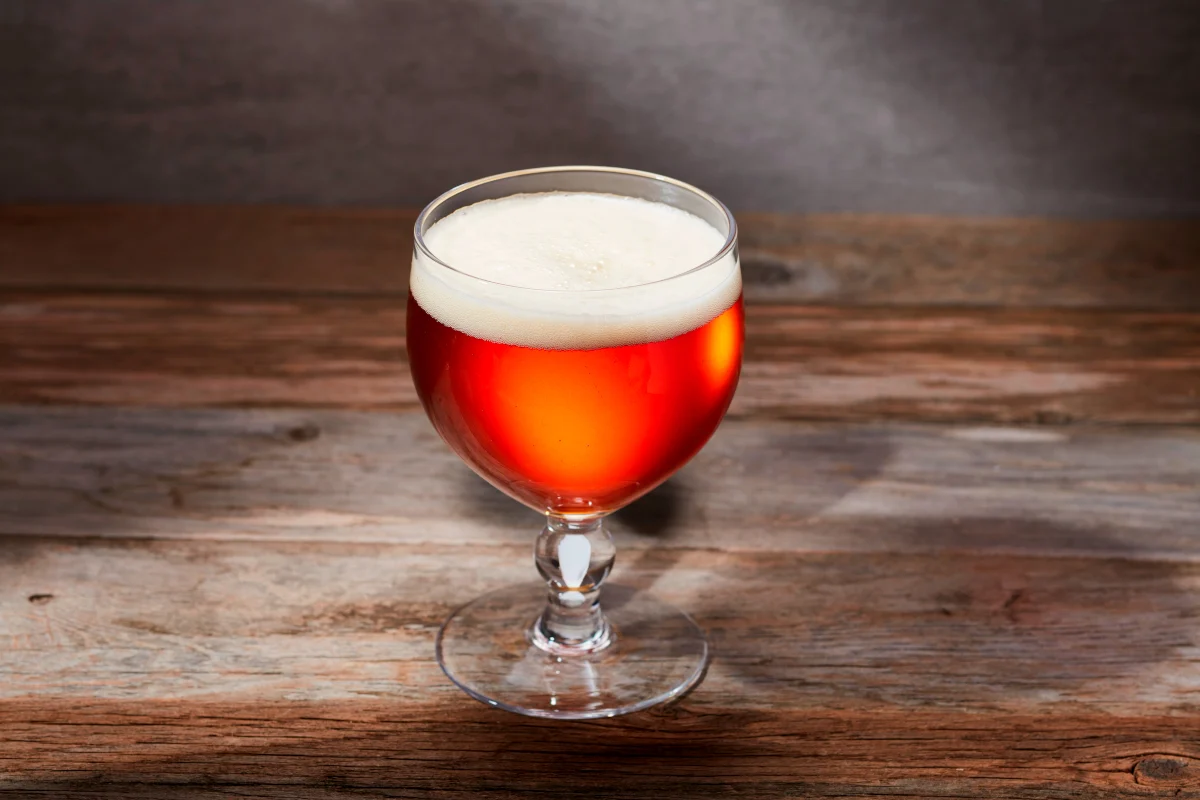

The craft brewing industry has witnessed a significant shift in consumer preferences toward "sessionable" beverages—beers that maintain complex flavor profiles while offering lower alcohol by volume (ABV). A primary example of this trend is the recent publication of technical specifications for a 3.6% ABV Copper Ale, a style that balances the malt-forward characteristics of traditional British ambers with the accessibility of modern light ales. This technical framework provides a comprehensive roadmap for achieving a specific color profile, measured at 12 on the Standard Reference Method (SRM) scale, and a balanced bitterness-to-sweetness ratio characterized by 30 International Bitterness Units (IBUs). By utilizing a combination of dried malt extract (DME) and specialty steeped grains, the methodology emphasizes efficiency and precision, catering to both high-volume home production and small-scale pilot batches in commercial settings.
Technical Specifications and Chemical Composition
The architectural foundation of this Copper Ale rests on its gravity readings and fermentation efficiency. The recipe targets an Original Gravity (OG) of 1.036 (9°P), a relatively low starting point that necessitates careful management of fermentable sugars to ensure the final product does not result in a "thin" mouthfeel. Through the fermentation process, the yeast is expected to attenuate the wort down to a Final Gravity (FG) of 1.008 (2°P). This results in an apparent attenuation rate of approximately 77%, which is typical for clean-fermenting ale yeasts that preserve the subtle nuances of the malt bill.
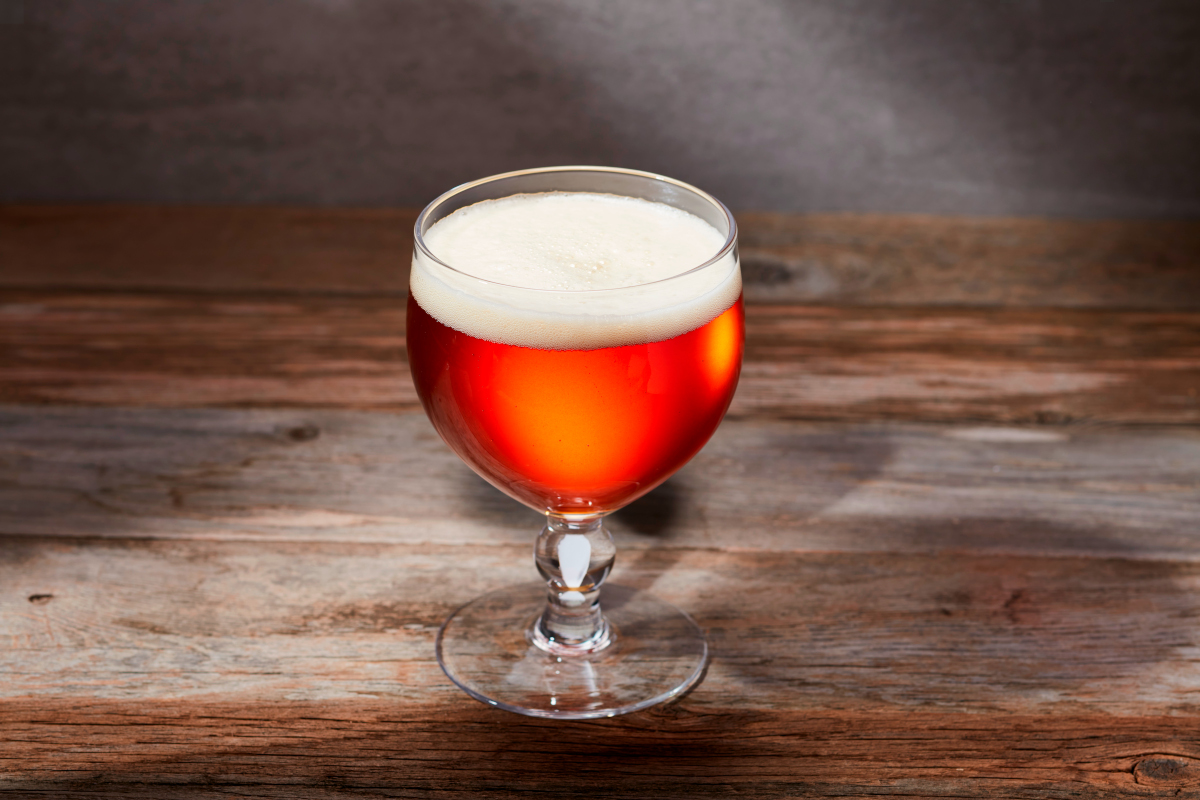
The resulting 3.6% ABV places this beer firmly within the "Ordinary Bitter" or "Session Amber" categories. Despite the low alcohol content, the 30 IBU specification ensures a firm counterpoint to the residual sweetness of the crystal malts. The color, a deep copper represented by SRM 12, is achieved through the controlled steeping of crushed crystal malts, which contribute non-fermentable dextrins and melanoidins through the Maillard reaction during the kilning process.
Historical Context and Style Evolution
The Copper Ale style is a direct descendant of the British Bitter tradition, which rose to prominence in the 19th century as brewers moved away from darker porters and stouts in favor of clearer, paler refreshments. Historically, these beers were served "real ale" style—cask-conditioned and pulled via a hand pump. The modern iteration described in these specifications adapts these traditional roots for the contemporary brewer, utilizing modern extracts and precise temperature controls to replicate the "bready" and "caramel" notes of the English countryside.
In the current market, the resurgence of low-ABV styles is often attributed to a growing "mindful drinking" movement. Consumers are increasingly seeking beverages that allow for social consumption over extended periods without the intoxicating effects of high-gravity India Pale Ales (IPAs) or Imperial Stouts. This Copper Ale serves as a technical benchmark for this movement, proving that flavor complexity is not strictly tied to ethanol content.
Procedural Chronology: The Brewing Process
The production of this Copper Ale follows a rigorous timeline designed to maximize flavor extraction while maintaining microbial stability. The process is divided into four distinct phases: extraction, kettle operations, fermentation, and conditioning.
Phase I: The Extraction of Specialty Grains
The process begins with the steeping of crushed crystal malt in 1.5 gallons (5.7 L) of water. The temperature must be maintained at precisely 150°F (65.5°C) for 30 minutes. This temperature is critical; it is high enough to dissolve the sugars and colors within the caramelized grain but low enough to avoid the extraction of harsh tannins from the grain husks. Following the steep, the grains are strained and "sparged"—rinsed with 170°F (76.5°C) water—to collect a total of 2.5 gallons (9.5 L) of specialty grain liquor, often referred to as "sweet wort."
Phase II: Kettle Operations and Isomerization
Once the extract is collected, dried malt extract is integrated, and the solution is brought to a "full and vigorous boil." This 60-minute boil serves several functions: it sterilizes the wort, coagulates proteins (hot break), and facilitates the isomerization of hop alpha acids.
- 60 Minutes: Bittering hops are added at the start of the boil to provide the foundational 30 IBUs.
- 20 Minutes: Flavor hops are introduced late in the boil to preserve volatile essential oils that would otherwise be lost to evaporation.
- 10 Minutes: Irish moss, a clarifying agent derived from seaweed, is added to assist in protein precipitation, ensuring the final beer achieves the desired clarity.
Phase III: Fermentation and Yeast Management
Post-boil, the concentrated wort is transferred to a sanitized fermenter containing 2 gallons of cold water. This "top-up" method is a standard practice in concentrated-boil brewing, allowing for rapid cooling and volume adjustment to the final 5-gallon (19-L) target. The wort is chilled to 70°F (21°C) before an active yeast starter is pitched.
The primary fermentation phase lasts between 4 to 6 days. During this window, the yeast consumes the majority of the fermentable sugars, producing CO2 and ethanol. The temperature during primary fermentation is vital for preventing the production of off-flavors such as esters (fruity notes) or phenols (spicy/medicinal notes) that might overwhelm the delicate malt profile of a 3.6% beer.
Phase IV: Secondary Aging and Conditioning
Following primary fermentation, the beer is "racked" (transferred) to a secondary fermenter and chilled to 60°F (15.5°C). This secondary phase allows the beer to "brighten" as yeast and remaining proteins settle out of suspension. Finally, the beer is primed with sugar and bottled or kegged. Conditioning occurs at temperatures above 60°F to allow the yeast to consume the priming sugar, creating natural carbonation.
Supporting Data: Ingredient Roles and Chemical Impact
The success of a low-gravity ale depends on the quality of its components. In this specific formulation, each ingredient serves a calculated purpose:
- Crystal Malts: These provide the SRM 12 color and the "body" of the beer. Since they are steeped rather than mashed, they contribute unfermentable sugars that give the beer a perceived thickness, preventing it from tasting like "hop water."
- Dried Malt Extract (DME): This serves as the primary fuel for the yeast. By using DME, the brewer ensures a consistent fermentability profile that can be difficult to achieve with all-grain mashing at such low gravities.
- Irish Moss: The inclusion of this fining agent is essential for the "copper" aesthetic. It carries a negative charge that attracts positively charged proteins, causing them to clump and fall out of solution, resulting in a brilliant, translucent finish.
Industry Implications and Expert Analysis
Brewing analysts suggest that the "Session Copper Ale" represents a bridge between the craft enthusiast and the mainstream lager drinker. According to recent market reports, while IPAs remain the dominant craft style by volume, "easy-drinking" categories including ambers, blondes, and low-ABV bitters are seeing a year-over-year growth of approximately 5-8% in taproom settings.
Industry experts note that brewing a low-gravity beer is often more difficult than brewing a high-gravity one. "In a 9% Double IPA, you can hide flaws behind a wall of hops and alcohol," says one regional brewmaster. "In a 3.6% Copper Ale, there is nowhere to hide. Your sanitation must be perfect, your water chemistry must be balanced, and your fermentation temperature must be exact. Any off-flavor will be immediately apparent to the palate."
The focus on a 5-gallon yield in these specifications also highlights the importance of the homebrewing community as a "Research and Development" wing for the larger industry. Many successful commercial recipes began as 5-gallon experiments, testing the limits of low-gravity drinkability.
Future Outlook: The Rise of Technical Brewing
As the industry moves toward 2026, the emphasis on technical precision in home and professional brewing is expected to intensify. Tools such as digital refractometers, pH meters, and temperature-controlled fermentation chambers are becoming standard. This Copper Ale recipe, with its specific gravity targets and timed hop additions, reflects a broader move toward "science-first" brewing.
The implications of this shift are twofold. First, it ensures a higher level of consistency for the consumer. Second, it allows for greater experimentation within the "session" space. We are likely to see further variations of this Copper Ale incorporating localized honey, alternative grains like rye or oats to enhance mouthfeel, and "biotransformation" hop additions to add modern aromatic layers to this traditional framework.
In conclusion, the 3.6% Copper Ale is more than just a recipe; it is a testament to the sophistication of modern brewing. By balancing the historical weight of British bitters with the technical rigor of contemporary fermentation science, it offers a blueprint for the future of sessionable craft beer. Whether produced in a kitchen or a commercial brewhouse, the adherence to these specifications—OG 1.036, 30 IBU, and SRM 12—ensures a product that is both technically sound and culturally relevant in an evolving beverage market.