
The modern consumer landscape is currently witnessing a significant pivot toward home-based food production, driven by a dual desire for economic efficiency and greater control over nutritional intake. As grocery prices continue to fluctuate, the DIY movement has extended beyond simple meal preparation into the realm of shelf-stable pantry staples, with homemade brownie mixes emerging as a primary example of this trend. By transitioning from pre-packaged, commercial mixes to bulk-prepared home versions, households are reporting savings that reduce costs to pennies on the dollar while simultaneously eliminating the preservatives and high sugar content often found in industrial counterparts.
The Economic and Practical Foundations of DIY Baking Mixes
The primary appeal of a DIY brownie mix lies in its "convenience at the point of use." Unlike traditional baking from scratch, which requires measuring multiple dry ingredients for every session, the bulk preparation of a dry mix allows for a streamlined workflow. A standard yield for a high-efficiency home mix typically produces approximately 8 cups, or 1 kilogram, of dry material. This volume is sufficient to produce five separate pans of brownies, providing a long-term solution for families and frequent entertainers.

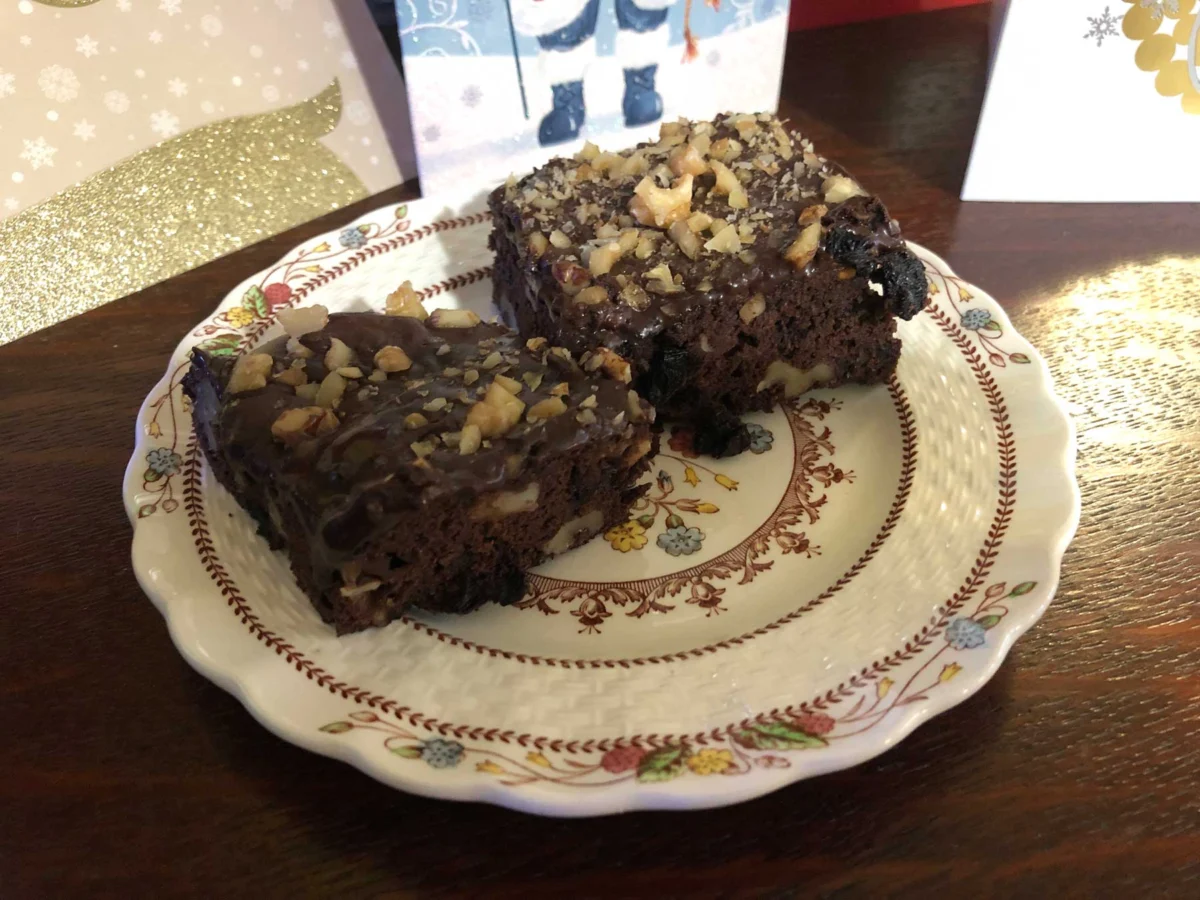
When analyzed through a journalistic lens of consumer value, the cost-benefit ratio is stark. Commercial brownie mixes are often priced not for their raw ingredients—which consist primarily of flour, sugar, and cocoa—but for the branding and the perceived convenience of the packaging. By sourcing these ingredients in bulk, a home baker can produce the equivalent of five store-bought boxes for a fraction of the retail price. Furthermore, the "cake-style" texture of this specific formulation provides a lighter alternative to the denser, "fudge-type" brownies that dominate the commercial market, offering a culinary variety that is often harder to find in the baking aisle.
Nutritional Customization and the Role of Sugar Substitutes
A critical component of the modern DIY baking movement is the ability to tailor recipes to specific dietary requirements, particularly for those managing diabetes or adhering to weight-loss programs. The current formulation utilizes sucralose-based sweeteners, such as Splenda, to achieve a sugar-free profile. This adjustment is not merely a caloric reduction but a fundamental shift in the glycemic impact of the dessert.
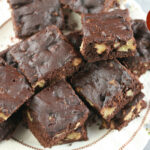
According to nutritional data associated with this mix, a single brownie square (approximately 50 grams or 2 ounces) prepared with Splenda and low-fat margarine contains roughly 116 calories and 8 grams of fat. In contrast, traditional brownies made with granulated sugar and butter can easily exceed 200 calories per serving. For participants in programs like Weight Watchers, the DIY mix translates to a low-impact 2 SmartPoints per brownie, a figure that remains relatively stable even with the addition of walnuts, which brings the count to 131 calories and 10 grams of fat.

The flexibility of the mix allows for various substitutions. For those who prefer traditional sweeteners, 4 cups (900 grams) of granulated white sugar can replace the sucralose. Additionally, the rise of stevia-based products offers another alternative, provided the sweetener is a one-to-one volume replacement. This level of customization is rarely available in commercial products, which are typically formulated for the "average" palate rather than specific health needs.
Chronology of the DIY Pantry Movement
The shift toward homemade mixes can be traced through several distinct phases of consumer behavior over the last century:
- The Pre-Industrial Era: Before the 1940s, almost all baking was done from raw components. Knowledge of leavening agents and ratios was a standard household skill.
- The Rise of Convenience (1950s–1990s): The post-war era saw the explosion of the "boxed mix." Brands marketed these products to busy suburban households, emphasizing speed over cost or nutritional transparency.
- The Transparency Shift (2000s–2010s): Increasing awareness of the health risks associated with trans fats, high-fructose corn syrup, and artificial preservatives led consumers to begin scrutinizing ingredient labels.
- The Modern DIY Renaissance (2020–Present): Global supply chain disruptions and inflationary pressures, combined with a digital exchange of culinary information, have solidified the DIY mix as a staple of the "modern pantry."
This timeline illustrates that the current interest in DIY brownie mixes is not a passing fad but a return to self-sufficiency, modernized by contemporary nutritional science and more efficient storage methods.
Technical Specifications and Preparation Standards
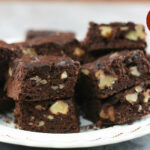
To ensure consistency and safety, the preparation of the mix must follow specific ratios. A single batch of brownies derived from the bulk mix typically weighs about 420 grams (15 ounces) once prepared, excluding the weight of the pan. When sliced into a standard nine-square grid, each portion provides a consistent 50-gram serving.
The instructions for utilizing the mix emphasize the "dump and stir" method, which replicates the ease of commercial products. Bakers are encouraged to maintain a stock of this mix in airtight containers, which preserves the integrity of the cocoa and prevents the flour from absorbing ambient moisture. This storage capability is essential for maintaining the "convenience" factor that originally made store-bought mixes popular.
Public Health and Food Safety: The Raw Flour Concern
A significant point of emphasis for food safety advocates and health journalists is the handling of raw flour. While much of the public’s attention regarding foodborne illness is focused on raw meat or eggs, raw flour is an agricultural product that has not been treated to kill pathogens such as E. coli or Salmonella.

The DIY brownie mix process involves the handling of significant quantities of dry flour. Professional guidelines state that consumers should regard raw flour with the same caution as raw poultry. This includes washing hands, utensils, and surfaces after the mixing process. Since the brownies are eventually baked, the heat of the oven serves as the "kill step" for any bacteria; however, the danger lies in the "sneaky" consumption of raw batter or the cross-contamination of kitchen surfaces during the dry-mixing phase. Journalists and health experts continue to reiterate this warning to ensure that the DIY movement does not lead to an uptick in preventable foodborne illnesses.
Market Analysis: DIY vs. Commercial Retail
Economic analysts observe that the "DIY Brownie Mix" phenomenon is a micro-indicator of a larger "de-branding" of the American pantry. As brand loyalty wanes in the face of rising costs, consumers are discovering that the "secret formulas" of major food corporations are often simple combinations of basic commodities.
The implications for the retail sector are notable. Companies that once relied on the high-margin sales of convenience mixes are now seeing competition from the "information economy," where recipes for these mixes are shared freely online. In response, some brands have attempted to launch "clean label" mixes, but these often come at a premium price point that fails to compete with the sheer cost-effectiveness of a home-mixed 1-kilogram batch.
Broader Implications for Sustainability and Lifestyle
Beyond the financial and health benefits, the DIY approach to baking staples has positive implications for environmental sustainability. Commercial brownie mixes contribute to a significant amount of "single-use" waste, including cardboard boxes and plastic internal liners. By creating a bulk mix at home and storing it in reusable glass jars or large-scale containers, a household can significantly reduce its carbon footprint and household waste output.
Furthermore, the DIY mix facilitates a more inclusive social environment. Hosts can easily prepare a batch of brownies that are specifically tailored to the dietary restrictions of their guests—whether that means using a gluten-free flour base or a zero-calorie sweetener—without having to hunt for specialized and expensive products at the store.
Conclusion: The Future of the Homemade Pantry
The DIY brownie mix represents a convergence of traditional domestic skills and modern health consciousness. As consumers become more adept at managing their own food supply chains, the reliance on industrial food processing is likely to continue its decline in favor of customizable, cost-effective, and transparent home alternatives.

By understanding the ratios, nutritional impacts, and safety protocols associated with bulk baking mixes, the modern baker is equipped to navigate an inflationary economy while maintaining a high standard of dietary health. The shift toward these "pantry-ready" solutions signifies a permanent change in the way the public views convenience—no longer as a product to be purchased, but as a system to be built within the home kitchen.