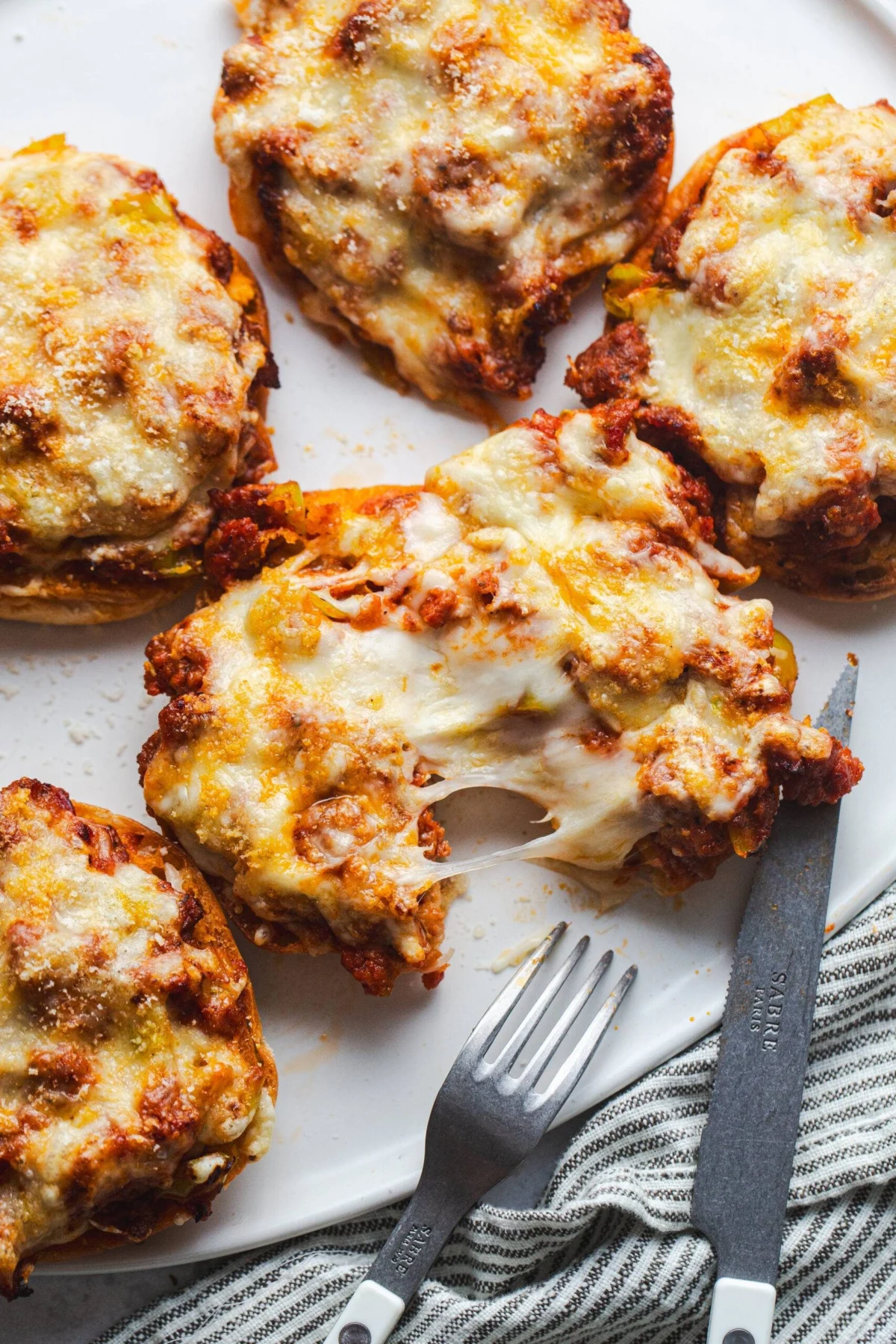

The unassuming "Pizza Burger," a culinary hybrid deeply rooted in Midwestern American home cooking, is experiencing a notable resurgence, bridging generational palates with its blend of convenience and comforting familiarity. Originally a staple of bustling households, lauded for its simplicity and universal appeal, this dish – typically featuring a crisped English muffin base, savory meat sauce, and melted cheese – exemplifies a broader trend towards embracing nostalgic, easy-to-prepare meals in contemporary kitchens. Its journey from a grandmother’s freezer stash to a modern-day meal prep favorite underscores its timeless adaptability and significant cultural resonance.
The Genesis of a Midwestern Staple: A Look at the Pizza Burger’s Humble Beginnings
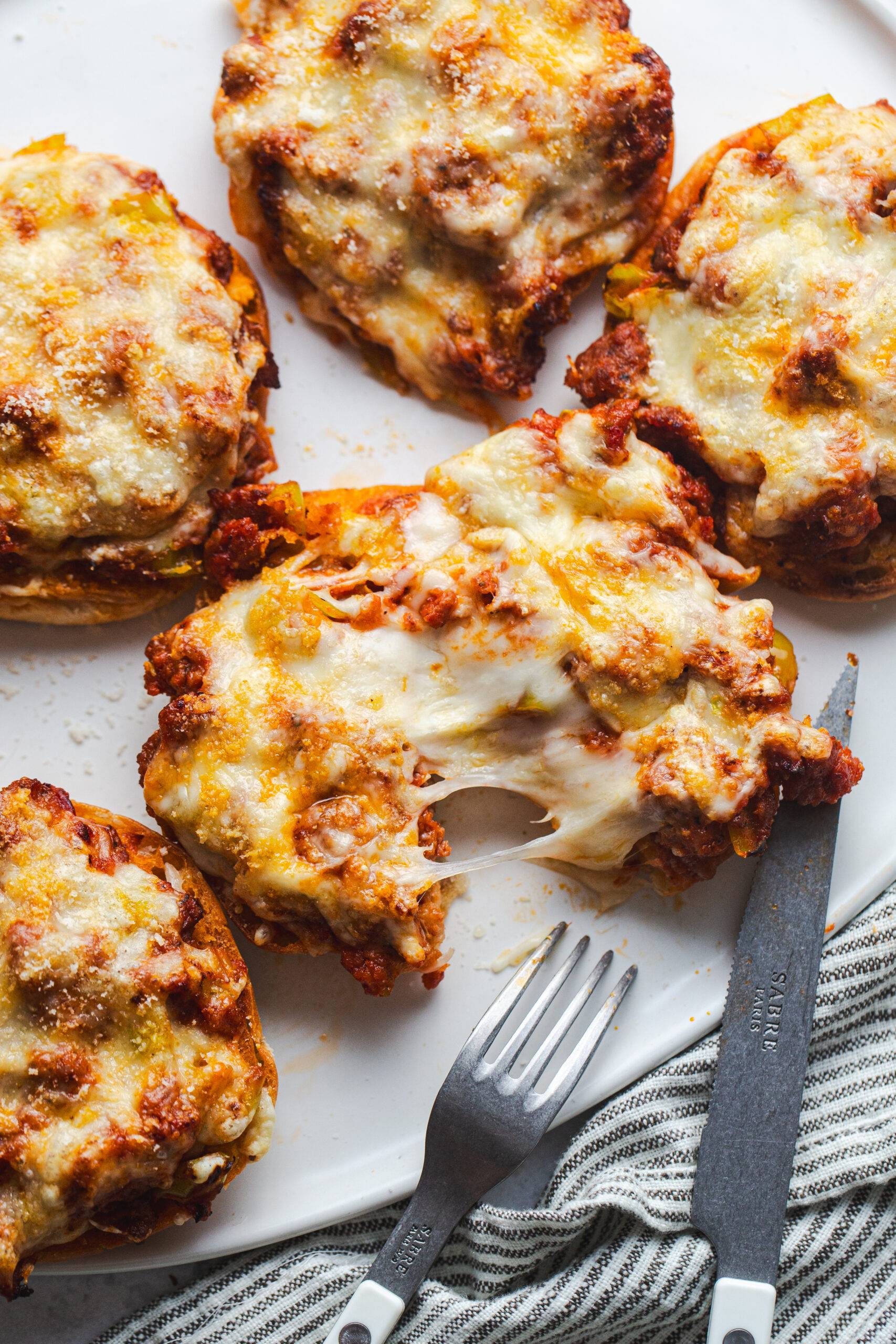
The concept of the "Pizza Burger" speaks to an era of resourceful home cooking, particularly prevalent in the American Midwest during the mid to late 20th century. In a time when families sought economical, hearty, and quick meals, the fusion of two beloved comfort foods – pizza and hamburgers – provided an ingenious solution. While not a formal dish found in classic cookbooks, the "pizza burger" emerged organically in home kitchens, often as a creative way to utilize leftovers or pantry staples. Its foundation on an English muffin was a stroke of pragmatic brilliance, offering a sturdy, pre-portioned base that crisped beautifully under heat, mimicking a pizza crust without the labor-intensive dough preparation. This made it an ideal candidate for busy parents and a universally accepted dish among children.
The "Midwestern mom moment" associated with this dish is not merely a nostalgic quip but a reflection of a distinct culinary philosophy. Midwestern cuisine, often characterized by its practicality, generosity, and emphasis on accessible ingredients, frequently spawned dishes that were both filling and freezer-friendly. The ability to prepare a batch of "pizza burgers," freeze them, and reheat them as needed provided an invaluable convenience for managing family schedules, especially during periods of high activity like the end of the school year. This inherent versatility established the pizza burger as more than just a meal; it became a symbol of efficient, loving home management.
Evolution of a Classic: From Grandma’s Kitchen to Modern Palates

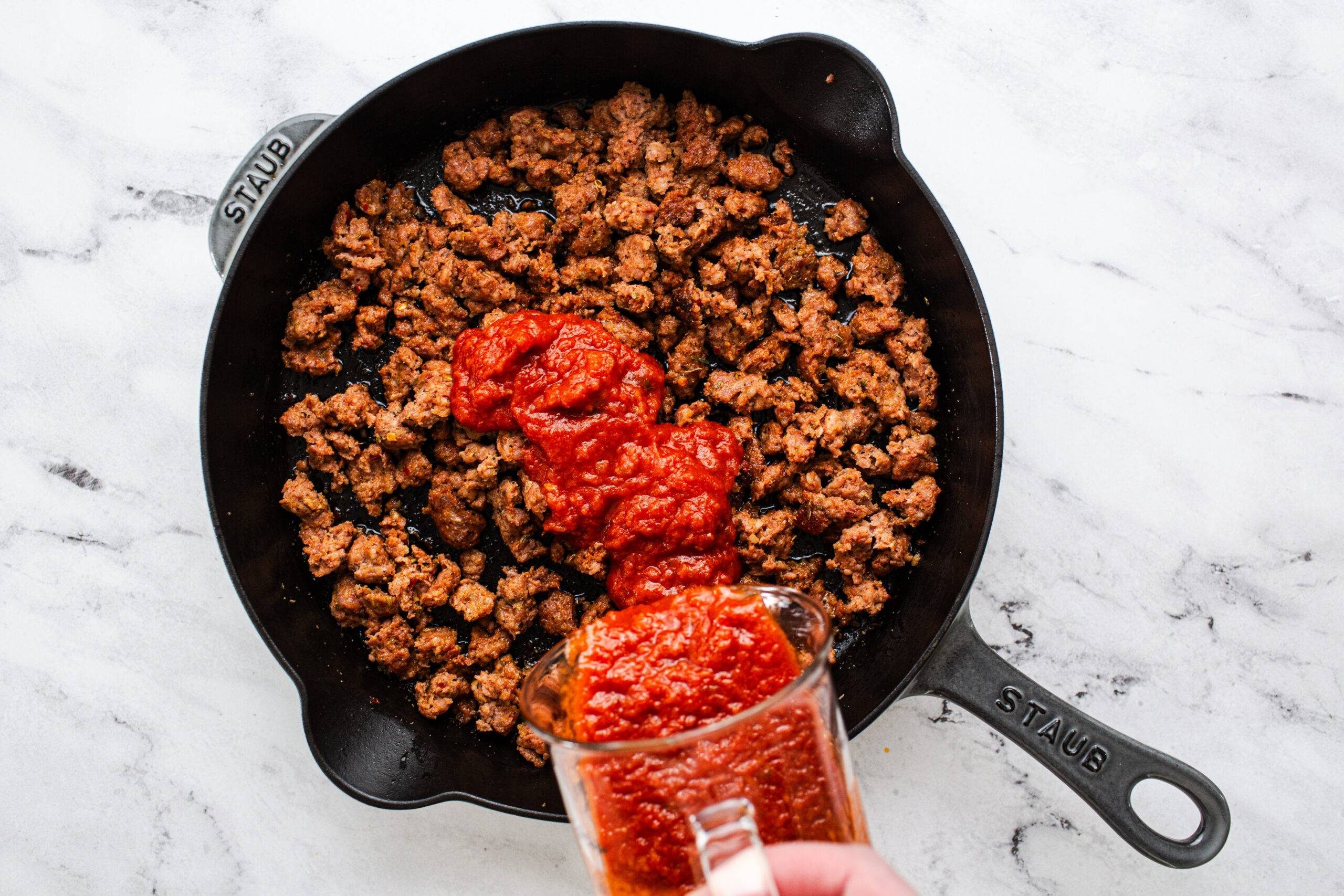
The journey of the pizza burger from its traditional roots to its modern interpretation highlights a fascinating evolution in home cooking practices and ingredient preferences. In its original form, as often prepared by grandmothers, the meat filling typically comprised ground beef, seasoned simply and combined with a basic tomato sauce. The focus was on wholesome, straightforward ingredients and a robust flavor profile that appealed to a wide age range. The English muffin was usually toasted, topped, and baked until the cheese was bubbly and golden. This method prioritized reliability and consistency, ensuring a satisfying meal every time.
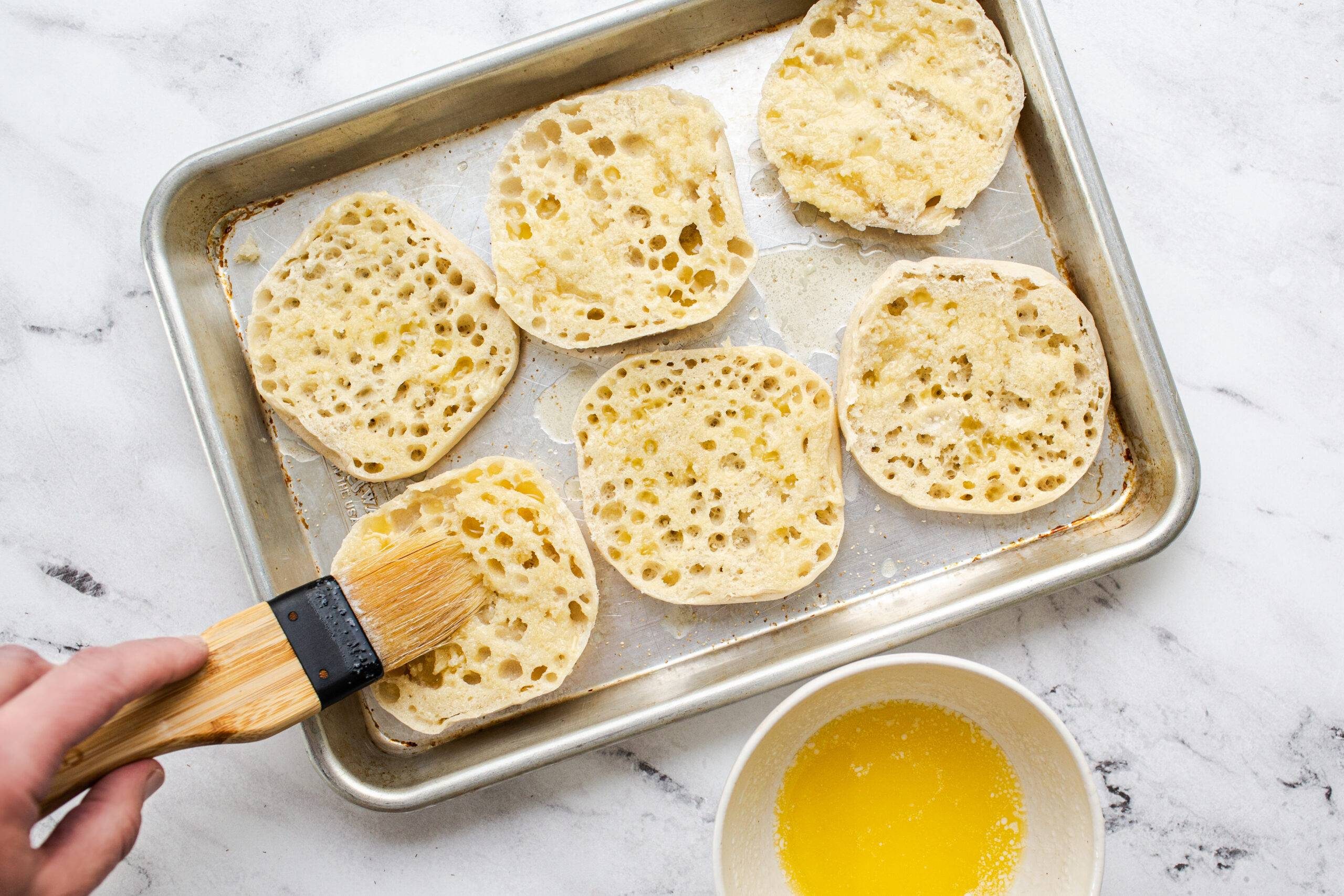
Contemporary adaptations, however, reflect changing dietary preferences and the availability of new culinary techniques. The incorporation of ground Italian sausage, or leaner alternatives like ground turkey or chicken, offers variations in flavor and nutritional content, catering to a broader spectrum of tastes and health-conscious consumers. The deliberate addition of garlic butter to brush the English muffins before assembly elevates the flavor profile, introducing an aromatic richness that complements the savory meat sauce and melty cheese. This subtle enhancement transforms a simple dish into a more gourmet-adjacent experience, appealing to adults while retaining its kid-friendly charm.
Furthermore, the rise of specialized kitchen appliances, particularly the air fryer, has revolutionized the reheating and cooking process for dishes like the pizza burger. While traditional baking remains an option, the air fryer offers unparalleled speed and a superior crispness, replicating the desirable texture of a freshly baked item even when cooked from frozen. An 8-minute air-fry from frozen, as noted by contemporary home cooks, delivers a "deliciously crisped and golden brown" result, making it an ideal solution for impromptu lunches or quick weeknight dinners. This technological integration not only saves time but also enhances the overall sensory experience of the dish.
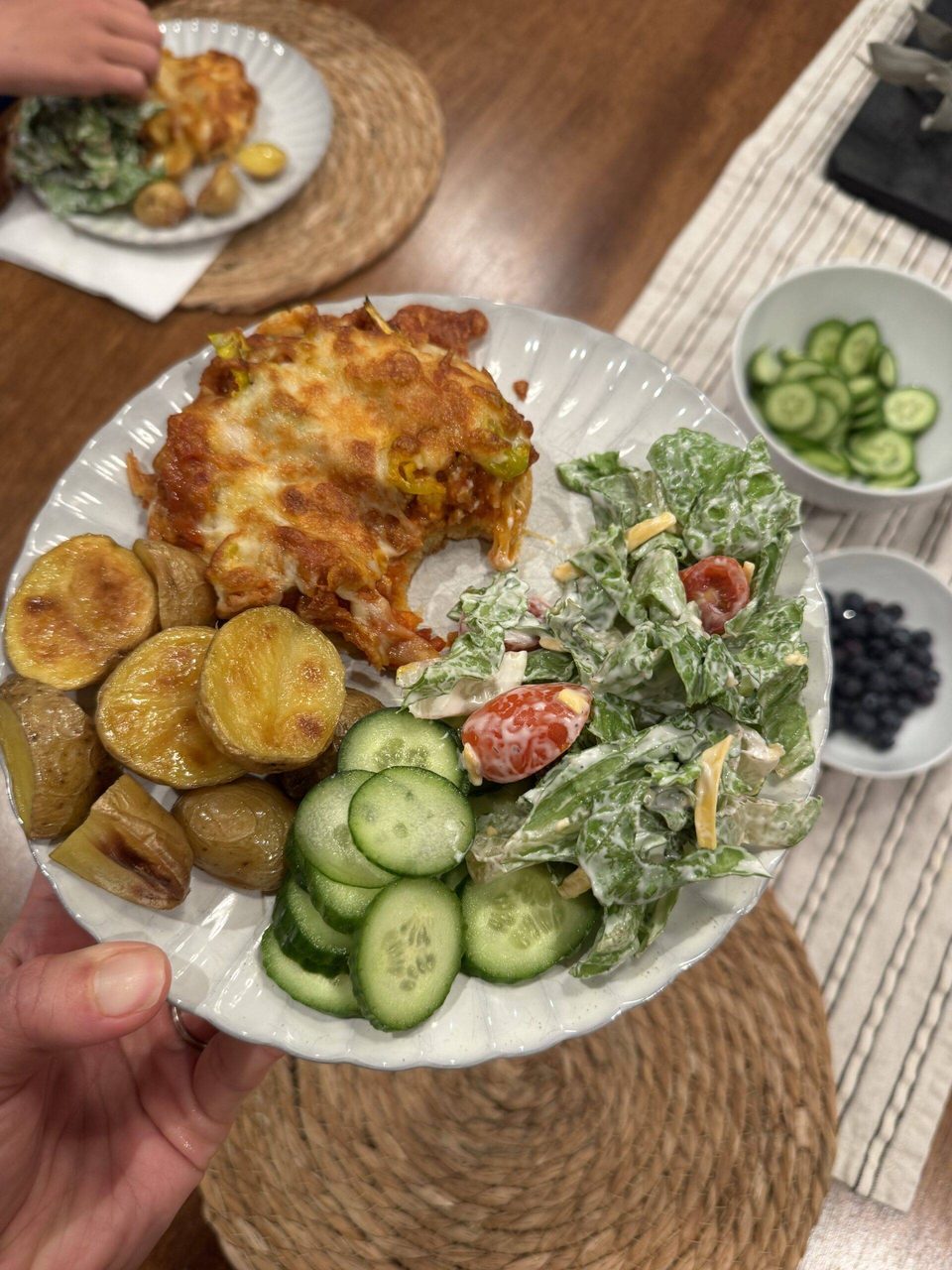
The Role of Nostalgia and Comfort in Contemporary Food Trends
The enduring popularity of dishes like the pizza burger is inextricably linked to the powerful influence of nostalgia in food culture. In an increasingly complex and fast-paced world, consumers frequently seek solace and comfort in familiar flavors and dishes that evoke positive childhood memories. Food nostalgia serves as a powerful emotional anchor, offering a sense of security and connection to simpler times. The "90s Midwestern mom moment" cited by proponents of the pizza burger speaks directly to this phenomenon, tapping into a collective memory of home-cooked meals that were both nourishing and reassuring.
Market research consistently demonstrates a robust demand for comfort foods, a trend that has only accelerated in recent years, particularly in response to global events and increased stress levels. A 2023 report by Mintel indicated that 65% of consumers view comfort food as an essential part of their diet, with a significant portion seeking dishes that remind them of their childhood. This psychological aspect of food consumption underscores why recipes passed down through generations, like the pizza burger, maintain their relevance and are actively sought out by new generations of home cooks. The emotional connection transcends mere taste, becoming a significant driver of food choices.

Supporting Data: The Intersection of Convenience, Family Life, and Meal Preparation
The appeal of the pizza burger extends beyond nostalgia, resonating deeply with practical demands of modern family life and the burgeoning meal prep movement. Data from the USDA’s Economic Research Service indicates that Americans spend a substantial portion of their food budget on food prepared away from home, yet there is a growing desire for more home-cooked meals, driven by health consciousness and cost savings. Recipes that offer a high return on investment in terms of time and effort are therefore highly valued.
- Meal Prep Efficiency: The pizza burger excels as a meal prep solution. The ability to prepare multiple servings in advance, freeze them, and reheat individual portions on demand aligns perfectly with the lifestyles of busy professionals and parents. A 2022 survey by Statista revealed that approximately 50% of adults in the U.S. engage in meal prepping at least once a week, primarily to save time and promote healthier eating habits. The pizza burger’s freezer-friendly nature positions it as an ideal candidate for this demographic, reducing decision fatigue and ensuring quick access to a satisfying meal.
- Kid-Friendly Factor: For families with children, the "loved by my kids" attribute is paramount. Research by culinary insights firms consistently highlights that ease of preparation and child appeal are top priorities for parents when selecting recipes. The inherent "pizza" and "burger" elements, combined with the customizable nature of toppings, make it an inherently attractive option for younger diners, often mitigating mealtime battles.
- Ingredient Accessibility and Cost-Effectiveness: The core ingredients – English muffins, ground meat, marinara sauce, and cheese – are widely available and relatively inexpensive, making the pizza burger an economical choice for family meals. This cost-effectiveness is particularly pertinent in an economic climate where food prices are a significant concern for many households.
Expert Perspectives on Culinary Nostalgia and Adaptation
Food historians and culinary experts frequently comment on the cyclical nature of food trends and the powerful role of comfort food. Dr. Eleanor Vance, a professor of food studies at a prominent university, notes, "Dishes like the pizza burger are cultural artifacts. They tell us about the practical realities of a specific time and place – the need for speed, the desire for hearty sustenance, and the ingenious ways home cooks found to combine familiar flavors. Their resurgence isn’t just about taste; it’s about a yearning for simplicity and connection."
Similarly, registered dietitians and food bloggers often champion recipes that offer both convenience and nutritional flexibility. "The modern adaptations of dishes like the pizza burger are key," states Sarah Jenkins, a popular food blogger focusing on family meals. "By swapping ground beef for Italian turkey sausage or adding fresh vegetables as sides, you maintain the comfort aspect while improving the nutritional profile. The air fryer is a game-changer for speed and texture, fitting perfectly into contemporary busy lifestyles." These insights underscore the dynamic interplay between tradition, innovation, and wellness in current food consumption patterns.
Broader Implications: Cultural Preservation and Culinary Innovation
The sustained interest in the pizza burger reflects several broader implications within the culinary landscape. Firstly, it highlights the importance of cultural preservation through food. Recipes passed down through families are not merely instructions; they are narratives, embodying shared histories, values, and experiences. The pizza burger, in this context, becomes a delicious conduit for intergenerational storytelling and the perpetuation of regional culinary identities.
Secondly, the dish serves as a testament to ongoing culinary innovation within the home kitchen. While professional chefs often drive gastronomic trends, home cooks continuously adapt and refine traditional recipes to suit evolving tastes, dietary needs, and technological advancements. The transformation from a grandma’s stovetop creation to an air-fried, garlic-buttered delight illustrates this adaptive capacity, demonstrating how comfort foods can remain relevant and exciting across decades. The suggested additions of a drizzle of good olive oil, a sprinkle of kosher salt, Italian seasoning, or a dollop of pesto are micro-innovations that allow for personalized touches, elevating the dish from basic to bespoke.
Finally, the phenomenon of the pizza burger points to the enduring power of simple, accessible ingredients. In an era often dominated by complex gourmet preparations and exotic components, the continued success of a dish built on English muffins, ground meat, and cheese is a powerful reminder that sometimes, the most satisfying meals are those that are unpretentious and straightforward. This simplicity contributes to its broad appeal and ensures its longevity as a beloved family favorite, promising many more "moments" of culinary delight for generations to come. The pizza burger, therefore, is more than just a meal; it is a delicious embodiment of culinary heritage, practical ingenuity, and the timeless pursuit of comfort through food.