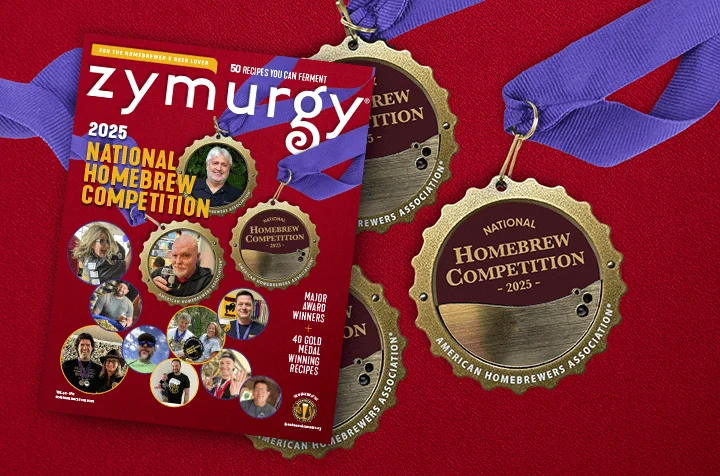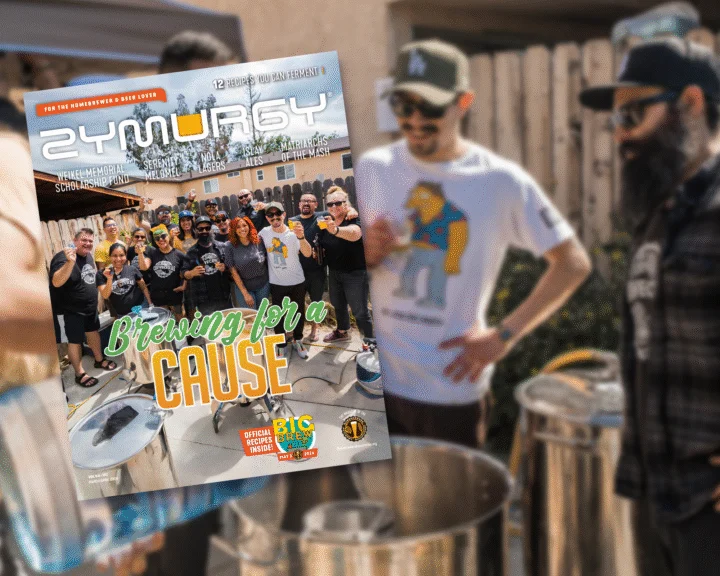

The March/April 2026 edition of Zymurgy, the official publication of the American Homebrewers Association (AHA), marks a significant editorial shift by focusing on "The Pivot"—a comprehensive examination of how the international brewing community is navigating an era defined by climate volatility, fluctuating economic landscapes, and a rapidly evolving consumer palate. As the craft beer industry faces unprecedented pressures from supply chain disruptions and shifting demographic interests, this issue serves as both a survival guide and a celebration of the ingenuity inherent in the hobby and profession of fermentation. Under the guidance of Editor-in-Chief Dave Carpenter, the publication provides a deep dive into the historical, social, and technical adaptations required to sustain the craft in the mid-2020s.
The Strategic Pivot: Adapting to a Changing Climate and Economy
The central theme of the latest Zymurgy issue is the concept of the "pivot," a term that has become ubiquitous in the brewing industry over the last several years. The editorial board highlights that brewing is no longer just about following a static recipe; it is about managing resources in a world where raw materials are increasingly subject to environmental stress. Data from recent agricultural reports indicate that hop-growing regions in the Pacific Northwest and traditional barley-producing areas in Europe have seen yield fluctuations of up to 20% due to unseasonable heatwaves and water scarcity.

In response, Zymurgy provides technical insights into how brewers are utilizing drought-resistant grain varieties and experimental hop products, such as concentrated lupulin pellets and extracts, which offer more consistency and a smaller carbon footprint. The issue also addresses the economic "pivot," discussing how homebrewers are managing the rising costs of stainless steel and energy by adopting more efficient "no-sparge" brewing methods and low-energy fermentation controls. This focus on efficiency reflects a broader trend in the hobby toward sustainability and cost-consciousness without sacrificing the quality of the final product.
Philanthropy and Community: The Stoney Creek Weikel Memorial Scholarship
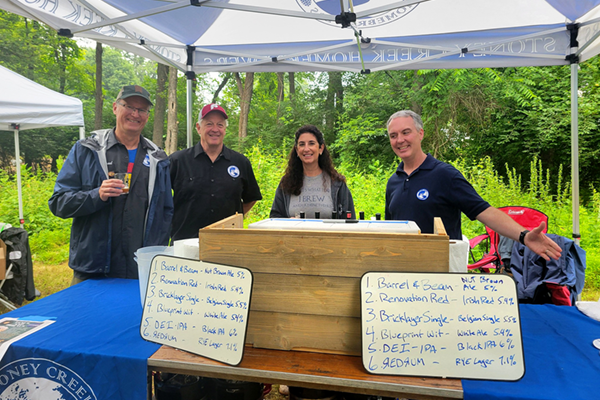
A cornerstone of this issue is the cover story detailing the philanthropic efforts of the Stoney Creek Homebrewers, a club founded in Philadelphia in 2007. Author Josh Weikert explores the origins and impact of the Weikel Memorial Scholarship Fund, established following a tragic loss within the club’s community. This feature illustrates the profound social role that homebrew clubs play beyond the mere exchange of recipes.
The Stoney Creek Homebrewers have transformed a local tragedy into a vehicle for education, providing financial support to aspiring brewers seeking professional certification or academic degrees in fermentation science. By highlighting this initiative, Zymurgy underscores the "giving back" ethos that has long been a hallmark of the American homebrewing scene. The scholarship serves as a model for other organizations, demonstrating how collective passion for a craft can be leveraged to create a lasting legacy and support the next generation of industry professionals.
Reclaiming History: The Global Portrait of the Brewster
One of the most academically rigorous features in the March/April 2026 issue is an expansive exploration of the history of women in brewing. For centuries, the production of fermented beverages was a domestic task primarily managed by women, known as "brewsters." However, the industrialization of brewing in the 18th and 19th centuries largely erased these women from the historical record, a phenomenon the magazine seeks to rectify.
The article provides a global portrait of female-led brewing traditions, from the ancient alewives of England to the "chicha" makers of the Andes and the "pito" brewers of West Africa. This historical survey is not merely a retrospective; it connects these ancient practices to the modern "Pink Boots Society" and other contemporary movements working to increase female representation in professional brewhouses. By documenting the ways in which women’s contributions were systematically minimized, Zymurgy challenges its readership to foster a more inclusive environment that honors the true origins of the craft.
Regional Spotlights: From the Crescent City to the Hebrides
The issue takes readers on a geographical journey, highlighting two vastly different brewing landscapes: New Orleans, Louisiana, and the Isle of Islay in Scotland.

In New Orleans, the focus is on the unexpected evolution of the lager scene. Historically, the city’s extreme humidity and heat made the production of clean, crisp lagers a significant technical challenge for all but the largest commercial entities, such as the venerable Abita Brewing Company. However, the last five years have seen a "lager renaissance" in the Big Easy. New breweries are utilizing advanced refrigeration technology and water chemistry modifications to produce high-quality Pilsners and Helles-style beers that are perfectly suited for the local climate. This regional shift reflects a broader national trend where brewers are moving away from overly "hyped" styles toward the technical precision required for traditional lagers.
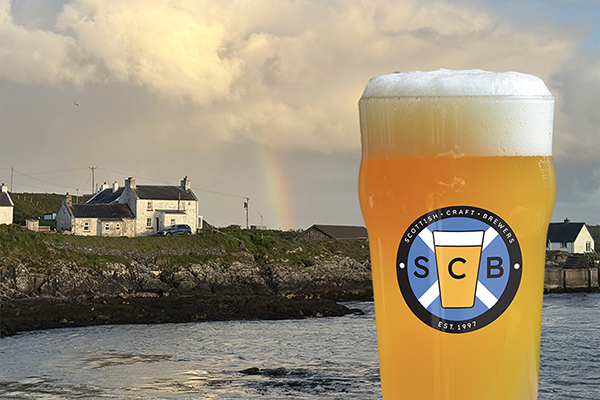
Conversely, the feature on Islay Ales explores the intersection of brewing and distilling on an island famous for its peated whiskies. Authors Donald MacKenzie and Mackay Smith discuss the challenges of brewing in a remote location where logistics are dictated by ferry schedules and Atlantic weather patterns. Inspired by the Scottish Craft Brewers homebrew club, the duo has integrated the island’s unique terroir into their beers, occasionally utilizing peated malts and local botanicals. This story serves as a testament to the "pivot" of localism—using what is available on hand to create a product that could not exist anywhere else.
Fermentation in Extremis: Indigenous Knowledge and Heat Adaptation
As global temperatures rise, the brewing world is increasingly looking toward indigenous cultures for solutions to fermenting in extreme heat. Contributor Art Fitzsimmons reports on the fermentation spirits of the hottest regions in North America, where indigenous peoples have spent millennia perfecting the art of fermenting desert flora.

The article explores the use of prickly pear, saguaro fruit, and agave in traditional ferments. These practices offer vital lessons for modern brewers dealing with "inhospitable" climates. By understanding the wild yeast strains and bacterial cultures that thrive in these environments, homebrewers can expand their repertoire to include beverages that are naturally resilient to high temperatures. This section of the magazine serves as a bridge between ancient wisdom and modern microbiology, suggesting that the future of brewing may lie in the recovery of forgotten, heat-tolerant techniques.
Technical Resources and the 12-Recipe Supplement
True to its mission as a technical journal, the March/April issue includes 12 meticulously validated recipes that reflect the themes of adaptation and diversity. These recipes range from traditional Scottish ales and New Orleans-style lagers to experimental ferments utilizing desert fruits and alternative grains. Each recipe is designed to be accessible to homebrewers of various skill levels, providing a practical application for the theories discussed in the feature articles.
The inclusion of these recipes is part of a broader suite of resources available to AHA members. The magazine emphasizes that membership provides access to an "unmatched" library of resources, including the Zymurgy Online Preview, which allows non-members a glimpse into the high-level content produced by the association. Editor-in-Chief Dave Carpenter, who has been a prominent voice in the beer writing community since 2009, continues to steer the publication toward a balance of "geeking out" on technical details and exploring the cultural gerunds—hiking, traveling, and brewing—that define the modern enthusiast’s life.

Broader Implications for the Brewing Industry
The content of the March/April 2026 issue of Zymurgy suggests that the homebrewing community is at a crossroads. The transition from a period of explosive growth to one of strategic consolidation and adaptation is evident. By focusing on "The Pivot," the magazine acknowledges that the "business as usual" approach to brewing is no longer viable in the face of ecological and economic shifts.
The implications are clear: the most successful brewers of the future will be those who can blend technical proficiency with cultural awareness and environmental stewardship. Whether it is through supporting scholarship funds like the Weikel Memorial, reclaiming the lost history of brewsters, or adopting indigenous fermentation techniques, the path forward is one of diversification and resilience.
Zymurgy’s role in this ecosystem remains vital. As a primary source of validated information and a hub for the homebrewing community, it provides the intellectual infrastructure necessary for the hobby to thrive. The magazine’s call to "support Zymurgy’s award-winning recipes, DIY content, and homebrew activism" is a reminder that the craft is sustained not just by the beer in the glass, but by the community and the shared knowledge that goes into every batch.
As the industry looks toward the remainder of 2026 and beyond, the lessons contained within this issue—flexibility, inclusivity, and technical rigor—will likely serve as the blueprint for the next generation of fermentation enthusiasts. The "pivot" is not just a temporary reaction to current events; it is the new standard for a craft that has always been defined by its ability to change and endure.