
The preservation of plain beets, known as beetroot in various international markets, represents a significant endeavor for home food preservationists seeking to maintain a year-round supply of nutrient-dense vegetables. While the convenience of a shelf-stable, ready-to-use product is undeniable, the process of canning plain beets is governed by strict scientific protocols established by the United States Department of Agriculture (USDA) and the National Center for Home Food Preservation (NCHFP). These guidelines are not merely suggestions for quality but are critical safety requirements designed to prevent the growth of Clostridium botulinum, the bacterium responsible for botulism. Unlike pickled beets, which are preserved in a high-acid vinegar solution, plain beets are a low-acid vegetable that requires the high temperatures only achievable through a pressure canner to ensure consumer safety.
The Critical Necessity of Pressure Canning
The fundamental principle of home canning is the destruction of microorganisms that cause food spoilage and illness. Plain beets have a pH level that typically ranges from 5.3 to 6.6, placing them firmly in the low-acid category. In the anaerobic (oxygen-free) environment of a sealed canning jar, Clostridium botulinum spores can germinate and produce a deadly neurotoxin if the internal temperature of the food does not reach at least 240°F (116°C). Boiling water baths, which reach a maximum temperature of 212°F (100°C) at sea level, are insufficient to kill these spores.

The historical record of home canning in the United States underscores this danger. Between 1990 and 2012, at least ten confirmed cases of botulism were traced directly to home-canned beets that were processed using a water bath method rather than a pressure canner. Food safety experts emphasize that there is no alternative to pressure canning for plain vegetables. If a pressure canner is unavailable, the only safe alternatives for long-term storage are freezing or pickling the beets in a high-acid brine.
Technical Specifications and Quantity Requirements
Successful beet canning begins with proper procurement and preparation. According to USDA guidelines, the average yield for canned beets is approximately 3 pounds (1.36 kg) of raw beets per one-liter (US quart) jar. For a full canner load of seven quarts, a homesteader would require approximately 21 pounds of beets. If processing in half-liter (US pint) jars, the requirement is roughly 13.5 pounds for a nine-pint load.
For the best quality, experts recommend selecting beets that are between 1 and 3 inches in diameter. Larger beets, while edible, often become fibrous and "woody" as they mature, which can negatively impact the texture of the finished product. To prepare the beets for canning, the taproot and at least two inches of the stem should be left intact during the initial pre-cooking phase. This practice is designed to minimize "bleeding" or the loss of the vibrant red pigment known as betalaine.
Chronology of the Canning Process
The procedure for canning plain beets follows a specific chronological sequence designed to ensure both safety and quality.
1. Pre-cooking and Peeling
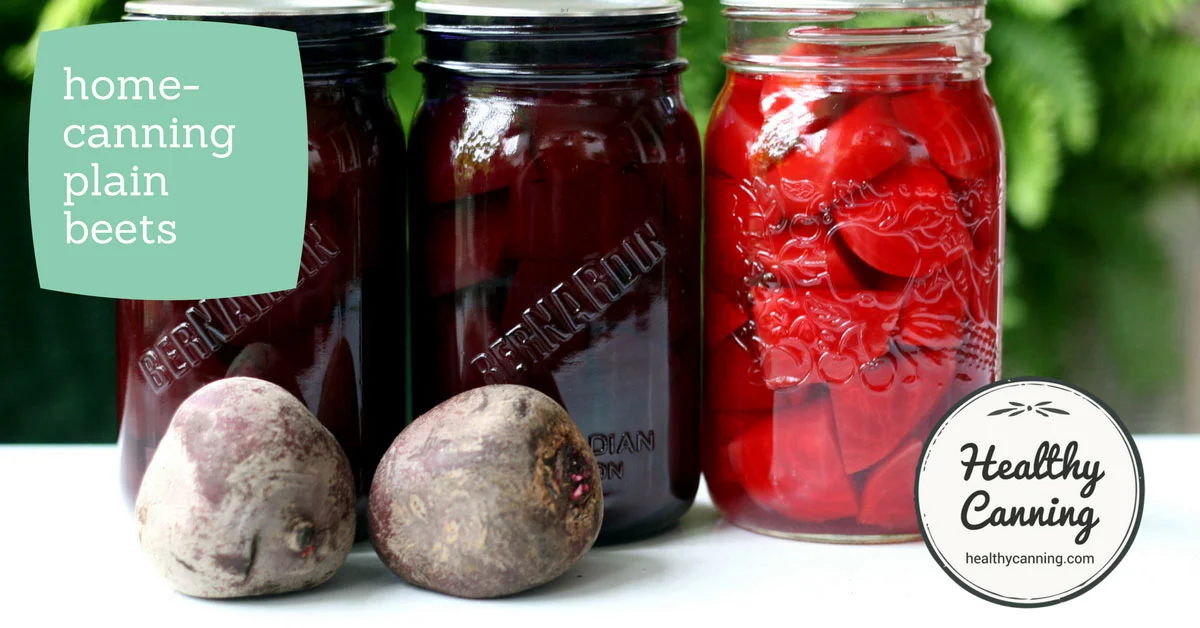
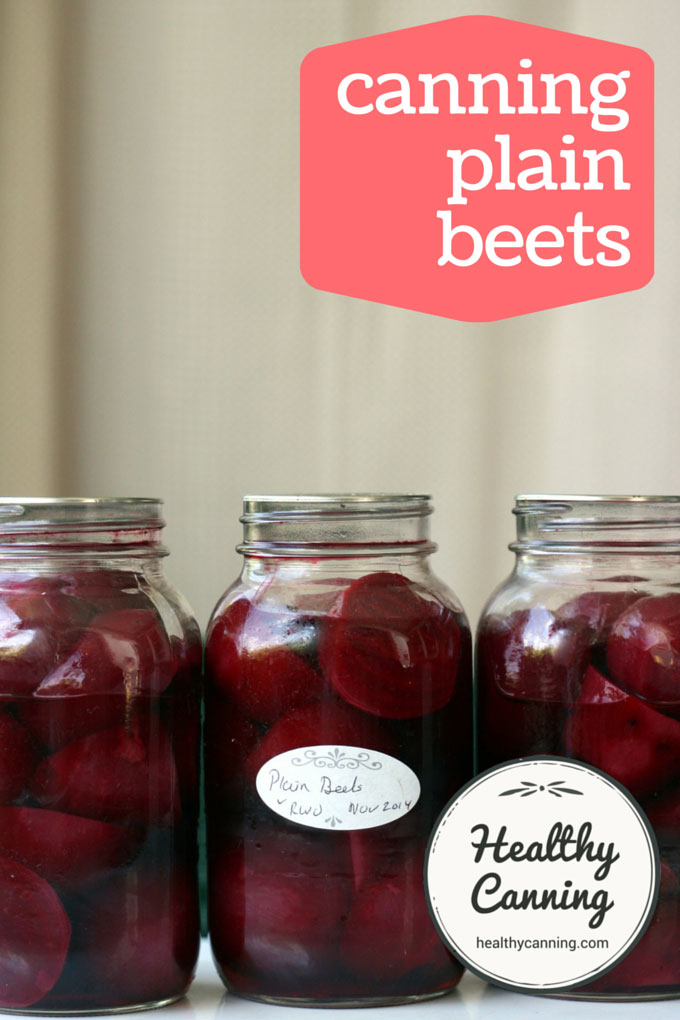
Beets must be canned peeled to reduce the initial bacterial load. To facilitate peeling, the beets are first washed and then boiled until the skins slip off easily—typically 15 to 25 minutes depending on size. Alternative energy-efficient methods include steaming in a multi-canner or using a pressure cooker. When using a pressure cooker for pre-cooking, a common suggestion is to process medium beets at 15 pounds of pressure for approximately 3 minutes with a natural pressure release.
2. Hot Packing
The USDA-tested procedure requires a "hot pack." This means the beets must be hot when they are placed into the jars, and they must be covered with boiling water. If the beets cool significantly during the peeling process, they must be reheated before packing. This ensures that the processing times, which are calculated based on a specific starting temperature, remain accurate for sterilization.
3. Headspace and Sealing
A headspace of 1 inch (3 cm) is required at the top of the jar. This space allows for the expansion of the food during the high-pressure processing and ensures a proper vacuum seal as the jars cool. Salt may be added for seasoning—typically ½ teaspoon per pint or 1 teaspoon per quart—but it is not a preservative in this context and may be omitted for low-sodium diets.
4. Processing Times and Altitude Adjustments
Processing times are strictly defined: 30 minutes for pints (half-liters) and 35 minutes for quarts (liters). However, these times are only half of the equation. The pressure used must be adjusted based on the canner type and the altitude of the user. At altitudes between 0 and 1,000 feet, a weighted gauge canner should be operated at 10 pounds of pressure, while a dial gauge canner should be at 11 pounds. For those living above 1,000 feet (300 meters), the pressure must be increased to 15 pounds for weighted gauges to compensate for the lower boiling point of water at higher elevations.
Aesthetic Considerations: The Science of Color Loss
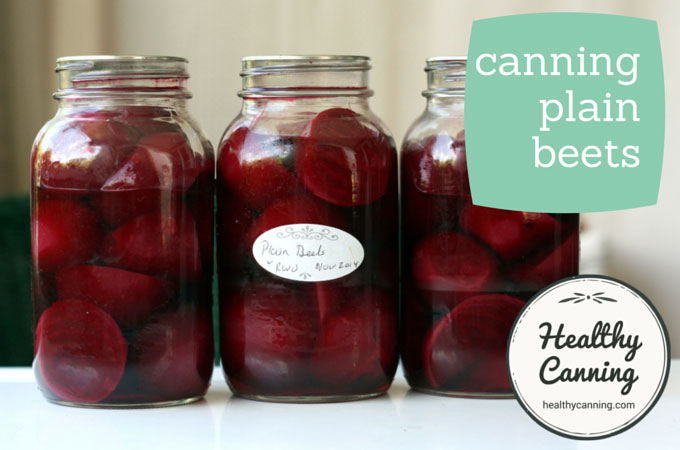
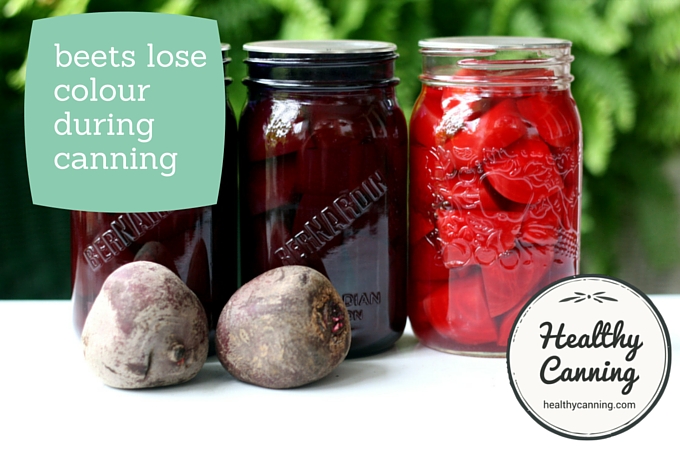
One of the most common concerns among home canners is the loss of color in processed beets. The red pigments, betalaines, are highly sensitive to the intense heat of pressure canning. It is common for beets to appear pale or even brownish immediately after they are removed from the canner.
Research from the Penn State Extension indicates that this reaction is often reversible. The betalaine compounds can undergo a chemical shift during storage, and the deep red color frequently returns after the jars have sat at room temperature for several days. To maximize color retention, growers are encouraged to use specific varieties known for their heat stability, such as ‘Detroit Dark Red’ or the cylindrical ‘Formanova.’
Historical Context and Evolution of Standards
The recommendation to pressure can beets is not a modern invention but the result of nearly a century of food science. As early as 1926, USDA Farmers’ Bulletin No. 1471 explicitly warned against the water bath method for non-acid vegetables, citing the risk of botulism.
However, a period of "instructional regression" occurred during World War II. Due to metal rationing, pressure canners were difficult to obtain, leading some university extension programs to publish "acidified" water bath recipes. These recipes suggested adding a small amount of vinegar to beets to process them in boiling water. Modern testing has since debunked these methods, proving that the amount of vinegar used was insufficient to safely lower the pH to a point where botulism spores could be inhibited. This serves as a cautionary tale for those who seek to use "vintage" canning recipes, which may lack the rigorous safety testing of current USDA standards.

Judging Criteria and Quality Standards
For those participating in agricultural fairs or seeking professional-grade results, the NCHFP provides specific judging criteria for plain canned beets. A high-quality product should exhibit:
- Uniformity: Beets should be similar in size and shape (sliced, cubed, or whole).
- Clarity: The liquid should be a clear red, free of cloudiness or sediment, which could indicate spoilage or the use of hard water.
- Integrity: The product must be free of skins, stems, and root hairs.
- Texture: Beets should be firm enough to hold their shape but tender enough to eat. Beets over 3 inches in diameter are often disqualified for being too fibrous.
Nutritional Profile and Culinary Utility
Home-canned beets are a nutritional powerhouse. A standard 250g serving provides approximately 124 calories, 4 grams of protein, and nearly 4 grams of dietary fiber. They are naturally low in fat and, when canned without added salt, are extremely low in sodium.
The culinary applications of shelf-stable beets extend far beyond simple side dishes. They can be quickly transformed into a traditional Borscht, roasted with maple syrup for a caramelized finish, or incorporated into modern spicy curries with coconut milk. The convenience of having pre-cooked, peeled beets allows for gourmet meal preparation in a fraction of the time required when starting with raw tubers.
Conclusion and Safety Summary
The practice of canning plain beets is a rewarding skill that bridges the gap between seasonal harvest and year-round food security. However, it is a practice that must be rooted in scientific literacy. By adhering to the USDA’s pressure canning mandates, adjusting for altitude, and following strict hygiene protocols, home canners can produce a product that is both delicious and entirely safe. The move away from outdated "boiling water" methods represents a triumph of modern food safety, ensuring that the ancient tradition of food preservation continues to nourish families without the shadow of foodborne illness.