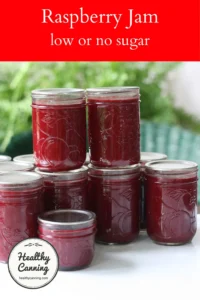

The landscape of home food preservation has undergone a significant transformation in recent years, moving away from the high-sugar preserves of the past toward health-conscious, fruit-forward alternatives. Central to this shift is the utilization of specialized gelling agents like Pomona’s Universal Pectin, which allows for the creation of jams and jellies that do not rely on massive quantities of granulated sugar to achieve a set. The following report details the technical specifications, methodology, and scientific background of producing a low-sugar or sugar-free raspberry jam, a staple of modern artisanal canning.
The Science of Low-Methoxyl Pectin in Modern Canning
To understand the significance of the raspberry jam recipe using Pomona pectin, one must first examine the chemical differences between traditional and modern gelling agents. Standard commercial pectins are "high-methoxyl" (HM) pectins. These require a specific and high concentration of sugar—usually 55% to 85% by weight—and a precise pH level to form a gel. Without this high sugar content, HM pectin fails to bond, resulting in a runny syrup rather than a spreadable jam.
In contrast, Pomona’s Universal Pectin is a "low-methoxyl" (LM) pectin derived from citrus peels. Its gelling properties are not triggered by sugar, but rather by the presence of calcium. This chemical reaction allows home canners to significantly reduce or entirely eliminate sugar, using alternative sweeteners like honey, stevia, or monk fruit, or simply relying on the natural sweetness of the raspberries themselves. This versatility is a primary driver in the resurgence of home canning among diabetic populations and health-conscious consumers.
Technical Specifications and Recipe Parameters
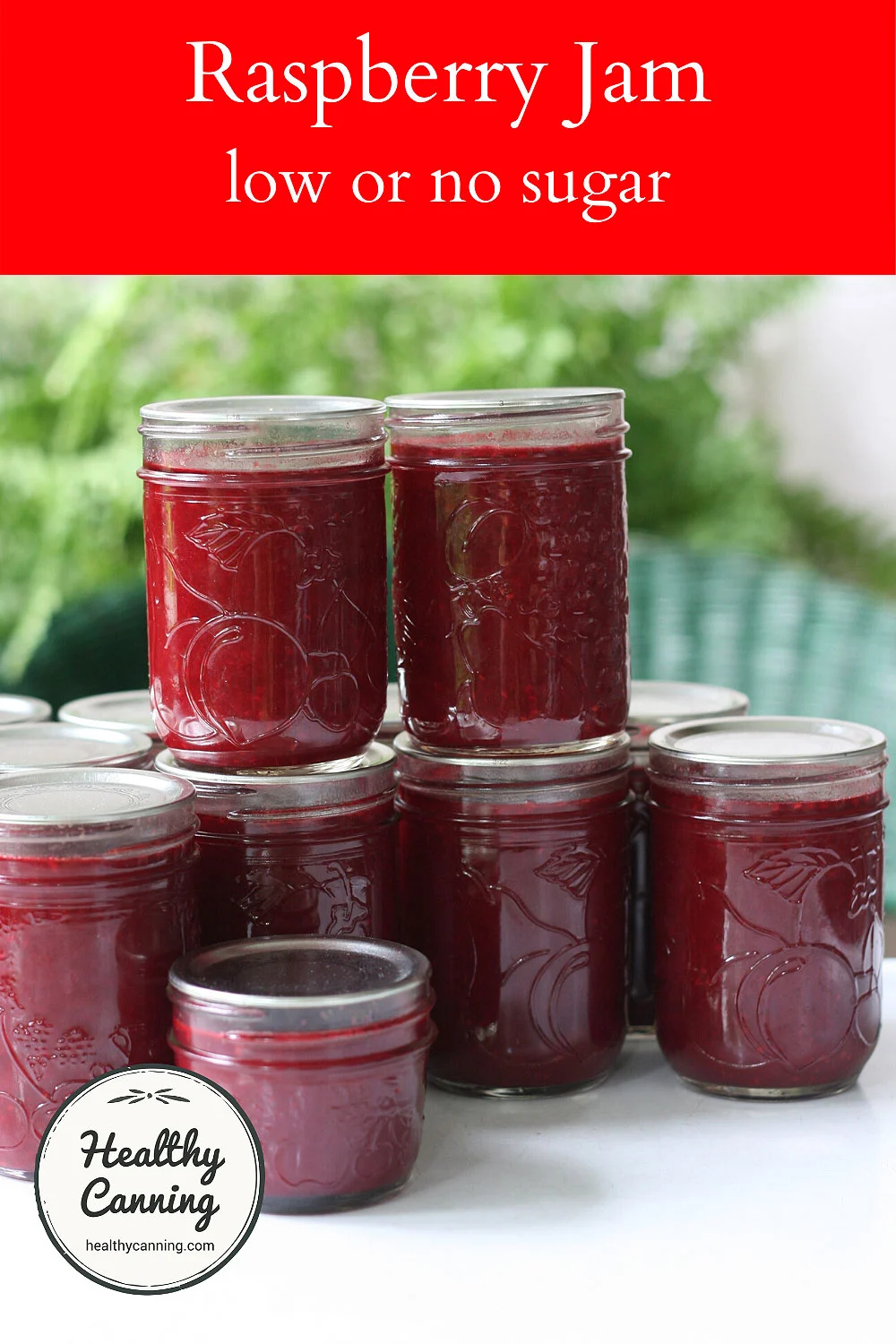
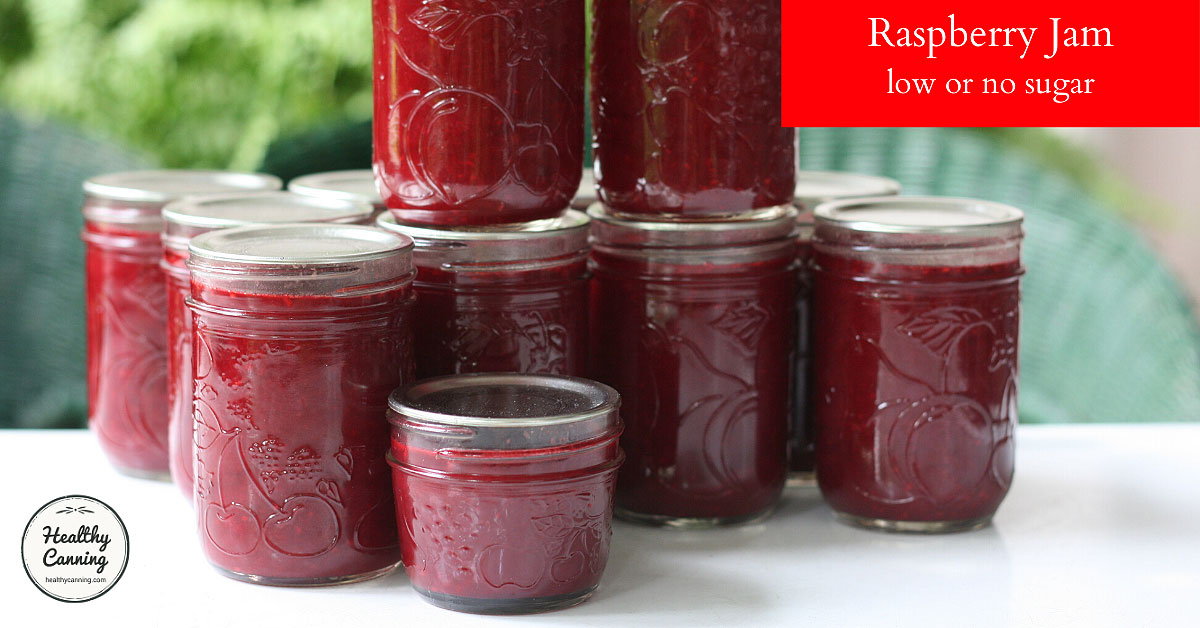
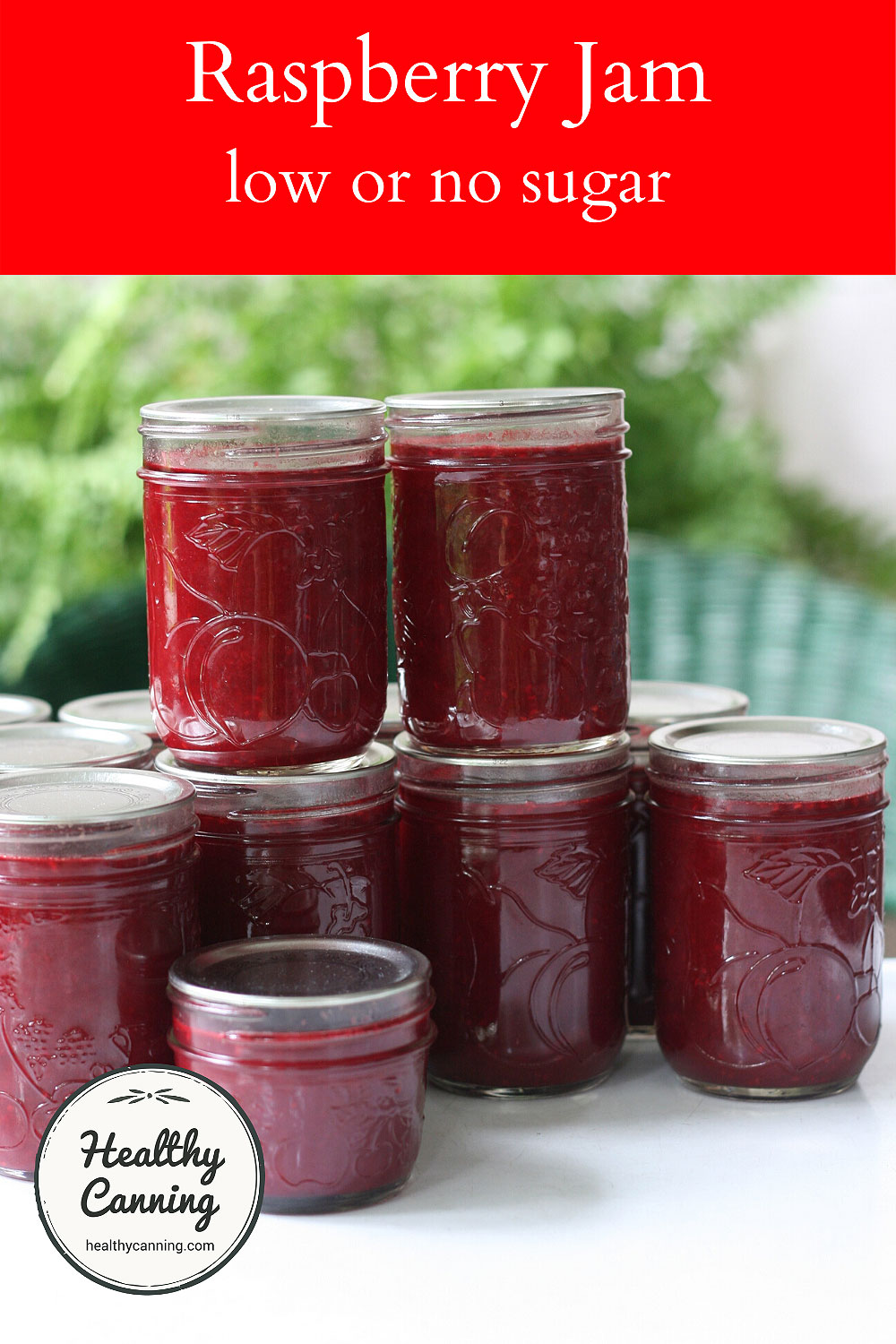
The production of home-canned raspberry jam requires adherence to strict technical parameters to ensure both culinary quality and microbiological safety. The recipe yields approximately four quarter-litre (250 ml / 8 oz) jars, though it can be adapted for smaller 125 ml (4 oz) jars.
Preparation Metrics
- Prep Time: 15 minutes
- Cook Time: 20 minutes
- Total Time: 35 minutes
- Processing Method: Water bath or steam canning
- Headspace: 1 cm (1/4 inch)
- Processing Time: 10 minutes (subject to altitude adjustment)
Ingredient Flexibility
A hallmark of this specific formulation is its adaptability to various sweeteners. While a standard batch might use 1 cup (200 g) of sugar, the recipe remains stable with 1 cup of granulated Splenda, 1/2 to 1 cup of honey, or 2 teaspoons of liquid stevia. Furthermore, the choice of fruit is flexible; while fresh, seasonal raspberries provide the most vibrant flavor profile, frozen raspberries are a viable and often more economical alternative, allowing for year-round production.
Chronology of the Preservation Process
The process of creating a shelf-stable raspberry jam follows a precise chronological sequence designed to maximize pectin activation and ensure a vacuum seal.
- Preparation of Equipment: Jars are inspected for cracks or nicks and then sterilized. The canning pot (either a water bath or steam canner) is prepared. For Pomona pectin recipes, a "calcium water" solution must be mixed beforehand, typically consisting of 1/2 teaspoon of calcium powder dissolved in 1/2 cup of water.
- Fruit Processing: Raspberries are washed and mashed. For those seeking a "seedless" or reduced-seed variety, the mash is pressed through a fine-mesh strainer or food mill. This step, while optional, results in a more refined texture often associated with premium preserves.
- Pectin-Sweetener Integration: In a separate bowl, the dry pectin powder is thoroughly mixed with the chosen sweetener. This prevents the pectin from clumping when it hits the hot fruit juice.
- The Initial Boil: The mashed fruit and the required amount of calcium water are combined in a large pot and brought to a full boil.
- Incorporating the Pectin: The pectin-sweetener mixture is added to the boiling fruit. The mixture is stirred vigorously for one to two minutes while returning to a boil to ensure the pectin is fully dissolved and the calcium reaction is initiated.
- Jar Filling: The hot jam is ladled into prepared jars, leaving exactly 1 cm of headspace. This gap is critical for the expansion of the product during processing and the subsequent creation of a vacuum seal.
- Thermal Processing: The jars are submerged in a water bath or placed in a steam canner for 10 minutes. Once the time is up, the jars are removed and allowed to sit undisturbed for 12 to 24 hours.
Comparative Processing: Water Bath vs. Steam Canning
A notable aspect of this recipe is the approval of both water bath and steam canning methods. Historically, water bath canning—where jars are fully submerged in boiling water—was the only recognized standard for high-acid foods like raspberries. However, recent validation studies by organizations such as the National Center for Home Food Preservation (NCHFP) have confirmed that steam canning is equally effective.
Steam canning uses significantly less water and requires less time to reach processing temperatures, making it a more energy-efficient option. Regardless of the method, canners must adjust their processing times based on altitude. At higher elevations, the boiling point of water is lower, requiring longer processing times to ensure the destruction of spoilage organisms.
Nutritional Analysis and Dietary Impact
The nutritional profile of raspberry jam made with Pomona pectin varies significantly based on the sweetener used. When prepared with one cup of sugar, the jam contains approximately 21 calories per tablespoon. If substituted with a non-nutritive sweetener like Splenda, the caloric content drops to roughly 10 calories per tablespoon, with a carbohydrate count of only 2 grams.
Raspberries themselves are a "superfood," rich in Vitamin C, manganese, and dietary fiber. They contain high levels of anthocyanins—antioxidants that have been linked to reduced inflammation and improved cardiovascular health. By utilizing a low-sugar canning method, these nutritional benefits are preserved without the detrimental effects of excessive sugar consumption, such as glycemic spikes.
Institutional Support and Safety Standards
The recipe provided is an adaptation of the "Seedless Raspberry-Honey-Vanilla Jam" originally published by Pomona’s Universal Pectin. Modifications in this version include the omission of vanilla bean pods for a more traditional flavor and the addition of options for straining seeds and adding ascorbic or citric acid for color retention.
Safety in home canning is paramount. Organizations like the Master Food Preservers provide critical oversight and education to the public, ensuring that home-canned goods are free from Clostridium botulinum and other pathogens. Because raspberries are naturally high in acid (with a pH typically between 3.2 and 3.6), they are safely preserved using the boiling water or steam methods, which reach 212°F (100°C)—sufficient for high-acid environments.
Broader Implications for Food Security and Sustainability
The ability to preserve raspberries at home using low-sugar methods has broader implications for food sustainability. Raspberries are highly perishable, often spoiling within days of harvest. Home canning allows for the "gluts" of the harvest—periods of overabundance—to be captured and stored for up to 18 months.
This practice reduces food waste at the consumer and local producer levels. Furthermore, home canning reduces the carbon footprint associated with the transportation and packaging of commercially produced jams. By reusing glass jars and choosing local or home-grown fruit, individuals contribute to a more circular and resilient food system.
Analysis of Market Trends in Home Preservation
The rise in popularity of products like Pomona pectin reflects a larger cultural trend toward "clean labeling" and self-sufficiency. Consumers are increasingly wary of commercial additives such as high-fructose corn syrup, artificial dyes, and excessive preservatives. The DIY nature of home-canned raspberry jam allows for total transparency in ingredients.
Data from the canning industry suggests that the "cottage food" movement has also driven interest in high-quality, small-batch preserves. Many small-scale entrepreneurs use these low-sugar formulations to appeal to a niche market of health-conscious buyers at farmers’ markets and boutique grocers. The versatility of the raspberry—being both tart and sweet—makes it a perennial favorite in these markets.
Conclusion
The production of raspberry jam with Pomona pectin represents a perfect intersection of traditional preservation techniques and modern nutritional science. By understanding the chemistry of low-methoxyl pectin and adhering to established safety protocols, home canners can produce a superior product that meets the dietary needs of the 21st century. Whether for personal consumption, gifting, or small-scale commerce, this method ensures that the vibrant flavor and health benefits of raspberries can be enjoyed long after the summer harvest has ended. As the movement toward food autonomy grows, such recipes serve as essential blueprints for a healthier, more sustainable kitchen.