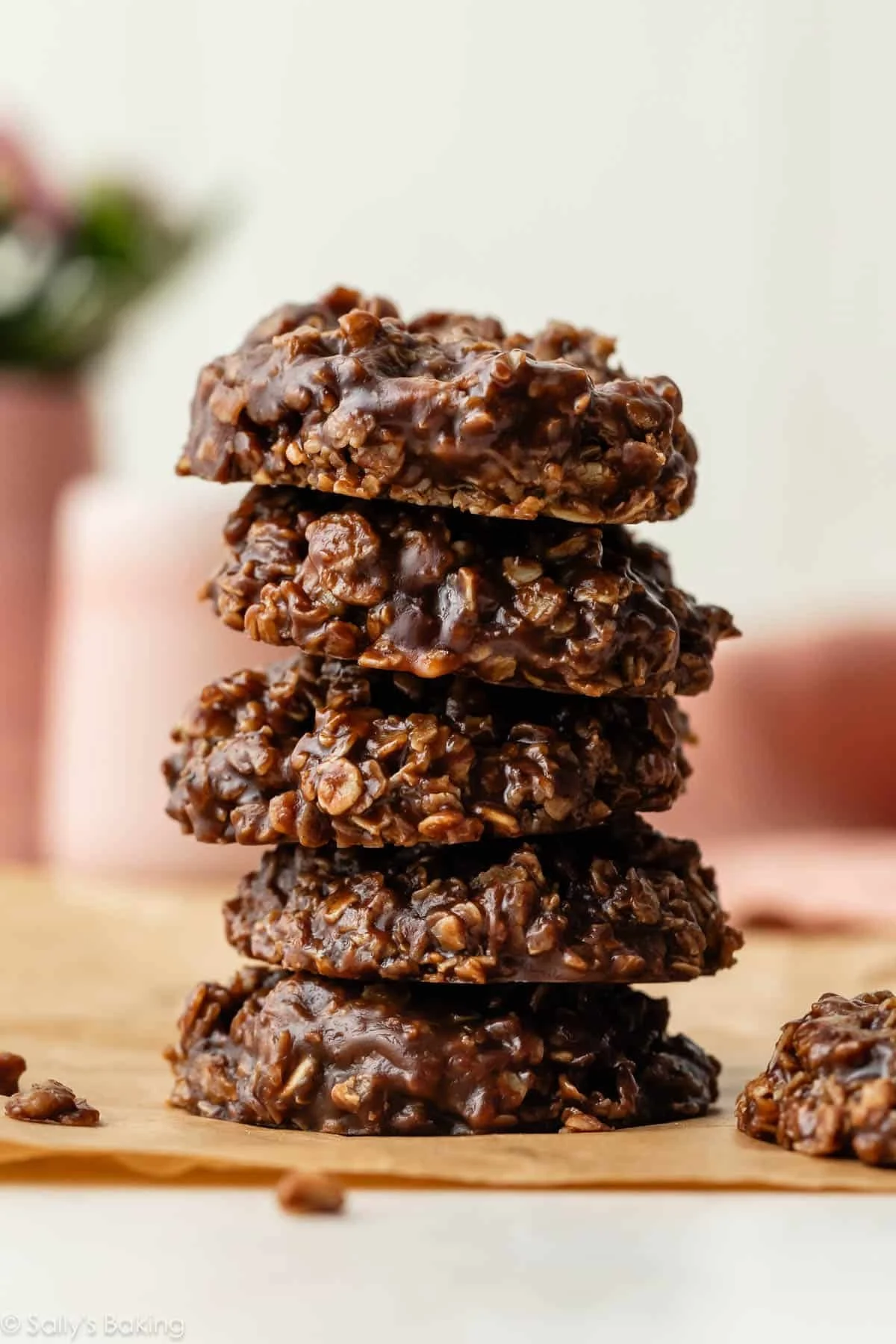

A beloved classic in the realm of home baking, the 8-ingredient chocolate peanut butter no-bake cookie recipe has recently undergone a comprehensive update, promising consistently excellent results with minimal effort. Originally introduced to home cooks in 2015, this family-favorite dessert has been refreshed with new visual aids, refined instructions, and a slight adjustment to its core ingredient ratios, notably an increased amount of butter, to ensure a perfect fudgy consistency every time. Requiring no oven use and firming up after a mere 30 to 60 minutes of refrigeration, these cookies present an ideal solution for quick desserts, warm weather baking, or when oven space is at a premium.
The Enduring Allure of No-Bake Desserts and a Classic Flavor Pairing
The concept of no-bake desserts holds a special place in culinary history, stemming from times when ovens were less common or when simplicity and speed were paramount. These treats gained significant traction in the mid-20th century, coinciding with the rise of processed foods and a desire for convenient kitchen solutions. No-bake cookies, in particular, offer a nostalgic appeal, often conjuring memories of childhood kitchens and shared family moments. Their inherent ease makes them accessible to bakers of all skill levels, from novices to seasoned chefs looking for a swift indulgence.
Beyond the convenience factor, the enduring popularity of this particular recipe is deeply rooted in the universally adored combination of chocolate and peanut butter. This flavor pairing, a staple in American confectionery, offers a harmonious blend of sweet, salty, and rich notes that few can resist. The creamy, nutty depth of peanut butter perfectly complements the bittersweet intensity of cocoa, creating a decadent profile that satisfies a wide spectrum of palates. Culinary historians often point to the early 20th century for the popularization of this duo, with products like Reese’s Peanut Butter Cups cementing its status as an iconic flavor combination. The psychological comfort derived from these familiar tastes contributes significantly to the sustained demand for recipes featuring this classic pairing.
A Recipe’s Evolution: From 2015 to Enhanced Perfection
The journey of this specific chocolate peanut butter no-bake cookie recipe began in 2015, quickly establishing itself as a go-to for many home bakers. Its initial publication was met with enthusiasm, lauded for its simplicity and the delectable outcome. However, the nature of recipe development often involves continuous refinement. The recent update reflects this commitment to perfection, addressing feedback and incorporating best practices learned over time. The primary enhancements include:
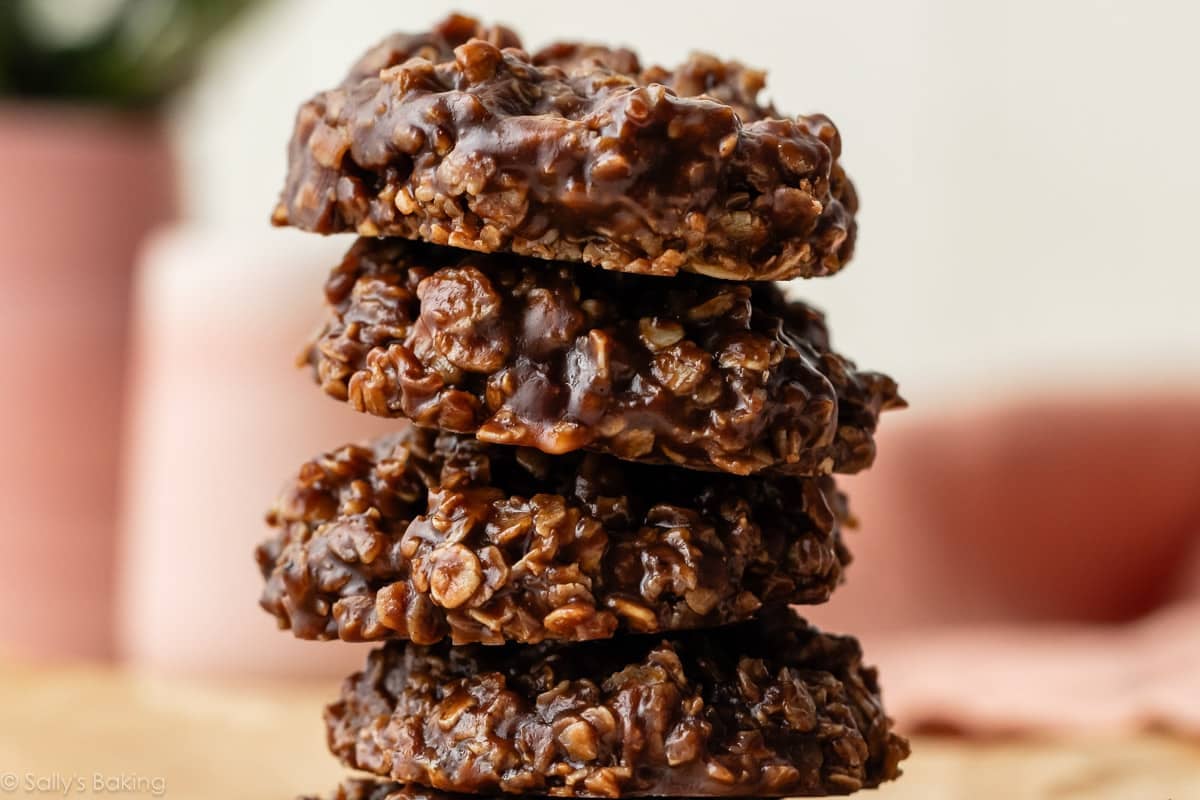
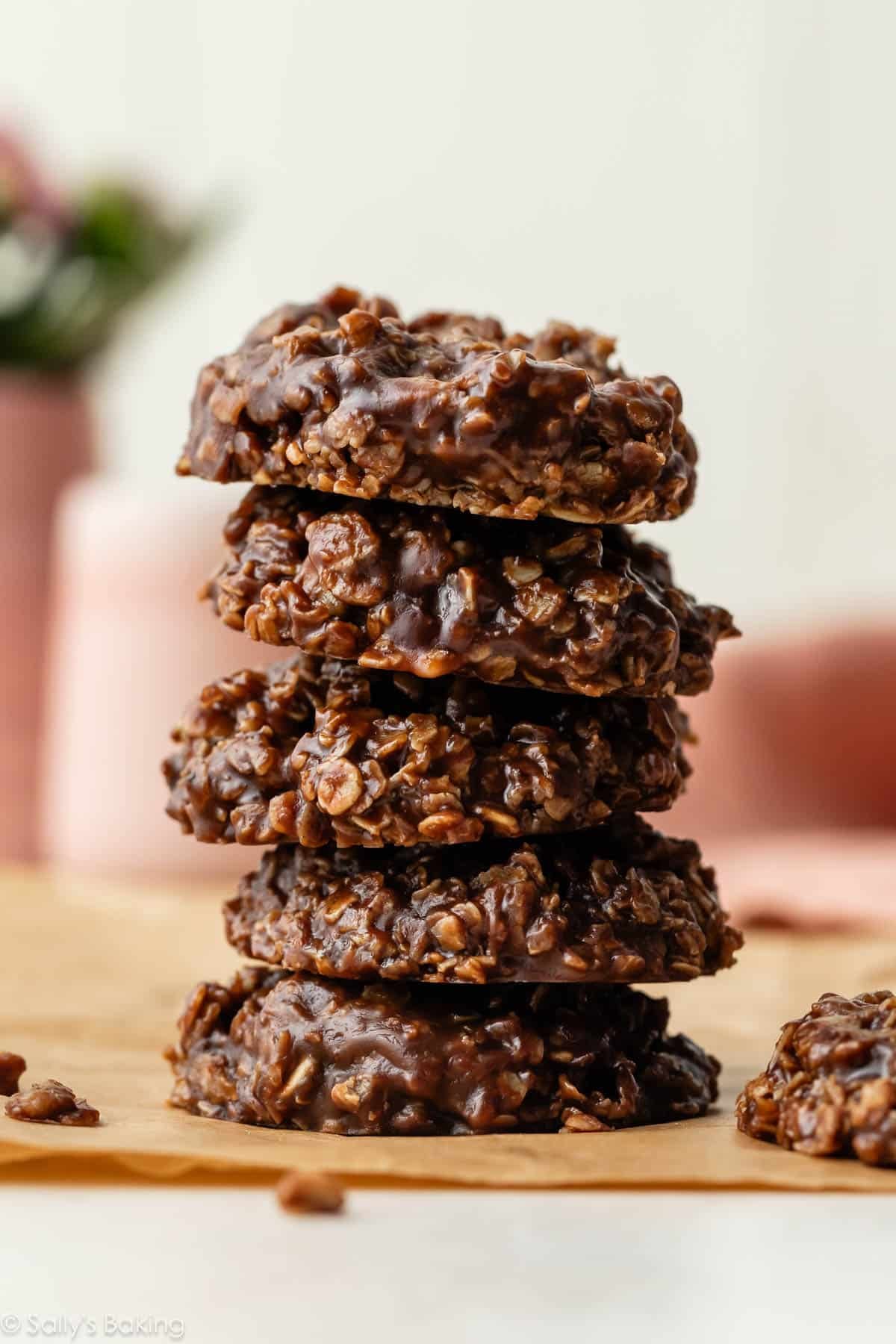
- Updated Photography: New, high-quality images provide clearer visual guidance and increased appetite appeal, showcasing the cookies’ soft, chewy texture and rich appearance.
- Expanded Success Tips: The recipe now includes more detailed guidance to help bakers avoid common pitfalls, ensuring a higher rate of success. These tips are crucial for achieving the desired consistency and flavor.
- Ingredient Ratio Adjustment: A subtle yet significant change involved slightly increasing the amount of butter. This modification was implemented to enhance the fudgy texture and overall mouthfeel, contributing to a more consistently excellent result that sets properly without being dry or crumbly.
These revisions underscore a proactive approach to recipe maintenance, ensuring that a popular dish remains relevant and reliable for its audience. The aim is to provide a foolproof method that consistently delivers on the promise of a delicious, easy-to-make dessert.
Deconstructing the Ingredients: The Power of Eight Pantry Staples
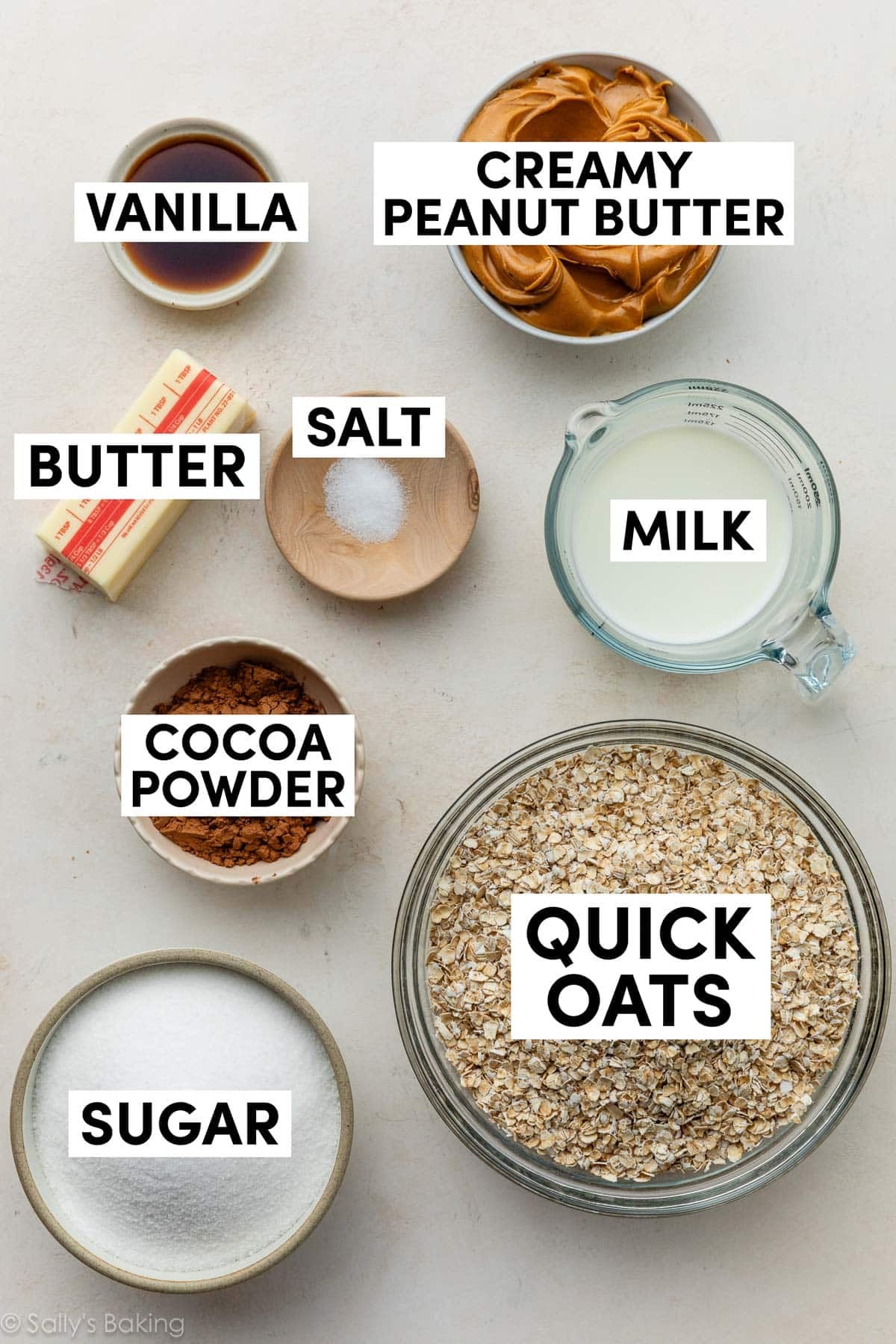
The genius of this recipe lies in its minimalist ingredient list, relying on just eight readily available pantry staples. This accessibility is a key factor in its widespread appeal, eliminating the need for specialized shopping trips. Each ingredient plays a critical role in achieving the cookies’ signature taste and texture:
- Old-Fashioned Rolled Oats: These provide the structural bulk and a chewy texture, absorbing the liquid from the cooked mixture. For those with dietary restrictions, using certified gluten-free oats makes this recipe suitable for gluten-sensitive individuals, expanding its reach to a broader demographic.
- Granulated Sugar: Beyond sweetness, sugar is crucial for the cookies’ setting process. When boiled with other liquids, it forms a syrup that, upon cooling, solidifies and binds the ingredients together.
- Unsweetened Cocoa Powder: This delivers the rich chocolate flavor. The quality of the cocoa powder can significantly impact the depth and intensity of the chocolate notes.
- Creamy Peanut Butter: The essential ingredient for both flavor and texture. It contributes to the fudgy consistency and binds the oats. While creamy peanut butter is recommended for a smoother result, well-stirred natural peanut butter can be used, though it may extend refrigeration time due to its thinner, oilier nature.
- Unsalted Butter: Increased slightly in the updated recipe, butter provides richness, moisture, and helps create the smooth, melt-in-your-mouth texture.
- Milk: Acts as the liquid base for the syrup, helping to dissolve the sugar and cocoa powder during the cooking process.
- Vanilla Extract: A flavor enhancer that adds warmth and depth, complementing both the chocolate and peanut butter.
- Salt: A small but vital addition that balances the sweetness and enhances all the other flavors, preventing the cookies from tasting overly saccharine.
The reliance on such common components makes these cookies not only economical to prepare but also a practical choice for impromptu cravings or unexpected guests.
The "No-Bake" Advantage: Convenience Meets Culinary Delight
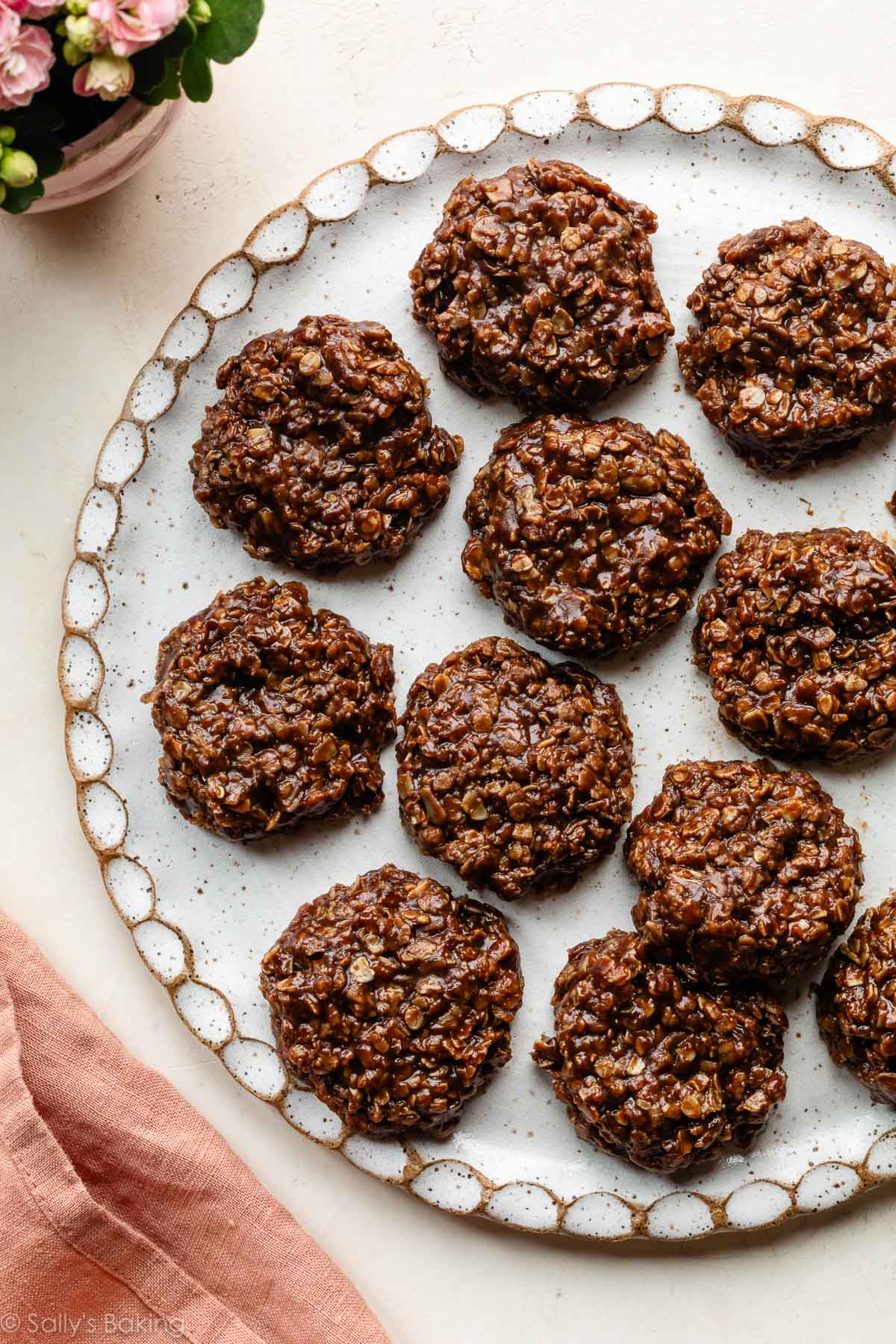
The most distinguishing feature of these cookies, as their name suggests, is the complete absence of oven baking. This characteristic offers several significant advantages, particularly appealing in various scenarios:
- Warm Weather Solution: During hot summer months, avoiding the oven keeps the kitchen cool, making these cookies a refreshing alternative to traditional baked goods.
- Energy Efficiency: For environmentally conscious consumers or those looking to reduce household energy consumption, skipping the oven translates to lower electricity usage.
- Beginner-Friendly: The process eliminates common baking challenges such as precise oven temperatures, baking times, and uneven cooking, making it an ideal recipe for culinary novices or children participating in the kitchen.
- Multi-Tasking in the Kitchen: For avid bakers who often prepare multiple dishes, these no-bake cookies free up valuable oven space for other culinary creations, streamlining meal or dessert preparation during busy periods like holidays.
- Quick Gratification: With minimal active cooking time and a relatively short refrigeration period, these cookies satisfy sweet cravings much faster than many baked alternatives.
The shift from baking to chilling as the setting mechanism simplifies the process without compromising on flavor or texture, delivering a consistently soft and chewy treat.
Methodology: A Stovetop-to-Fridge Chronology
The preparation of these chocolate peanut butter no-bake cookies follows a straightforward, chronological sequence, making the process easily manageable:
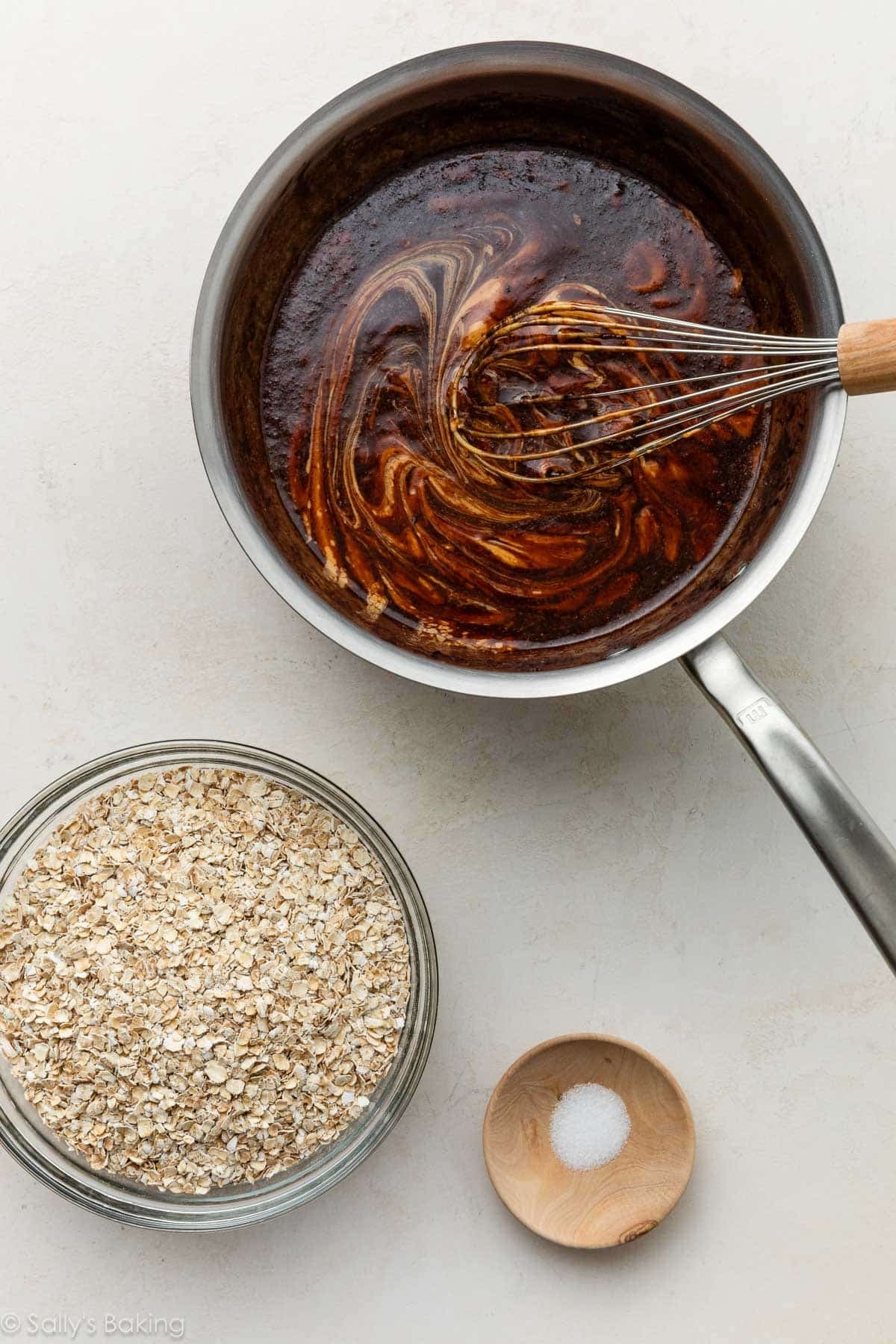
- Initial Mixture & Boiling (The Crucial First Step): The process begins on the stovetop. Butter, sugar, milk, and cocoa powder are combined in a medium-sized pot. This mixture is whisked continuously until the butter is fully melted and the ingredients are well integrated. The critical phase involves bringing this mixture to a rolling boil in the center of the pot. Once boiling, stirring ceases, and a timer is set for precisely one minute. This specific boiling duration is paramount for the sugar to fully dissolve and for the mixture to reach the optimal temperature of approximately 225°F (107°C). An instant-read thermometer is highly recommended at this stage to ensure accuracy, as under-boiling will prevent the cookies from setting, while over-boiling can lead to dry, crumbly results.
- Removal from Heat & Flavor Infusion: Immediately after the one-minute boil, the pot is removed from the heat source. This is the moment to incorporate the creamy peanut butter and vanilla extract. These ingredients are stirred vigorously until fully combined and melted into the hot chocolate mixture, contributing to the rich flavor and smooth texture.
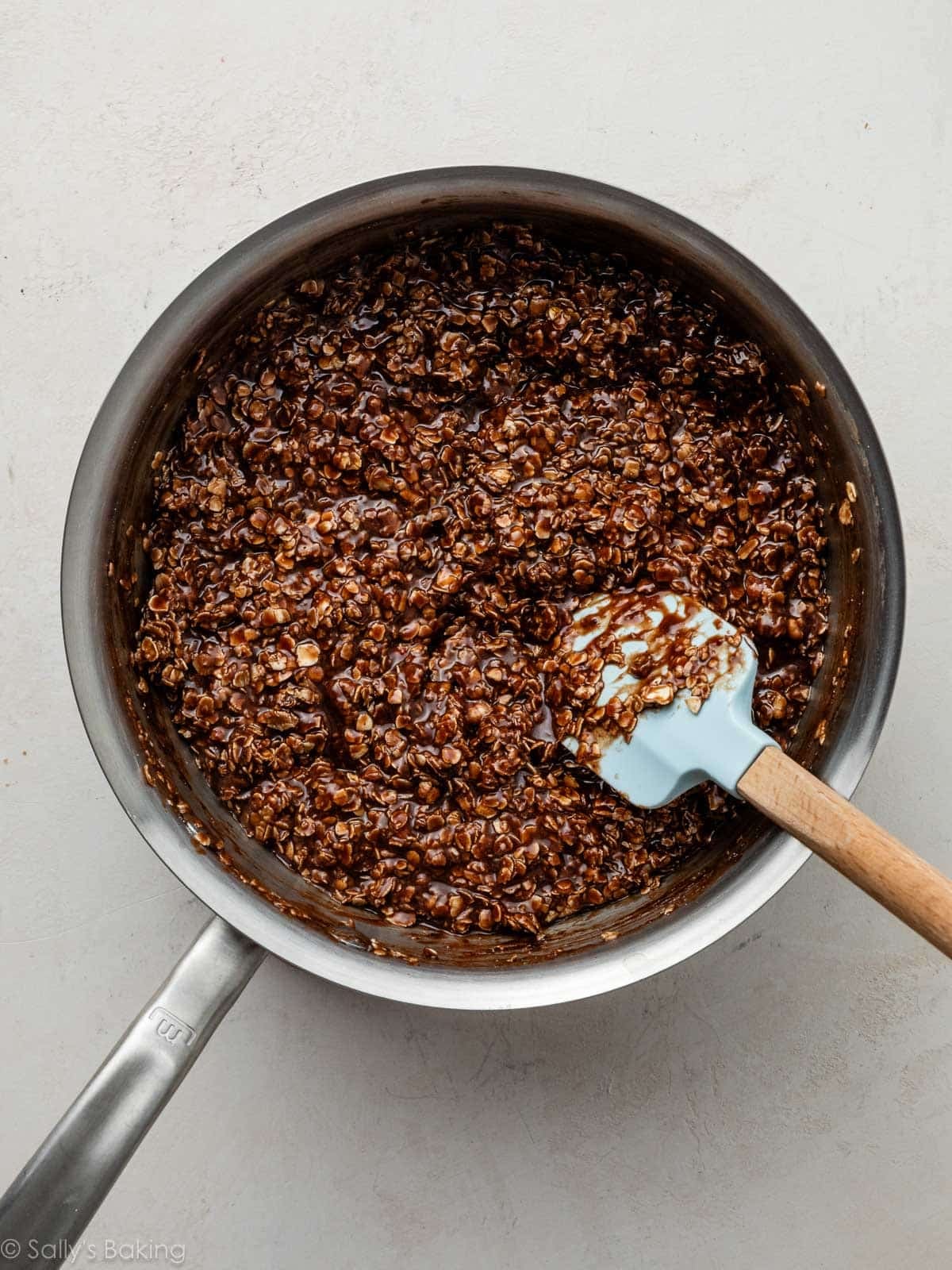
- Incorporating Oats & Resting Period: Next, the old-fashioned rolled oats and a pinch of salt are added to the pot. These are stirred in until evenly coated. A critical resting period follows: the mixture is allowed to cool for five minutes. This rest is not merely a pause; it allows the oats sufficient time to absorb the hot liquid, making the mixture thicker and far easier to scoop and shape. If a particularly thin, natural-style peanut butter was used, extending this resting time to ten minutes can further aid in achieving the desired consistency.
- Portioning & Refrigeration: Once the mixture has cooled and thickened slightly, it is ready for portioning. Tablespoon-sized mounds are dropped onto baking sheets lined with parchment paper, spaced approximately two inches apart. A gentle flattening with the back of a spoon can help achieve a more uniform cookie shape. The final step involves refrigerating the cookies for 30 to 60 minutes. During this period, the mixture firms up, transforming into the classic fudgy, chewy no-bake cookie. This chilling process replaces the traditional baking phase, solidifying the structure without heat.
This systematic approach, particularly the precise timing of the boil and the subsequent cooling, is essential for consistent success.
Ensuring Success: Expert Tips and Troubleshooting Common Issues
While the recipe is inherently simple, achieving consistently perfect no-bake cookies often hinges on understanding a few key principles and troubleshooting common issues. Insights from the recipe developer highlight the following:
- Accurate Boiling Time is Non-Negotiable: The single most critical factor for cookie setting is ensuring the butter, sugar, milk, and cocoa mixture boils for exactly one minute. This allows the sugar to dissolve completely and the mixture to reach the precise temperature needed for solidification upon cooling. An instant-read thermometer (target 225°F / 107°C) serves as an invaluable tool for precision, mitigating the risk of cookies that are too soft or too dry.
- Measurement Precision: Given the short ingredient list, accurate measurements are paramount. Over-measuring oats or peanut butter can lead to a dry, crumbly texture, while under-measuring liquids can have similar adverse effects. Using a kitchen scale for dry ingredients is always recommended for superior accuracy.
- Peanut Butter Consistency: The type of peanut butter significantly impacts the outcome. Standard creamy peanut butter (like Jif or Skippy) is ideal due to its consistent viscosity. If using natural peanut butter, ensure it is thoroughly stirred to recombine separated oils and expect a slightly longer setting time due to its thinner nature.
- Cooling Time Matters: The five-minute (or ten for natural peanut butter) cooling period before scooping allows the oats to absorb moisture, preventing a runny mixture and facilitating easier portioning. Skipping this step can result in cookies that spread too much or are difficult to handle.
- Refrigeration for Optimal Set: While no-bake cookies will eventually set at room temperature, refrigeration accelerates the process and ensures a firmer, more stable cookie that holds its shape better, especially in warmer environments.
Variations and Adaptability: Customizing the Classic
The robust foundation of this recipe allows for various creative adaptations, encouraging home bakers to personalize their treats:
- Nut Butter Alternatives: While peanut butter is classic, other creamy nut butters like almond butter or cashew butter can be substituted for different flavor profiles.
- Textural Additions: Chopped nuts (walnuts, pecans), shredded coconut, or mini chocolate chips can be folded in with the oats for added crunch and flavor.
- Flavor Boosts: A pinch of cinnamon or espresso powder can enhance the chocolate notes, while a touch of flaky sea salt sprinkled on top before setting can elevate the sweet-salty dynamic.
- Spice Variations: Consider a hint of chili powder for a Mexican hot chocolate twist, or a dash of peppermint extract for a festive version.
These variations allow the basic recipe to remain fresh and exciting, catering to diverse preferences and occasions.
Broader Culinary Impact and Consumer Trends: The Significance of Simplicity
The enduring popularity and recent update of a simple no-bake cookie recipe offer valuable insights into contemporary culinary trends and consumer behavior. In an increasingly fast-paced world, there’s a growing demand for convenience without compromising on quality or the satisfaction of homemade goods. This recipe perfectly encapsulates that desire, providing a quick, accessible, and delicious dessert solution.
Its appeal speaks to several broader implications:
- Democratization of Baking: Recipes like this make baking accessible to a wider audience, regardless of skill level or equipment availability. This fosters a sense of accomplishment and encourages more people to engage with home cooking.
- Comfort Food Resurgence: In times of uncertainty or stress, comfort foods, particularly those with nostalgic connections, experience a surge in demand. Chocolate peanut butter no-bake cookies fit this bill perfectly, offering a taste of comforting familiarity.
- Mindful Consumption: While indulgent, the use of basic, identifiable ingredients resonates with consumers who are increasingly mindful about what they eat and prefer homemade options over highly processed store-bought alternatives.
- Seasonal Adaptability: The no-oven requirement makes it inherently suitable for year-round enjoyment, particularly during warmer months when traditional baking is less appealing, thereby broadening its market relevance.
- Cost-Effectiveness: Utilizing common pantry items, these cookies are an economical treat compared to specialty bakery items, appealing to budget-conscious households.
In conclusion, the refreshed chocolate peanut butter no-bake cookie recipe is more than just a dessert; it’s a testament to the enduring appeal of simplicity, comfort, and the classic flavor combination that has captivated generations. Its ease of preparation, combined with the detailed enhancements, ensures that this beloved treat will continue to be a staple in kitchens worldwide, proving that some of the greatest culinary joys are found in the most straightforward creations.