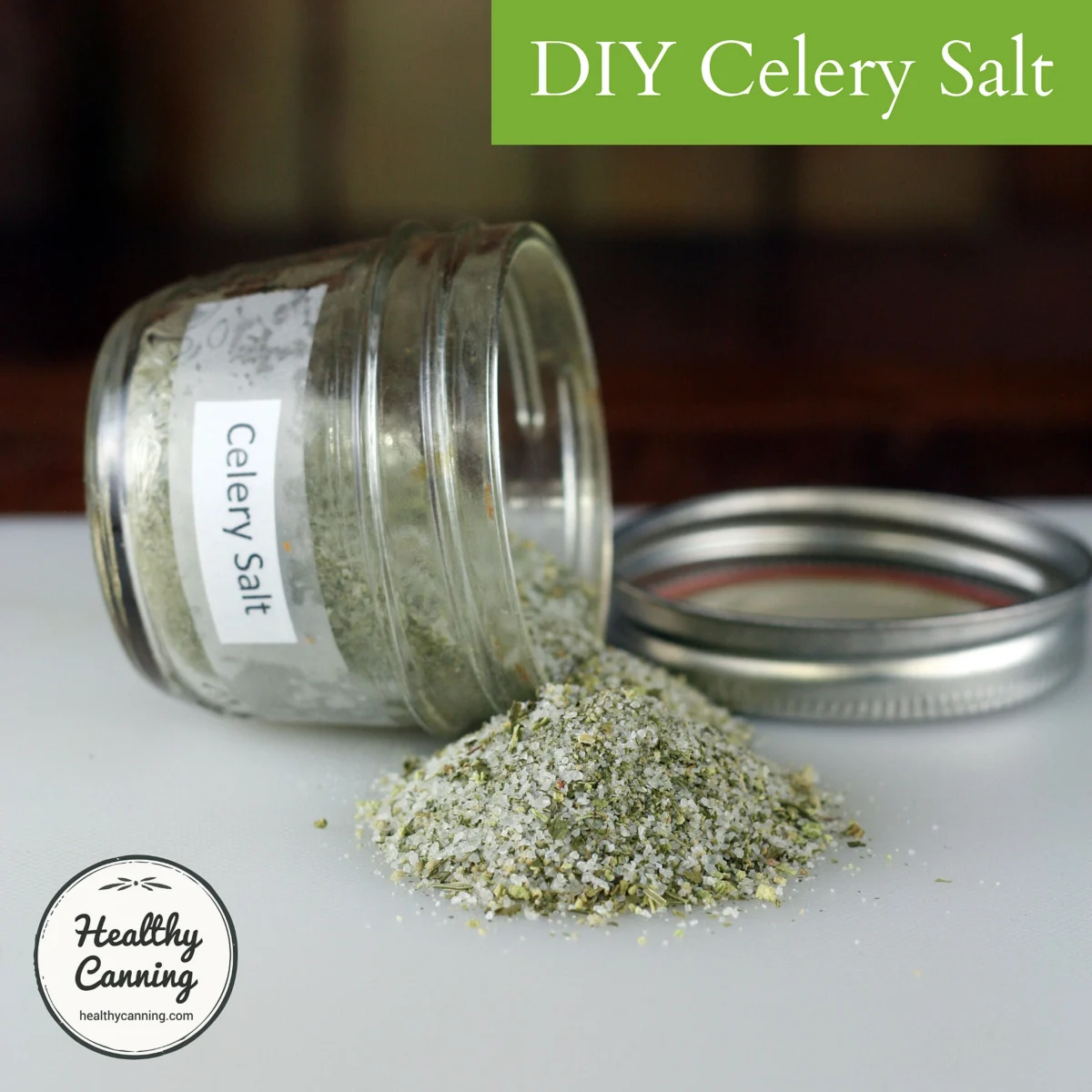

The process of manufacturing celery salt at home involves a synergistic blend of ground celery seed or dehydrated celery powder and a base salt. While commercially available versions are often restricted to standard table salt and mass-produced celery seed, the DIY approach allows for the integration of gourmet elements such as Mediterranean sea salt, hickory-smoked salt, or mineral-rich pink Himalayan salt. This customization represents a broader shift in consumer behavior, where the "pennies on the dollar" economy of home production meets the high-end demands of the modern palate.
The Economic Landscape of the Spice Industry
The economic incentive for producing home-crafted celery salt is substantial. Market analysis of the spice and seasoning industry reveals that pre-mixed blends often carry a markup exceeding 1,000 percent compared to the cost of raw bulk ingredients. A standard 4-ounce jar of name-brand celery salt can retail for anywhere between $4.00 and $6.00 in North American supermarkets. In contrast, purchasing celery seeds in bulk and utilizing existing household salt reserves reduces the production cost of the same volume to approximately $0.15 to $0.30.
For the budget-conscious household, these savings are non-trivial when aggregated across an entire spice rack. Furthermore, the ability to produce small, fresh batches prevents the common issue of spice degradation. Commercial spices often sit in warehouses and on retail shelves for months, losing their volatile oils and aromatic potency. By grinding seeds or processing homemade celery powder on demand, consumers ensure a higher concentration of flavor, effectively requiring less product to achieve the desired culinary result, further extending the value of the raw materials.
Historical Context and the Evolution of Celery Salt
To understand the contemporary resurgence of celery salt, one must look at its historical significance in global cuisine. Celery (Apium graveolens) has been utilized for its medicinal and aromatic properties for millennia, with records of its use dating back to ancient Greece and Rome. However, the specific combination of celery and salt gained its most significant foothold in the late 19th and early 20th centuries.

In the United States, celery salt became inextricably linked with the development of iconic regional dishes. Most notably, it is the "secret ingredient" that defines the Chicago-style hot dog, a culinary staple that emerged during the Great Depression as a low-cost, high-flavor meal. Similarly, the 1939 creation of Old Bay Seasoning in Baltimore utilized celery salt as its primary base, cementing the ingredient’s status in the American pantry.
The modern DIY movement is, in many ways, a return to these traditional roots. Before the industrialization of food processing, households frequently dried their own herbs and blended their own seasonings. The current revival is supported by modern technology, such as high-efficiency food dehydrators and electric spice grinders, which allow home cooks to replicate and exceed industrial quality standards with minimal labor.
Health Implications and Sodium Management
Perhaps the most compelling argument for the home production of celery salt lies in the realm of public health. According to data from the World Health Organization (WHO) and the American Heart Association (AHA), excessive sodium intake is a leading contributor to hypertension, cardiovascular disease, and stroke. Commercial seasoning blends are often high in sodium and may contain anti-caking agents like silicon dioxide or sodium aluminosilicate, which some health-conscious consumers prefer to avoid.
The DIY model empowers individuals with specific dietary requirements to take total control over their sodium consumption. For those on medically mandated low-sodium diets, the ability to substitute traditional salt with potassium-based alternatives or herbal salt substitutes—such as Herbamare—is a game-changer. By mixing these substitutes with high-quality celery powder, consumers can maintain the savory "umami" profile of their favorite dishes without the adverse effects of high sodium chloride intake.
Furthermore, the "gourmet" aspect of home-made salt allows for the use of salts with different mineral profiles. While the sodium content remains the primary concern, the presence of trace minerals in unprocessed sea salts or pink salts provides a more complex nutritional profile than the highly refined table salt found in commercial canisters.

Technical Methodology: From Seed to Seasoning
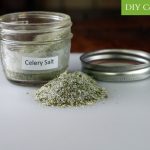
The production of high-quality celery salt is a precise exercise in ratios and textures. The standard yield for a home-made batch is approximately five tablespoons (75 grams), a volume that balances freshness with utility. The process typically follows one of two primary paths: the use of whole celery seeds or the creation of celery powder from fresh stalks and leaves.
- The Seed Method: This is the most accessible route for most home cooks. Whole celery seeds are toasted lightly to release their oils and then ground into a fine meal. This meal is then combined with salt at a ratio—typically two parts salt to one part ground seed—though this can be adjusted to suit personal preference.
- The Dehydration Method: For a truly artisanal product, home cooks utilize a food dehydrator to process fresh celery. This method often involves using the leaves of the celery plant, which are frequently discarded in commercial processing but contain the highest concentration of flavor. Once dehydrated until brittle, the celery is pulverized into a vibrant green powder. This powder offers a "brighter," more vegetal flavor profile than the earthier, more bitter notes of the seed.
Experts in food preservation, including Master Food Preserver groups, emphasize that the moisture content of the celery component is critical. Any residual moisture can lead to clumping or, in extreme cases, the growth of mold within the salt mixture. Therefore, the use of a high-quality dehydrator and airtight storage containers is recommended to ensure the longevity of the product.
The Role of Master Food Preservers
The DIY movement is supported by a robust network of experts known as Master Food Preservers. These individuals undergo rigorous training, often through university extension programs, to provide the public with science-based information on food safety and preservation. As the interest in home-made seasonings has grown, these groups have become essential resources for ensuring that home preservation practices meet safety standards.
For the novice home cook, these organizations offer a safety net, providing guidance on everything from the proper temperature for dehydrating vegetables to the best practices for long-term spice storage. Their involvement highlights the transition of home seasoning production from a casual kitchen experiment to a disciplined culinary craft.
Broader Implications for Food Security and Sustainability
The shift toward DIY seasonings like celery salt also has significant implications for environmental sustainability and food security. By making seasonings at home, consumers reduce the demand for single-use plastic and glass packaging common in the spice industry. Additionally, the ability to utilize celery leaves—parts of the vegetable that are typically wasted—contributes to a "zero-waste" kitchen philosophy.
From a food security perspective, the knowledge of how to preserve and blend one’s own food components reduces reliance on commercial grocery infrastructures. In an era where inflation has significantly impacted food prices, the ability to produce high-value pantry staples from basic, low-cost ingredients provides a level of economic resilience for the average household.
Analysis of Market Impact
Industry analysts suggest that the "DIY pantry" trend is forcing commercial spice manufacturers to pivot. We are seeing an increase in "premium" and "organic" lines as brands attempt to compete with the quality of home-made blends. However, the inherent advantages of the DIY approach—customization, cost, and freshness—remain difficult for large-scale industrial operations to replicate.
The rise of social media and food-focused digital platforms has further accelerated this trend. Detailed tutorials and "recipe hacks" for seasonings allow for the rapid dissemination of techniques that were once passed down only through family traditions. As a result, the modern consumer is more informed and more capable of producing professional-grade ingredients than any previous generation.
Conclusion
The production of DIY celery salt is more than a simple kitchen task; it is a reflection of a changing relationship between consumers and their food. By choosing to blend their own seasonings, individuals are reclaiming control over their health, their finances, and their culinary experiences. Whether it is through the use of smoked salts for a gourmet flair or the adoption of salt substitutes for cardiovascular health, the DIY movement offers a versatile solution to the shortcomings of the industrial food complex. As this trend continues to grow, it is likely that the spice rack of the future will be defined not by brand names, but by the unique, handcrafted blends of the home cook.