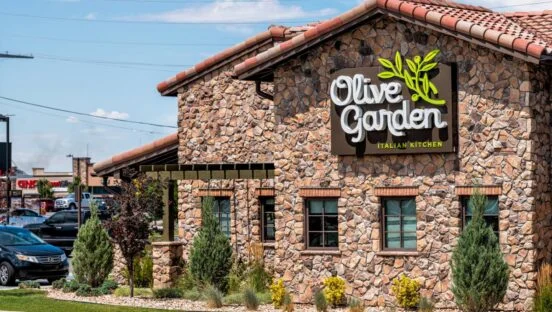

Dine Brands Global, Inc., the parent organization of casual dining staples Applebee’s Neighborhood Grill + Bar and IHOP, has officially declared its dual-branded restaurant strategy a success following a robust performance in the first quarter of fiscal year 2026. One year into the aggressive implementation of this "dual-brand thesis," the company reported a significant milestone: achieving flat to positive sales growth across its entire portfolio, including the recently acquired Fuzzy’s Taco Shop. This performance is particularly noteworthy as it occurred against a backdrop of significant macroeconomic volatility, where persistent inflation and fluctuating energy prices have continued to squeeze the discretionary income of the brands’ core consumer segments.
During the Q1 2026 earnings call, CEO John Peyton emphasized that the company’s strategic pivot is not merely a defensive maneuver against a softening economy, but a proactive restructuring of the casual dining experience. By housing Applebee’s and IHOP under a single roof with a shared kitchen but distinct dining identities, Dine Brands is successfully capturing multiple dayparts—breakfast, lunch, dinner, and late-night—while optimizing labor and real estate costs. The strategy has translated into higher check averages and a more resilient business model that outperformed Black Box Intelligence industry benchmarks for the quarter.
The Strategic Evolution of the Dual-Brand Model
The concept of combining two iconic American brands into a single footprint was initially met with industry skepticism. Critics questioned whether the distinct brand identities of a pancake-centric breakfast house and a neighborhood bar and grill could coexist without cannibalizing sales. However, the data from the first 35 domestic dual-branded locations suggests the opposite. According to company reports, these hybrid units are generating 1.5 to 2.5 times the sales volume of traditional, single-brand standalone restaurants.
The dual-brand model offers a unique solution to the "real estate lifecycle" problem. Many older Applebee’s or IHOP locations sit on prime real estate but may have reached the natural end of their individual growth cycles. By converting these sites into dual-branded outlets, franchisees can "reposition" lower-performing assets. A recent conversion in Hawthorne, New York, serves as a primary case study for this transition. Since reopening in March 2026 as a combined unit, the Hawthorne location has experienced a 1.8x increase in sales compared to its previous performance as a single-brand entity.
The success is also driven by guest behavior. Internal data revealed that 62 percent of dine-in tickets at these locations contain at least one item from each brand. This synergy allows a family to order IHOP’s signature pancakes alongside Applebee’s appetizers, a flexibility that has increased the average check by approximately 24 percent compared to single-brand visits.
Financial Performance and Quarterly Highlights
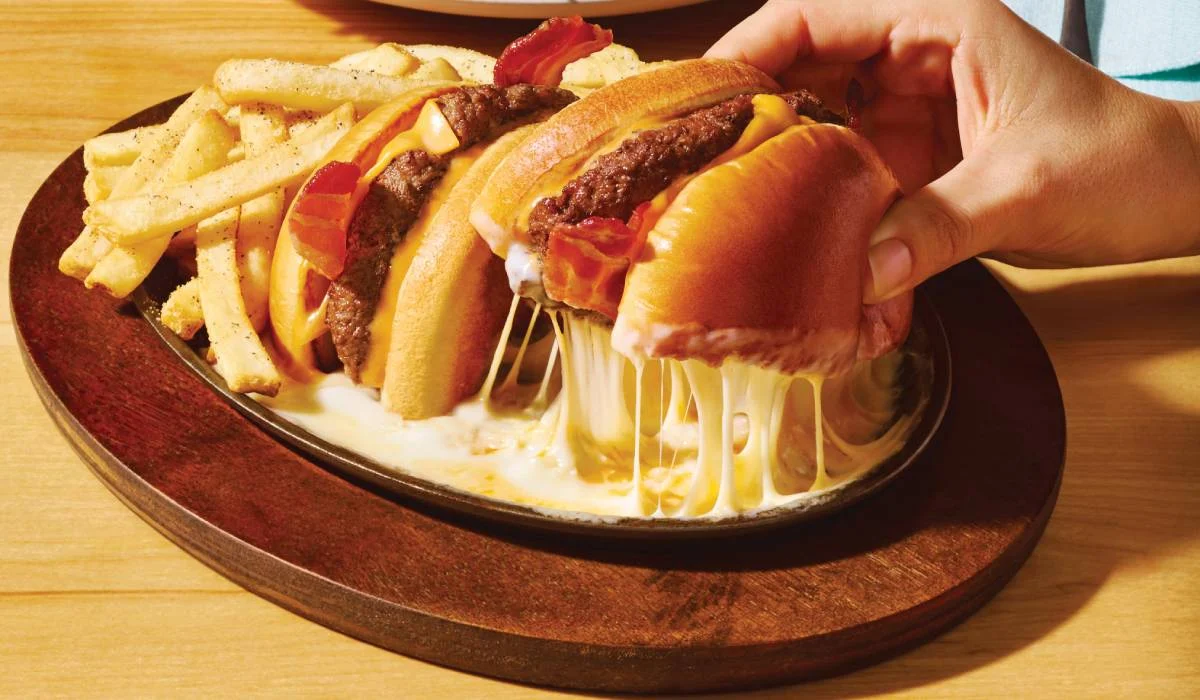
For the first quarter ending March 29, 2026, Applebee’s reported a 1.9 percent increase in same-store sales. This growth builds upon the 1.3 percent increase seen throughout 2025, signaling sustained momentum for the brand. The primary driver for Applebee’s was a renewed focus on "value-oriented innovation." The January launch of the O-M-Cheese Burger, priced at $11.99, became a viral sensation. When integrated into the popular "2 for $25" platform, the burger drove Applebee’s to its highest single-day sales volume in the history of the brand, bolstered by a record-breaking Valentine’s Day.
IHOP’s performance remained flat in terms of comparable store sales, but the company viewed this as a victory in a period of declining consumer sentiment. The brand focused on "check improvement," balancing its everyday value menu with premium limited-time offerings (LTOs). The New York Cheesecake Pancakes were a significant contributor to the quarter’s revenue, and the brand is preparing for a major Q2 push with its "Stuffed ’N Stacked" omelette line and the introduction of a new proprietary coffee blend—the first significant coffee update for the chain in nearly two decades.
Fuzzy’s Taco Shop, the fast-casual taco concept acquired by Dine Brands in late 2022, also showed signs of a major turnaround. After a challenging 2025 that saw double-digit declines, Fuzzy’s posted a 2.4 percent lift in same-store sales for Q1 2026. This recovery was attributed to menu streamlining and technological upgrades, though management noted that the increase was largely driven by price adjustments rather than an increase in guest traffic.
Operational Innovations and the Toast POS Rollout
A central component of Dine Brands’ strategy involves modernizing the technological infrastructure of its aging fleet. The company is currently in the midst of a systemwide rollout of the Toast Point of Sale (POS) system. CEO John Peyton expects this transition to be a "meaningful boost" to operations, citing better data analytics, reduced order voids, and an increase in server tips.
Beyond the POS system, the company has focused on "manager visibility" as a key performance indicator. Internal guest satisfaction surveys and Google review scores improved in Q1, a trend the company links directly to initiatives requiring managers to spend more time in the dining room interacting with guests rather than in the back office.
On the digital front, off-premises sales grew by approximately 3.5 percent during the quarter. This was supported by a more seamless online ordering flow and targeted marketing campaigns surrounding high-traffic events such as the Super Bowl and the NCAA basketball tournament. By leveraging third-party delivery partnerships and improving order accuracy, Dine Brands is maintaining its relevance in a post-pandemic market where convenience remains a top priority for consumers.
Chronology of the Dual-Brand Rollout
The journey toward the current 900-unit goal has been a multi-year progression:
- 2023: Dine Brands begins pilot testing dual-branded locations in international markets, including the Middle East and Canada, to test kitchen efficiency.
- Early 2025: The first domestic dual-branded units are launched in select U.S. markets. Dine Brands announces a long-term goal of 900 combo units.
- Late 2025: The company reports that international dual-branded locations have reached 37 units, providing a blueprint for domestic expansion.
- Q1 2026: Domestic dual-branded locations reach 35 open units, with 13 more under construction. The Hawthorne, NY conversion proves the 1.8x sales lift thesis.
- Future Outlook (End of 2026): Dine Brands expects to have 80 domestic dual-branded stores operational by year-end.
Consumer Sentiment and Macroeconomic Challenges
The success of Dine Brands comes at a time when the broader restaurant industry is struggling with "value perception." As John Peyton noted during the earnings call, discretionary spending has become increasingly difficult for many households to justify. The "lower-income guest," a demographic vital to both Applebee’s and IHOP, has been disproportionately affected by the rising costs of groceries and fuel.
In response, Dine Brands has leaned heavily into "culturally relevant moments" to maintain brand salience without relying solely on deep discounting. IHOP’s partnership with NFL star Malik Nabers for the "Bottomless Pancake" campaign and the celebration of National Pancake Day resulted in a 316 percent year-over-year increase in social media engagement. These efforts are designed to keep the brands "top of mind" for consumers who are becoming more selective about where they spend their limited dining-out budget.
Broader Impact and Industry Implications
The pivot by Dine Brands represents a significant shift in the casual dining landscape. As labor costs continue to rise and the availability of prime real estate for new construction diminishes, the "two-in-one" model offers a compelling path toward sustainable growth. By sharing a kitchen, the brands can reduce the total labor required to service two different menus, while the diverse dayparts of IHOP (morning/afternoon) and Applebee’s (evening/late-night) ensure that the building is generating revenue for nearly 24 hours a day.
Franchisee enthusiasm is perhaps the most telling indicator of the model’s viability. With 10 different operators already managing dual-branded stores—including two who are entirely new to the Dine Brands system—the capital investment is flowing from the private sector into this new format.
As Dine Brands moves into the remainder of 2026, the focus will remain on "executing against priorities" in a challenging environment. While headwinds like inflation are expected to persist, the company’s ability to innovate its menu, modernize its technology, and maximize its physical footprint through dual-branding has positioned it as a leader in the evolution of the American dining experience. The "thesis" has been proven; the task now is the massive scale-up of a 900-unit domestic empire.