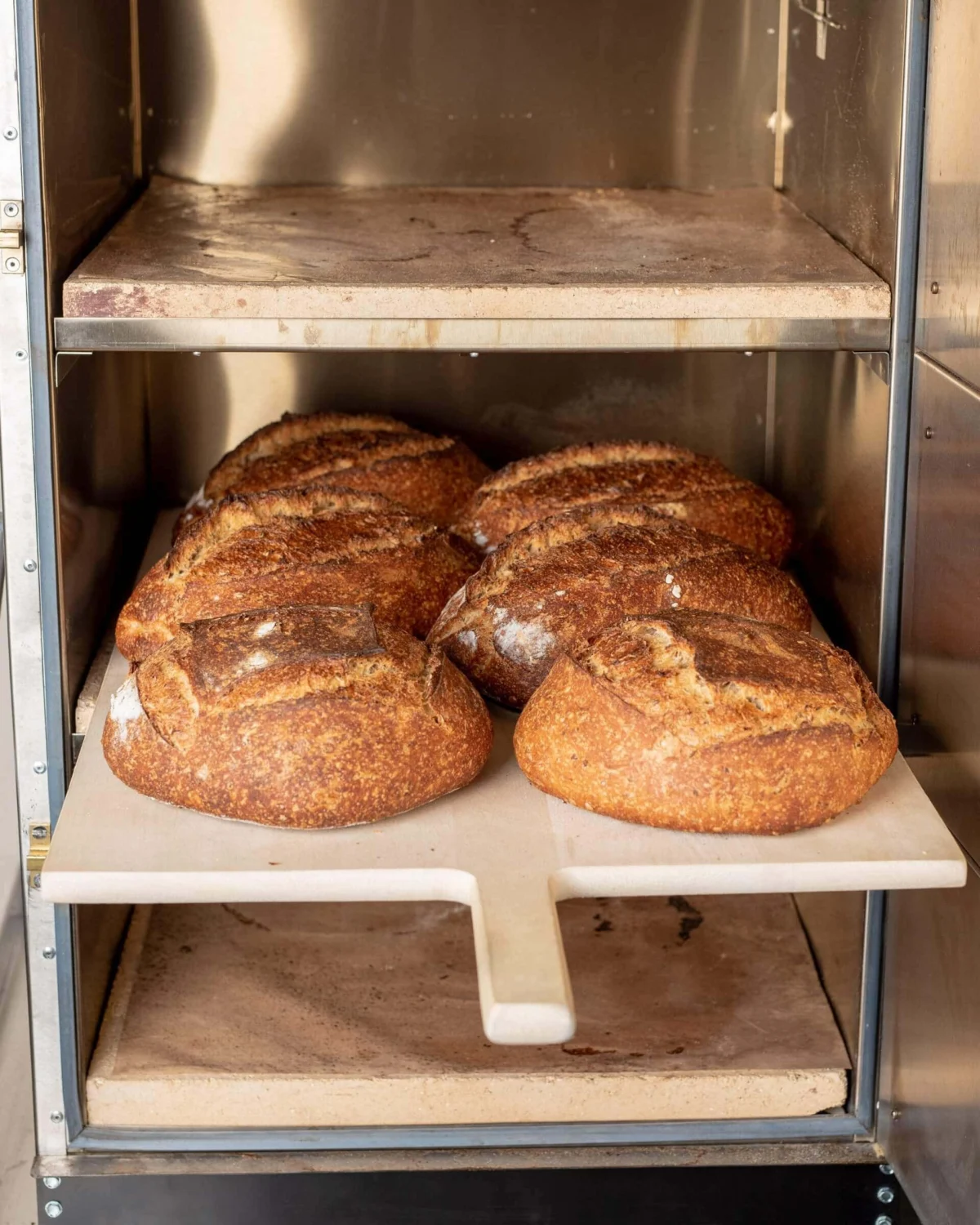

The evolution of a passionate home baker often leads to a pivotal moment: outgrowing the limitations of a standard kitchen oven and seeking more robust, efficient equipment. For many enthusiasts, this transition culminates in the acquisition of specialized ovens designed for larger-scale production. One such oven gaining traction among serious home bakers and those venturing into micro-bakeries is the Rofco B40, a Belgian-made brick oven renowned for its capacity and consistent performance. This comprehensive guide delves into the intricacies of the Rofco B40, offering insights into its design, operational best practices, and the practical considerations for bakers looking to elevate their craft.
The Ascent to Larger-Scale Baking
The journey from wishing for a larger oven to actively seeking one is a natural progression for dedicated bakers. The desire to bake multiple loaves simultaneously, perhaps six or more, transforms from a distant dream into a tangible goal. As dough quantities increase, the need for tools that enhance efficiency becomes paramount. While baking large batches in a conventional home oven is achievable, the right equipment allows bakers to redirect their focus from logistical challenges to the finer aspects of baking, such as refining flavor profiles, optimizing fermentation, and perfecting dough handling and shaping techniques. The Rofco oven emerges as a logical step in this baking evolution, offering a bridge between home-scale operations and more professional ambitions, including the establishment of nano or micro-bakeries, or participation in local farmers’ markets. This guide aims to consolidate essential knowledge regarding the tools, temperatures, timings, and other critical tips for successfully utilizing a Rofco bread oven, serving as a resource for both prospective buyers and new owners.
Understanding the Rofco B40 Bread Oven
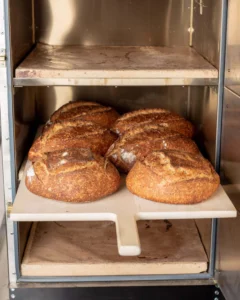
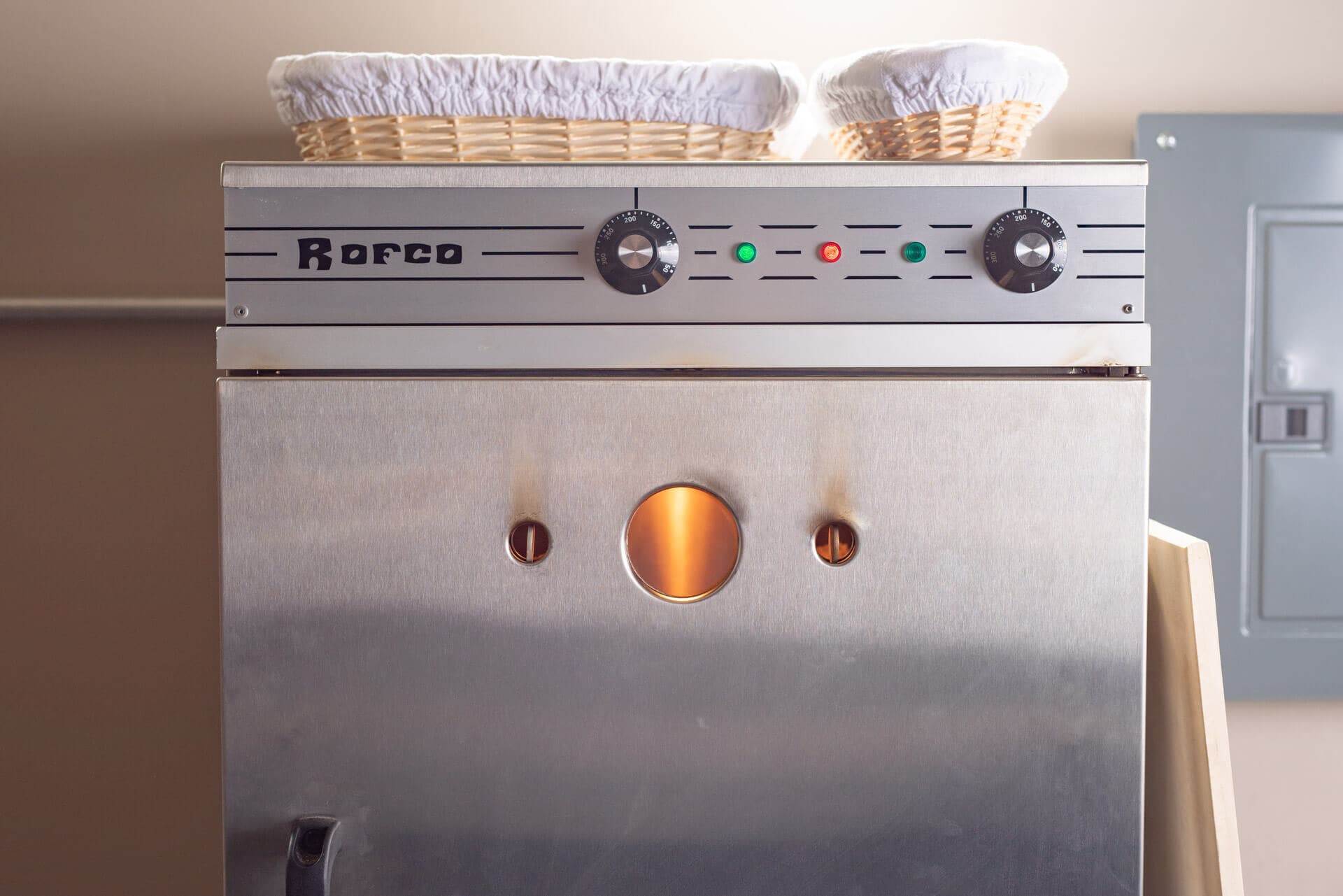
The Rofco is a purpose-built electric brick oven originating from Belgium, specifically engineered for bread baking. Available in various configurations, the B40 model stands out with its generous capacity, featuring three square baking decks. Its design is characterized by robust, no-nonsense construction and a sealed oven chamber. A key advantage is its minimal external heat radiation, allowing for closer placement to other kitchen appliances or walls, though caution is advised as the exterior can become hot. The oven’s three deck stones, each 1-3/8 inches thick and made of chamotte (refractory brick), possess excellent heat retention capabilities. This means that even after preheating and subsequent door openings for loading, the stones maintain a stable temperature, crucial for consistent baking. The Rofco’s thermal mass allows for multiple bakes in succession with only brief recovery periods, making it highly efficient for continuous production.
The Rofco B40 operates on standard 220V AC single-phase power, utilizing a 6-20P cord plug and a 6-20R receptacle, commonly found in many households for larger appliances. Installation may require a dedicated circuit and receptacle, often necessitating the expertise of a qualified electrician to ensure safe and proper setup.
The author of this guide, a baker who utilizes the Rofco B40 for both large-scale events and regular bakes of 4-6 loaves, emphasizes its efficiency and convenience. Described as a "bare-bones workhorse," the oven delivers reliable performance when needed. The oven was acquired from Pleasant Hill Grain in the US, a retailer noted for its exceptional customer service. The author highlights their responsiveness to inquiries and even minor issues, such as a faulty door clasp, underscoring the importance of reliable vendor support. While a discount was received from the vendor, the guide’s content is presented independently, based solely on personal experience and expertise.
A Resounding Recommendation
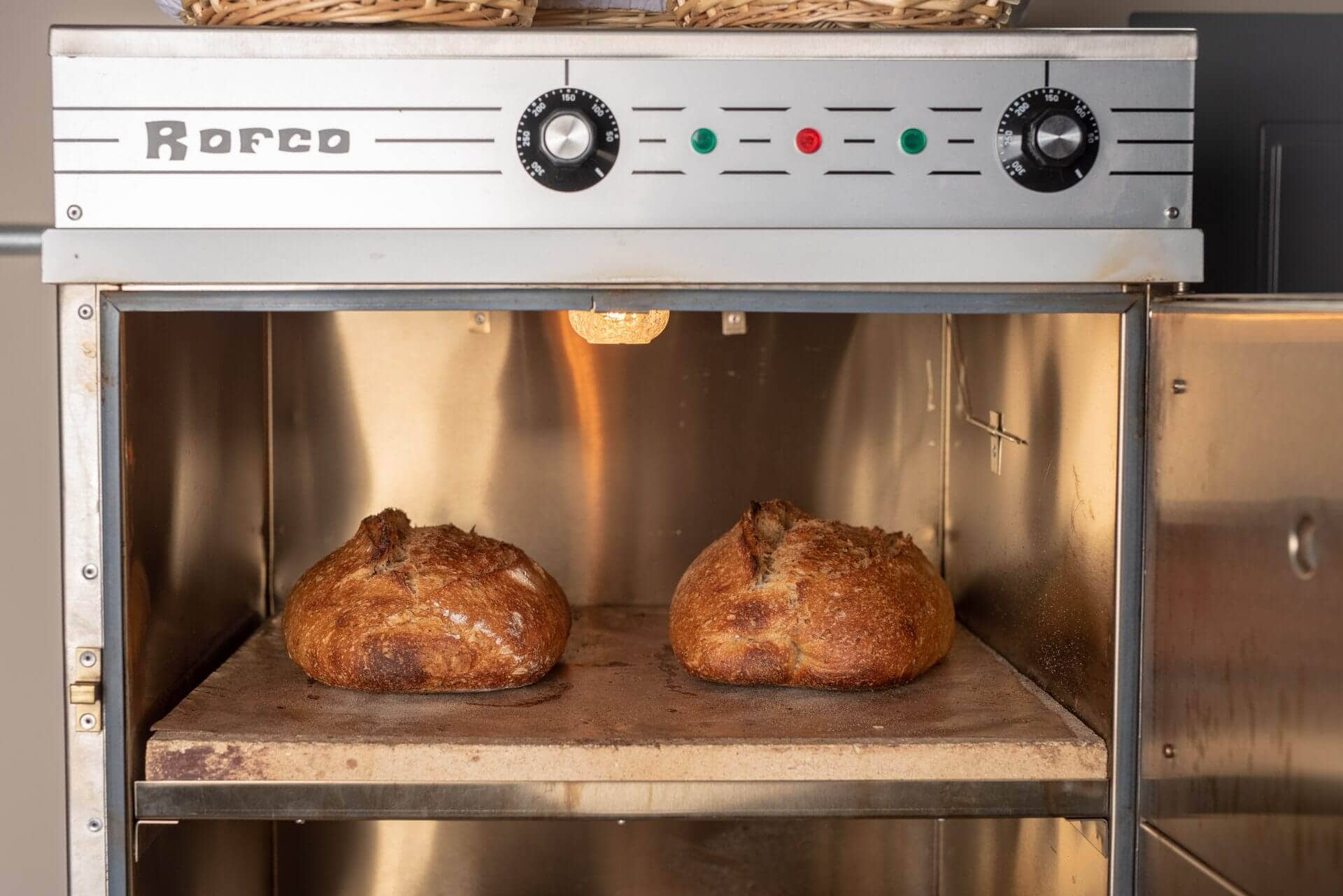
To address a critical question directly: yes, the Rofco bread oven comes highly recommended. It represents a significant upgrade for any baker looking to exceed the typical two-loaf capacity of a standard home oven. Its straightforward design, ease of maintenance, and uniform baking capabilities make it an outstanding choice for both dedicated home bakers and burgeoning professional operations.
Optimizing Dough Placement on Decks
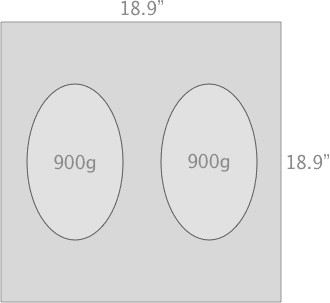
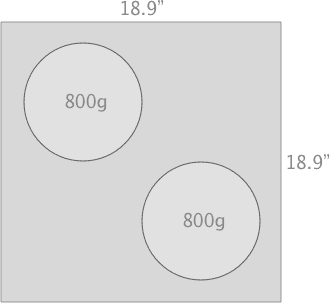
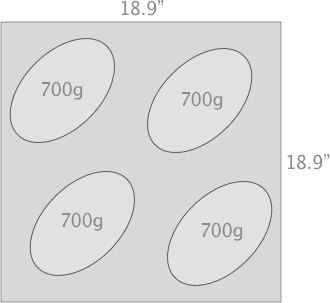
A fundamental aspect of maximizing the Rofco’s capacity involves strategic dough placement, akin to a game of real-life Tetris. The goal is to bake the largest possible quantity of dough without loaves touching, while simultaneously ensuring an even bake across all items. While the author primarily bakes 4-6 loaves at a time, insights into more extensive arrangements are shared. The provided diagrams illustrate common configurations for the Rofco B40’s 18.9" x 18.9" decks, with the top edge representing the oven’s back and the bottom edge the front (door).
- Configuration 1: 2 x 900g Batards per Deck: This is the author’s most frequent setup. Ovals represent the characteristic batard shape.
- Configuration 2: 2 x 800g Boules per Deck: Circles denote the boule shape.
- Configuration 3: 4 x 700g Loaves per Deck: This configuration demonstrates a higher density of loaves.
Beyond loaves, the included square steel trays offer versatility. They are ideal for baking smaller items like buns and rolls, as well as larger items such as square pizzas. These trays are particularly useful for containing potential spills and facilitating the transfer of multiple small baked goods.

Mastering Steam in the Rofco
Achieving optimal bread rise, especially with sourdough, critically depends on effective steaming during the initial baking phase. The Rofco’s sealed oven chamber, lacking an exhaust fan, traps steam effectively until the front vents are opened. However, unlike some professional ovens with built-in steam injection systems, the Rofco requires manual steam introduction. This guide references existing resources on home oven steaming, emphasizing that the Rofco, while not automated, can be effectively steamed using various manual methods.
High-Pressure Sprayer Method
The author’s preferred steaming technique involves a commercial-grade pressure sprayer. Setting the nozzle to its finest mist, the sprayer is pressurized and then used to inject steam into the oven. Starting with the bottom deck, a 10-12 second spray is applied, followed by the middle and then the top decks. Care must be taken to avoid spraying the glass of the oven light fixture, as it can crack under thermal shock. A second quick spray is administered just before fully closing the oven door. Venting steam is achieved by briefly opening the door to allow the steam to escape, then closing it and tilting the circular vents on the door to their open position.
Steam Pods
Optional rectangular steel steam pods can be preheated within the oven. Pouring water or ice cubes into these pods upon loading the dough generates steam. While effective, these pods occupy valuable deck space. The author notes that while functional, they opt for the sprayer method to maximize usable baking surface. Once the water has evaporated, steam venting is accomplished via the door vents.
The Rofco Baking Process: A Step-by-Step Breakdown
The author continually refines their Rofco baking process, acknowledging that different dough formulations may require adjustments to times and temperatures. The following outlines a reliable, go-to method for most recipes.
The Rofco features two control knobs: the left for the top heating element and the right for the bottom. Indicator lights illuminate when each respective heating element is active.
Preheating:
The oven must be empty (silicone sheets should be removed) before preheating. Both control knobs are set to 240°C. A preheating duration of 1.5 hours is recommended to ensure the deck stones are thoroughly saturated with heat.
Loading:
Once preheated, a large wooden peel is placed on a table adjacent to the oven. A silicone sheet is laid on the peel, followed by the remaining sheets lined up nearby. Doughs are turned out onto the sheets, scored, and then slid onto the oven. The process continues sequentially for each deck.
Baking Stages:
| Step | Description | Temperature | Duration |
|---|---|---|---|
| 1. | Preheat (door & vents closed) | 240°C | 1 hour 30 minutes |
| 2. | Bake with steam | 150°C | 20 minutes |
| 3. | Vent steam (brief door opening, open vents) | 220°C | 10 minutes |
| 4. | Bake (reshuffle loaves if needed) | 150°C | 20-30 minutes |
Upon completion of baking, loaves are removed with the peel and placed on wire racks to cool. The oven is then either turned off or reheated for subsequent bakes, and the door is closed.
Essential Tools for Rofco Baking
Several tools significantly enhance the Rofco baking experience:
Commercial-Strength Sprayer for Steam
The author specifically recommends the Electric Spray Bottle, a compact yet powerful device capable of delivering a substantial fine mist with the press of a button, surpassing previous recommendations.
Oven Equipment Stand
To improve ergonomics and accessibility, the Rofco oven can be elevated. The author utilizes a custom-cut stainless steel equipment stand from WebstaurantStore, specifically the Regency 30" x 30" 16-Gauge Stand. By requesting custom leg lengths (18"), the oven is raised to a comfortable working height. While casters can add mobility, they might slightly affect rigidity; opting for fixed legs offers maximum stability.

Large Wooden Peel
While the Rofco includes steel trays, a large wooden peel offers a more manageable solution for transferring dough. The American Metalcraft 1836 peel, measuring 18" x 29 1/2", is nearly the width of the Rofco B40’s decks (18.9"). Its lightweight yet durable construction makes it ideal for sliding silicone sheets with dough directly into the oven.
Post-Baking Efficiency: Drying Bannetons
A practical tip for efficient workflow after baking involves utilizing the residual heat of the Rofco oven to dry proofing baskets (bannetons). After unloading the bread, placing the damp bannetons inside the warm oven rapidly dries their liners, preventing moisture buildup and potential mold growth, thereby facilitating quicker storage.
The Path Forward: Continued Learning and Equipment Integration
Transitioning to a Rofco oven may initially lead to a slight dip in baking consistency as the baker adapts to the new equipment. The advice is to select a straightforward sourdough recipe and practice with it until comfortable with the oven’s unique characteristics. For those considering a Rofco purchase, Pleasant Hill Grain is highly recommended for their excellent service.

For bakers seeking to further professionalize their operations, exploring complementary equipment is key. The Famag spiral dough mixer, capable of handling up to 8 kilograms of dough, is a significant asset for larger batches. For smaller-scale mixing, or for micro-bakery test batches, the Ooni Halo Pro Spiral Mixer offers a convenient alternative. For those looking to increase oven capacity even further, the RackMaster 2020 Bread Oven, with its larger decks, presents another option for scaling up production.
Embracing new equipment, like the Rofco B40, is an integral part of a baker’s growth, opening doors to greater creativity and efficiency in the pursuit of perfectly baked bread.